

Antique Brass Inlay Furniture
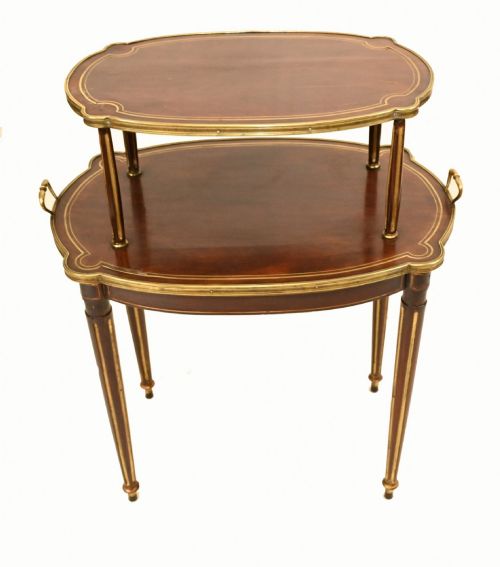
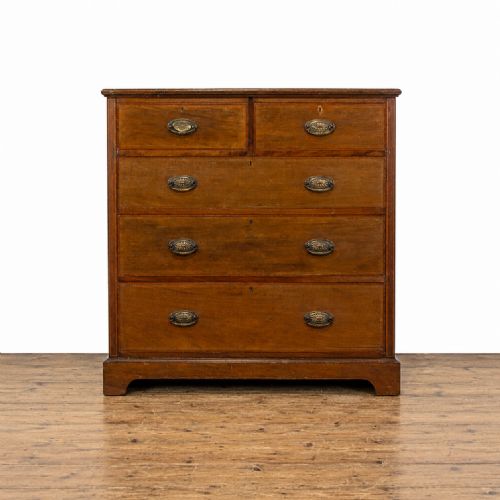
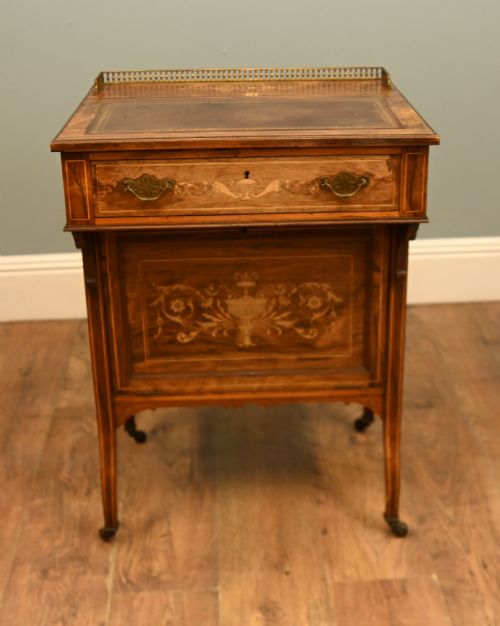
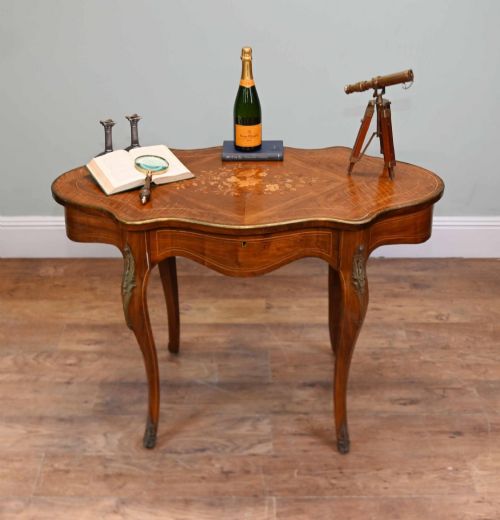
Antique brass inlay furniture brings warm metallic contrast into a room, offering striking geometric or botanical patterns set into dark timbers.
Antique Brass Inlay Furniture
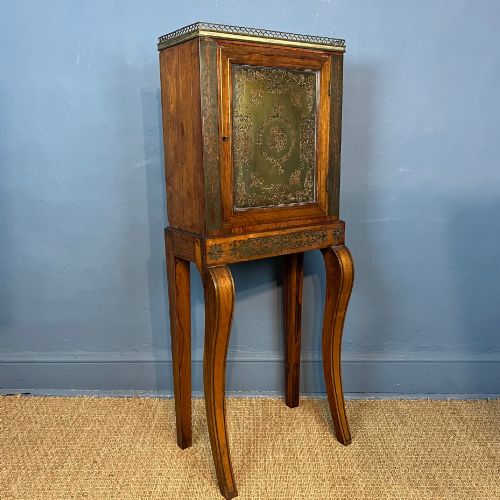
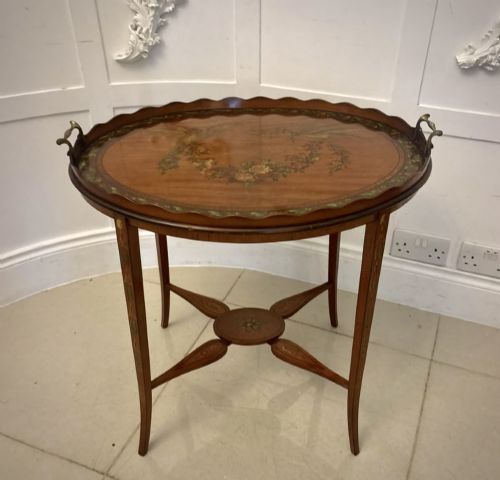
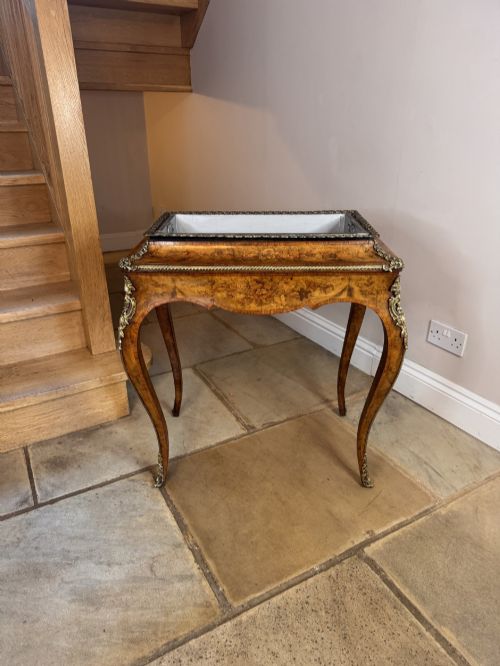
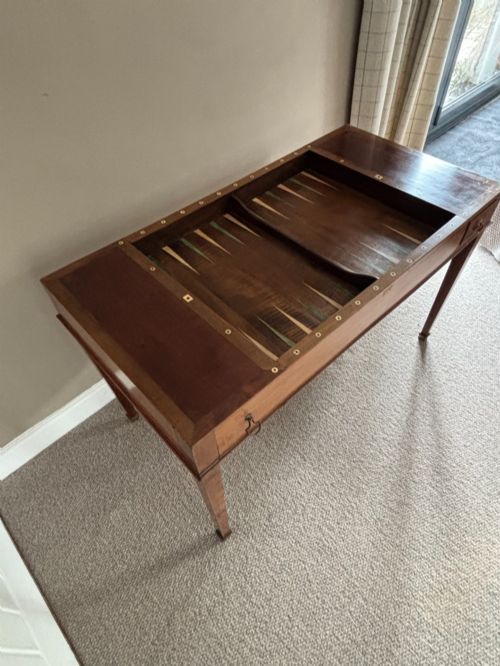
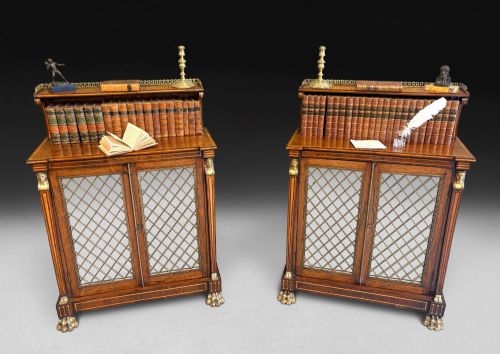
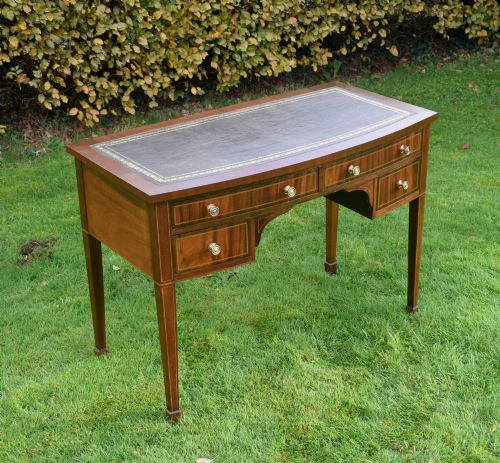
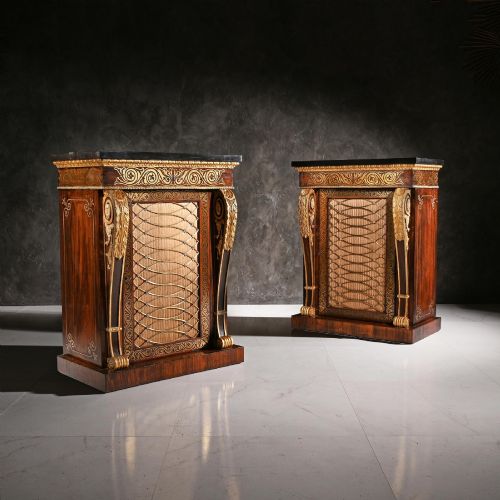
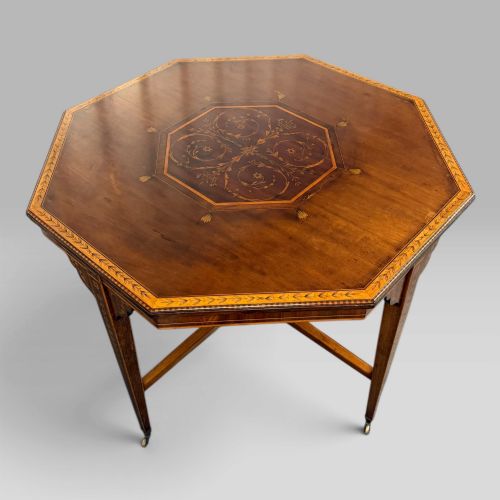
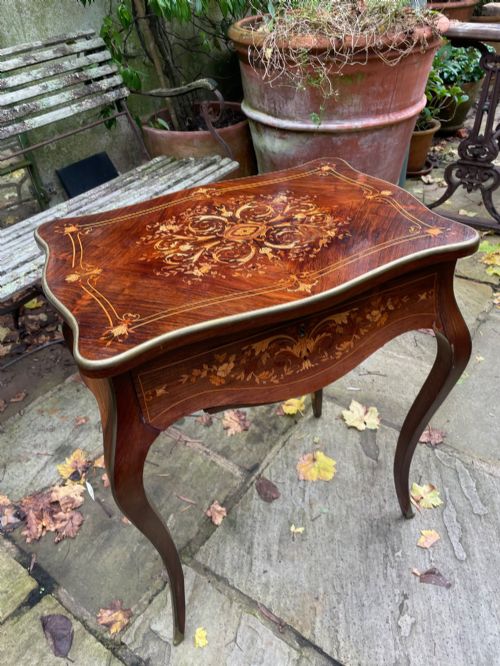
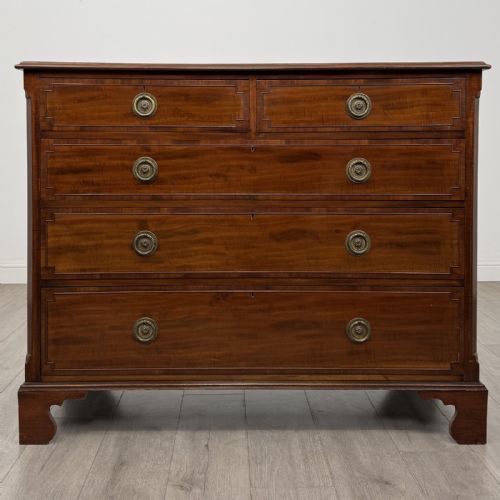
When you search for antique brass inlay furniture, you encounter sophisticated seating, games tables, and display pieces from the Georgian, Regency, and Napoleon III periods. These items combine polished timber surfaces with gleaming metallic details that catch the light.
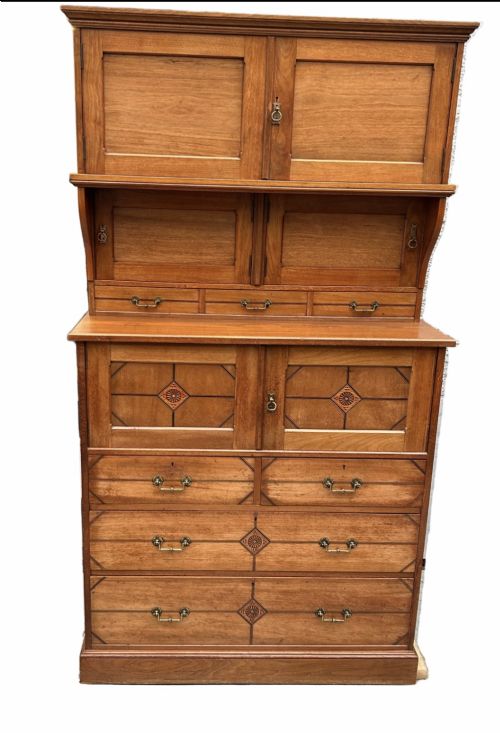
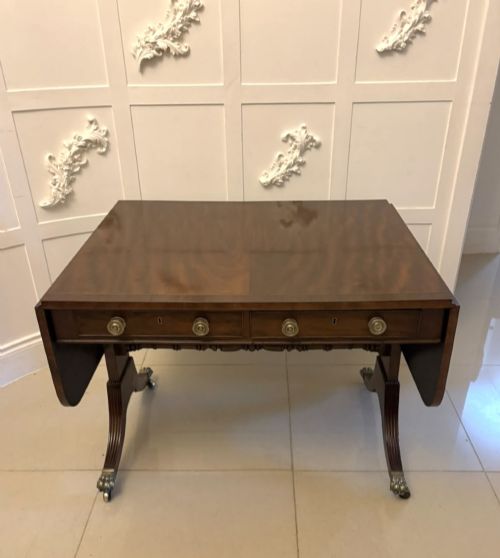
The pieces on this page include dining chairs, card tables, sofa tables, and side cabinets. They represent British and French craftsmanship spanning the eighteenth and nineteenth centuries.
You are most likely to meet Regency card tables and rosewood sofa tables alongside sets of dining chairs and French boulle cabinets. Each form demonstrates how makers integrated metalwork into functional household items.
How they were made
Craftsmen utilised rosewood, mahogany, and ebonised wood as the primary foundations for these pieces, often incorporating tortoiseshell and ormolu mounts. The timber surfaces provided a dark, rich background that made the metallic elements stand out clearly.
Brass was carefully cut and set flush into channels carved within the timber or tortoiseshell veneer. This method required precise hand-fitting to ensure the metal and wood formed a smooth, continuous plane.
Antique Brass Inlay Furniture Retail Price Guide 2026
Typical asking prices for brass inlay furniture among the pieces listed under this phrase on Sellingantiques today, from the lower quarter to the upper quarter. They describe what is for sale here now, not the wider market.
Listings feature items from the eighteenth and nineteenth centuries, including Georgian, Regency, and Napoleon III periods.
What varies in quality
Quality rests in the precision of the metal fitting and the selection of the primary timber. Tighter joints between the brass and the surrounding rosewood or ebonised wood indicate superior workshop standards.
The sophistication of the design and the preservation of secondary materials such as cane, upholstery, and ormolu distinguish standard production from exceptional work.
The Antique Brass Inlay Furniture Glossary
- Boulle
- A form of marquetry using brass and tortoiseshell developed in France and seen on Napoleon III cabinets. This technique creates a rich, patterned surface of contrasting metallic and organic tones.
- Ormolu
- Gilded bronze used for decorative mounts and accents on furniture. It adds a three-dimensional metallic highlight to the piece.
- Regency
- A style period spanning the early nineteenth century characterised by classical revival motifs and refined lines. Furniture from this era frequently employs brass inlay.
- Rosewood
- A dense, dark timber with distinct grain patterns utilised for high-end tables and cabinets. Its deep colour contrasts effectively with bright brass work.
- Ebonised wood
- Timber stained or treated to imitate ebony, providing a uniform black finish. This material creates a dramatic backdrop for inlaid brass designs.
Antique Brass Inlay Furniture: Frequently Asked Questions
What is antique brass inlay furniture?
It refers to tables, chairs, and cabinets decorated with brass lines or patterns set into the wooden surface. These pieces date primarily from the Georgian, Regency, and Napoleon III eras.
Makers used brass to highlight the natural grain of timbers like rosewood and mahogany. The result is a refined decorative item that combines woodworking with metalwork.
How do I care for brass inlay?
Keep the wood conditioned and clean the brass gently with a soft cloth to maintain its shine. Avoid excessive moisture and harsh chemical polishes.
Waxing the surrounding timber helps preserve the bond between the metal and the wood. Regular, gentle dusting prevents grime from settling into the fine channels around the inlay.
Where were these pieces made?
The pieces available originate from British and French workshops active during the eighteenth and nineteenth centuries. Regional stylistic preferences distinguished English Regency work from French Napoleon III designs.
English makers often favoured linear brass stringing on rosewood, while French craftsmen produced elaborate boulle cabinets utilising tortoiseshell and brass.
How do I identify a Regency table?
Regency tables typically feature classical proportions, dark timbers such as rosewood, and precise brass inlay work. They often take the form of card tables or sofa tables.
Examining the construction methods and the integration of the brass into the timber helps confirm the period. The presence of secondary materials like ormolu further supports the attribution.