



Antique Brass Charger
An antique brass charger is a substantial decorative metal dish that brings texture and historic weight to a wall or table.
Antique Brass Charger
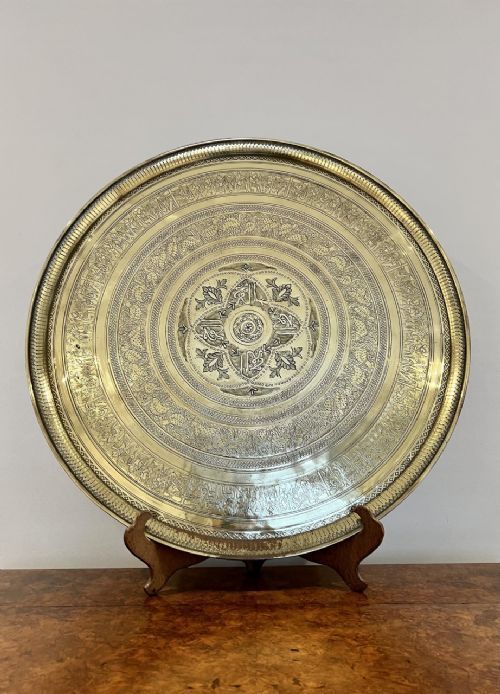
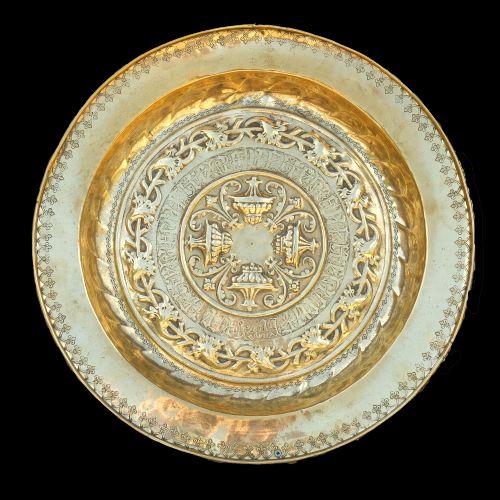
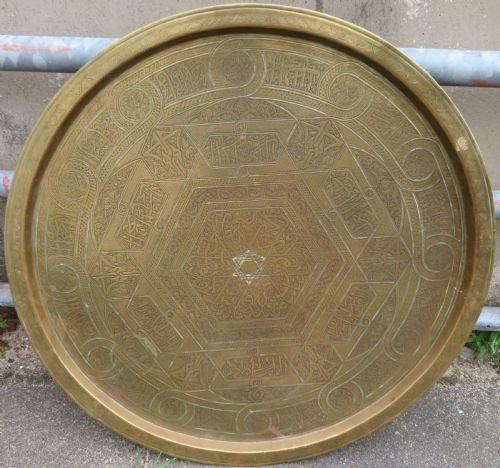
An antique brass charger is a broad circular vessel designed primarily for display rather than domestic service. Pieces matching this phrase span the nineteenth century, including examples dated between eighteen sixty and eighteen ninety.
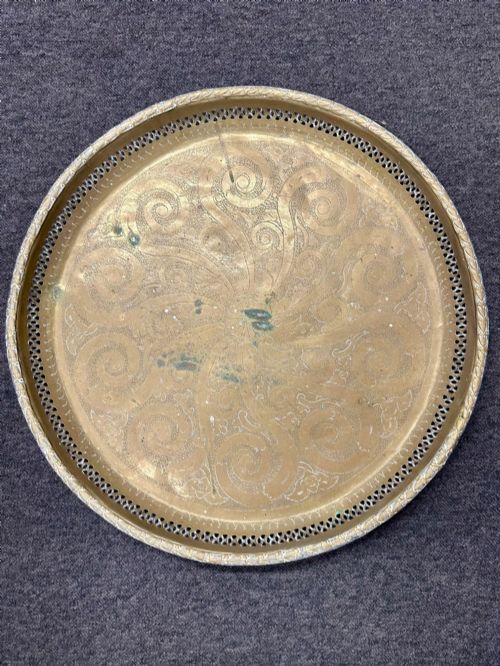
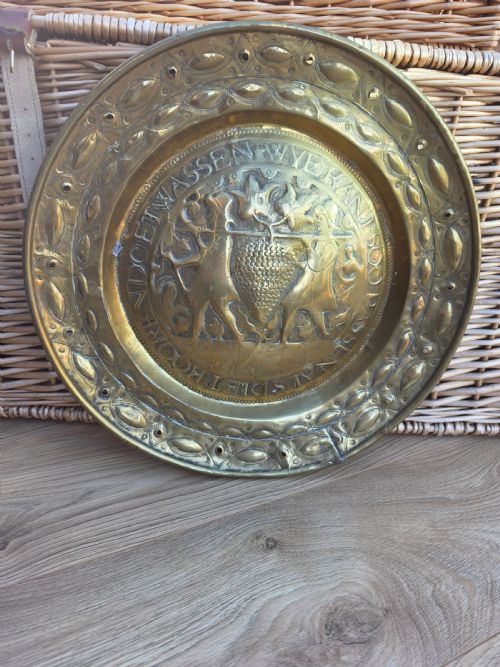
The forms found in this category range from large wall chargers and platters to trays that sit upon stands. Stylistic influences extend across Anglo-Indian and Neoclassical traditions, bringing varied decorative vocabularies to the basic circular form.
Buyers encounter objects catalogued under headings such as decorative dishes and trays, often notable for their considerable scale. These items function equally as wall plates or as surface focal points in traditional and eclectic interiors.
How They Were Made
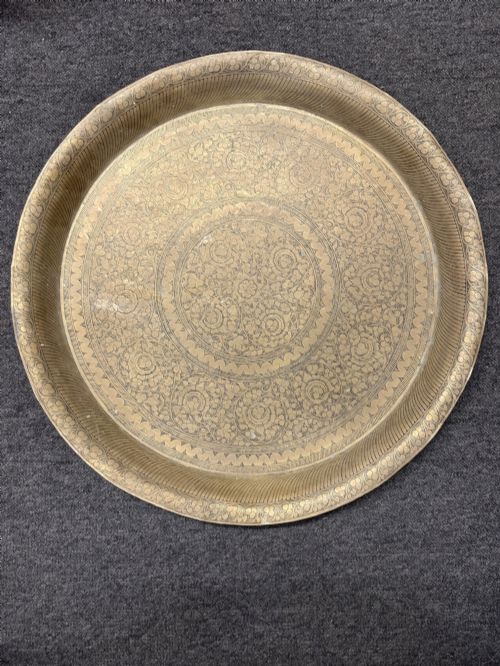
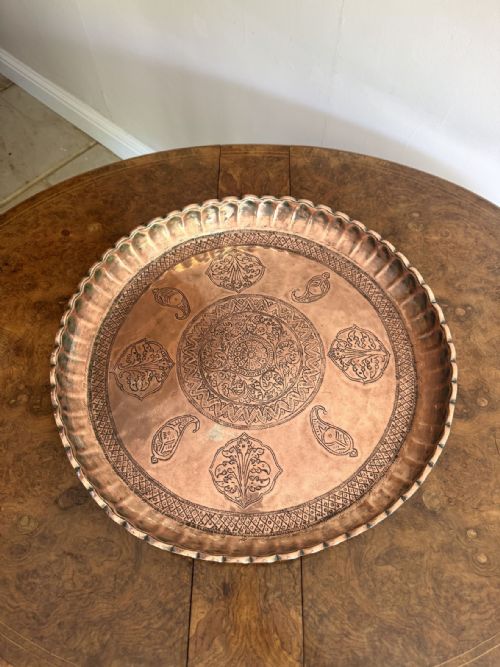
The construction of these pieces relies on base metals such as brass, bronze, and copper, occasionally combined as mixed metal work. Artisans utilised techniques including heavy engraving and repoussé to build intricate surface patterns across the metal.
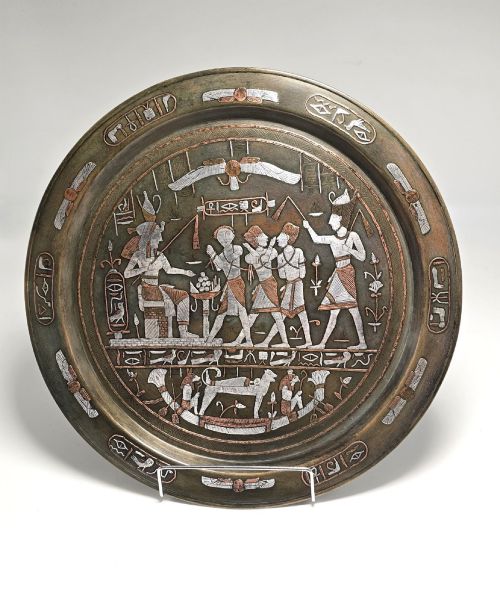
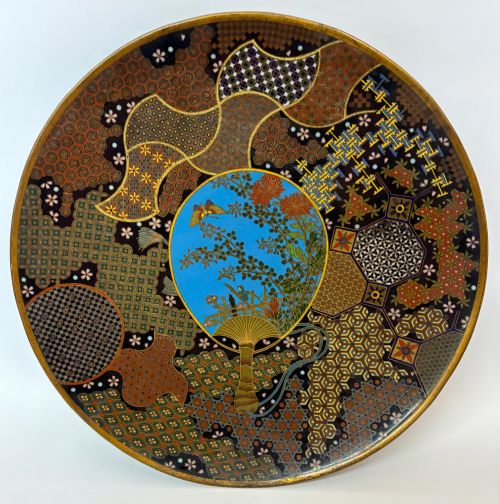
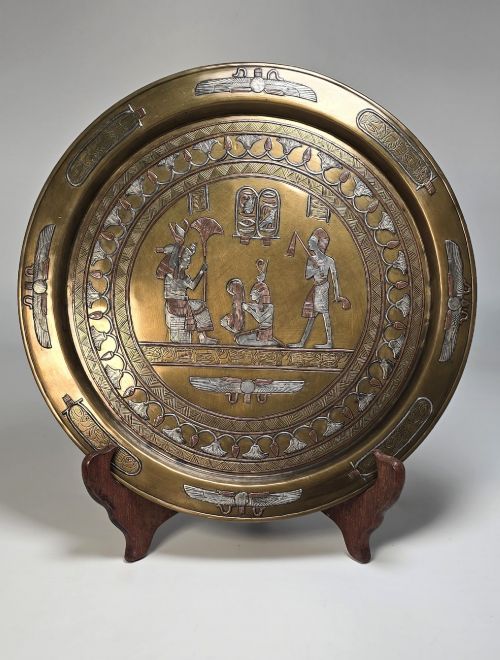
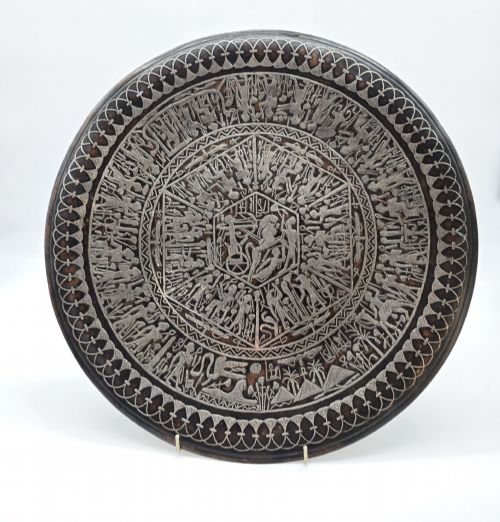
Certain eastern traditions incorporated multiple metals into a single surface, inlaying silver, copper, and brass to delineate figurative deities and astrological motifs. Heavy gauge brass formed the structural body of large wall chargers and trays, ensuring rigidity across wide diameters.
Antique Brass Charger Retail Price Guide 2026
Typical asking prices for brass charger among the pieces listed under this phrase on Sellingantiques today, from the lower quarter to the upper quarter. They describe what is for sale here now, not the wider market.
Materials recorded across the inventory include brass, bronze, copper, and mixed metal combinations.
What Varies in Quality
The distinction between ordinary and exceptional pieces rests upon the depth and precision of the surface decoration. Deeply hammered repoussé work and crisp, assured engraving separate ambitious artisan pieces from simpler production.
Material composition also dictates standing, with mixed metal examples and multi-coloured metal inlays commanding greater visual complexity than plain brass surfaces. Scale contributes to presence, with larger diameters and heavier gauges providing a more substantial architectural impact.
The Antique Brass Charger Glossary
- Charger
- A large ornamental dish or plate, typically exceeding ordinary dining dimensions and intended for display on walls or side tables.
- Repoussé
- A metalworking technique where the artisan hammers the metal from the reverse side to form a raised design in relief on the front.
- Mixed metal
- An umbrella term for objects combining different metallic elements like copper, brass, and bronze within a single decorative scheme.
- Neoclassical
- A revival style drawing inspiration from classical antiquity, often featuring formal symmetry and traditional motifs.
- Anglo-Indian
- A descriptive term for decorative items produced in India during the British period, blending local craftsmanship with European forms.
Antique Brass Charger: Frequently Asked Questions
How do I hang a heavy charger safely?
Large metal chargers require secure wall fixings distributed evenly to support their substantial weight. Utilising a specialised bracket that cradles the rim prevents any strain on the central metal body.
Ensure the fixing engages directly with wall studs or employs appropriate masonry anchors. Regular inspection of the hanging wire or clips guarantees long-term security.
Can I polish my antique brass charger?
Polishing antique brass depends entirely on personal taste regarding historic patination and surface age. Removing all tarnish reveals the bright golden metal underneath, but many collectors prefer to retain darker oxidation.
If cleaning is necessary, use a non-abrasive metal cleaner specifically formulated for brass. Avoid harsh scrubbing that might damage delicate hand engraving or repoussé work.
What is the difference between a tray and a charger?
While both share a wide circular format, chargers are primarily designed for visual display on walls or surfaces. Trays often feature integrated handles or a heavier functional structure intended for carrying items.
In antique pieces, the distinction frequently blurs as large decorative chargers were repurposed as coffee table tops on stands. The depth of the rim and the presence of carrying provisions usually clarify the primary design intent.
How do I identify Anglo-Indian metalwork?
Anglo-Indian pieces typically display dense, intricate surface decoration executed through repoussé hammering and fine chasing. Common motifs include zodiac symbols, traditional deities such as Shiva, and elaborate foliate scrolls.
The integration of mixed metals, including contrasting applications of copper and silver alloy details against a brass ground, points directly to this regional tradition.