

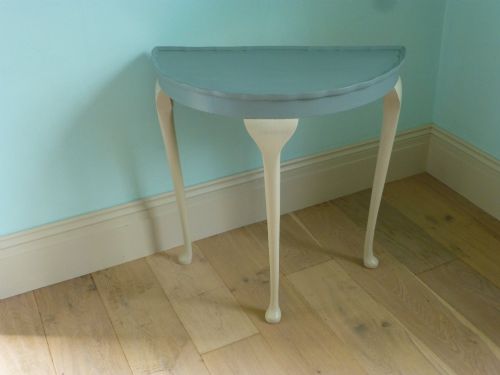




Antique Blue Accent Table
An antique blue accent table brings colour and history to a room, offering practical surface space through painted wood, porcelain and glazed ceramics.
Antique Blue Accent Table
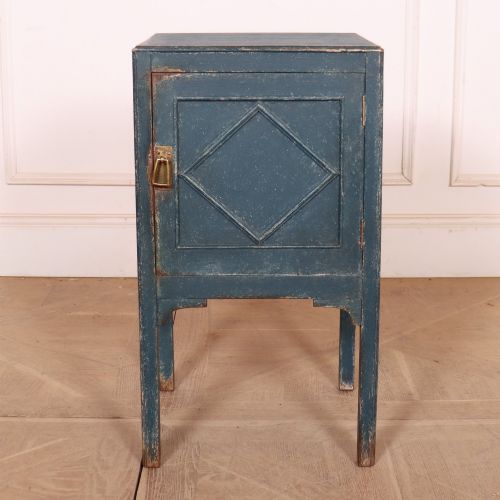
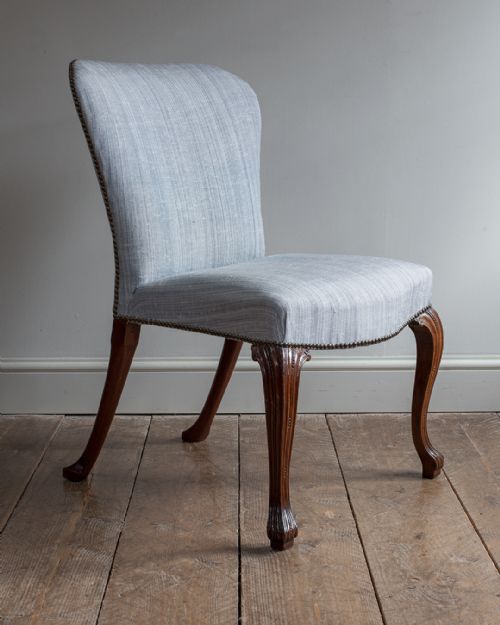
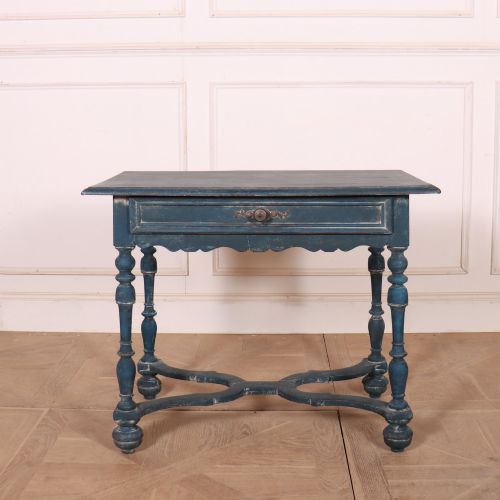
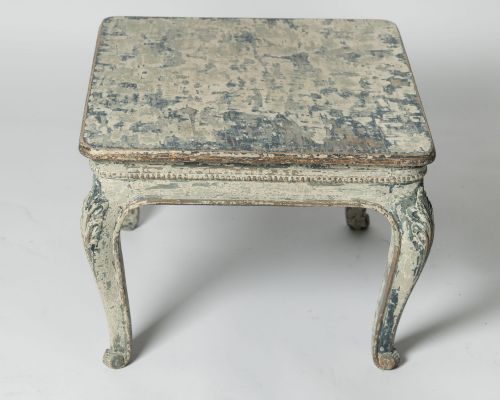
An antique blue accent table encompasses small occasional surfaces, side tables and lamp tables finished in blue paint, glaze or porcelain. These pieces appear across various forms including drop leaf tables, gueridons, cricket tables and wine tables.
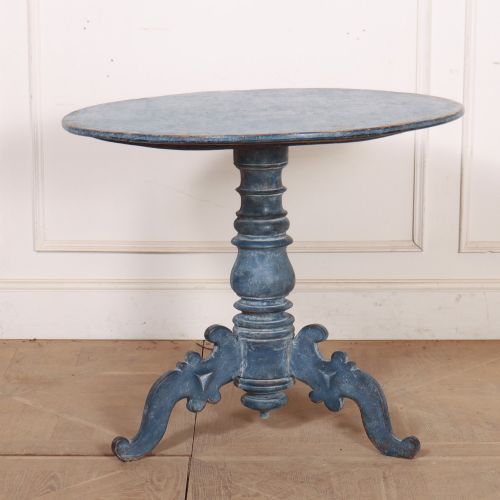
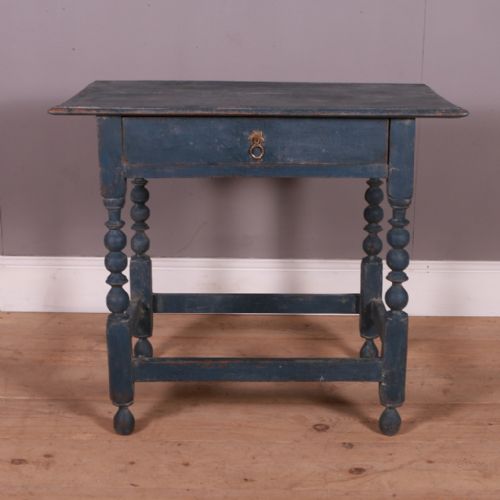
The selection ranges from 18th century examples through to the 20th century. Buyers frequently encounter painted pine side tables from Swedish country traditions alongside French provincial pieces and English country furniture.
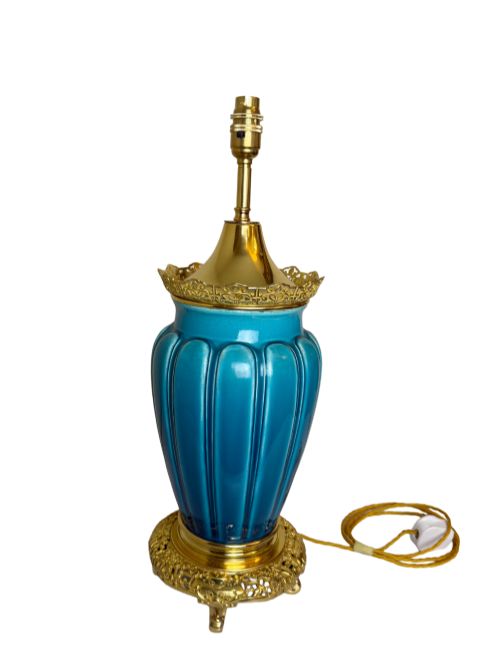
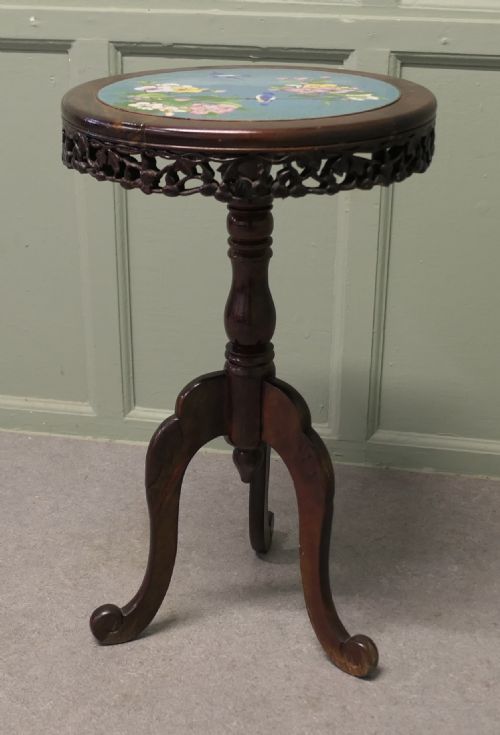
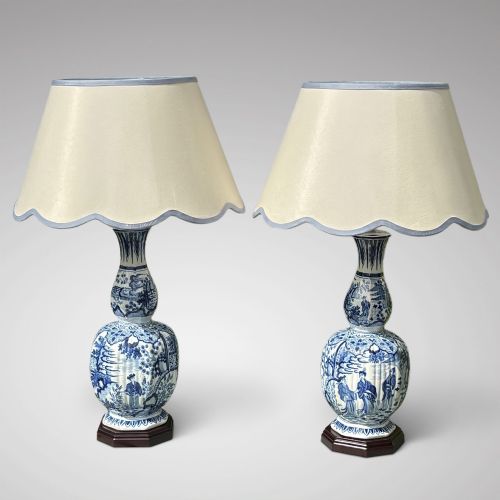
Alongside timber tables, this search brings together blue ceramic elements repurposed as lighting, including Delft vases, porcelain lamp bodies with gilt bronze trim, and cloisonné wine tables.
How they were made
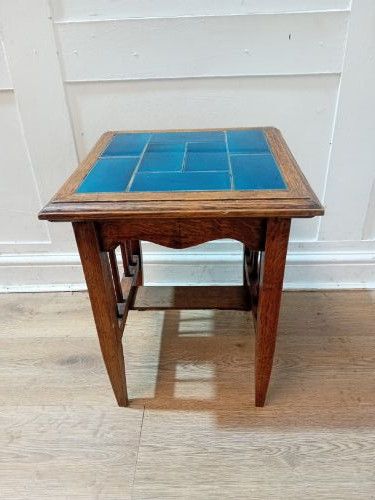
Construction relies primarily on timber such as pine and oak, shaped into side tables, occasional tables and drop leaf formats. Carpenters utilised traditional joinery suited to regional workshop practices.
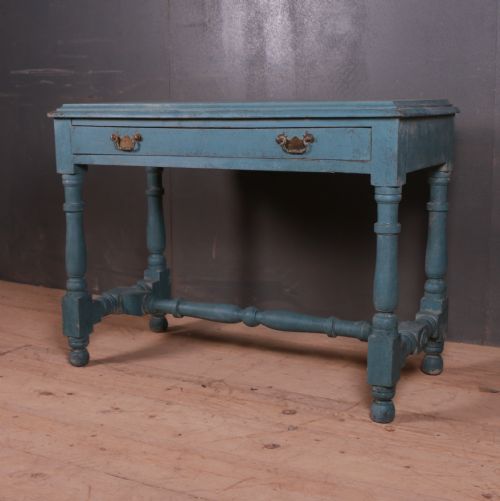
Surface decoration involves applied paint finishes, notably in Swedish and English country pieces, creating layered blue colourways. Other examples incorporate marble tops, brass mounts, ormolu trim and gilt bronze details.
Ceramic components utilise high-fired clay, porcelain, and glazed earthenware, sometimes mounted with metalwork or converted later for electrical fittings.
Antique Blue Accent Table Retail Price Guide 2026
Typical asking prices for blue accent table among the pieces listed under this phrase on Sellingantiques today, from the lower quarter to the upper quarter. They describe what is for sale here now, not the wider market.
Listings include painted wood, marble, brass, and gilt bronze across side tables, occasional tables, and converted porcelain vases.
What varies in quality
The integrity of the original surface finish distinguishes standard utilitarian pieces from finer decorative works. Painted surfaces show varying degrees of patination, brushwork control, and pigment depth.
Structural refinement marks the difference between simple vernacular items and pieces following formal design traditions. Proportions, stability, and the quality of secondary materials such as marble inserts or bronze mounts indicate workshop standards.
The Antique Blue Accent Table Glossary
- Gueridon
- A small occasional table, often circular, originating in France during the seventeenth century. These tables frequently feature marble tops and decorative painted surfaces.
- Cricket table
- A small, light three-legged table with a round top, common in English country houses. The design provides stability on uneven floors.
- Drop leaf table
- A table with fixed centre sections and hinged flaps that fold down when not in use. This form maximises utility in smaller spaces.
- Ormolu
- Gilded bronze applied to furniture mounts and lamp bases, popular in French decorative arts. The technique adds metallic contrast to painted and ceramic bodies.
- Delft
- Tin-glazed earthenware produced in workshops in the Netherlands and England, known for blue and white decoration. Pieces often feature floral or figurative motifs.
Antique Blue Accent Table: Frequently Asked Questions
How are these blue tables used in a room?
These small tables function as side tables, bedside surfaces, or lamp stands, providing a functional surface while introducing a distinct splash of blue colour.
Their compact scale allows them to fit easily beside seating or in hallways without dominating the floor plan.
What periods do these pieces come from?
The selection spans from the eighteenth century through the nineteenth century and into the early twentieth century. Pieces reflect diverse regional styles including Swedish country, French provincial, and English vernacular.
Dating relies on construction methods, timber choice, and the style of the paint or decorative finish.
Are the lamp tables originally built for lighting?
Many lamp tables combine antique wooden bases with ceramic lamp bodies or feature vases and figures converted to electricity at a later date. Some incorporate original porcelain or metal elements designed specifically for illumination.
Table lamps often pair blue glazed porcelain with gilt bronze or brass mounts.
How do I identify Swedish painted furniture?
Swedish painted pieces often feature lighter blue pigments, pine construction, and simplified country styling developed during the eighteenth and nineteenth centuries. The painted surfaces show distinct patination acquired through decades of domestic use.
Forms remain functional, encompassing side tables, lamp tables, and occasional tables.