



Eighteenth Century Console Table
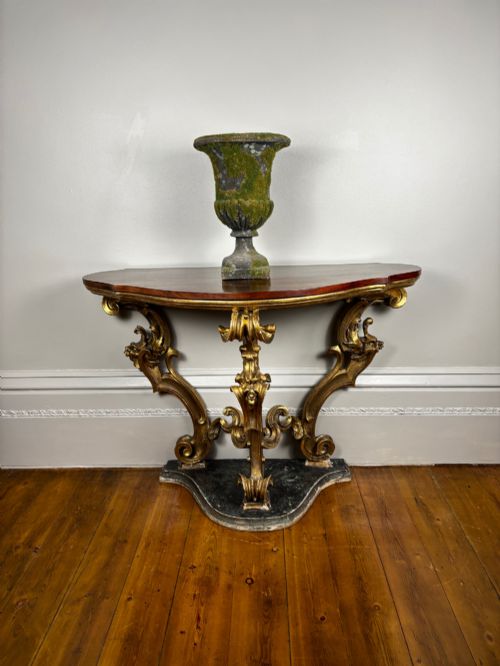
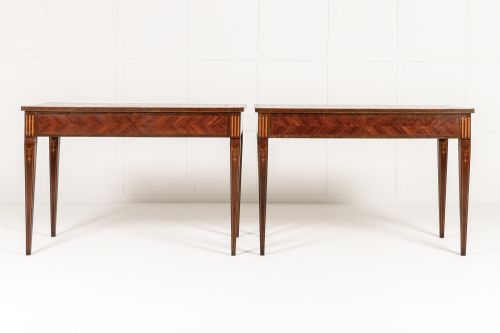
An eighteenth century console table brings classical elegance to a hallway or reception room with its slender proportions and decorative surface.
What eighteenth century console tables are
The search phrase eighteenth century console table covers substantial architectural furniture designed to stand against a wall, frequently paired with a matching mirror. Surviving examples include pieces from the eighteenth century as well as nineteenth century interpretations reflecting earlier taste.
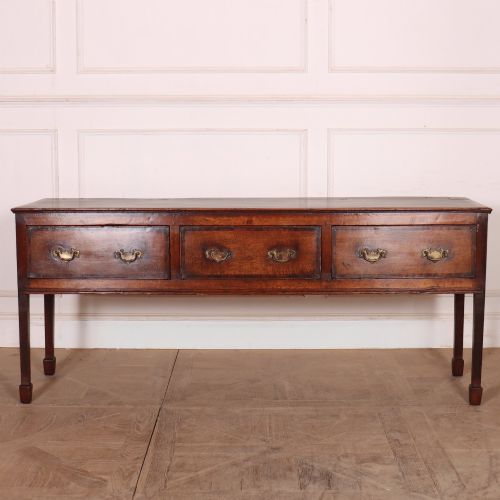
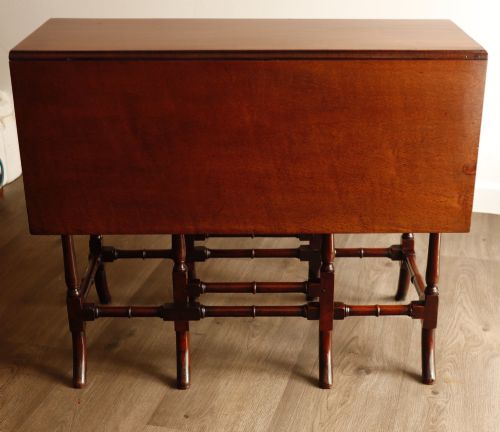
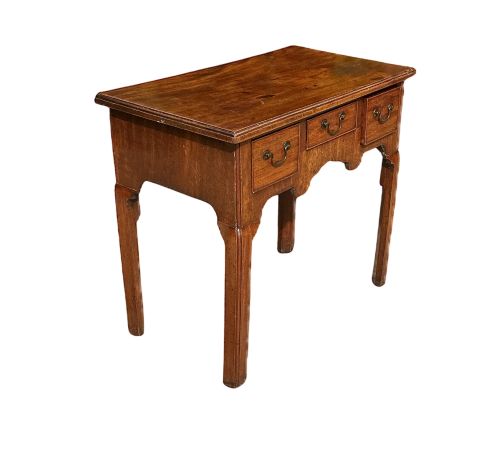
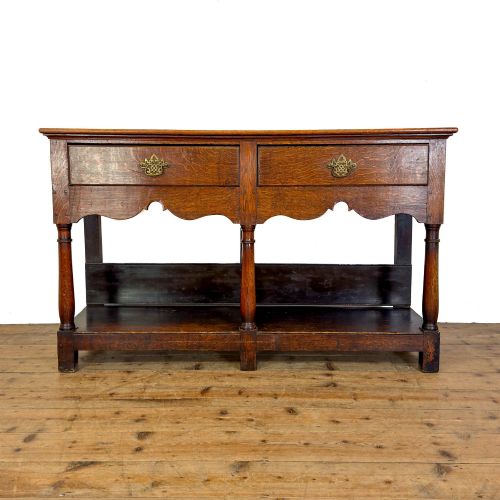
The forms on this page range from Italian painted consoles to George III mahogany side tables and Chinese Chippendale card tables. Makers utilised demi-lune shapes and rectilinear formats to fit varied domestic interiors.
Buyers encounter console tables, side tables, occasional tables and tea tables within this grouping. Materials span mahogany, painted wood, and gilt finishes with marble tops.
How they were made
Cabinet makers constructed these tables primarily from mahogany and softwood, applying wood veneer and boxwood inlay to create decorative surface patterns. Carved wood details require skilled hand tool work across legs and aprons.
Surfaces often feature hand applied paint or gilt finishes, while some examples incorporate inset marble tops. Brass hardware and structural elements appear on opening card and tea tables.
Retail Price Guide 2026
Typical UK retail prices for eighteenth century console table, calculated from the Sellingantiques database of over a million retail prices indexed since 2003. This retail price guide relies exclusively on Sellingantiques data; no external sources or auction records are used, so the figures do not describe the wider market.
Some tables double as card tables, ready to host an impromptu evening of whist at a moment's notice.
What varies in quality
Quality depends upon the precision of the cabinet work, from the depth and sharpness of carved wood details to the crispness of boxwood inlay. Finer examples display harmonious proportions and sophisticated painted or gilt decoration.
The choice of primary timber and secondary framing woods indicates the standing of the workshop. Superior pieces retain their original surface treatments and structural integrity without heavy restoration.
The Eighteenth Century Console Table Glossary
- Demi-lune
- A half-moon shape used frequently for the tops and frames of smaller tables designed to stand flush against a wall.
- Boxwood inlay
- Contrasting pale wood inserted into dark timber veneers to create geometric borders or decorative motifs.
- Gilt
- A thin layer of gold leaf applied to carved wood surfaces to provide a brilliant decorative finish.
- Card table
- A folding table featuring a baize lined interior specifically built for card playing.
- Hepplewhite
- A classical style associated with the late eighteenth century characterised by elegant, light proportions and restrained ornamentation.
Frequently Asked Questions
Where should a console table go?
These tables traditionally stand against a flat wall in a hallway, reception room or dining space where floor space is limited. Their shallow depth allows them to sit comfortably behind seating or beneath wall mirrors without obstructing pathways.
Placing one in an entrance provides a convenient surface for incoming post and decorative objects, establishing an immediate focal point upon entering a room.
How do I identify a George III table?
George III pieces typically display robust mahogany construction, refined proportions, and classical decorative vocabulary influenced by cabinet makers of the period. Look for characteristics such as boxwood inlay, carved wood details, and precise joinery.
Comparing the structural framing and secondary timbers helps distinguish pieces made during the Georgian era from later nineteenth century interpretations.
Are these tables solid mahogany?
Many eighteenth and nineteenth century tables utilise solid timber for structural legs and frames, while tabletops and aprons frequently employ mahogany veneer over a stable secondary wood core. This technique prevented warping across wide expanses.
Examining the grain patterns on the surfaces reveals whether the maker relied on solid boards or decorative veneer over constructive carcase woods.