

Inlaid Mahogany Console
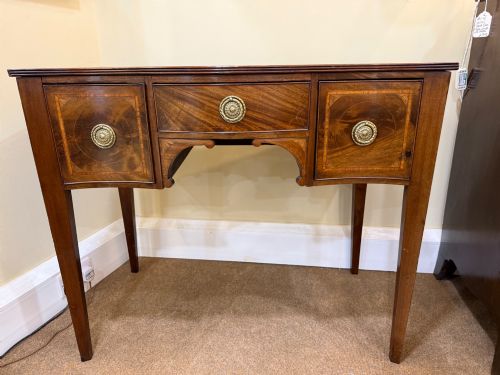
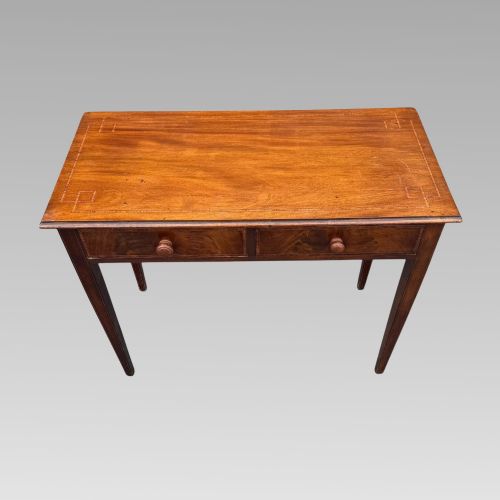
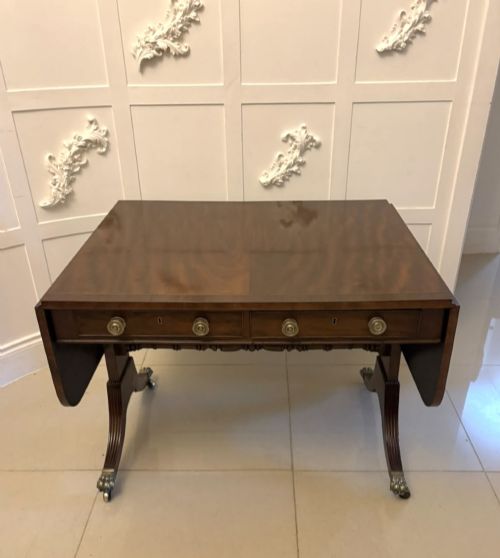
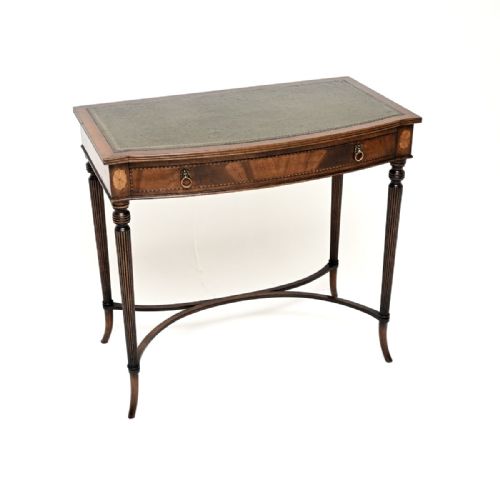
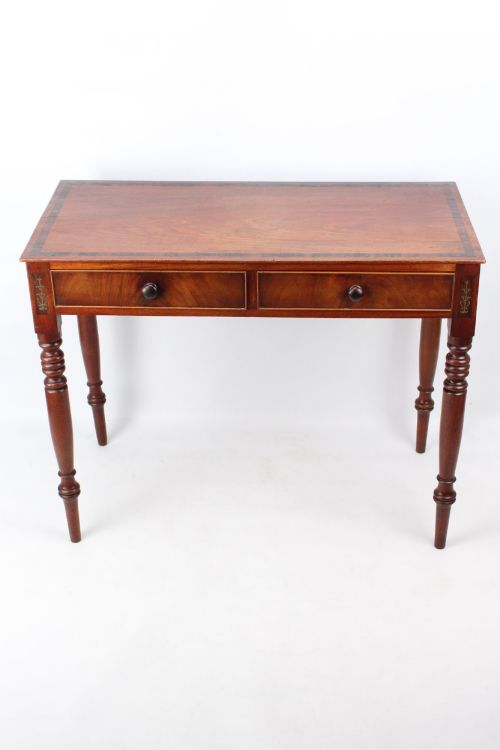
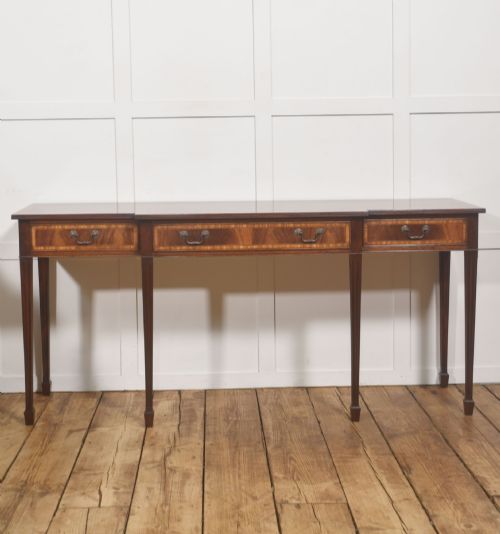
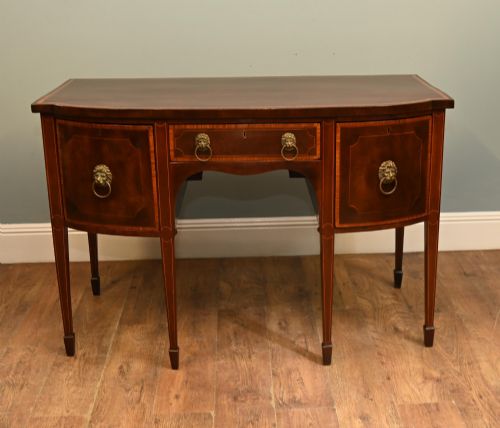
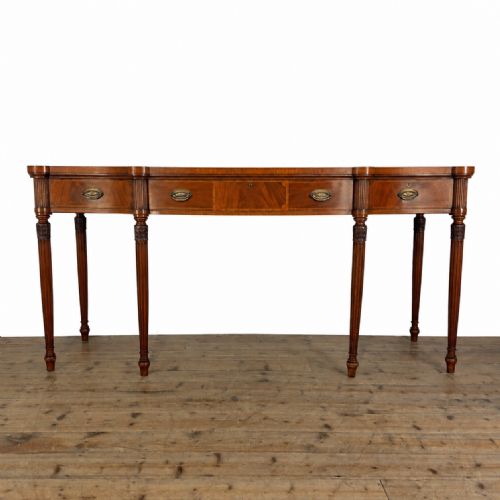
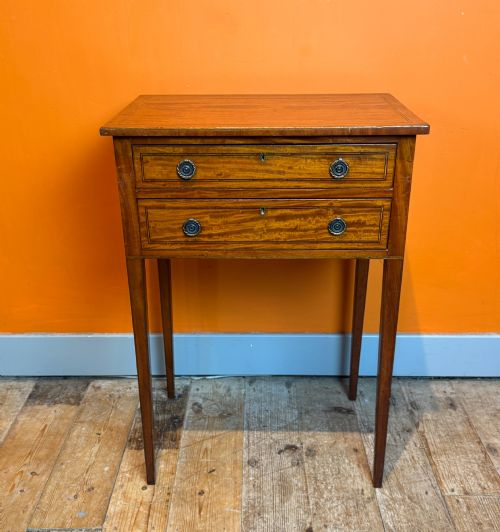
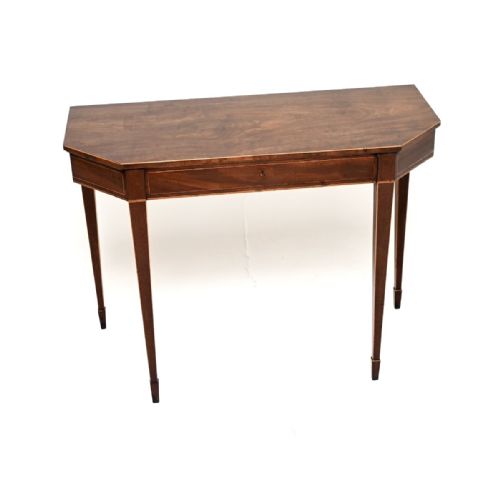
When you search for an inlaid mahogany console, you are looking at timber furniture formed with contrasting wood borders and panels for wall placement.
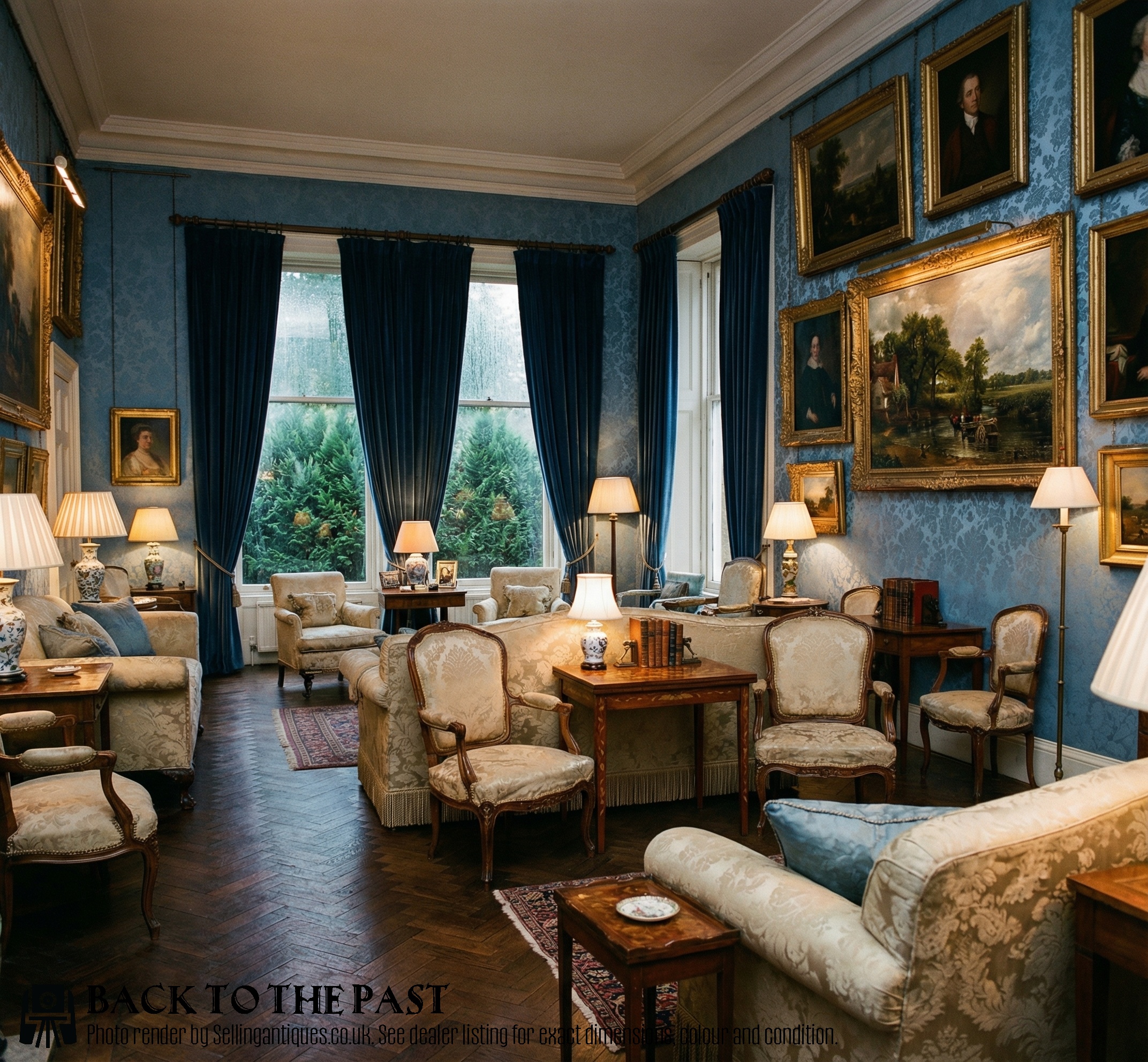
Inlaid Mahogany Console
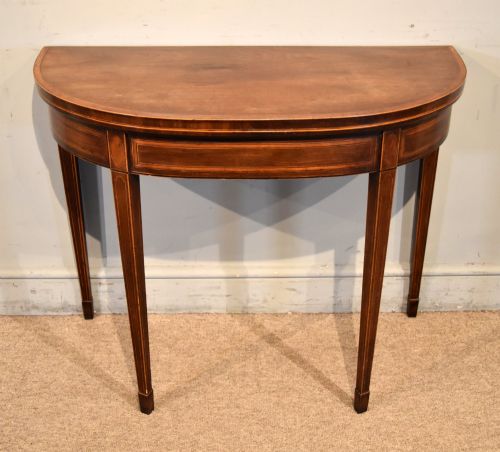
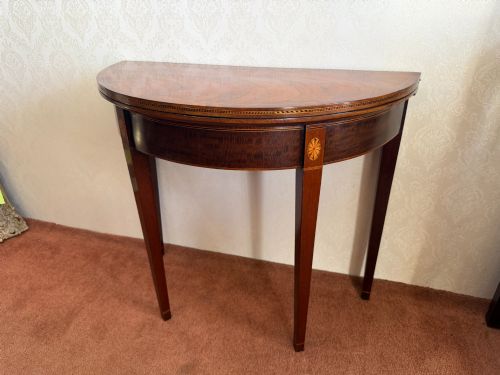
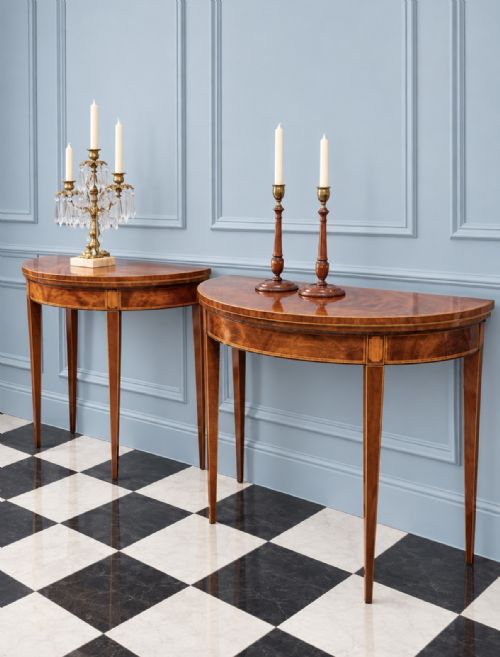
The inlaid mahogany console appears frequently in demi-lune, rectangular, and fold-over formats designed to stand against a wall or open for card games and tea.
Surviving examples span the Georgian, Regency, and Edwardian periods, alongside later Victorian interpretations.
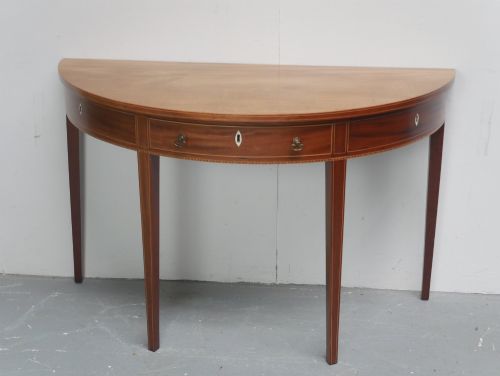
The half-round or demi-lune shape dominates the selection, often functioning as a side table or combining card table mechanisms within the same frame.
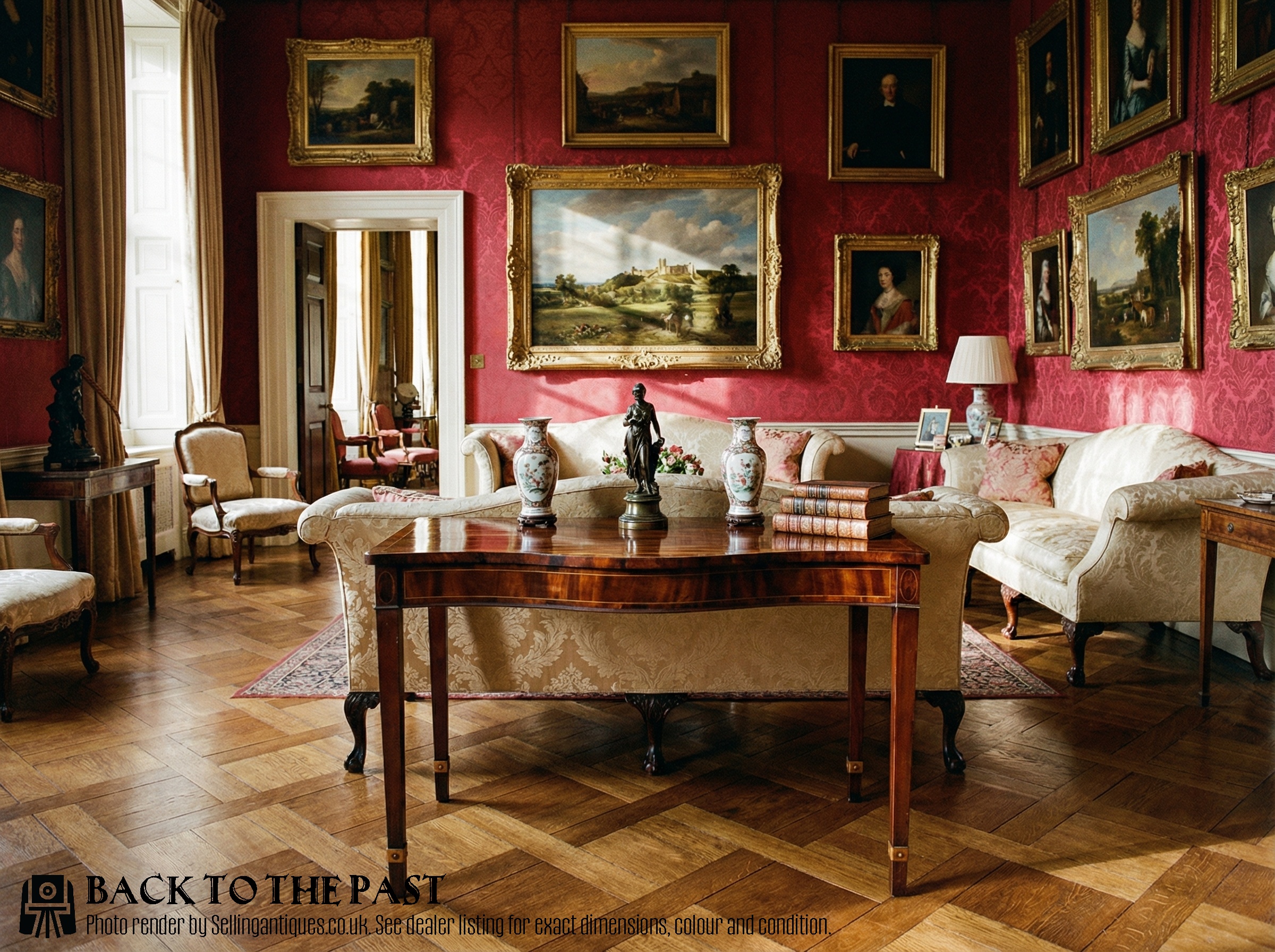
Materials and Construction
Cabinet makers utilised solid mahogany and polished veneers over secondary timbers, enriched with contrasting stringing and banding.
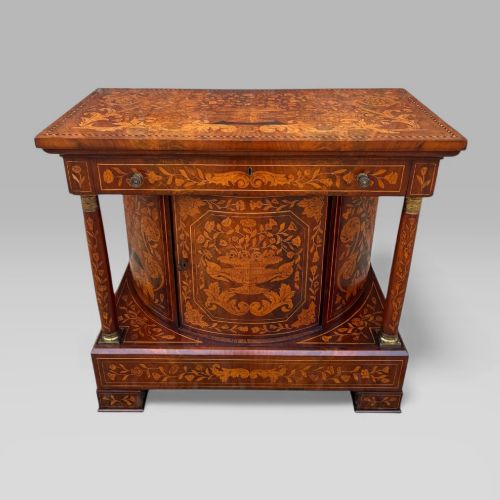
Inlay work incorporates satinwood, boxwood, and fruitwood to create geometric borders, floral swags, or Dutch marquetry scenes.
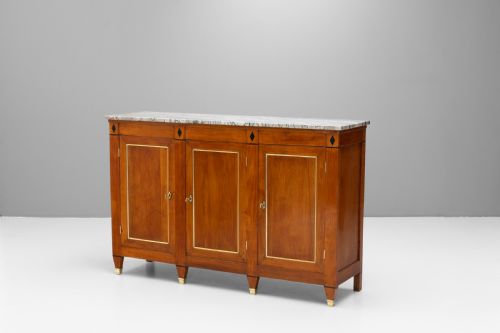
Selected pieces integrate cast brass mounts, brass stringing inlaid directly into the timber, or white marble tops.
Inlaid Mahogany Console Retail Price Guide 2026
Typical asking prices for inlaid mahogany console among the pieces listed under this phrase on Sellingantiques today, from the lower quarter to the upper quarter. They describe what is for sale here now, not the wider market.
Some console tables hide secret compartments inside their folding frames for storing candle sticks and playing cards.
Assessing the Pieces
Quality rests on the depth of the mahogany grain figure, the precision of the contrasting inlay lines, and the tightness of the joinery at the hinges and legs.
Superior examples display balanced proportions, crisp floral or linear marquetry, and original brass hardware without replacement timber patches.
Plain secondary woods or crude timber repairs lower the standing of a piece within the historical range.
Bruce & Burns of Edinburgh·Lamb of Manchester
The Inlaid Mahogany Console Glossary
- Demi-lune
- A half-moon shape used for console tables and card tables designed to stand flat against a wall. This format allows the top to fold open on hinges into a full circle for dining or gaming.
- Marquetry
- Pictorial veneer work assembled from various coloured woods to form floral or figurative scenes. Artisans cut these patterns into the surface ground rather than simple linear stringing.
- Stringing
- Thin strips of contrasting light wood, such as boxwood or satinwood, inlaid into channels cut into the dark mahogany surface. It creates geometric borders around edges and drawer fronts.
- Crossbanding
- A strip of veneer laid across the grain direction of the main panel, usually framing the perimeter of a top. This technique creates a contrasting border effect using the same timber family.
- D-end
- A table end shaped like a capital letter D, which functions individually as a console or joins with matching sections to form a dining table.
Inlaid Mahogany Console: Frequently Asked Questions
What is a console table used for?
These tables traditionally stood against drawing room walls to display decorative objects, porcelain, or lamps.
Many versions also feature folding tops that open to serve tea or accommodate card games when guests arrived.
How do I date an inlaid mahogany console?
Dating relies on observing the leg architecture, timber thickness, and inlay motifs relative to known historical periods.
Georgian and Regency pieces display hand-cut dovetails and specific brass mounts, while Edwardian items show lighter internal framing and machine-sawn elements.
Are these tables sturdy enough for daily use?
Tables built with folding mechanisms require careful handling when pivoting the top or pulling out the rear supporting leg.
Solid mahogany construction provides robust everyday stability once placed in a stable room environment away from direct heat sources.
What is the difference between a side table and a console?
Console tables historically referenced pieces designed specifically to anchor against a wall, sometimes with structural wall fixings.
Side table serves as a broader category for any smaller occasional table placed against room perimeters.