


Eighteenth Century Tea Table
An eighteenth century tea table brings period proportion and folding top timberwork to a formal reception space.
Eighteenth Century Tea Table
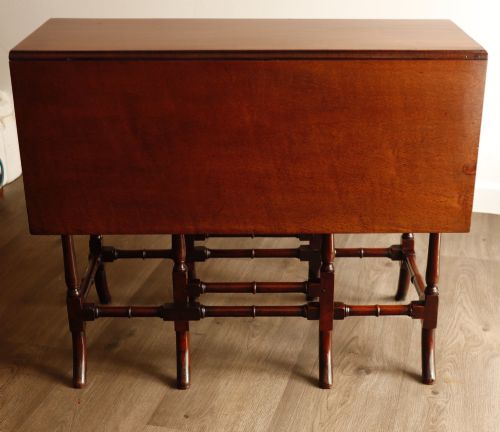
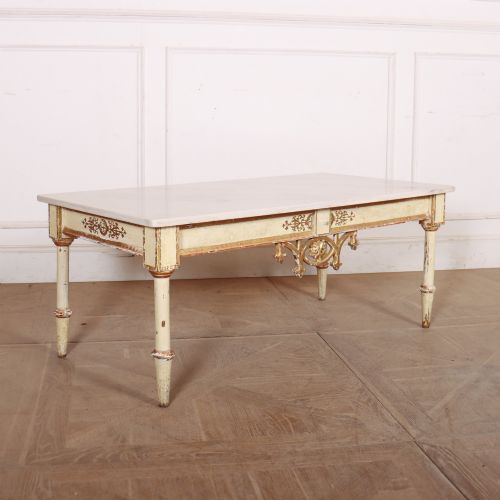
An eighteenth century tea table typically takes the form of a fold-over top or demi-lune timber surface designed for social entertaining during the Georgian period. These pieces frequently appear in mahogany, oak, or walnut, sometimes featuring inlaid details or tripod bases suited for domestic display.
Buyers encountering this selection will find formats ranging from simple tilt-top occasional pieces to elaborate George III card tables and Pembroke variations. Regional iterations such as Scottish rosewood or Irish mahogany examples also surface alongside later revival interpretations.
The primary function centres upon serving social gatherings, expanding via hinged leaves or folding tops when hospitality required additional surface area. Compact proportions allow these tables to function effectively as console or occasional furniture within modern interiors.
How they were made
Cabinetmakers utilised solid timbers and wood veneer over secondary woods, selecting dense materials like mahogany, oak, and walnut for structural integrity. Selected pieces incorporate decorative banding in boxwood or satinwood to delineate edges and tabletops.
Joinery techniques relied on mortise and tenon construction alongside clever hinging mechanisms for fold-over leaves and tilting mechanisms for tripod bases. Surface finishes were achieved through traditional polishing methods that enhanced the natural grain of the timber.
Eighteenth Century Tea Table Retail Price Guide 2026
Typical asking prices for eighteenth century tea table among the pieces listed under this phrase on Sellingantiques today, from the lower quarter to the upper quarter. They describe what is for sale here now, not the wider market.
Object forms span Pembroke tables, demi-lune folding tops, tilt-top occasional tables, and games surfaces with counter wells.
What varies in quality
The distinction between standard cabinetwork and exceptional craftsmanship rests in the choice of timber figure, such as dense Cuban mahogany or finely matched veneers. Superior examples display crisp carving on tripod legs, precise inlay work, and balanced proportions that reflect period design canons.
Structural refinement shows in the smoothness of folding mechanisms, the tightness of joints, and the preservation of original timber patination over centuries of use.
The Eighteenth Century Tea Table Glossary
- Demi-lune
- A half-moon shaped furniture form popular for tables designed to sit flush against a wall when closed. These fold open to reveal a full circular surface for tea or card playing.
- Tilt-top
- A tabletop mounted on a pivoting mechanism supported by a central pillar and tripod legs, allowing the surface to tip vertically when not in use.
- Pembroke table
- A rectangular drop-leaf table featuring hinged flaps on either side and usually a single drawer, named after the Countess of Pembroke.
- Pie crust edge
- A carved raised tabletop border shaped in undulating curves resembling pastry work, commonly found on Georgian tripod tables.
Eighteenth Century Tea Table: Frequently Asked Questions
How do I use an eighteenth century tea table today?
These tables function well as console surfaces in hallways or unfolded as side tables in living spaces. Their historic proportions suit compact modern rooms.
Leaving the top folded preserves the timber surface while providing a practical ledge for lamps or decorative objects.
What is the difference between a tea table and a card table?
Tea tables generally provided a flat surface for serving tea, while card tables frequently incorporate baize-lined interiors and corner counter wells for gaming.
Both types often utilise the same fold-over mechanism, making their exterior appearance quite similar when closed.
How do I recognise a George III period piece?
George III pieces typically display characteristic timber choices such as rich mahogany or figured satinwood, paired with restrained classical carving. Proportions remain balanced and elegant, adhering to the prevailing neoclassical or Chippendale design idioms of the era.
Construction details like hand-cut dovetails and traditional secondary woods help confirm the period origin.
Are tripod tea tables stable on modern floors?
Tripod bases with three splayed legs maintain natural stability on most uneven historic flooring surfaces by distributing weight across three distinct points.
Care should be taken when placing heavy objects near the outer edge of a tilted or swing-leg top to maintain equilibrium.