




Slender Leg Occasional Table
These slender leg occasional table examples offer refined small-scale surfaces for tea or display, combining neat proportions with period craftsmanship.
Slender Leg Occasional Table
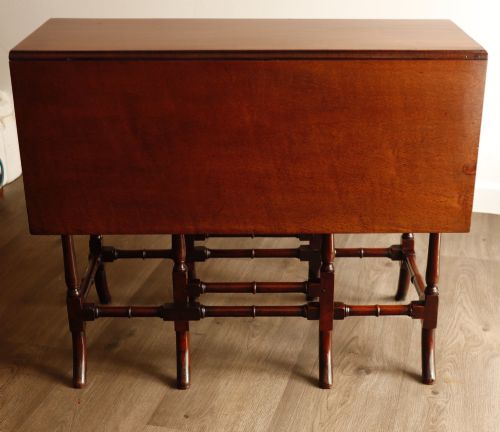
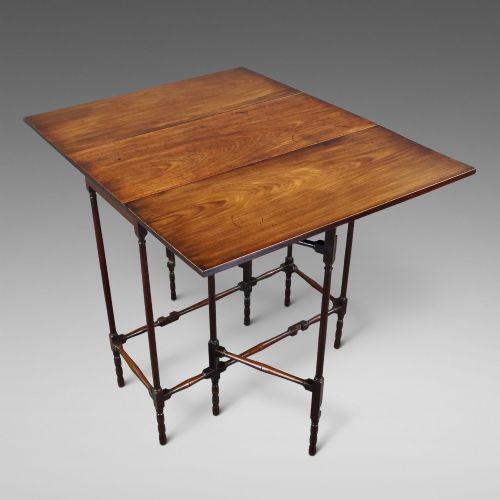
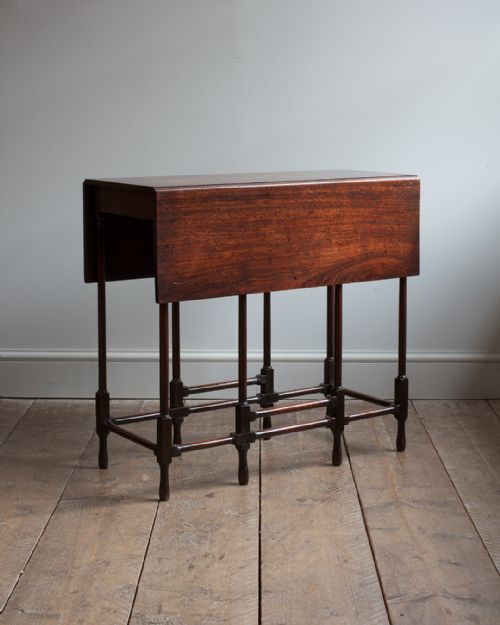
A slender leg occasional table provides a compact surface designed for utility and ease of movement around a room. These pieces appear most frequently in eighteenth-century mahogany, often taking the form of spider leg tables with drop flaps.
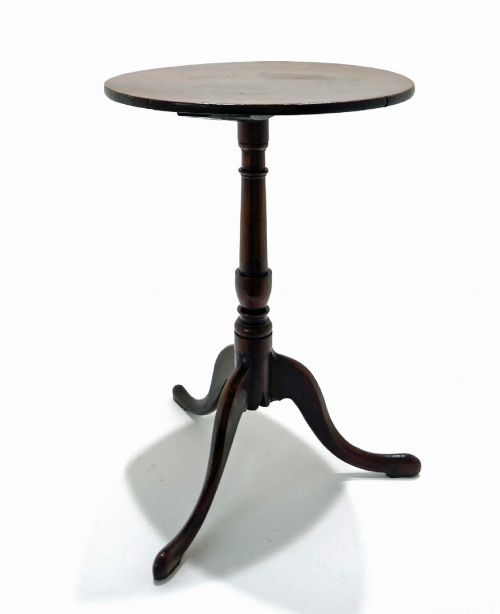
The selection here includes Georgian, George III, Sheraton, and Chippendale styles alongside later nineteenth-century and 1920s examples. Buyers encounter tripod tables with slender columns as well as drop-leaf tea tables and console tables.
Originating to serve tea or hold small objects without crowding a parlour, these tables balance delicacy of form with practical stability. The predominance of eighteenth-century mahogany items defines the core of this group.
How they were made
Cabinetmakers utilised dense timbers such as mahogany and oak to construct these delicate frames without sacrificing structural integrity. Satinwood, lacquer, and ebonised hardwood also appear, sometimes accented with gold leaf and brass fittings.
Joinery techniques focused on achieving narrow supports, particularly in spider leg designs where multiple slender turnings carry a drop-leaf top. Turning lathes shaped the thin columns and legs that define the silhouette of each piece.
Some tables feature so many spindly legs they resemble industrious wooden spiders scurrying across your parlour floor.
What varies in quality
The refinement of the turning on the legs and columns dictates much of the visual success of the piece. Crisp lines and well-proportioned stretchers separate superior examples from heavier, less balanced interpretations.
The selection of timber grain, particularly in mahogany and satinwood surfaces, influences the overall character. Original brass hardware and the crisp execution of decorative elements such as Chinoiserie lacquer elevate certain tables above standard utility pieces.
The Slender Leg Occasional Table Glossary
- Spider leg table
- A small drop-leaf table featuring numerous exceptionally slender turned legs connected by thin stretchers. This form folds compactly when not in use.
- Drop leaf table
- A table with a fixed central section and hinged flaps that fold down at the sides. It allows the surface area to expand or contract according to need.
- Tripod table
- A small occasional table supported by a single central pillar resting on three spreading feet. This design became popular during the eighteenth century.
- Console table
- A table designed to stand against a wall, frequently secured to it or resting on slender front supports. These often function as decorative side pieces in a hallway or drawing room.
- Chinoiserie
- European decorative art employing Chinese motifs and techniques, often executed in lacquer and gold leaf on furniture. It gained particular favour during the eighteenth century.
Slender Leg Occasional Table: Frequently Asked Questions
What is a spider leg table?
A spider leg table is a specific form of drop-leaf occasional table distinguished by its multitude of very thin, turned wooden supports. These slender legs provide surprising stability while maintaining an exceptionally light visual footprint.
Craftsmen designed them to be easily moved and folded away when floor space was required for other activities in the home.
How were these tables used?
These pieces served primarily for tea service, reading materials, or displaying decorative objects in domestic interiors. Their small scale allowed servants or residents to reposition them easily beside chairs or against walls.
Over time, their utility expanded from functional tea tables to decorative accents placed in drawing rooms and parlours.
How do I date an 18th-century table?
Dating relies upon observing timber characteristics, construction methods, and stylistic conventions associated with periods like the Georgian era or Chippendale designs. Examining the wear patterns and secondary woods provides further clues to age.
Cabinetmakers of the eighteenth century employed specific turning profiles and joinery that evolved distinctly from later nineteenth-century manufacturing.
Where should I place an occasional table?
An occasional table suits small nooks, beside seating arrangements, or against hallway walls where a full-sized piece would obstruct movement. Their compact proportions allow them to fit into dead spaces while offering a useful surface.
Pairing a drop-leaf or console version with appropriate clearance ensures the piece remains both functional and visually balanced in the room.