




Antique Black Side Table
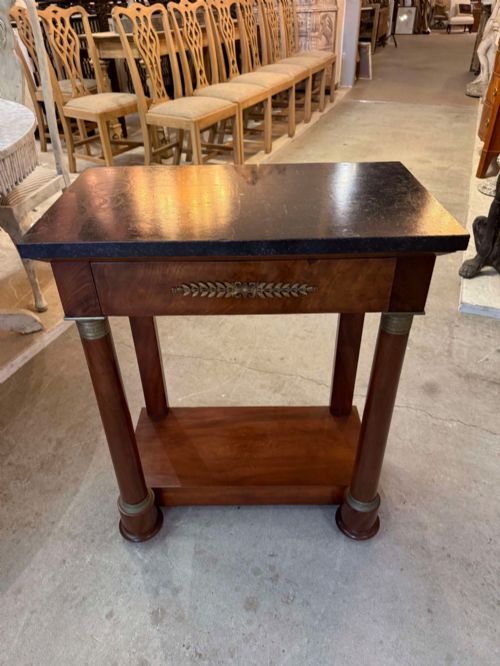
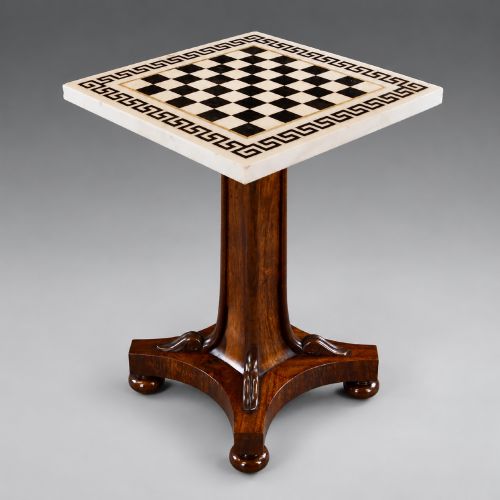
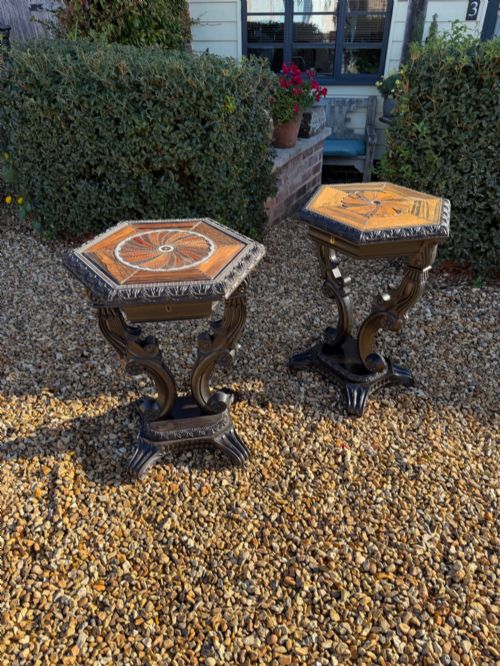
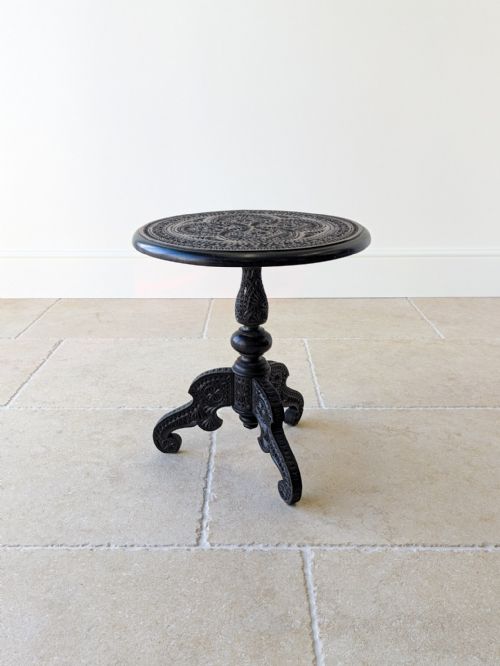
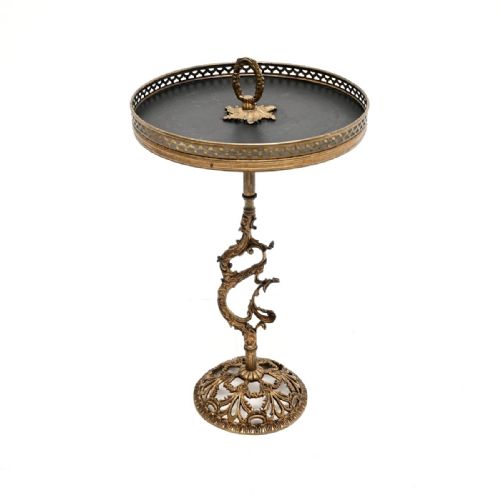
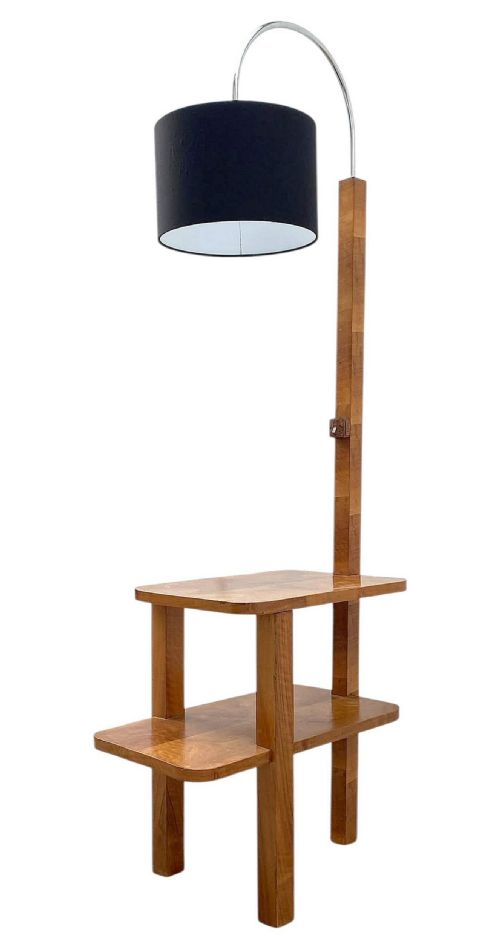
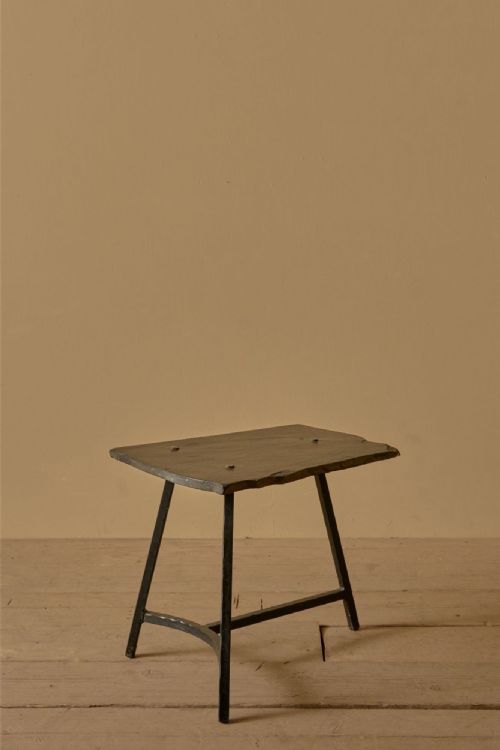
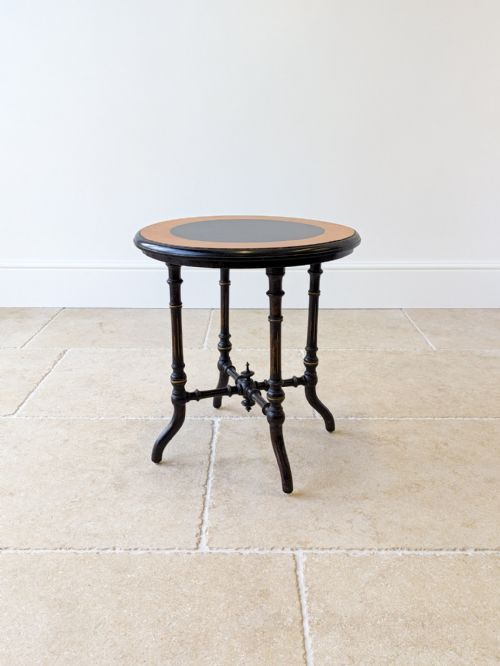
These antique black side table pieces are dark-finished occasional and centre tables built across the nineteenth and twentieth centuries.
Antique Black Side Table
An antique black side table brings deep finishes and dark surfaces into a room, serving as an occasional, lamp, or centre table. These pieces span the nineteenth century, including Regency, Victorian, and Aesthetic Movement eras, alongside later twentieth century items.
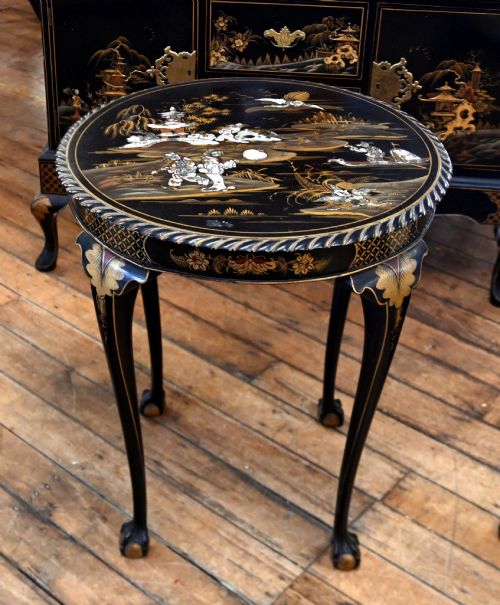
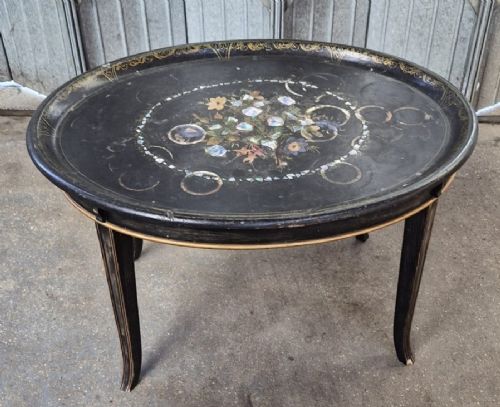
Most examples found here utilise ebonised wood or black lacquer. Forms range from simple square tables and two-tier occasional pieces to dropleaf lamp tables and elaborate gilt-highlighted centre tables.
Origins stretch across British, French, Swiss, and Chinese workshops. Buyers encounter everything from British Aesthetic Movement designs to Swiss Black Forest carvings and Chinese lacquer work.
How they were made
Maker methods rely heavily on ebonised hardwood, walnut, beech, and general hardwood carcasses treated with black finishes. Many surfaces combine deep ebonisation with parcel gilt, brass mounts, or hand-painted details.
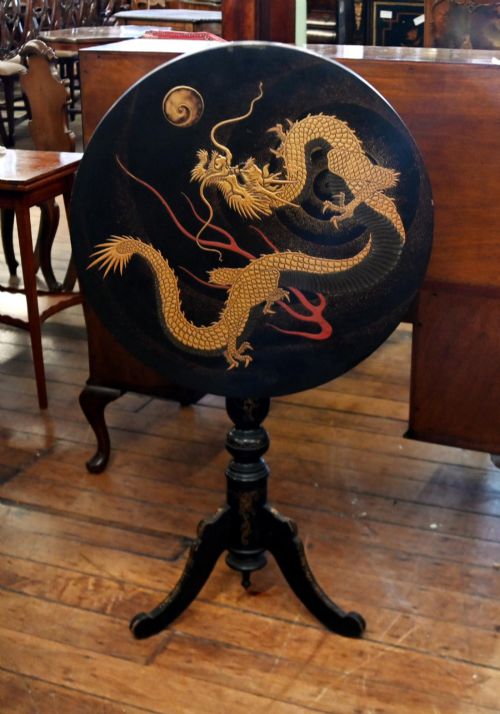
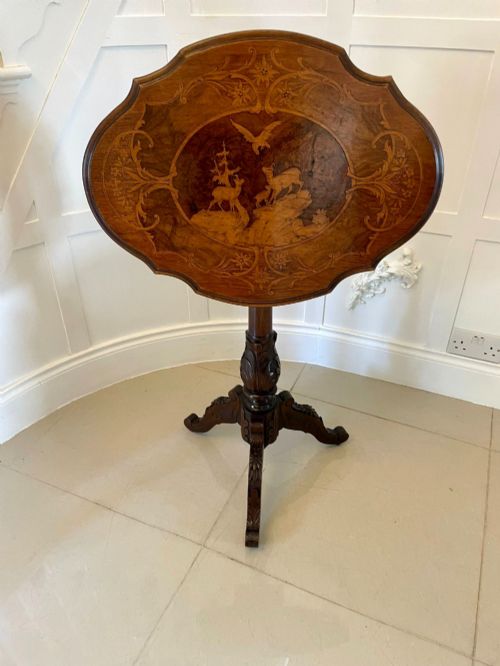
Lacquer work and decorative finishing define the Asian and Chinoiserie iterations. Some variants incorporate inset marble tops, while others employ rustic hand carving characteristic of Black Forest folk art.
Antique Black Side Table Retail Price Guide 2026
Typical asking prices for black side table among the pieces listed under this phrase on Sellingantiques today, from the lower quarter to the upper quarter. They describe what is for sale here now, not the wider market.
Listings feature pieces from the 19th Century, Regency, Victorian, and 1920 periods.
What varies in quality
Quality rests in the execution of the surface finish and the integrity of the underlying timber. Ebonised wood that retains a rich, deep tone without flaking demonstrates superior initial preparation.
Design attribution and decorative refinement elevate certain pieces above standard utility furniture. Items linked to specific aesthetic movements, marked by finer joinery, or bearing delicate parcel gilding and hand-painted motifs represent the higher tier.
Hindley and Sons·E. W. Godwin
The Antique Black Side Table Glossary
- Ebonised wood
- Timber treated with stain, dye, or paint to imitate costly ebony. This technique gained immense popularity during the Victorian and Aesthetic Movement periods.
- Aesthetic Movement
- A late nineteenth-century design style that emphasised visual beauty over narrative subject matter. Pieces from this movement often feature ebonised surfaces and clean geometric lines.
- Chinoiserie
- European interpretations of Chinese and East Asian artistic traditions. These items typically display black lacquer grounds decorated with painted figures and landscapes.
- Occasional table
- A small, movable table designed for specific, temporary uses around a room. They appear frequently in nineteenth-century domestic interiors.
- Parcel gilt
- The partial application of gold leaf or gilt to specific decorative details. It creates a striking contrast against a dark ebonised or lacquered background.
Antique Black Side Table: Frequently Asked Questions
What is an ebonised side table?
An ebonised side table is a piece of furniture made from a standard timber that has been finished to resemble dense, dark ebony wood.
This technique became especially common during the nineteenth century, giving lighter woods a formal and dramatic appearance.
How do I style a black side table?
These dark tables work well beside seating or against lighter walls where the deep finish creates a strong visual contrast.
They accommodate lamps, books, and decorative objects without overwhelming the surrounding decor.
What periods do these tables span?
The pieces available here primarily date from the nineteenth century into the early twentieth century.
Examples include Regency, Victorian, and Aesthetic Movement eras alongside later twentieth-century interpretations.