

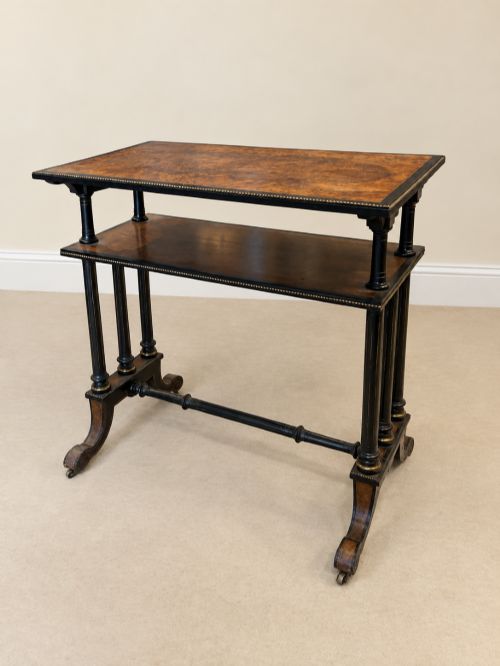
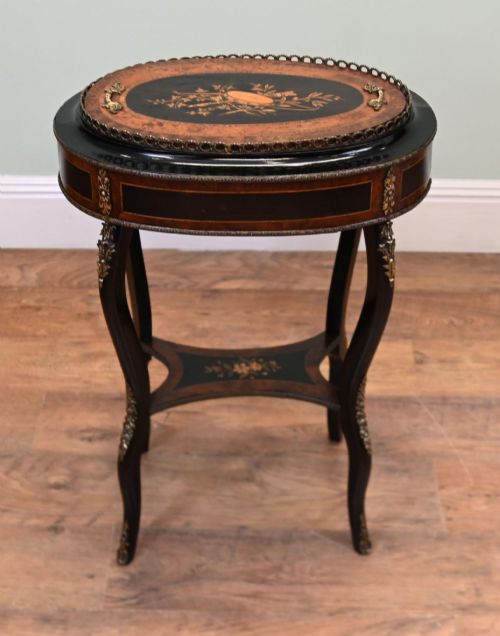
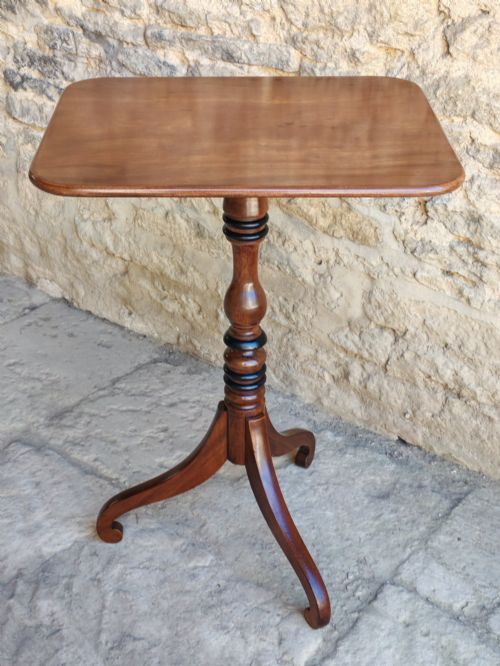
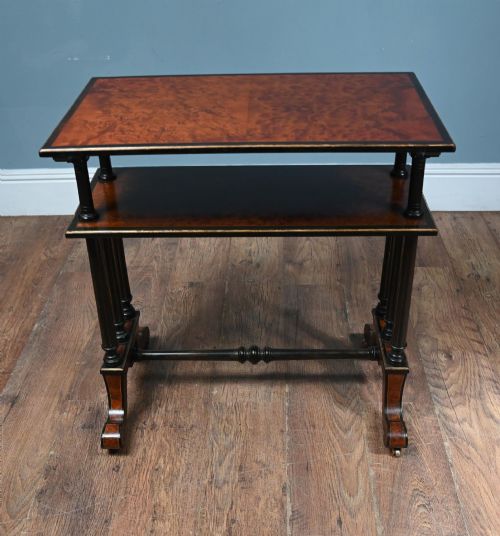
Ebonised Wood Side Table
An ebonised wood side table brings dark, striking contrast to a room through deep blackened timber surfaces.
Ebonised Wood Side Table
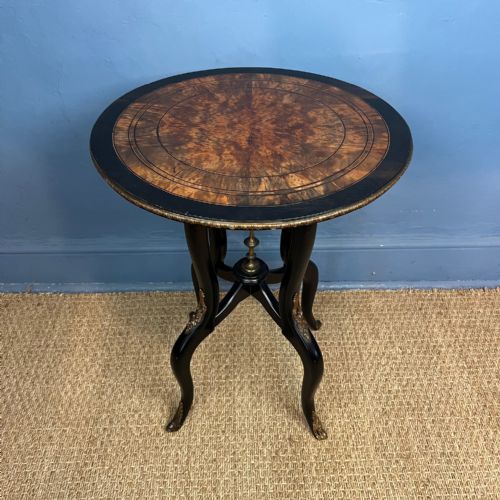
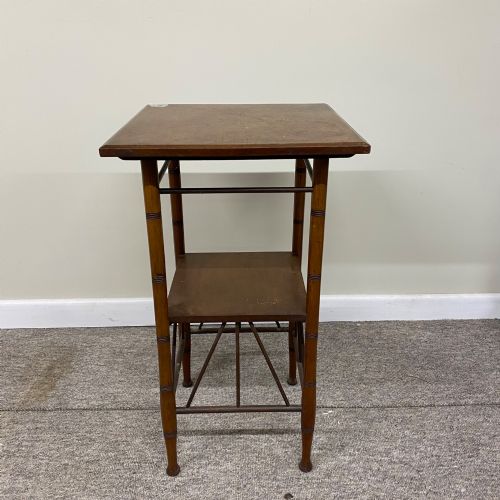
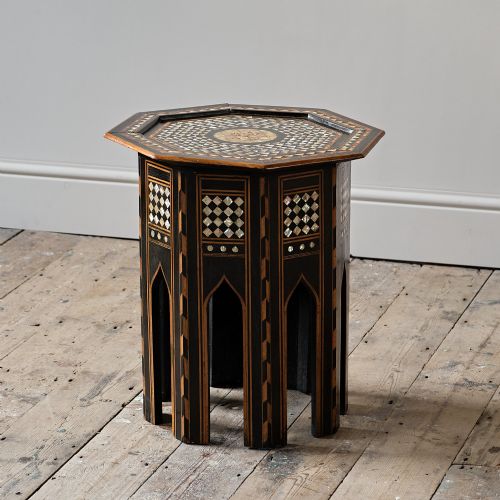
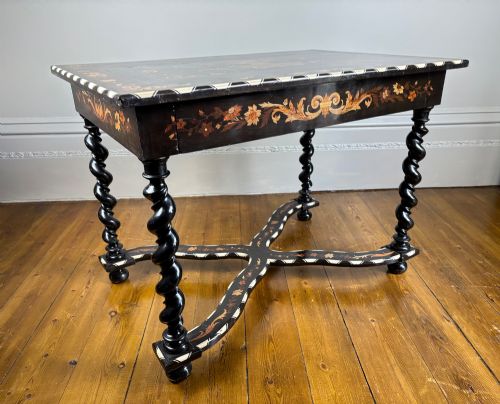
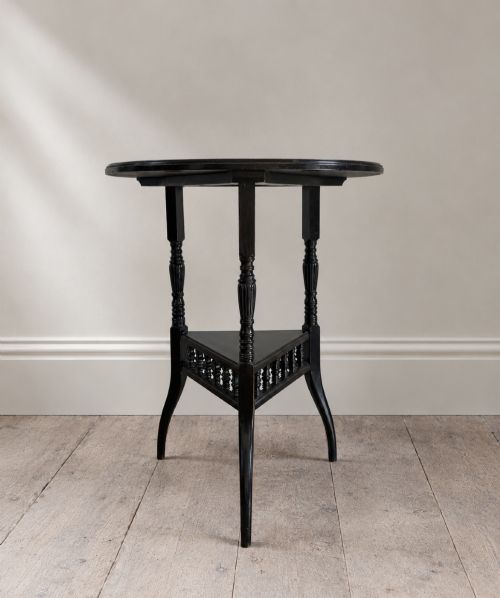
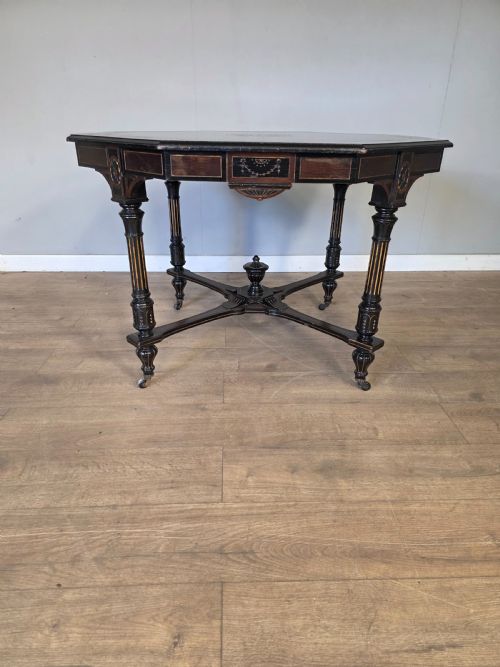
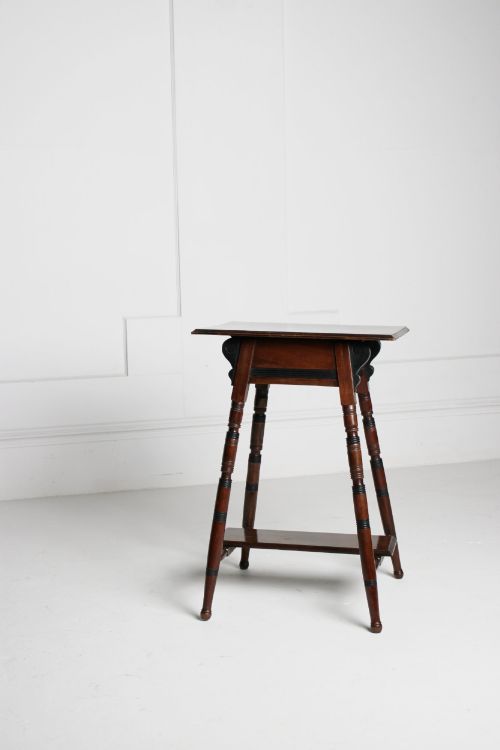
An ebonised wood side table is a compact surface finished to resemble ebony, appearing frequently across nineteenth century Victorian, Aesthetic Movement and Anglo-Moorish styles. These pieces range from simple square and round occasional tables to elaborate octagonal stands and console forms.
The selection here heavily reflects the late nineteenth century taste for dark finishes, incorporating influences from Japanese design, continental marquetry and British craftsmanship. Buyers often encounter pieces associated with specific movements like the Aesthetic style or retailers such as Liberty and Co.
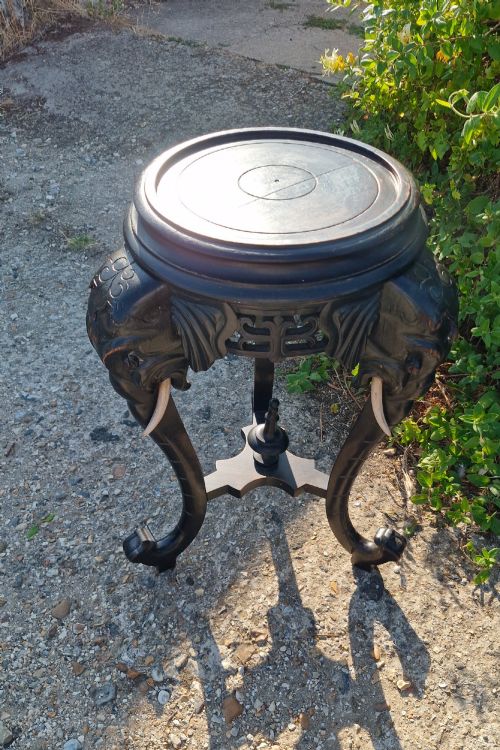
Beyond basic side tables, the listings include related forms like plant stands, jardiniere tables and centre tables sharing the same dark ebonised aesthetic. These items served diverse domestic roles in period interiors, functioning as lamp tables, display surfaces or occasional tea tables.
Materials and construction methods
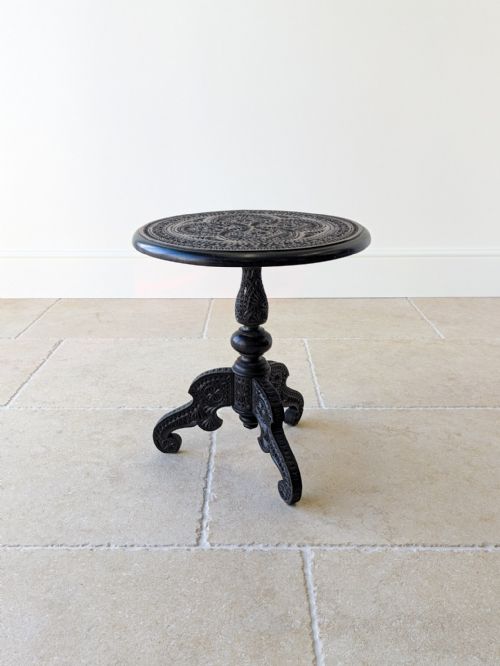
Maker construction relies heavily on underlying hardwoods such as beech, walnut, or mahogany treated with chemical stains or black paint to achieve the dense ebonised finish. Many examples incorporate contrasting materials, using brass fittings, painted porcelain plaques, or intricate bone inlay.
Surface decoration frequently involves marquetry, hand carving, or applied details reflecting Japanese and Moorish motifs popular during the Victorian era. Joinery methods of the period ensure stability, often combining turned legs with tiers or undertiers for added support.
Ebonised Wood Side Table Retail Price Guide 2026
Typical asking prices for ebonised wood side table among the pieces listed under this phrase on Sellingantiques today, from the lower quarter to the upper quarter. They describe what is for sale here now, not the wider market.
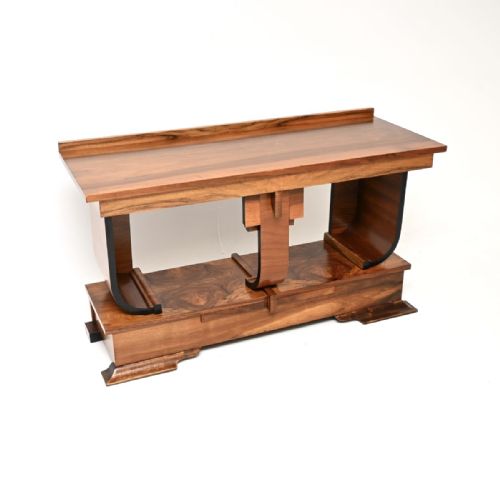
Design influences recorded in the inventory range from Anglo-Indian and Moorish Revival styles to distinct Arts and Crafts and Art Deco forms.
Assessing quality and execution
Quality in these tables rests on the crispness of hand carving, the precision of inlaid bone or marquetry, and the overall integrity of the ebonised finish. Finer examples display meticulous attention to detail in structural joinery and decorative motifs rather than purely decorative surface paint.
The distinction between standard production items and superior pieces often lies in the choice of secondary timbers, the complexity of the design lineage such as Godwin-influenced forms, and the original condition of delicate inlays and painted elements.
Druce & Co London·Liberty & Co·Jenks & Woods
The Ebonised Wood Side Table Glossary
- Ebonised
- Timber treated to imitate ebony wood through staining, painting, or chemical processing. This finish became particularly popular during the Victorian period for achieving a sleek, dark surface.
- Aesthetic Movement
- A late nineteenth century design style emphasising art for art's sake, drawing heavily on Japanese artistic traditions. Pieces from this movement often feature ebonised wood and clean, geometric lines.
- Marquetry
- Decorative veneer work applied to furniture surfaces in geometric or pictorial patterns. Craftsmen use thin slices of wood, bone, or metal to create intricate designs.
- Jardiniere stand
- A tall table or pedestal specifically designed to hold a plant container or flower pot. These stands frequently appear in ebonised wood alongside standard side tables.
Ebonised Wood Side Table: Frequently Asked Questions
What periods do these tables represent?
The pieces span the nineteenth and early twentieth centuries, with a strong concentration in the Victorian era and the 1890s. Styles range from Regency revival to Arts and Crafts and Art Deco.
Design influences draw heavily from the Aesthetic Movement as well as Anglo-Japanese and Moorish traditions. This variety reflects changing domestic fashions across several decades.
How were these tables used originally?
These tables served multiple functions in period homes as surfaces for lamps, display items, or reading materials. Occasional tables could be easily moved around reception rooms as needed.
Some variations, such as jardiniere stands and plant tables, specifically accommodated greenery and floral arrangements. Others functioned as centre tables or compact console surfaces in hallways and parlours.
What is the Aesthetic Movement?
The Aesthetic Movement was a late nineteenth century design philosophy that rejected heavy Victorian ornamentation in favour of artistic simplicity. It drew deep inspiration from Japanese art and design.
Furniture from this movement frequently utilised ebonised wood surfaces to create stark, elegant silhouettes. Designers often incorporated geometric forms and subtle contrasting inlays.
How do I care for ebonised wood?
Ebonised surfaces require gentle dusting with a soft, dry cloth to protect the dark finish from scratching. Avoid placing these tables in direct sunlight or near heat sources to prevent the wood from drying out.
Moisture should be kept away from the surface, especially on pieces featuring delicate bone inlay or painted decoration. Gentle application of appropriate wax polish maintains the lustre of the timber.