
Late Victorian Carved Table
When you want a late victorian carved table, you are looking for solid oak and mahogany surfaces shaped by late nineteenth-century craftsmen.
Late Victorian Carved Table
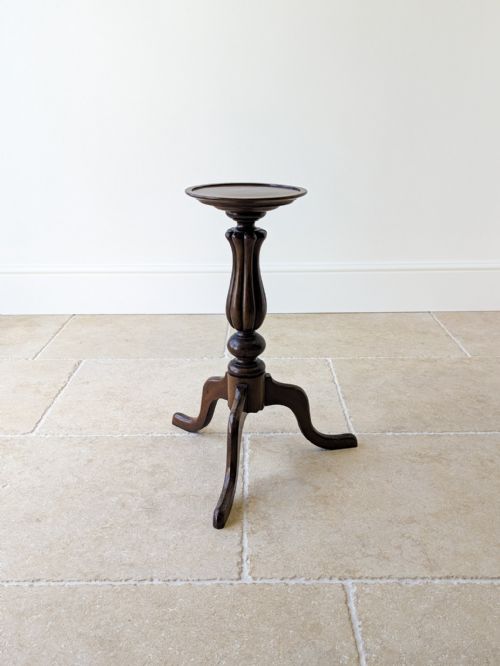
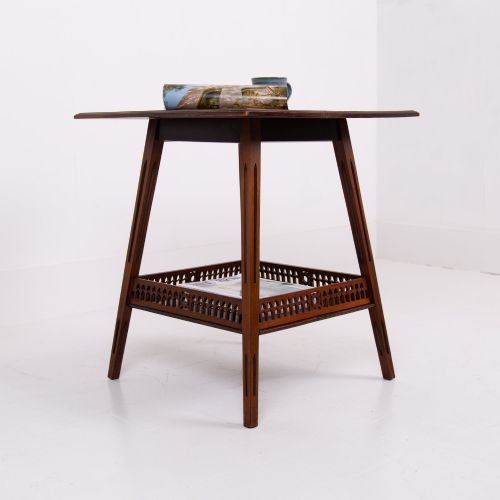
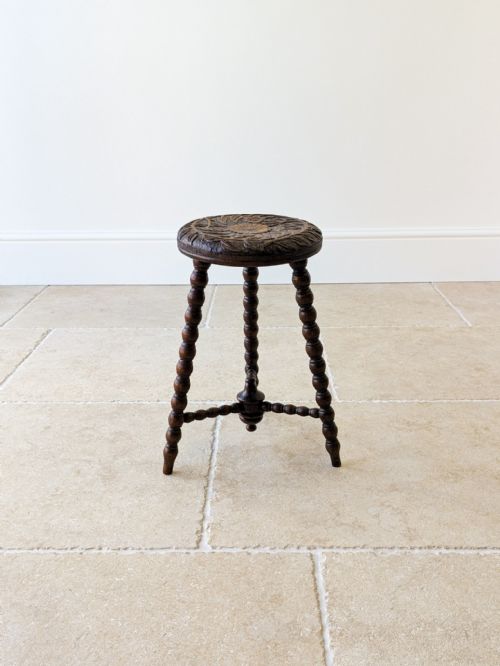
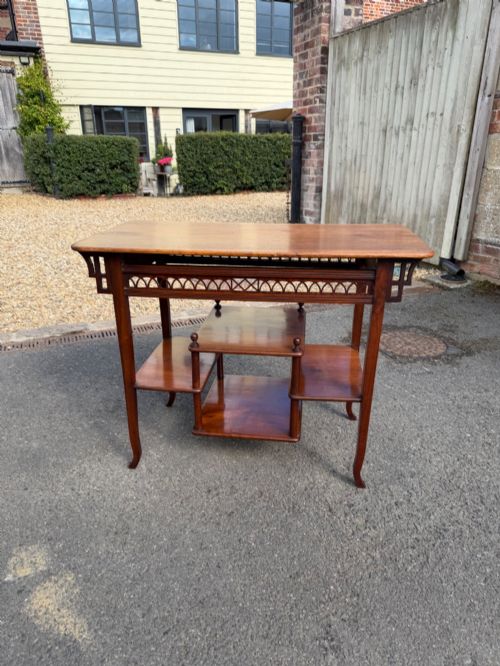
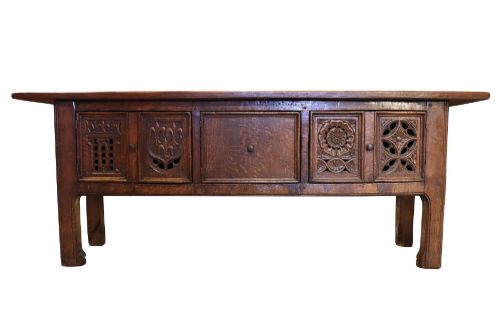
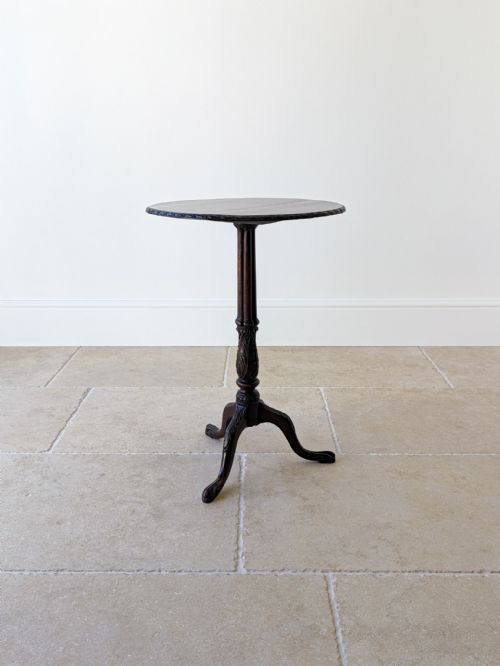
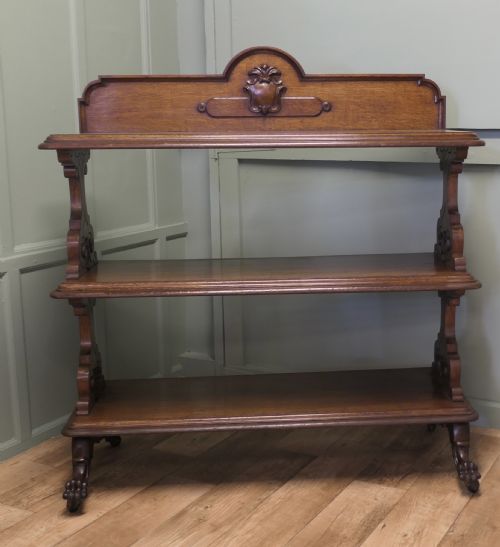
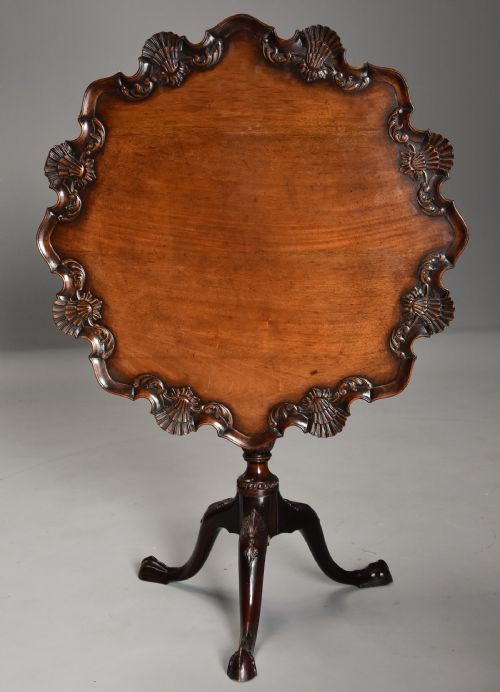
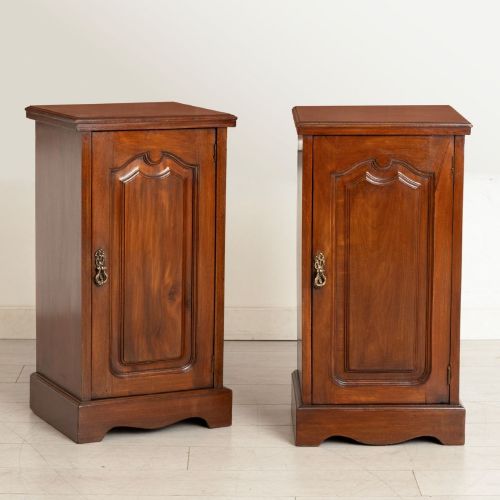
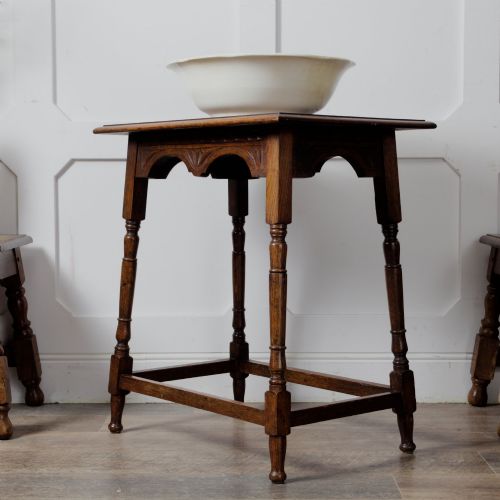
A late victorian carved table bridges the practical domestic needs of the late nineteenth century and the period's distinct appetite for ornate surface decoration. Side tables, occasional tables, and console tables dominate this selection, frequently rendered in solid oak or mahogany with deeply carved details.
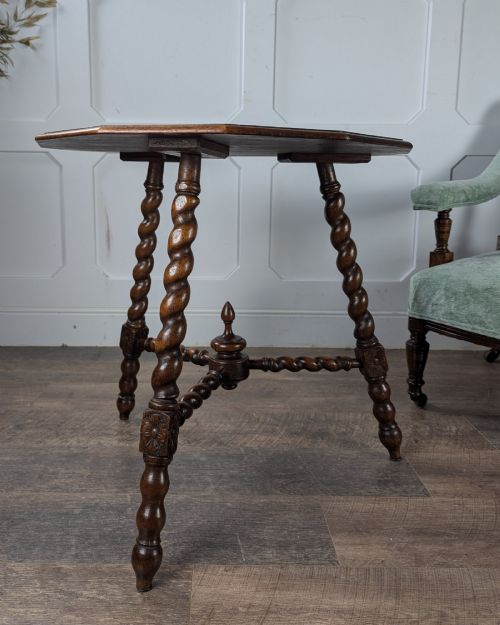
The aesthetic vocabulary spans standard Victorian revivalism through to Anglo-Indian, Moorish, and Arts & Crafts influences. Buyers encounter everything from barley twist occasional pieces to heavily carved oak console tables intended for hallways and reception rooms.
Originating predominantly from the 1880s and 1890s, these items reflect the industrial yet hand-finished production methods of the era. They served as functional furniture that simultaneously acted as a display surface for lamps, clocks, and decorative objects.
Factors that distinguish better examples
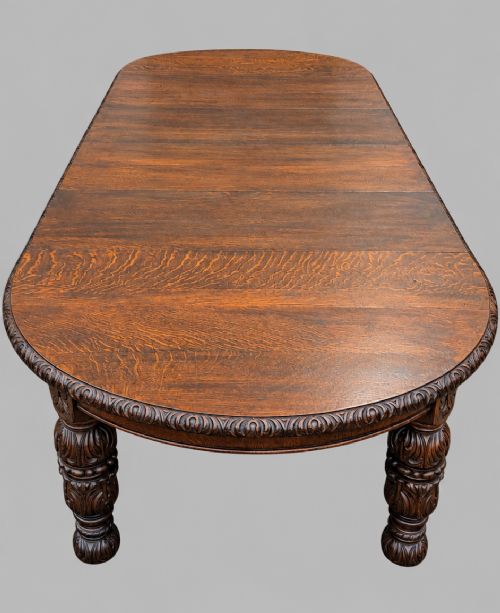
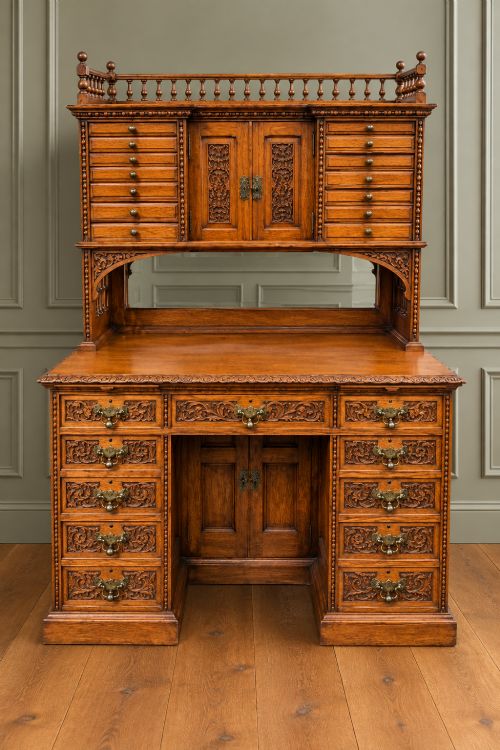
Quality rests primarily in the crispness and depth of the carving rather than the mere presence of decoration. Superior pieces display undercut details and confident chisel work that remain sharp and free from softening.
The choice of timber and the integrity of the underlying construction separate standard utilitarian items from finer decorative pieces. Well-selected grain matching, sturdy framing, and original hardware indicate a higher standard of workshop production.
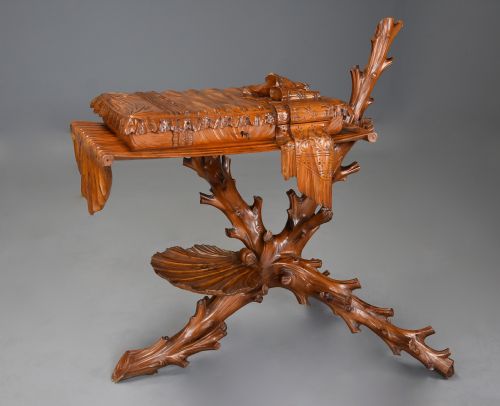
Listings feature woods including oak, mahogany, walnut, rosewood, and linden wood across the 1880 and 1890 periods.
Liberty & Co.·Gillows·Winterhalder & Hofmeier
The Late Victorian Carved Table Glossary
- Barley twist
- A turned wooden column resembling a spiralling rope, commonly used for table legs during the late nineteenth century.
- Occasional table
- A small, movable table designed for specific, intermittent use around a sitting room or parlour.
- Console table
- A wall-mounted or freestanding table designed to stand against a flat surface, often found in hallways.
- Chip-carving
- A decorative technique where small chips are removed from a wooden surface to create geometric, faceted patterns.
Late Victorian Carved Table: Frequently Asked Questions
Where should I place a carved side table?
These pieces suit hallways, reception rooms, and sitting spaces where their surface and carved details remain visible. They function effectively as lamp stands or display points for decorative objects.
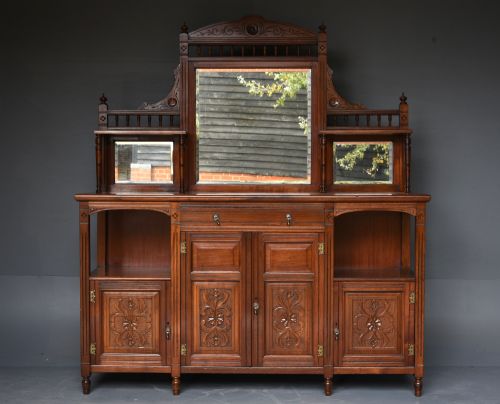
Ensure the dimensions match the surrounding furniture scale, particularly when pairing a console table with a wall mirror or placing an occasional table beside a sofa.
How do I care for nineteenth-century wooden tables?
Maintain timber surfaces by dusting with a dry, soft cloth and avoiding silicone-based polishes that build up over time. Natural wax applied sparingly preserves the sheen of oak and mahogany.
Keep tables away from direct heat sources and strong sunlight to prevent the timber from drying out, warping, or splitting along the grain.
What distinguishes Arts and Crafts tables?
Arts and Crafts pieces emphasise straightforward construction methods and visible hand-craftsmanship over elaborate historical revival ornament. They often feature simpler lines in oak or walnut.
Decoration on these examples is typically understated, allowing the natural grain and sturdy joinery to define the overall aesthetic.
Are these tables suitable for daily use?
Solid construction in oak and mahogany makes these tables robust enough for everyday domestic tasks. They handle normal loads like books, lamps, and decorative items without issue.
Care should be taken with liquids and hot items to protect the historic polish and timber surface from staining or ring marks.