




Anglo Indian Elephant Table
An anglo indian elephant table brings substantial carved wood and distinctive animal form into a room, offering practical surface space alongside regional artistry.
Anglo Indian Elephant Table
An anglo indian elephant table forms part of a distinctive group of colonial furnishings produced across the nineteenth and early twentieth centuries. These works combine British domestic forms, such as occasional and coffee tables, with traditional Indian and Burmese carving traditions.
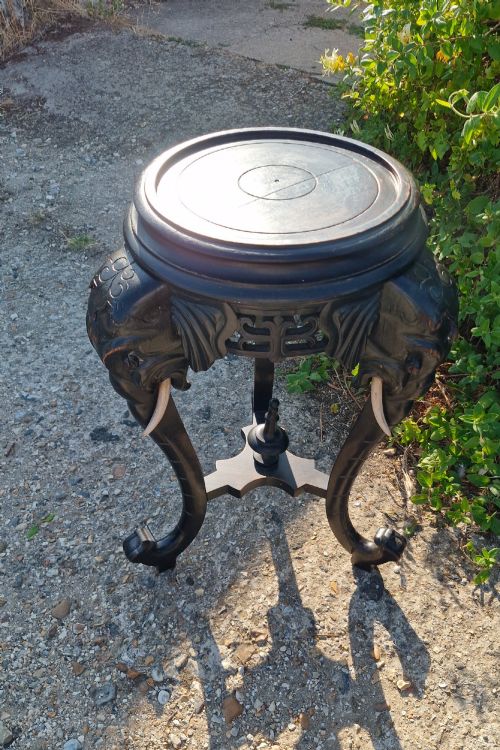
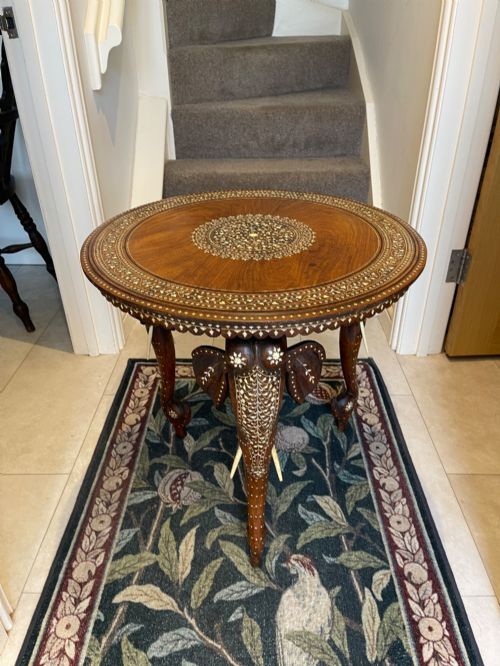
Most examples seen here take the form of small side tables, occasional tables, or coffee tables supported by carved elephant figures. Materials span solid rosewood, teak, and various hardwoods, frequently decorated with intricate surface carving or bone inlay.
Origins trace to specific production centres such as Bombay and Hoshiarpur, alongside pieces created in Burma and Ceylon. The typical survival dates from the Victorian era up to the nineteen-twenties, reflecting periods of intense trade and artistic exchange.
How They Were Made
Maker workshops utilised dense tropical timbers including teak, rosewood, and blackwood, providing a stable base for deep relief carving. Artisans shaped these hard materials by hand, constructing support structures where elephant heads and legs form the primary weight-bearing elements.
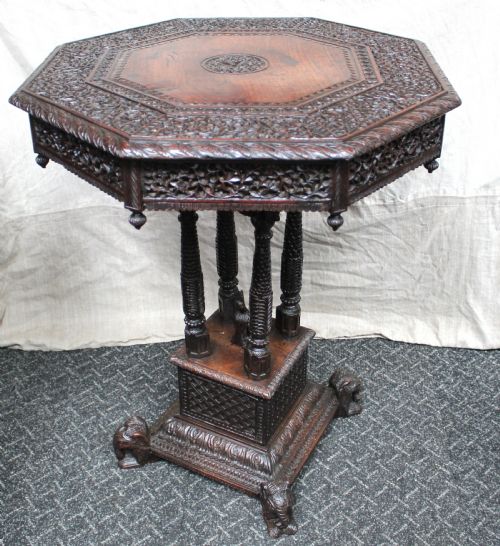
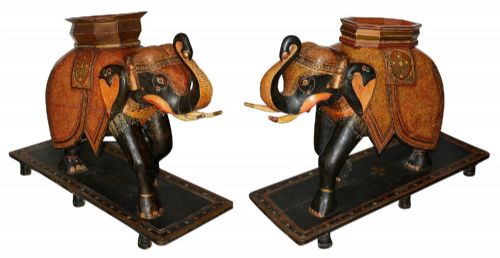
Surface ornamentation involved intricate chip carving across panels, alongside specialised techniques such as bone inlay and lacquer work. Some variations incorporate painted wooden tusks or applied geometric patterns into octagonal, rectangular, or circular table tops.
Anglo Indian Elephant Table Retail Price Guide 2026
Typical asking prices for anglo indian elephant table among the pieces listed under this phrase on Sellingantiques today, from the lower quarter to the upper quarter. They describe what is for sale here now, not the wider market.
Listings feature teak, rosewood, and hardwood across Victorian, Edwardian, and Art Deco periods.
What Varies in Quality
Integration of secondary materials distinguishes finer outputs, particularly where delicate bone inlay or intricate piercing remains intact across the top and aprons. Construction integrity, such as stable joinery at the junction between the animal supports and the table top, completes the hierarchy.
Bombay Presidency·Hoshiarpur
The Anglo Indian Elephant Table Glossary
- Anglo-Indian
- A style of decorative art and furniture produced during the British period in India, merging European forms with local craftsmanship. This descriptor applies to much of the seating and support furniture found in these records.
- Hoshiarpur
- A northern Indian centre renowned for intricate woodwork and intricate inlay. Pieces from this region frequently display dense geometric patterns.
- Bone Inlay
- A decorative technique where small pieces of bone are set flush into timber surfaces to create contrasting patterns. It appears on selected tables and storage pieces.
- Octagonal
- Having eight sides. This plan shape frequently occurs on Bombay presidency tables.
- Occasional Table
- A small, light table intended to be moved about a room as needed. These serve various practical functions in domestic interiors.
Anglo Indian Elephant Table: Frequently Asked Questions
What woods were used for these tables?
Makers relied on durable tropical timbers including teak, rosewood, hardwood, and blackwood. These dense materials supported the weight of the top while allowing for deep, intricate relief carving.
Lighter woods also appear alongside painted surfaces and specialised specimen wood constructions from Ceylon.
How do I date an elephant table?
Dating relies on stylistic clues, construction methods, and recorded production periods spanning from the Victorian era into the early twentieth century. Pieces often exhibit transitional design traits between traditional regional motifs and British furniture demands.
Reference points include documented items from the eighteen-eighties through the nineteen-twenties.
Where were these tables made?
Production centres included Bombay and Hoshiarpur in India, alongside workshops in Burma and Ceylon. Each region contributed distinct regional motifs, timber choices, and decorative techniques such as bone inlay or lacquer work.
British colonial trade routes facilitated the export of these works to Western markets.
Are the tusks usually original?
Surviving examples feature tusks rendered in various materials including wood, bone, or painted substitutes. Original components depend on the specific workshop traditions and the date of manufacture.
Descriptions often note whether tusks are painted wood or alternative substances.