

Black Carved Wood Table
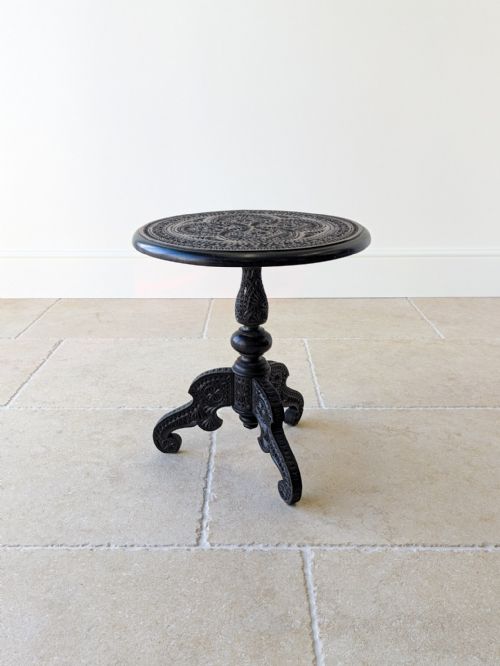
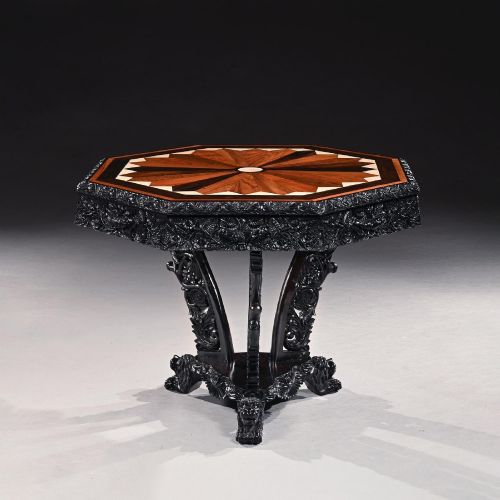
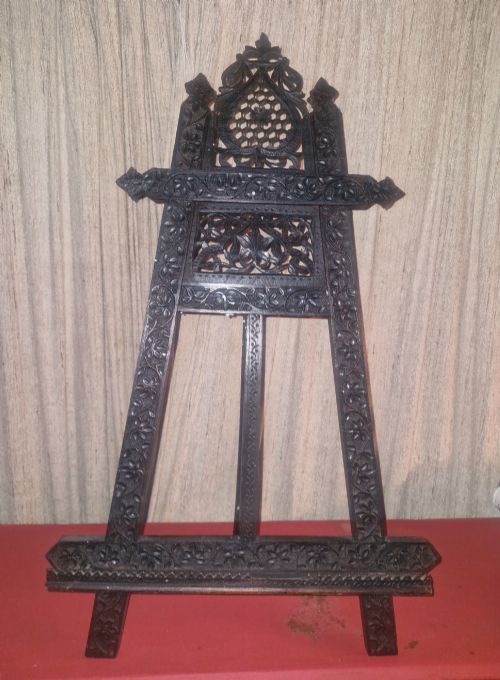
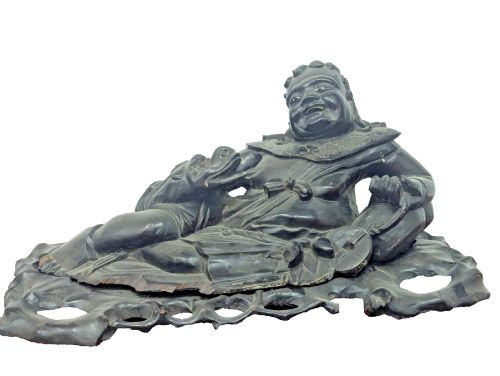
A black carved wood table brings deep tones and intricate floral or animal motifs into a room, originating mostly from nineteenth-century European and colonial workshops.
Black Carved Wood Table
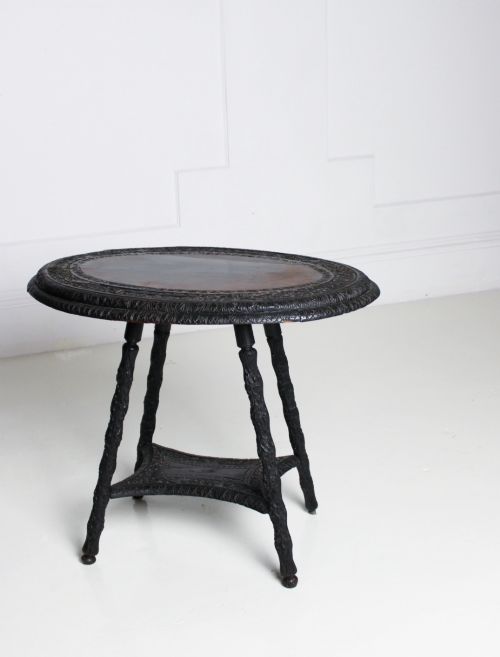
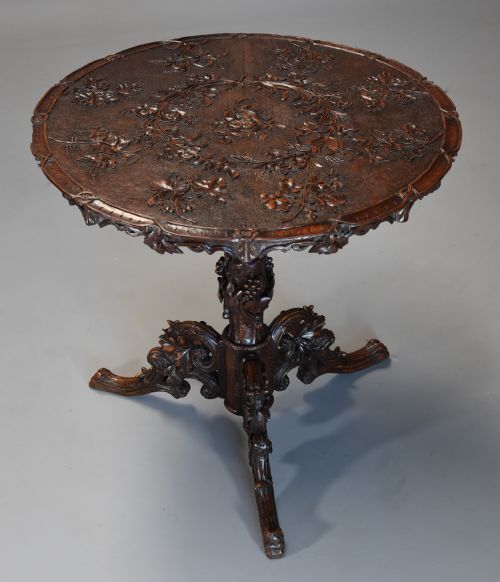
A black carved wood table encompasses various dark-toned forms such as centre tables, side tables, and coffee tables created during the nineteenth and early twentieth centuries. Buyers searching this phrase most frequently encounter ornate Swiss Black Forest pieces, Anglo-Indian colonial works, and ebonised European designs.
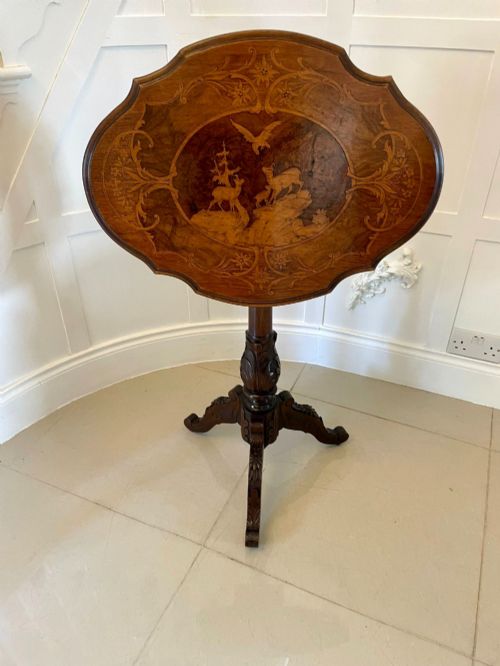
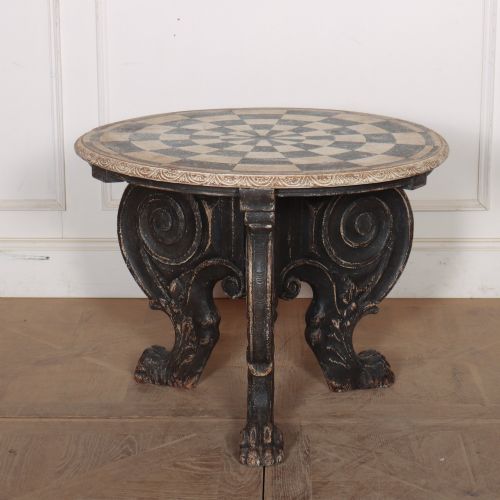
The selection ranges from tripod tables and console tables to low coffee tables and plant stands, spanning origins from Victorian Britain to Qing Dynasty China. Regional craftsmanship defines the appearance, showing distinct regional preferences in botanical carving and dark timber finishing.
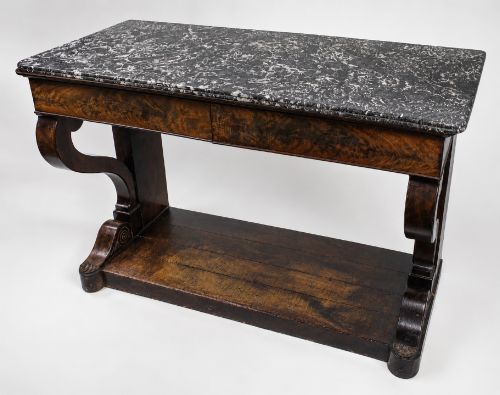
Makers utilised contrasting textures, pairing heavily carved surfaces with smooth marble tops or inset specimens. These pieces function today as striking focal points in traditional and eclectic interiors alike.
Materials and construction
Carpenters and carvers shaped these items from dense hardwoods including walnut, ebony, and linden wood, alongside European oak and explicitly ebonised timbers. Artisans also applied dark paint or staining to achieve the characteristic black surface on alternative woods.
Surfaces feature deep relief carving, executed by hand with gouges and chisels to render naturalistic foliage, animals, or geometric patterns. Structural joinery relies on traditional pegged mortise and tenon joints, whilst some examples incorporate marble inserts or brass fittings.
Black Carved Wood Table Retail Price Guide 2026
Typical asking prices for black carved wood table among the pieces listed under this phrase on Sellingantiques today, from the lower quarter to the upper quarter. They describe what is for sale here now, not the wider market.
Several tables on this page double as carved hounds or bears, ensuring your furniture stares back at you while you drink tea.
Assessing craftsmanship
Depth and sharpness of the carving separate standard items from superior examples, with finer works displaying crisp undercut foliage and expressive animal figures rather than shallow, mechanical scoring. The choice of timber also dictates quality, with solid ebony or finely figured walnut representing higher tiers than painted softwood.
Proportion and structural stability indicate the skill of the original workshop, particularly in complex forms like tripod bases and figural supports. Superior pieces retain integrated, harmonious designs where the dark finish and carved decoration complement the underlying timber.
The Black Carved Wood Table Glossary
- Ebonised
- Wood treated with stain, paint, or chemical processes to imitate solid ebony. This finish appears frequently on nineteenth-century furniture designed to mimic exotic hardwoods.
- Black Forest
- A style of wood carving originating from the Swiss and German mountain regions during the nineteenth century. These items typically feature naturalistic animals, bears, and botanical motifs carved from linden or walnut.
- Centre table
- A freestanding table designed to stand in the middle of a room rather than against a wall. They often feature finished decoration on all sides and round or oval tops.
- Tripod table
- A small table supported by a pillar above three legs. This form gained popularity during the Georgian and Victorian eras for occasional use.
- Anglo-Indian
- Furniture made in India by native craftsmen using local hardwoods for British colonial residents. These pieces combine traditional Indian carving techniques with European furniture forms.
Black Carved Wood Table: Frequently Asked Questions
What rooms suit a black carved wood table?
These dark tables anchor a room by providing strong visual weight and deep contrast against lighter walls or upholstery. They function effectively as lamp tables beside seating or as central display pieces.
Smaller occasional and coffee table variants fit easily into sitting rooms, studies, or hallways. Their ornate surfaces complement traditional interiors as well as eclectic modern spaces.
How do I distinguish Black Forest tables?
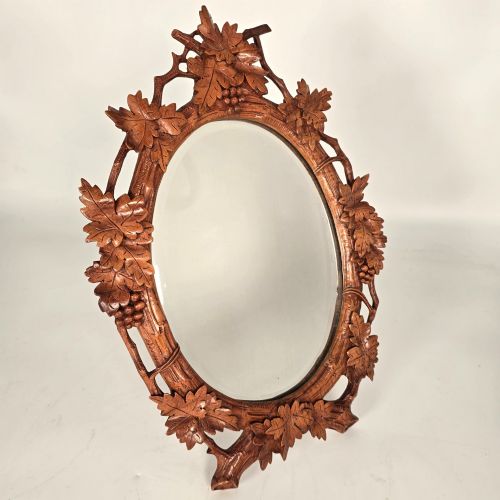
Black Forest pieces are characterised by naturalistic motifs, frequently incorporating bears, hound figures, or deeply carved linden wood oak leaves and ivy. The carving displays high relief and meticulous attention to anatomical or botanical detail.
Originating primarily from nineteenth-century Switzerland and Germany, these works often use lime or walnut wood left in its natural tone or darkened to match specific dark interiors.
What is Anglo-Indian furniture?
Anglo-Indian furniture represents pieces constructed in India during the nineteenth century for the British colonial market. Local artisans applied dense, intricate floral and figurative carving to dense timbers such as ebony and teak.
These works combine traditional British table forms with indigenous Indian woodworking skills. The resulting pieces feature rich, dark surfaces and complex hand-carved panels.