



Antique Beer Stein
An antique beer stein brings substantial weight and historic craft to the table, pairing sturdy metal or ceramic vessels with hinged lids.
Antique Beer Stein
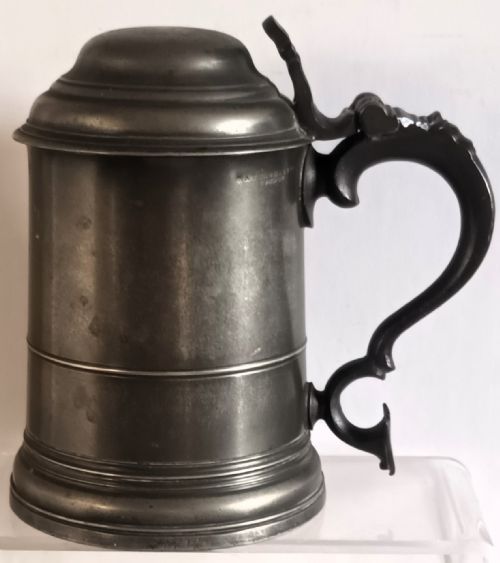
When you examine an antique beer stein, you look at drinking vessels and tankards spanning centuries of social drinking and commemorative design. The selection includes domestic English pewter mugs alongside continental salt-glazed stoneware and German ceremonial flagons.
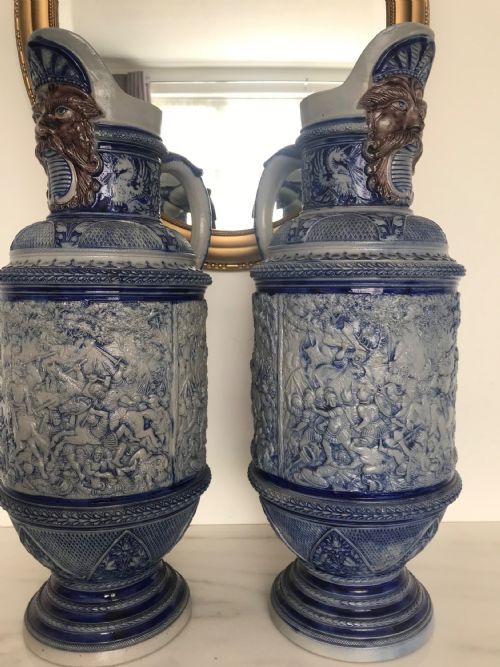
You are most likely to encounter nineteenth-century British pewter tankards and continental stoneware vessels decorated with cobalt blue or relief scenes. These forms range from simple pint measures to large decorative flagons produced for specific historic events or guilds.
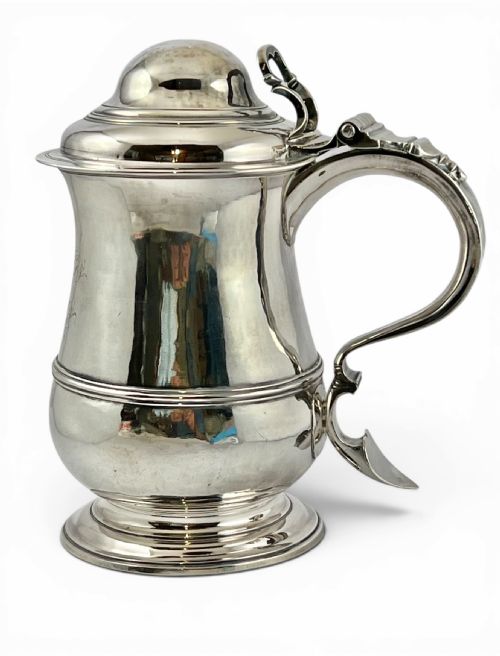
The material origins divide sharply between British metalwork and continental ceramic traditions. English examples favour pewter, silver, and old Sheffield plate, while German works showcase salt-glazed stoneware, faience, and elaborate pewter mounts.
How they were made
Metal vessels rely on traditional casting, hammering, and soldering of pewter, copper, and silver plate to build rigid, heavy walls. Pewter makers cast their metal in moulds before turning the bodies on lathes and attaching detailed thumb-lifts and hinged lids.
Ceramic examples employ stoneware and earthenware clays shaped on the wheel or pressed into moulds, often featuring salt glazing or polychrome painted finishes. Cobalt blue pigments are applied directly to the clay before firing, creating deep, permanent coloration under the glaze.
Several vessels hide hinged lids originally designed to keep flies out of sweet ales during long summer evenings.
What varies in quality
The distinction between ordinary utility vessels and superior examples rests on the crispness of the modelling and the integration of the metal lid. Fine pieces display tight hinges, balanced thumb-lifts, and well-defined relief work that remains sharp rather than blurred.
Maker marks and metal weight separate standard workshop production from signed pieces by notable manufacturers or silversmiths. Thick gauge metal and clear touchmarks indicate better raw materials and skilled supervision during construction.
Watts & Harton·Simon Peter Gerz·John Payne·Archibald Knox for Liberty & Co·Burgum & Catcott·Villeroy & Boch
The Antique Beer Stein Glossary
- Thumb-lift
- The small lever attached to the lid of a tankard that allows the drinker to open it with a single thumb. This functional element often takes decorative forms such as acorns, shells, or geometric shapes.
- Salt glaze
- A glassy, pitted finish created by throwing common salt into the kiln during the high-temperature firing of stoneware. The sodium reacts with the silica in the clay to form a durable coating.
- Old Sheffield plate
- A composite material made by fusing a thin sheet of silver to a thicker copper base before rolling them together into sheets. This technique predated electroplating and produced items with rich silver surfaces.
- Westerwald
- A German region renowned for producing salt-glazed stoneware featuring distinctive grey bodies and cobalt blue decoration. These pieces frequently display stamped or incised patterns and battle scenes.
- Touchmark
- An official stamp impressed onto pewter wares by a maker or guild to certify the alloy standard and workshop origin. These marks help historians date and attribute domestic metalwork.
Antique Beer Stein: Frequently Asked Questions
What is the difference between a stein and a tankard?
Tankards generally refer to single-handled drinking vessels made of metal or glass, often associated with British tavern culture. Steins more commonly denote continental ceramic or stoneware drinking vessels equipped with hinged pewter lids.
While the terms often overlap in modern descriptions, traditional British pieces favour plain or engraved metal, whereas continental steins frequently display elaborate relief decoration and painted scenes.
How do I clean an antique pewter vessel?
Antique pewter requires gentle washing with warm soapy water and immediate drying with a soft cloth to protect the metal surface. Harsh commercial silver dips or abrasive pads will strip the historic patina and scratch the soft alloy.
Leaving the natural grey oxidation intact maintains the integrity and visual character built over centuries of handling.
Why do some glass tankards have glass bottoms?
Glass-bottomed tankards allowed drinkers to monitor their companions and surroundings while keeping a clear view of their beverage. This design became popular in British drinking houses during the eighteenth and nineteenth centuries.
Legends suggesting these bottoms prevented press gangs from dropping coins into drinks remain popular folklore, though practical utility and novelty drove their production.
How can I tell a German stoneware stein from an English piece?
German steins typically utilise salt-glazed stoneware or faience materials adorned with cobalt blue patterns, grey bodies, and cast pewter mounts. English counterparts rely heavily on pewter, silver plate, or clear glass.
Continental pieces also frequently incorporate moulded relief scenes depicting historical events, drinking songs, or rural life, unlike the simpler domestic forms common in British workshops.