
Antique Asian Statue
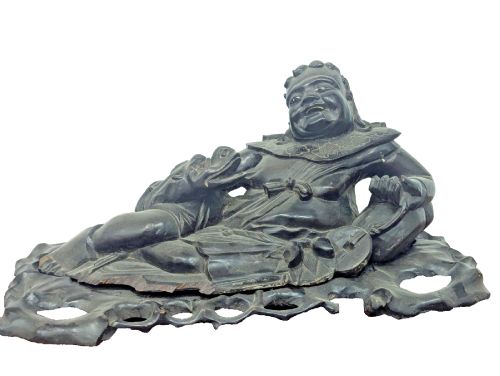
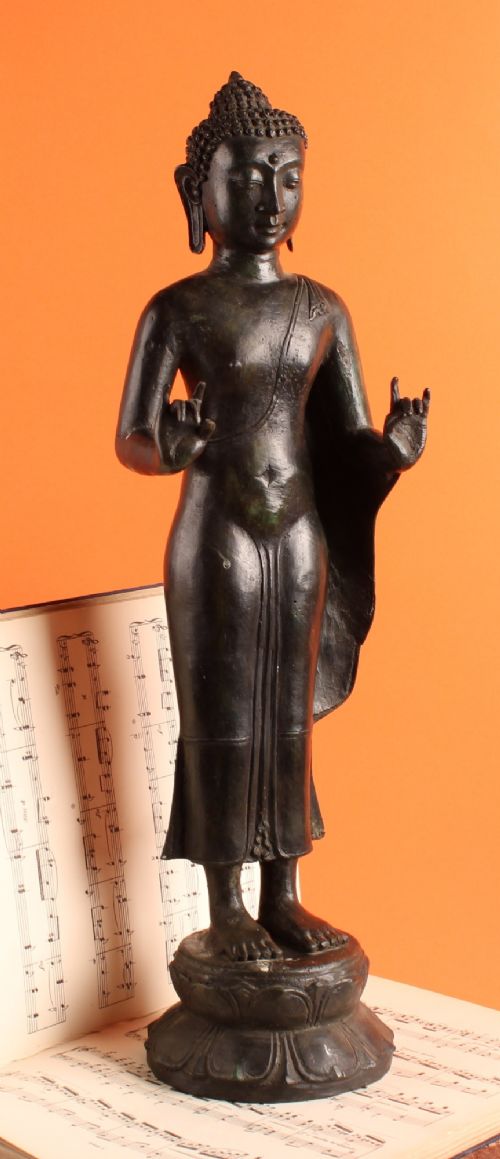
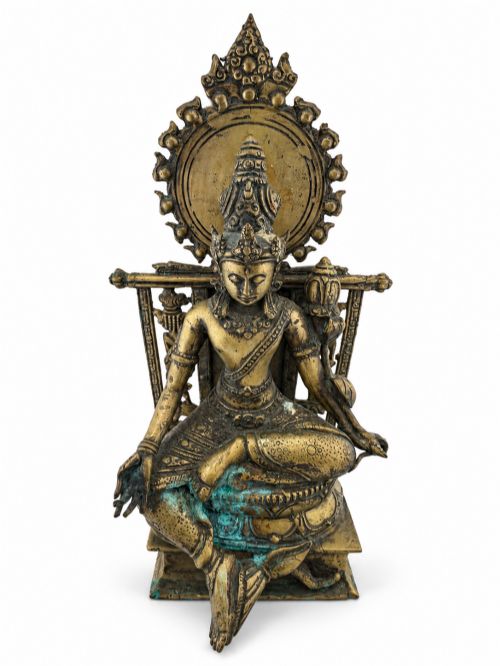
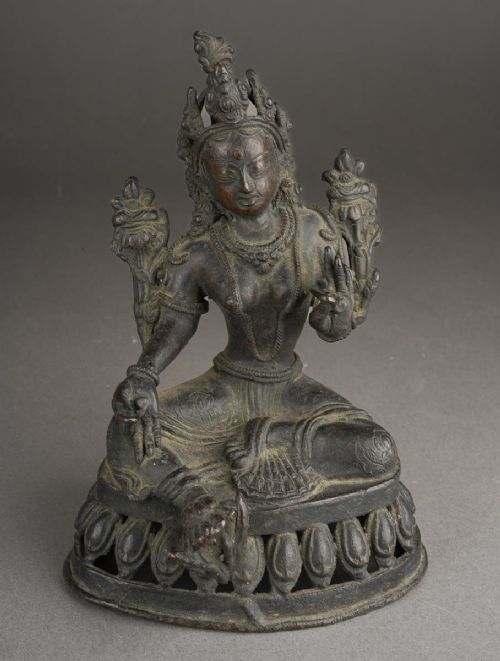
These antique asian statue examples bring centuries of diverse craftsmanship into your home, uniting distinct cultural traditions through bronze, wood, and porcelain figures.
Antique Asian Statue
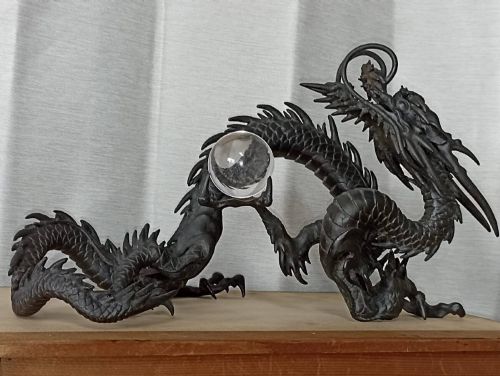
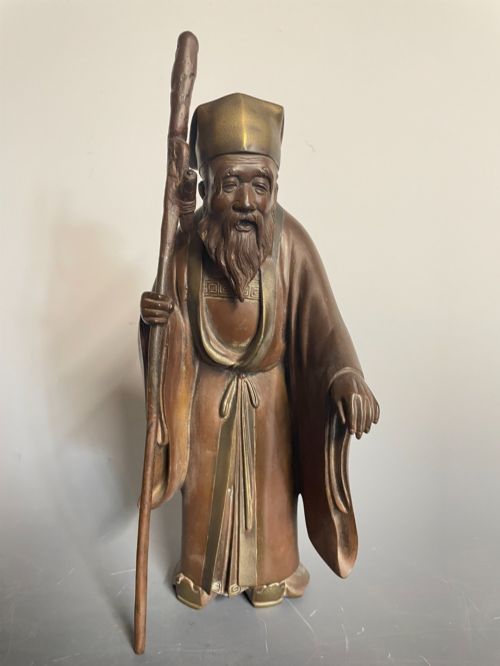
When you search for an antique asian statue, you encounter a broad array of figurative sculptures originating from China, Japan, Tibet, Nepal, Thailand, Burma, and India. The objects span centuries of production, including pieces from the Ming and Qing dynasties as well as the Japanese Meiji period.
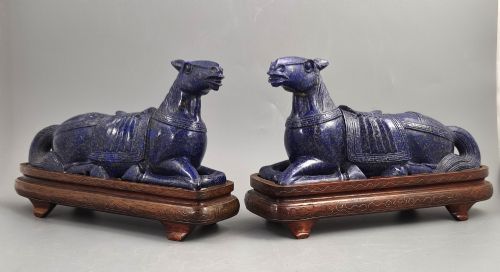
Most pieces you meet on this page take the form of Buddhist or Hindu deities, Daoist immortals, animals, or secular figures such as fishermen and court dancers. Materials range from cast bronze and carved hardwood to porcelain, limestone, and jade.
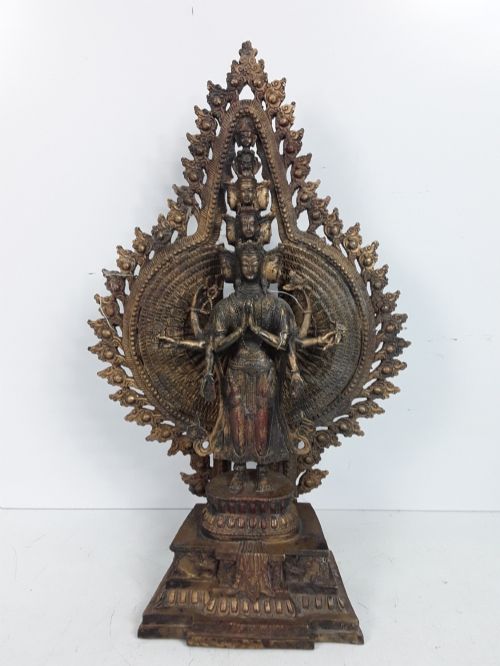
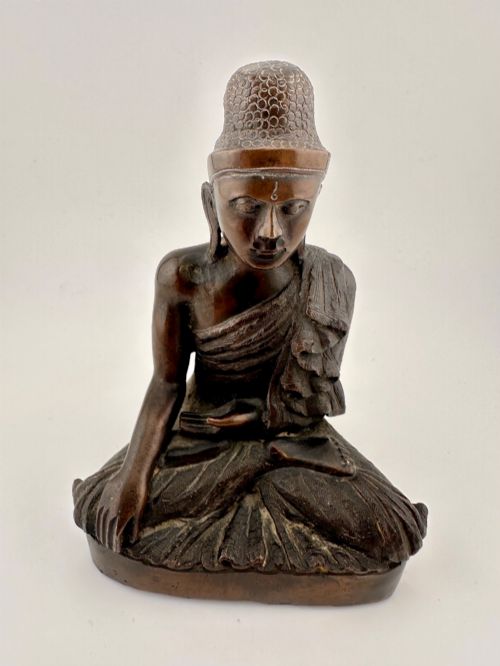
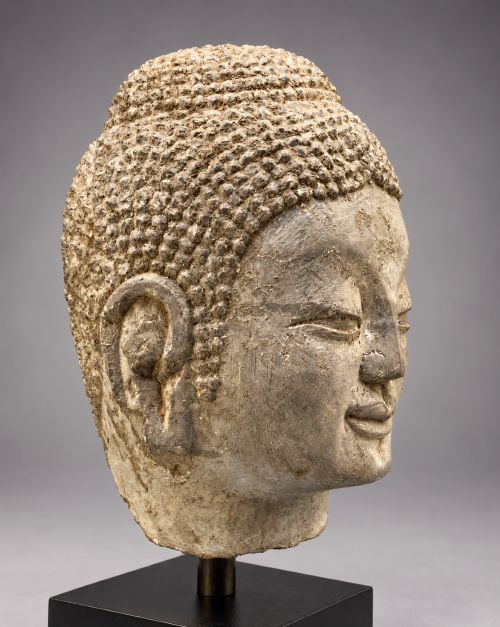
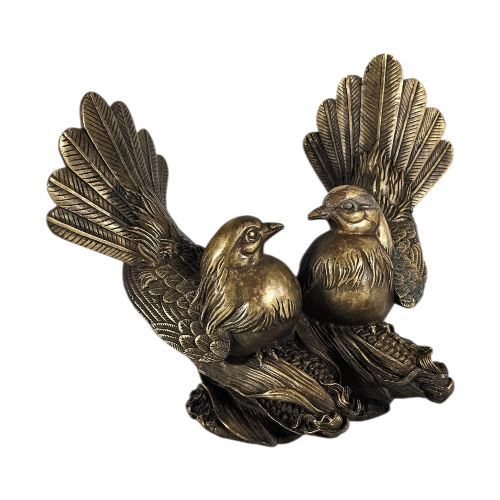
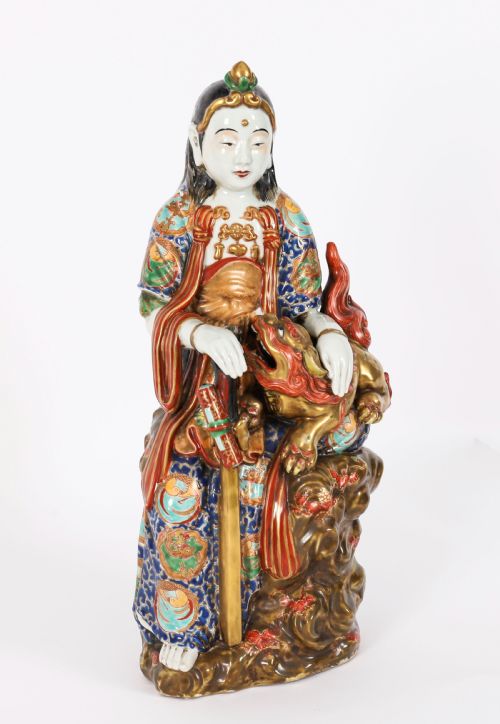
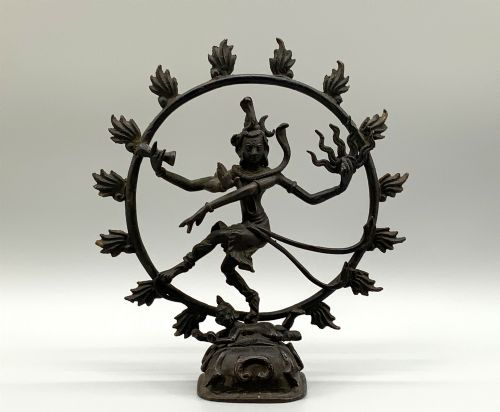
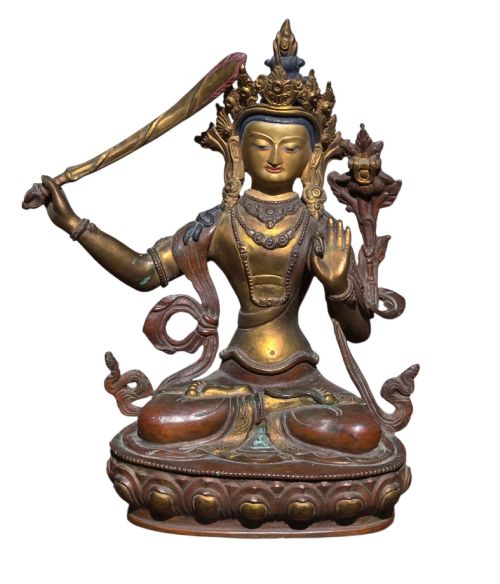
Religious subjects include depictions of Buddha, Guanyin, Green Tara, and Shiva Nataraja, while secular and folklore subjects feature animals like pigeons, pigs, and buffalo alongside okimono carvings. These works function as devotional shrines, scholar's desk items, or decorative sculptural groups.
How they were made
Bronze figures are typically produced using the lost-wax casting technique, allowing for intricate detail in robes, hair, and ornamentation. Many of these cast works receive surface treatments such as gilding or applied gold leaf.
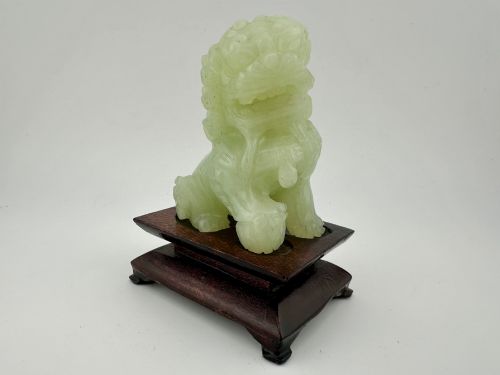
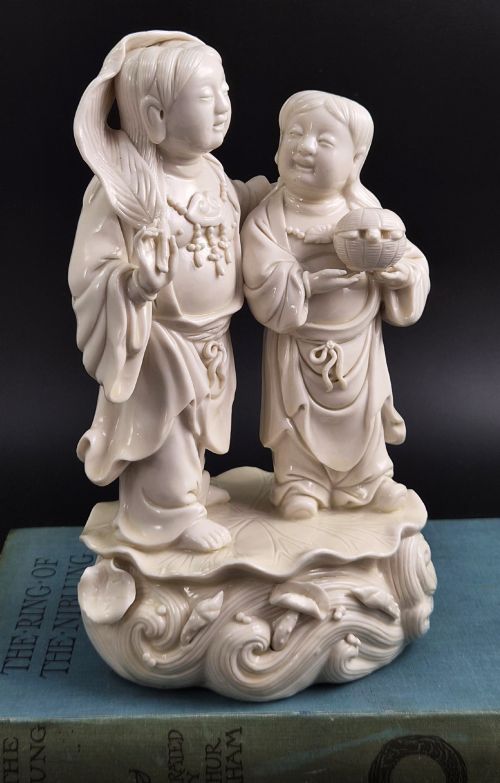
Carved pieces rely on dense timbers like boxwood and hardwood, or hardstones such as jade and bowenite serpentine, shaped with hand gouges and polished to highlight the grain. Porcelain and ceramic sculptures are moulded or hand-modelled before receiving glazes and enamel decoration, particularly in Kutani and Blanc-de-Chine traditions.
Listings feature bronzes, hardwoods, and porcelains spanning the eighteenth, nineteenth, and early twentieth centuries.
What varies in quality
The choice of material and the complexity of the composition dictate the upper tier of the range, such as monumental hardwood figures, multi-figure groups, or pieces featuring fine gilding and inlay. Signed okimono and marked bronzes or ceramics generally reflect higher workshop standards.
Makuzu Kozan II·Masaaki
The Antique Asian Statue Glossary
- Okimono
- A Japanese display piece designed for placement in a tokonoma alcove or on a shelf. These small-scale sculptures depict animals, deities, and genre scenes from everyday life.
- Mudras
- Symbolic hand gestures made by Buddha figures in Buddhist sculpture. Each specific gesture communicates a distinct spiritual teaching or state of mind.
- Guanyin
- The East Asian bodhisattva of compassion and mercy. Sculptures of this figure appear frequently in porcelain, bronze, and wood across multiple centuries.
- Meiji period
- The era of Japanese history spanning from 1868 to 1912. Metalwork and ceramics from this time achieved widespread international recognition for technical virtuosity.
Antique Asian Statue: Frequently Asked Questions
How do I identify a Buddha statue's origin?
Regional styles and iconography reveal where and when a Buddha was made. Thai Rattanakosin figures differ distinctly in crown and robe design from Tibetan Himalayan shrine bronzes or Chinese Ming dynasty sculptures.
Postures, mudras, and facial structures provide further clues to the specific Buddhist tradition.
Where were foo dog statues placed?
Foo dogs traditionally stand as guardian pairs outside temples, palaces, and elite homes to ward off malevolent spirits. Domestic versions served a similar protective and decorative function inside the home.
The male usually guards a brocade ball, while the female restrains a cub.
How should I display wooden carvings?
Wooden statues require stable indoor environments away from direct sunlight and dramatic temperature fluctuations. Hardwood and boxwood figures benefit from placement on flat, secure surfaces where their grain and carving depth remain visible.
Avoid humid areas to protect the timber from splitting.