





Antique Arita Ceramic
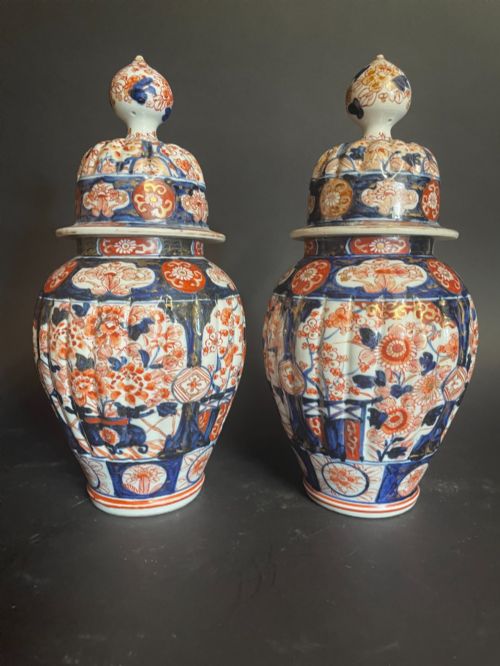
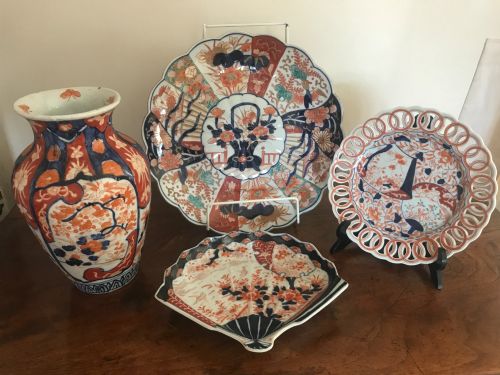
Antique arita ceramic pieces bring centuries of Japanese kiln tradition into the room, offering hand-painted palettes of blue and iron-red that anchor a classic interior.
Antique Arita Ceramic
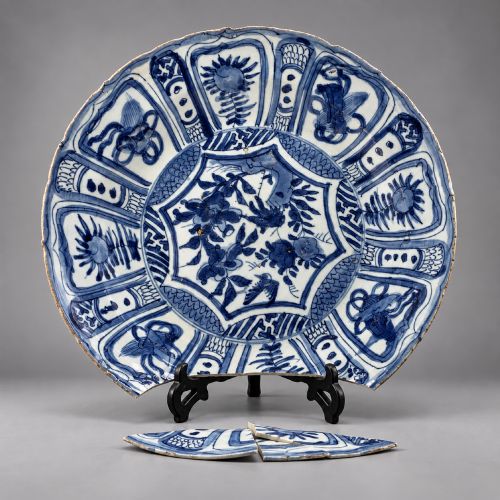
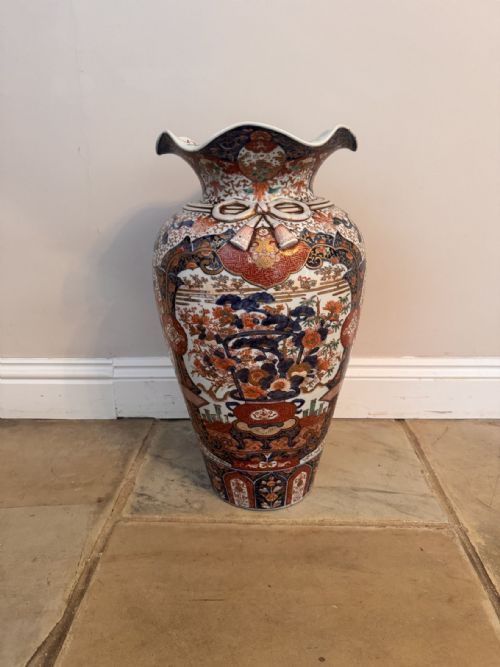
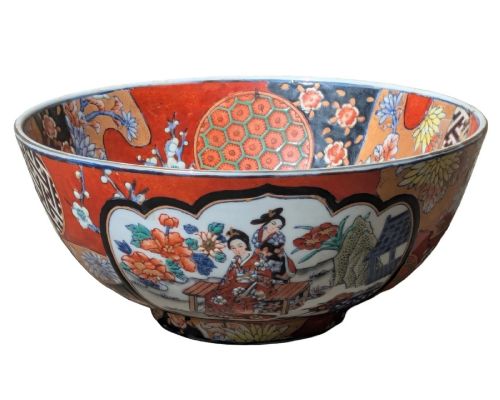
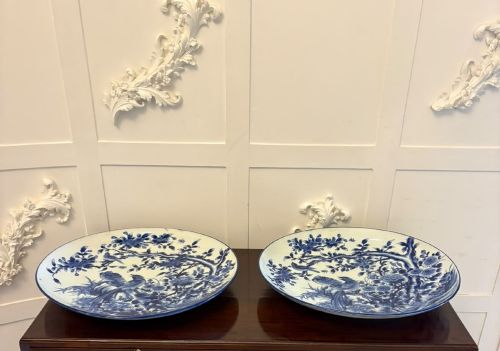
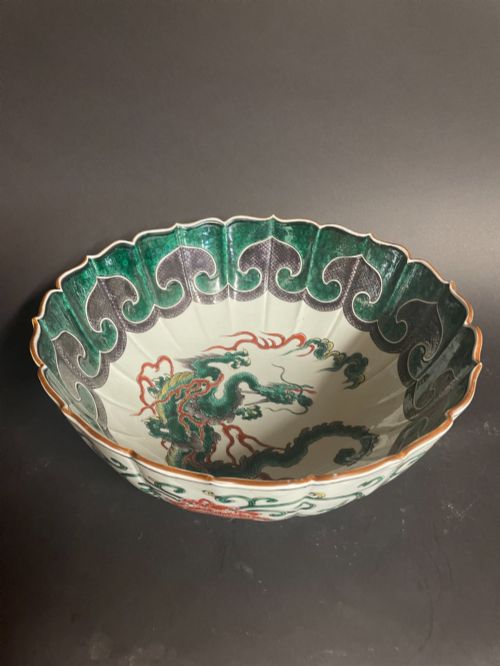
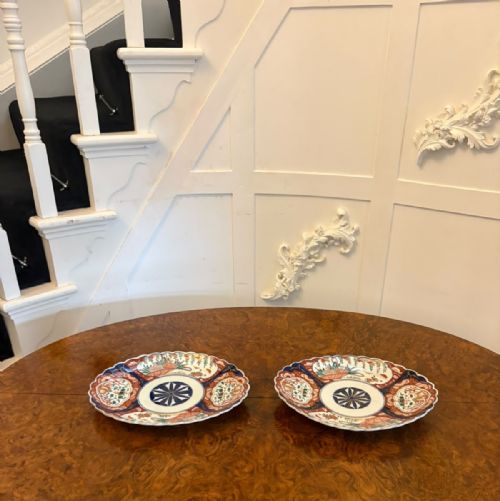
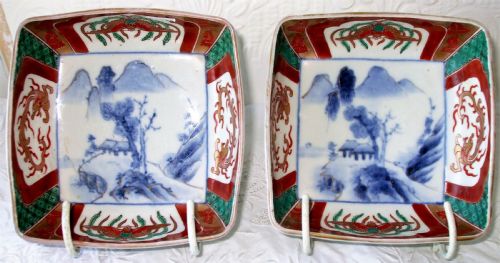
When searching for antique arita ceramic, collectors encounter items spanning from the seventeenth century through the twentieth century, with the nineteenth century and the Meiji period strongly represented on this page. These wares include decorative plates, bowls, chargers, jars, vases, and jardiniere forms.
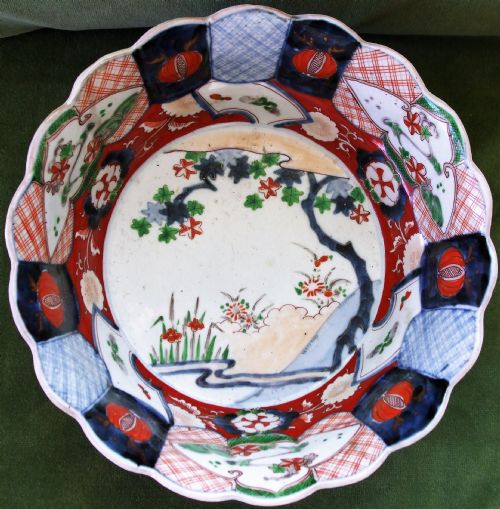
The objects present diverse stylistic influences, ranging from Edo period aesthetics to Japanese Imari patterns and Qing dynasty crossover designs. Pieces such as scallop edge bowls and lidded jars demonstrate the wide repertoire of forms produced by these kilns.
Materials and Construction
Potters built these items using porcelain bodies finished with glaze, cobalt pigment, and enamel decoration, frequently incorporating gold leaf or gold gilt accents. The application of cobalt underglaze combined with overglaze enamels created the characteristic rich surface coloration.
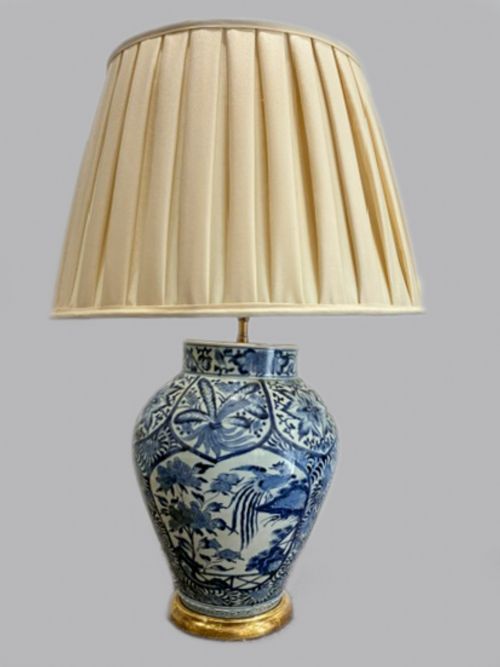
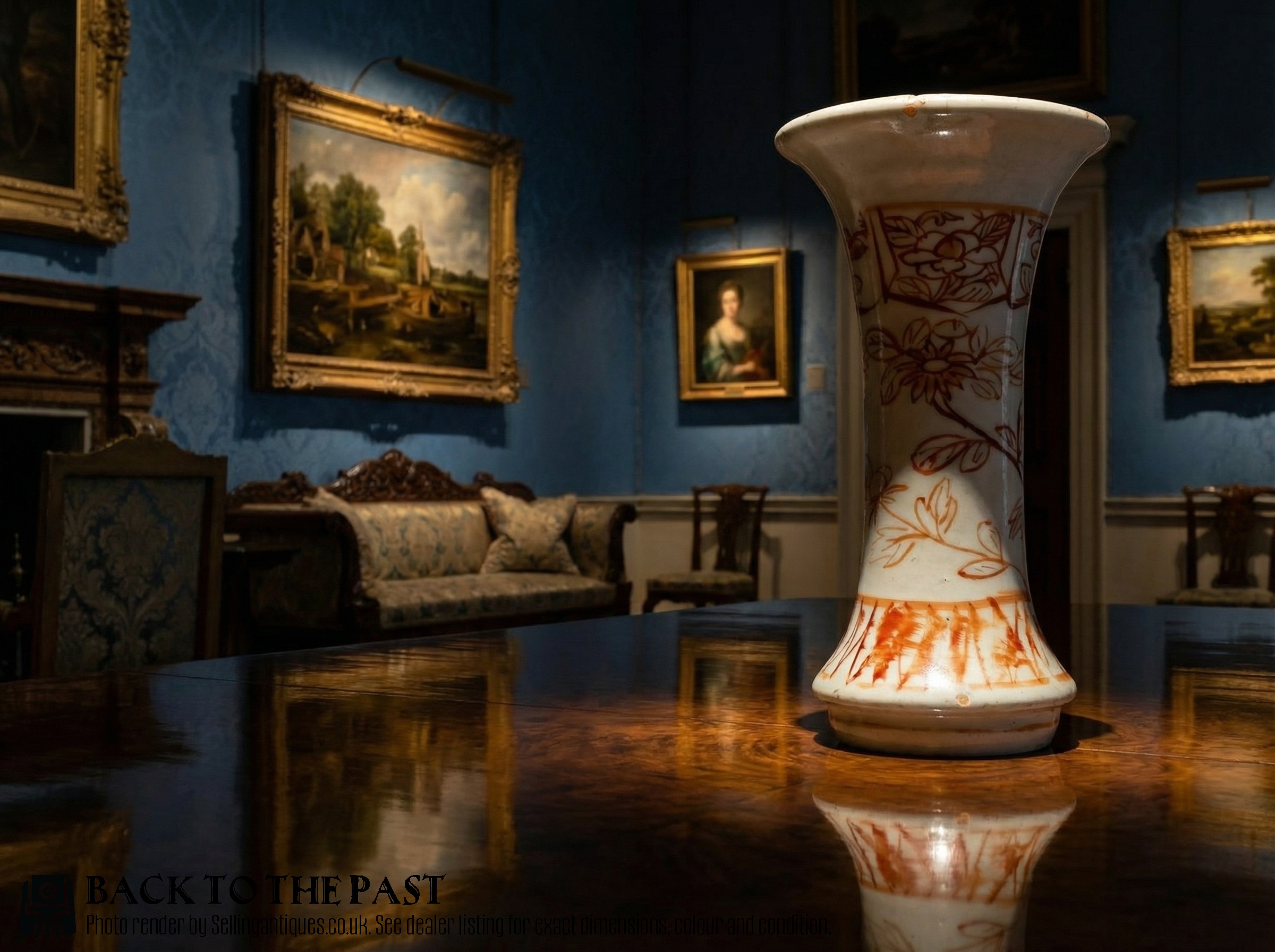
Makers shaped various vessel forms, including large floor-standing vases and hexagonal plates, which were then fired in high-temperature kilns. Certain utilitarian pieces, such as vases from the seventeenth century, later underwent conversion for domestic lighting.
Materials recorded across the inventory include porcelain, enamel, glaze, gold leaf, gold gilt, cobalt pigment, and brass.
Assessing Quality and Execution
The division between standard output and finer examples rests on the crispness of the hand-painted floral and bird motifs and the depth of the cobalt pigment. Superior items display careful control over the enamel and gold gilt details across complex surfaces like scallop edges.
Construction scale also influences distinction, as large chargers and floor-standing vases demand greater technical skill during the drying and firing stages than smaller plates.
The Antique Arita Ceramic Glossary
- Imari
- A style of Japanese porcelain decorated in underglaze blue, iron-red, and gold, originating from the port of Imari and produced in the Arita district. It remains one of the most recognisable export wares.
- Meiji Period
- The era in Japanese history spanning from 1868 to 1912, characterised by a surge in decorative arts produced for both domestic use and Western export. Wares from this time often exhibit intricate hand-painted detail.
- Edo Period
- The period lasting from 1603 to 1868 when Japanese society was under the rule of the Tokugawa shogunate. Ceramics from this era established foundational styles for later Arita production.
- Jardiniere
- A large ornamental pot or container designed to hold growing plants or flowers. In Arita ceramics, these appear as substantial vessels with decorated exterior surfaces.
- Charger
- A large decorative plate intended for display on a wall or sideboard rather than for practical dining use. These pieces often serve as the focal point of a collection.
Antique Arita Ceramic: Frequently Asked Questions
What is antique arita ceramic?
Antique arita ceramic refers to porcelain wares produced in and around the town of Arita in Hizen province, Japan, starting from the early seventeenth century. These items were widely exported to Europe and include plates, bowls, and vases.
The tradition encompasses various stylistic phases, most notably the blue and white wares and the colourful Imari palettes decorated with cobalt pigment and enamel.
How do I identify meiji period pieces?
Meiji period items generally date between 1868 and 1912, reflecting the opening of Japan to international trade and a peak in decorative export manufacturing. Look for dense hand-painted compositions featuring birds, floral motifs, and rich gold gilt.
These pieces often display a high level of technical precision in the application of overglaze enamels over white porcelain bodies.
Were these items used for dining?
While some smaller plates and bowls served practical functions in daily life, many larger chargers, lidded jars, and floor-standing vases were created exclusively for display. Export wares were prized as decorative objects in European interiors.
Items such as chargers were typically exhibited on walls or furniture surfaces rather than utilised at the dining table.
How do I display large chargers?
Large chargers and decorative plates suit placement on sturdy plate stands or wall-mounting brackets designed to support the weight of heavy porcelain. Ensure the display method securely holds the scalloped or straight rims without putting undue pressure on the glaze.
Positioning them away from direct sunlight preserves the vibrancy of the overglaze enamels and gold leaf details.