

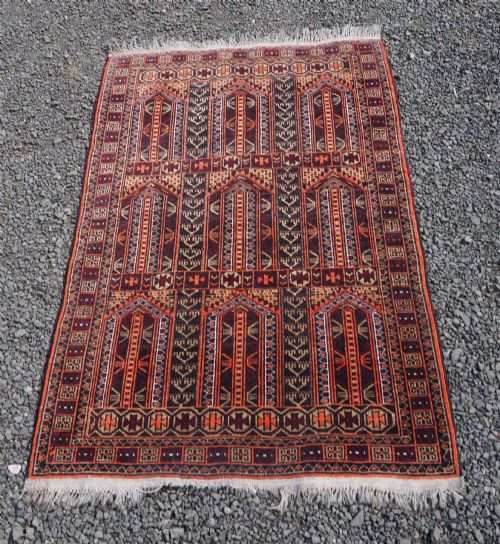
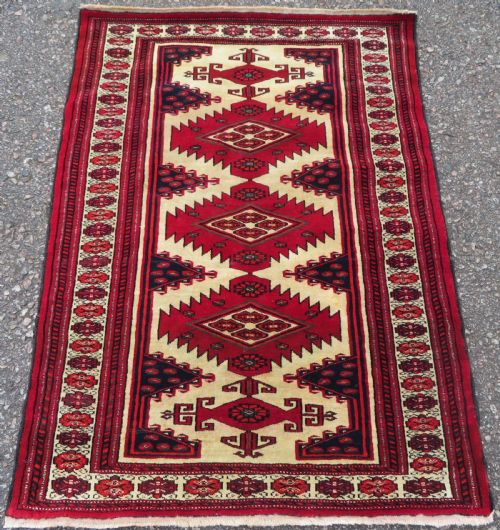
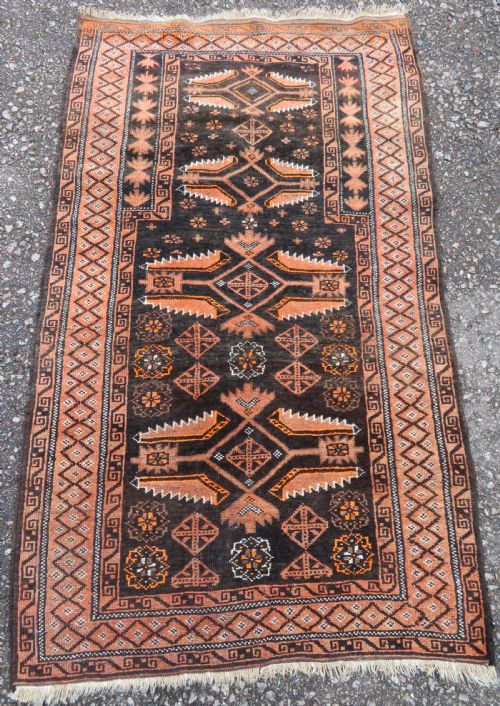
Afghan Wool Rug
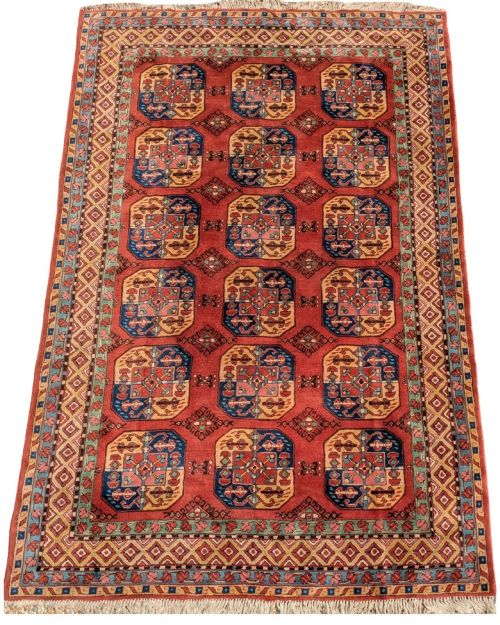
An afghan wool rug brings deep red tones and tribal motifs into a room, offering durability and historical charm.
Afghan Wool Rug
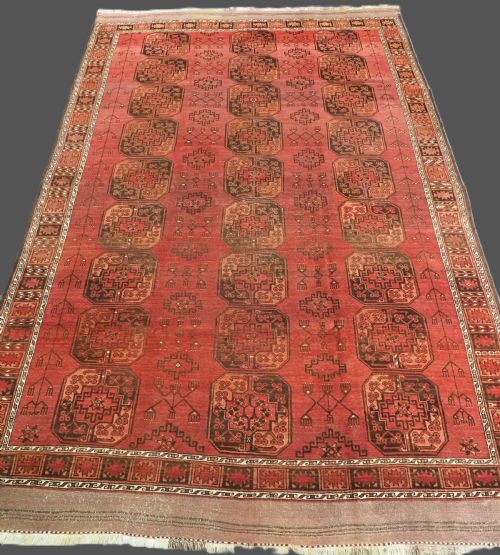
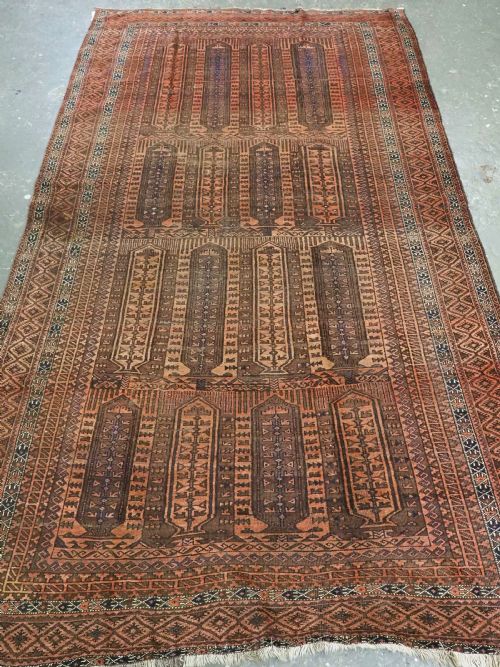
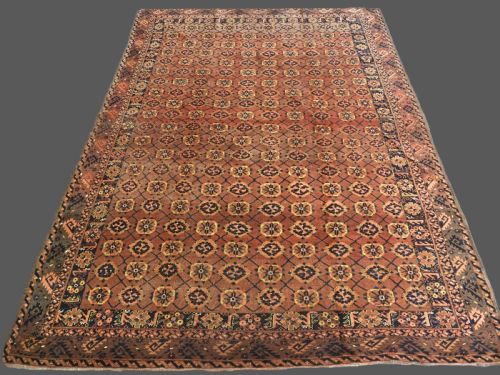
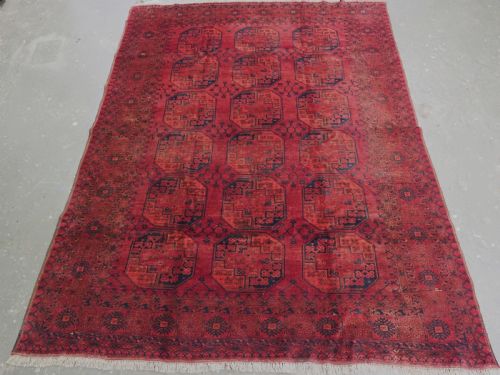
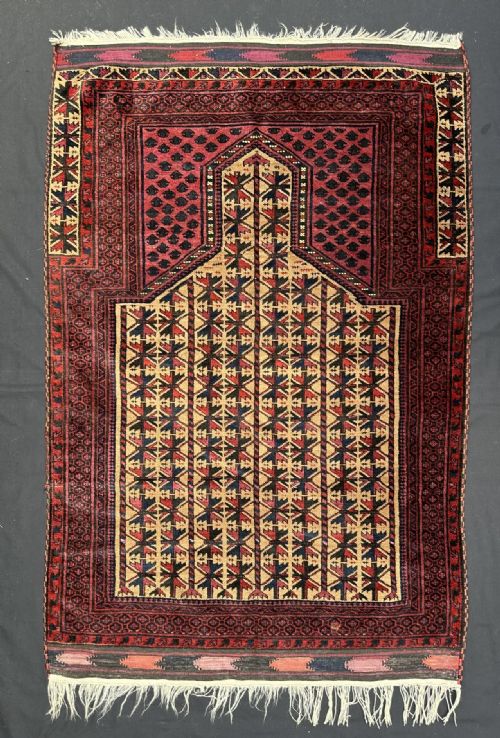
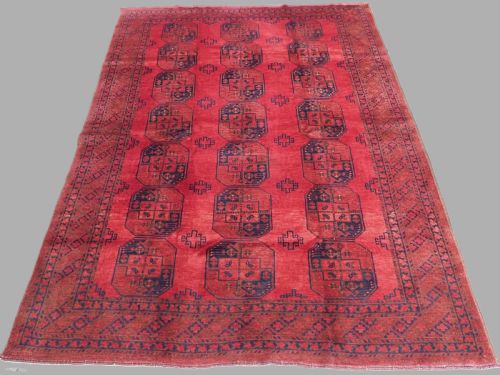
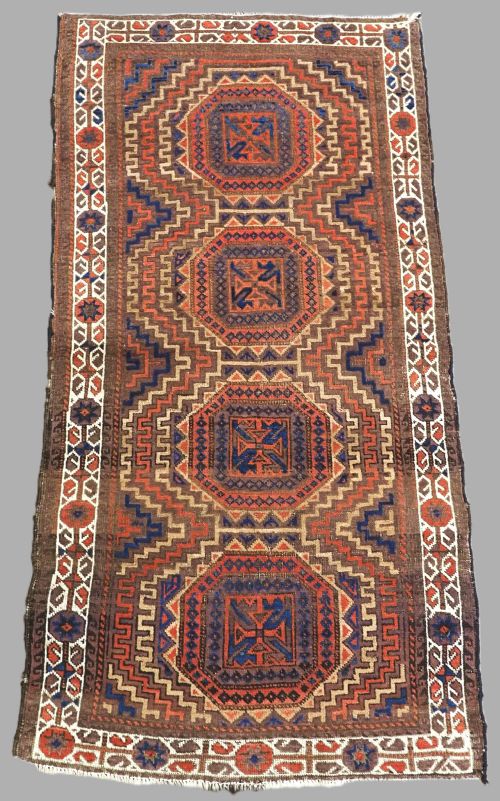
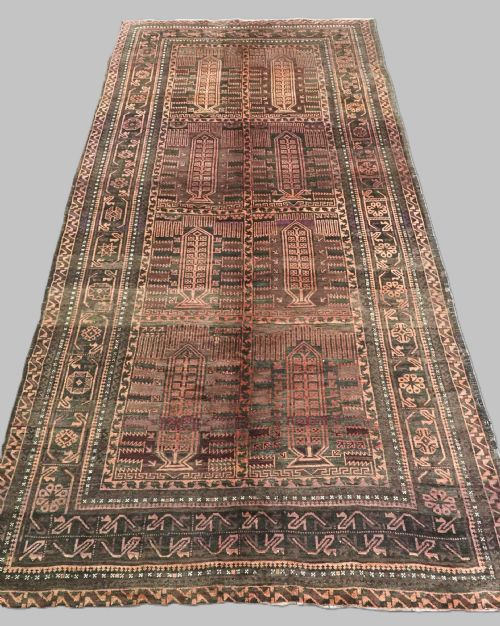
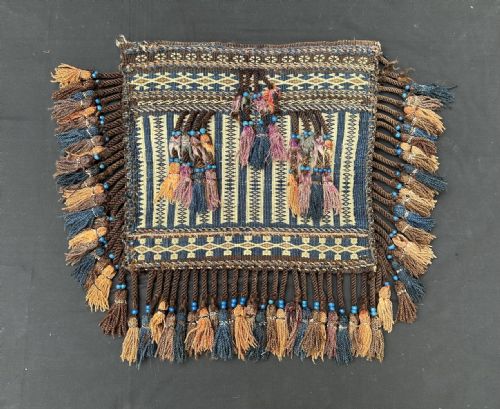
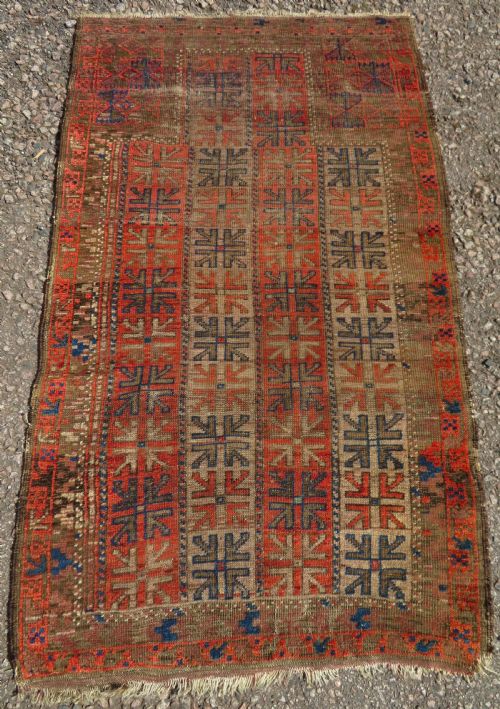
An afghan wool rug is a woven textile produced by nomadic and village groups across the region, encompassing main carpets, prayer rugs, and utilitarian storage bags. The pieces encountered most frequently on this page date from the late nineteenth century through to the early decades of the twentieth century, reflecting traditional tribal patterns.
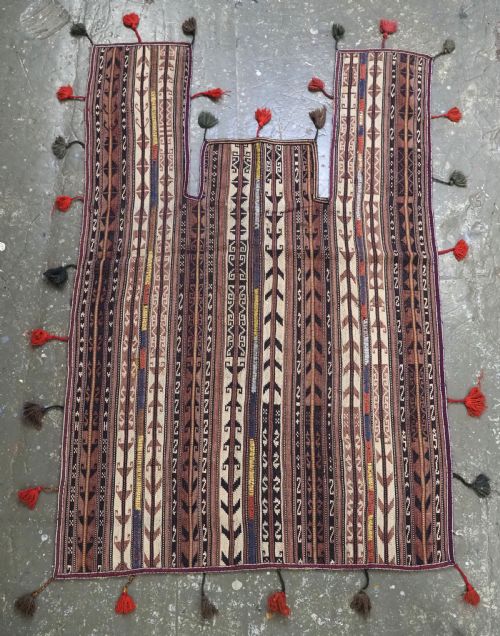
The inventory includes specialised formats such as double mihrab prayer rugs, horse blankets, and dining sofreh cloths alongside standard floor coverings. Makers from specific tribal groups like the Baluch, Ersari Turkmen, and Timuri contributed distinct regional designs that define the category.
Geographic origins span the borderlands of Persia and Afghanistan, incorporating village workshops and nomadic encampments. These textiles served practical domestic functions before entering the decorative market as collectible antique floor pieces.
How they were made
Weavers utilised hand-spun wool and camel wool for the pile and foundation, occasionally incorporating goat hair for durability along the edges. Natural dyes provided the characteristic warm red colour palettes and deep blue tones seen across the surviving examples.
Foundation structures typically combine wool with cotton warps and wefts, while specialised items like balisht storage bags feature plain weave backs. Artisans employed knotting and flatweaving techniques, sometimes mixing methods within a single prayer rug or grain bag.
Afghan Wool Rug Retail Price Guide 2026
Typical asking prices for afghan wool rug among the pieces listed under this phrase on Sellingantiques today, from the lower quarter to the upper quarter. They describe what is for sale here now, not the wider market.
Listings feature pieces utilising camel wool, goat hair, and hand-spun wool dyed with natural substances.
What varies in quality
Quality in these textiles rests upon the density of the weave and the lustre of the fleece, with softer wool yielding a more tactile surface. Finer examples display precise execution of traditional guls and border motifs, showing deliberate control over the geometric layout.
The depth and stability of the natural dyes influence the visual success of a piece, as well-pitted colours develop a softer patina over decades of use. Variations also arise from the individuality of tribal designs, distinguishing standard village production from more expressive ceremonial or tribal formats.
The Afghan Wool Rug Glossary
- Mihrab
- The arched niche design found on prayer rugs, directing the focus towards a spiritual orientation. This architectural motif often includes geometric framing or double arches.
- Gul
- An octagonal medallion motif repeated across Turkmen and tribal carpets. Each pattern typically identifies a specific clan or tribal lineage.
- Sofreh
- A flatwoven or piled cloth used historically for sharing meals or kneading bread. These rectangular textiles frequently display stark geometric border systems.
- Balisht
- A traditional small storage or grain bag produced by nomadic weavers. They combine decorative face piles with plain weave flat backs.
- Kalam Donneh
- A specific recurring pattern motif found within regional carpet designs. It translates visually into repeating boteh or paisley-like configurations.
Afghan Wool Rug: Frequently Asked Questions
How do I clean an antique rug?
Gentle surface brushing and professional specialist washing help preserve the natural lanolin in antique wool.
Harsh chemical detergents and excessive moisture should be avoided to protect the historic foundation fibres and natural dyes.
Where were these tribal rugs woven?
Weavers produced these textiles in nomadic camps and small villages across Afghanistan and the Persian borderlands.
Specific tribes such as the Baluch, Ersari, and Timuri worked within distinct regional territories and design traditions.
What is a prayer rug used for?
Prayer rugs traditionally served as portable mats for daily devotional acts, marked by a distinct mihrab arch.
Their smaller dimensions also suited domestic placement as intimate floor coverings or wall hangings.
How can I tell the age of a piece?
Indicators of age include hand-spun wool textures, natural dye variations, and traditional tribal design structures.
Comparative analysis with dated examples and archive records helps narrow down the production period to the late nineteenth or early twentieth century.