

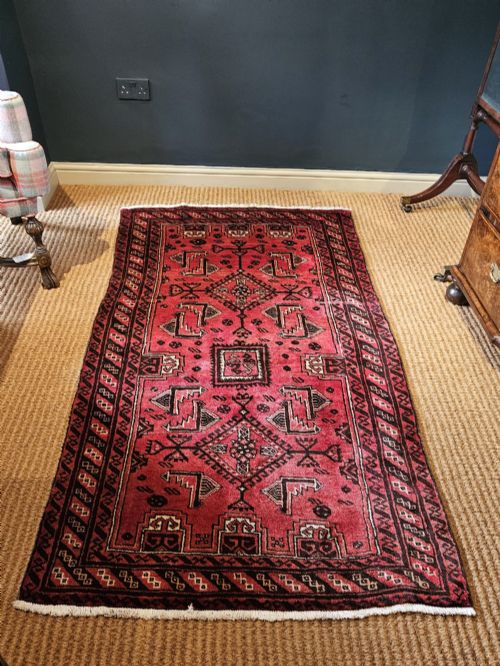
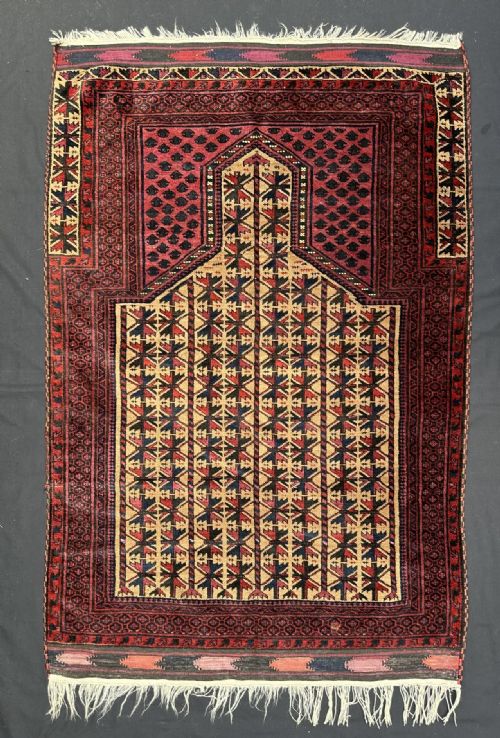
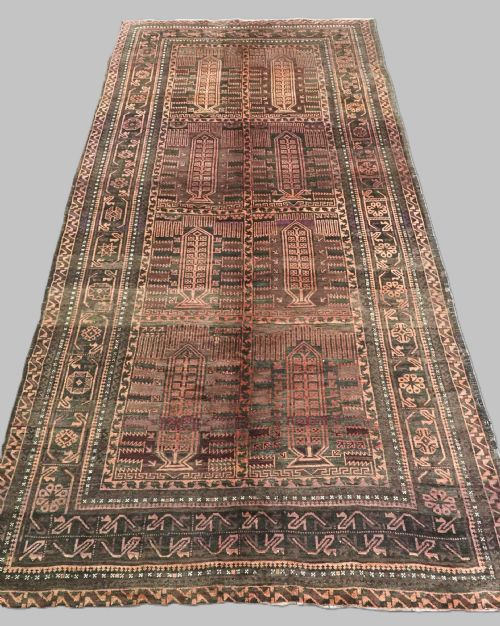
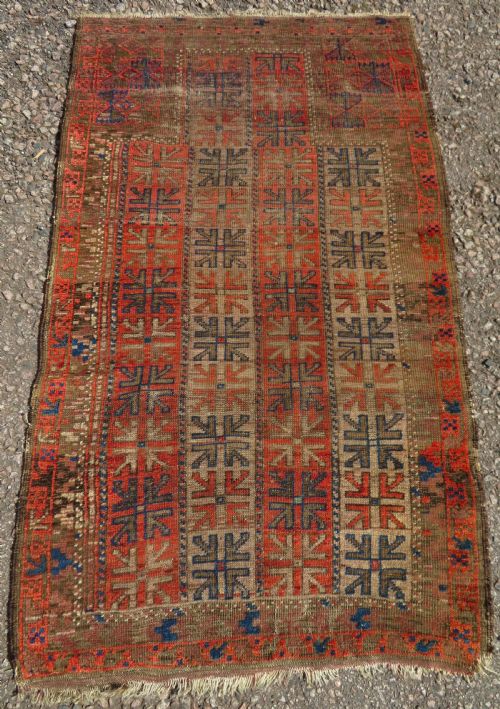

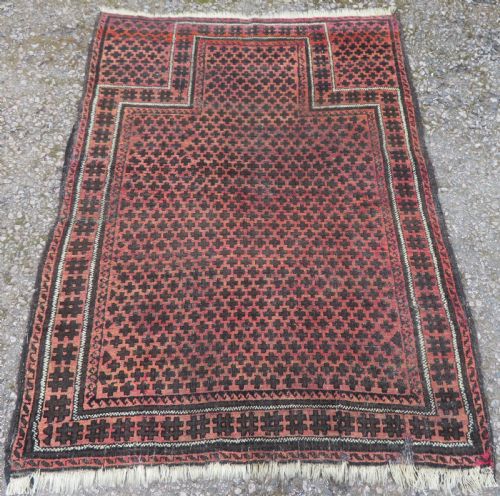


Red Baluch Rug
A red baluch rug brings the rich, earthy tones and nomadic heritage of tribal weavers directly into your living space.
Red Baluch Rug
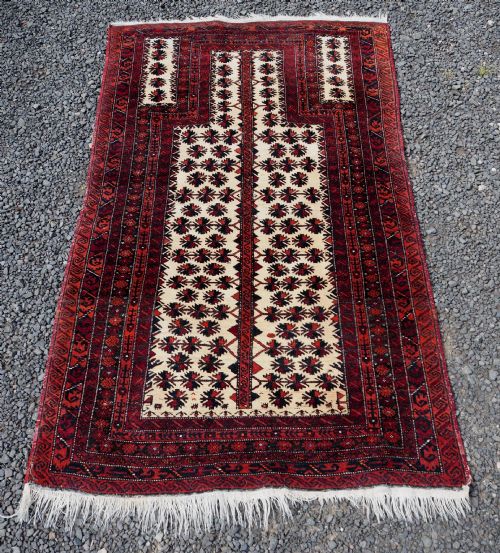
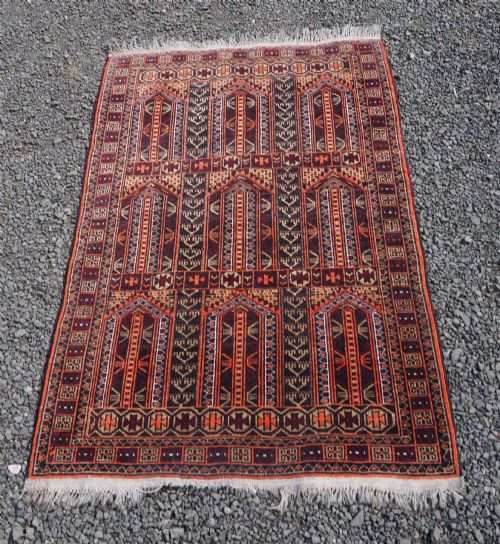
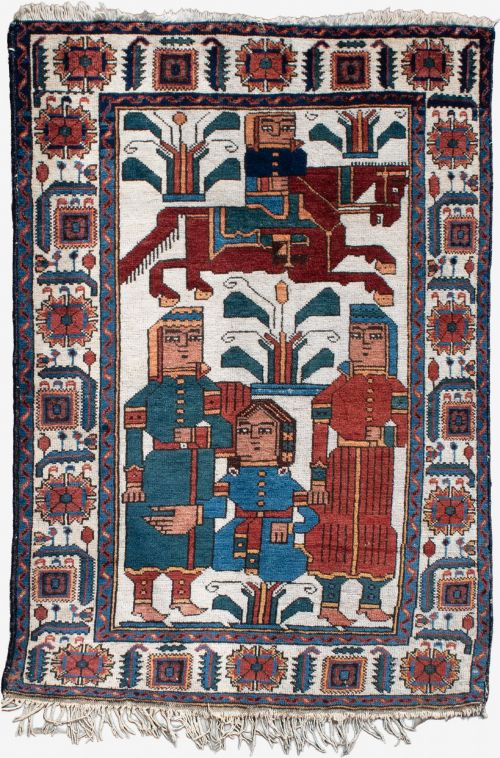
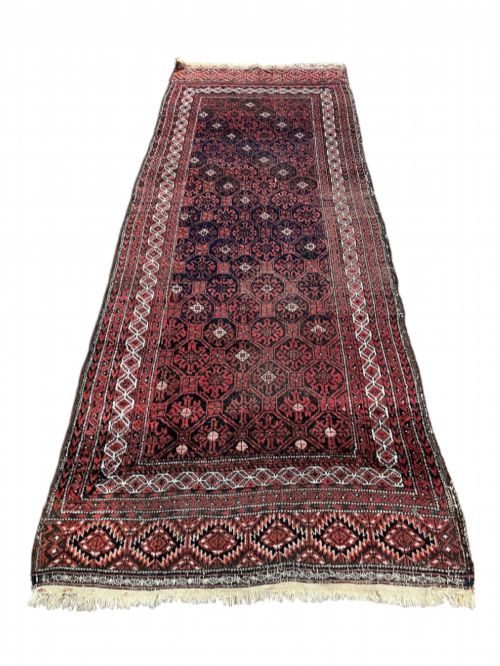
A red baluch rug represents the artistic output of nomadic and village weavers from the borderlands of Persia and Afghanistan. These textiles encompass floor coverings, prayer rugs with mihrab designs, runners, and practical household pieces such as storage bags and sofres.
Most examples found here date from the late nineteenth century through the early decades of the twentieth century. They typically display deep madder reds alongside dark wool foundations and characteristic tribal motifs.
Materials and construction
Weavers utilised hand-spun wool, cotton, and occasionally goat or camel hair to build sturdy foundations and tactile piles. Natural dyes provided the deep reds, browns, and dark blues that define the palette of these textiles.
Nomadic workshops employed traditional upright looms to produce both knotted-pile carpets and flatweave structures. Additional elements such as cowrie shells sometimes appear on utilitarian bags and smaller pieces.
Red Baluch Rug Retail Price Guide 2026
Typical asking prices for red baluch rug among the pieces listed under this phrase on Sellingantiques today, from the lower quarter to the upper quarter. They describe what is for sale here now, not the wider market.
Certain utilitarian storage bags retain original cowrie shells, once sewn on to ward off the evil eye.
Assessing quality in weaving
Quality rests in the handling of the wool and the depth of the natural dyes. Finely spun wool yields a softer pile that retains resilience over generations of use.
The clarity and precision of tribal motifs, from pencil box patterns to double mihrabs, indicate the weaver's skill. Tighter knotting and secure structural edges separate the finest village and nomadic work from standard utility pieces.
Timuri Dokhtar e Qazi Tribe·Salar Khani Tribe·Taimani Baluch·Bahluli Baluch
The Red Baluch Rug Glossary
- Mihrab
- An arch-shaped design motif representing the prayer niche found in mosques. It forms the focal point of many traditional prayer rugs.
- Sofreh
- A cloth or spread used for dining or kneading bread within nomadic households. These flatweaves often feature geometric field patterns.
- Flatweave
- A textile constructed without a pile by interlacing warp and weft threads. Examples include storage bags and eating cloths.
- Madder
- A natural red dye derived from the roots of the rubia plant. It supplies the characteristic reddish hues seen across these tribal pieces.
- Balisht
- A traditional small storage bag or pillow cushion. These items served functional roles in nomadic tents.
Red Baluch Rug: Frequently Asked Questions
Where were these rugs made?
These textiles originate from the border regions of Persia, Afghanistan, and Central Asia. Nomadic and village tribes produced them for daily domestic utility and personal use.
Weavers utilised local materials and traditional designs passed down through generations within specific regional groups.
How do I care for an old rug?
Gentle vacuuming without a rotating brush helps remove dust and grit from the pile. Professional textile cleaning is recommended for deep maintenance.
Keeping the textile away from direct sunlight preserves the natural dyes and prevents the wool from drying out over time.
How do I date a tribal piece?
Dating relies on examining the types of wool, natural dye palettes, and structural wear. Pieces from the nineteenth and early twentieth century display distinct hand-spun characteristics.
Structural analysis of the foundation threads and fringe finishing helps confirm the period of manufacture.