
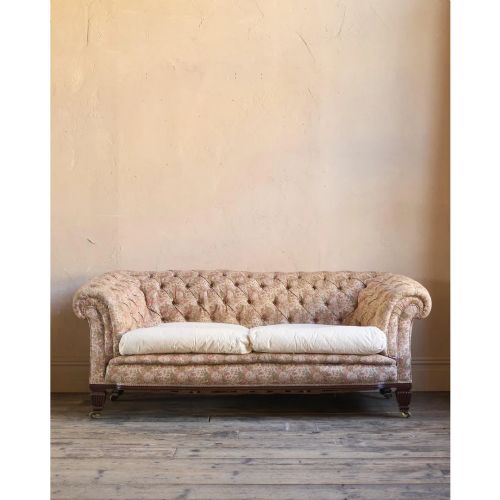
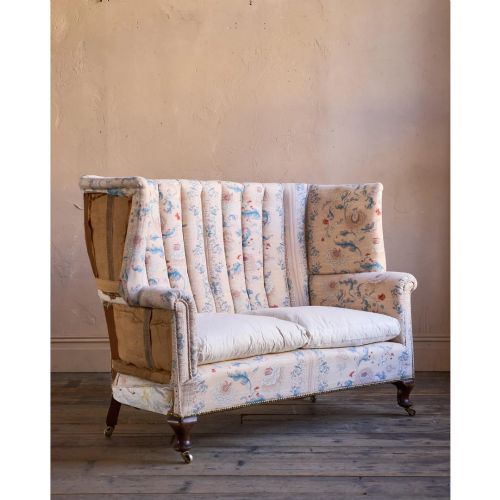
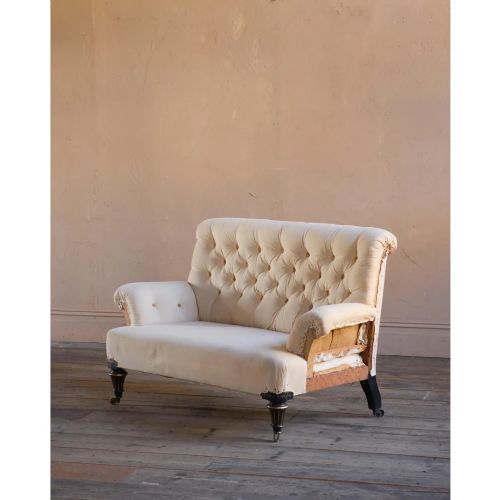
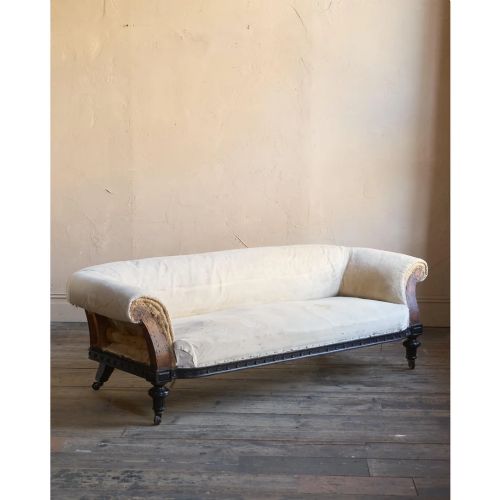
19th Century Upholstered Sofa
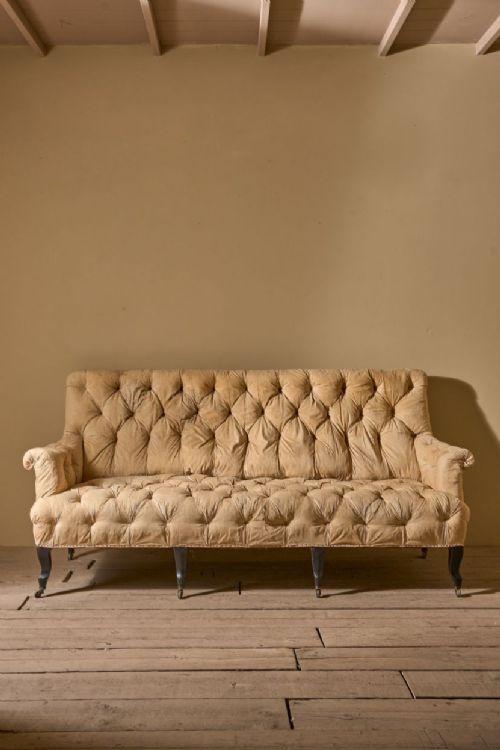
When hunting for a 19th century upholstered sofa, you encounter deep-sprung Chesterfields, elegant chaise longues, and carved walnut or mahogany frames designed for formal drawing rooms.
19th Century Upholstered Sofa
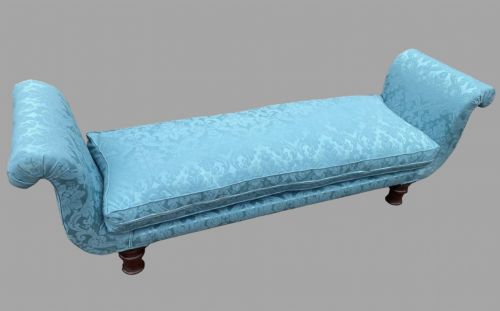
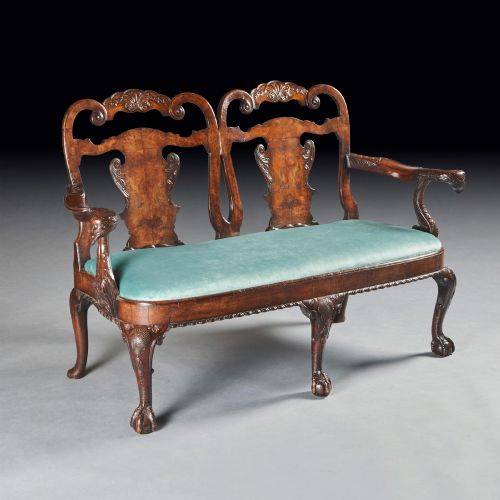
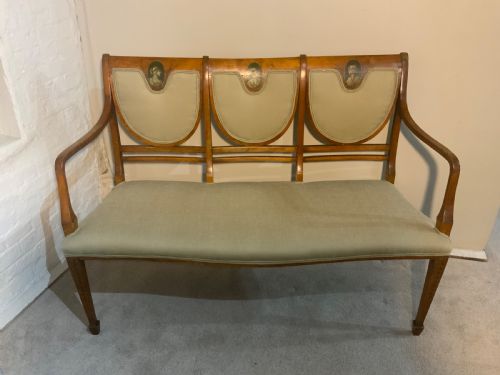
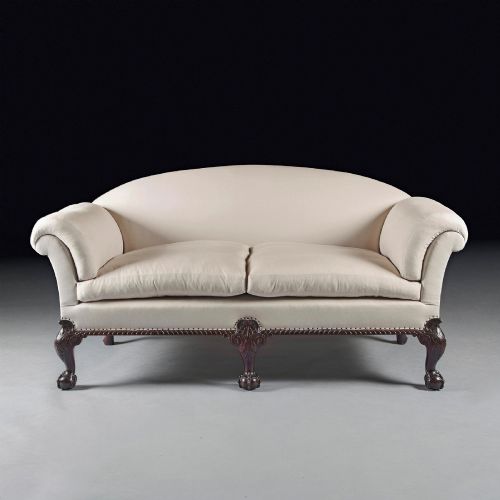
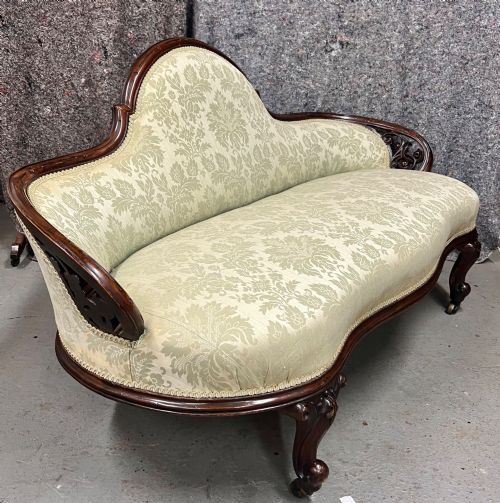
A 19th century upholstered sofa encompasses a broad variety of seating, from generous Victorian Chesterfields and drop-arm designs to Regency scroll end couches and French salon suites. The forms range from two-seater settees and daybeds to large mahogany or walnut frames carrying elaborate carved scroll ends.
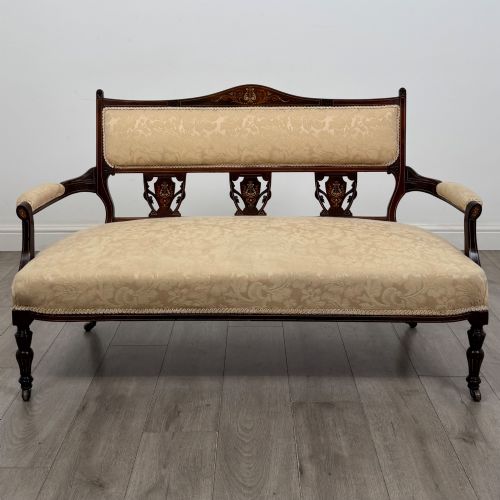
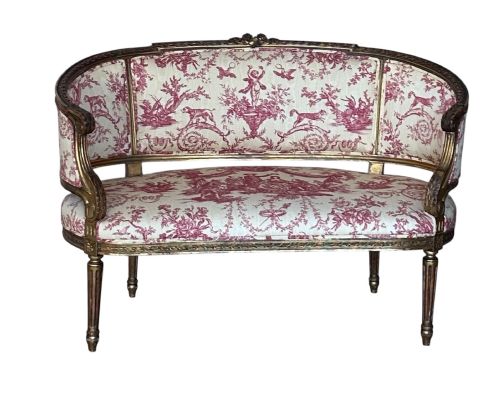
You meet pieces originating from English workshops, French ateliers, and continental makers, spanning stylistic revivals such as Louis XV, Rococo, and the Aesthetic Movement. Many examples integrate exposed wooden structures in rosewood, satinwood, or oak beneath traditional upholstery fabric, calico, or leather.
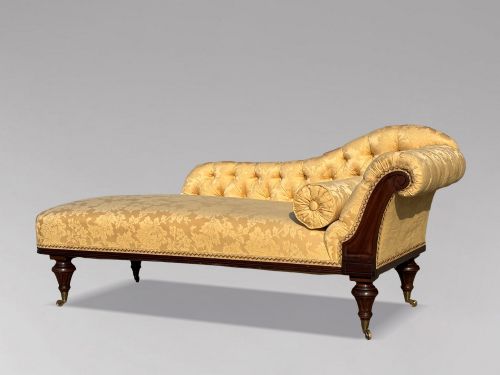
The category includes specialised seating like the chaise longue and the lit bateau, alongside more conventional camel back and chair back settees. These items reflect the shifting domestic fashions of the Victorian era and the preceding Regency period.
Materials and Techniques
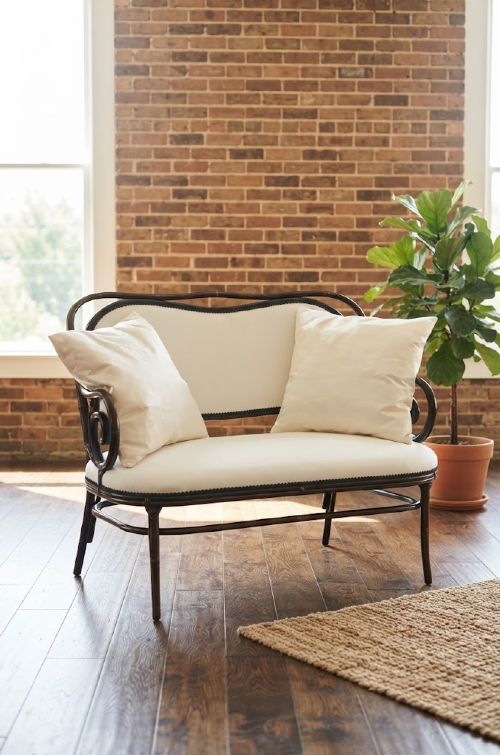
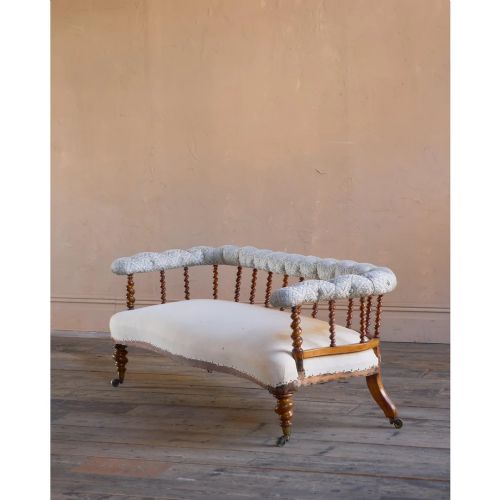
Makers constructed the structural frames of a 19th century upholstered sofa using dense hardwoods like mahogany, walnut, rosewood, and oak, often incorporating inlaid details, brass accents, or gilded finishes on French models. Ebonised finishes and bentwood techniques also appear on pieces aligned with the Aesthetic Movement.
Upholstery methods relied on heavy foundational fabrics such as calico, linen, and leather, frequently layered beneath top covers of velvet, needlework, silk, or patterned upholstery fabric. Traditional hand-tack methods and braided trims secured the textile layers to the wooden chassis.
Carving and turning defined the exposed woodwork, resulting in fluted legs, ball and claw feet, and shaped arms. Cabinetmakers employed precise joinery to support heavy sprung interiors and deep padding across larger frames like Chesterfields.
Some nineteenth-century chaises allowed lounging ladies to recline without crushing elaborate dresses.
Quality and Craftsmanship
The caliber of a 19th century upholstered sofa rests primarily on the integrity of the underlying woodwork and the pedigree of its maker. Pieces emerging from notable firms display superior timber selection, refined hand-carving on structural elements, and balanced proportions.
Finer examples maintain rigid frame stability and sophisticated joinery, whereas simpler provincial pieces show more utilitarian construction. The complexity of the upholstery work, the weight of the supporting frame, and the precision of decorative inlays further distinguish standard production from exhibition quality pieces.
Thonet·C. Hindley and Sons·Jackson and Graham·Howard and Sons·Hampton and Sons·Liberty London·Gillows
The 19th Century Upholstered Sofa Glossary
- Chesterfield
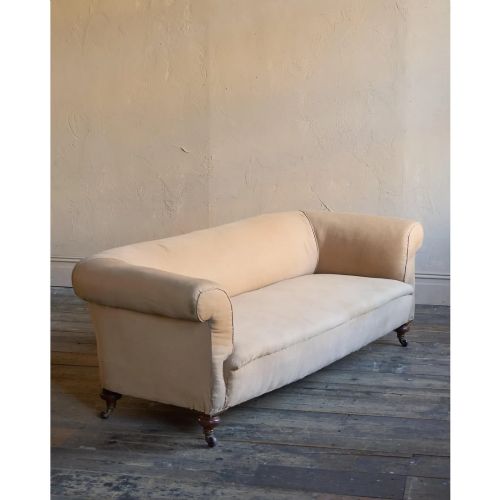
- A large, deep-buttoned sofa traditionally upholstered in leather or velvet with arms and back of the same height. This form remains a staple of 19th century seating.
- Chaise Longue
- An upholstered couch-like seat intended for reclining, featuring a single raised backrest or end piece. These pieces often showcase carved rosewood or mahogany frames.
- Canapé
- A French term for an ornamental sofa with an exposed wooden frame, frequently seen in Louis XV and Rococo revival styles. They often feature painted or parcel-gilt finishes.
- Drop Arm Sofa
- A seating form equipped with a mechanical or adjustable arm that lowers to create a daybed configuration. Late Victorian examples often utilise this functional design.
- Lit Bateau
- A French daybed or sofa bed characterised by outward-curving head and footboards resembling a boat. This classic form dates back to the Regency and early 19th century periods.
19th Century Upholstered Sofa: Frequently Asked Questions
What is a drop arm sofa?
A drop arm sofa includes a hinged or adjustable end mechanism that allows one arm to lower flat. This provides flexibility for reclining.
Victorians utilised these versatile pieces in drawing rooms and boudoirs as both seating and daybeds.
How do I date a Victorian sofa?
Dating relies on stylistic shifts, such as the transition from heavy Regency mahogany and rosewood frames to the elaborate carved walnut typical of mid to late Victorian revivals. Cabinetmakers also incorporated specific regional woods and upholstery techniques.
Examining the construction methods beneath the upholstery fabric helps confirm the period of manufacture.
Where should I place a chaise longue?
A chaise longue works best as a standalone statement piece in a master bedroom, study, or spacious living area. Its asymmetrical profile requires open floor space to appreciate the carved woodwork.
Position it away from direct sunlight to protect antique textiles and exposed rosewood or walnut surfaces.