



French Napoleon III Sofa
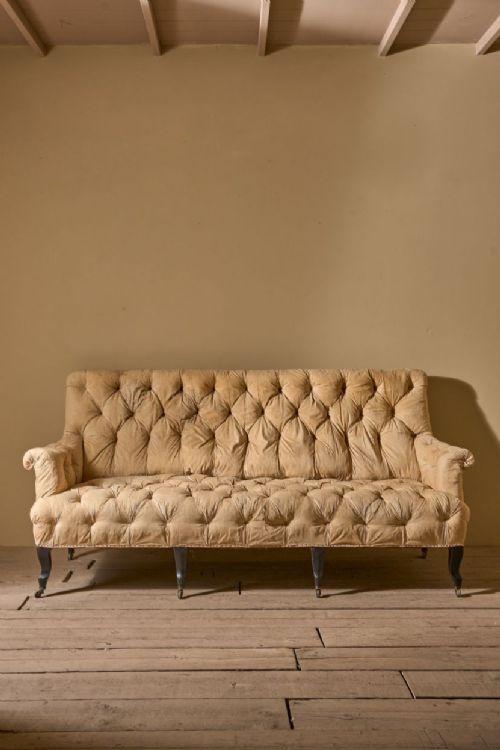
A french napoleon iii sofa brings lavish nineteenth-century Parisian comfort to a room through deep buttoning, ebonised wood, and sumptuous velvet upholstery.
French Napoleon III Sofa
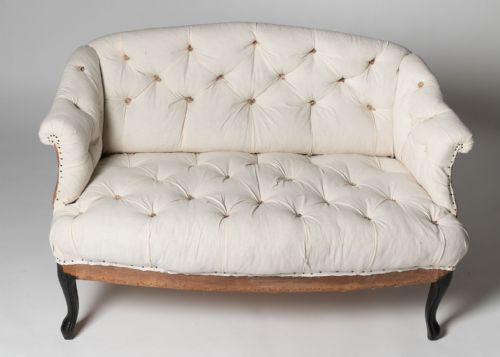
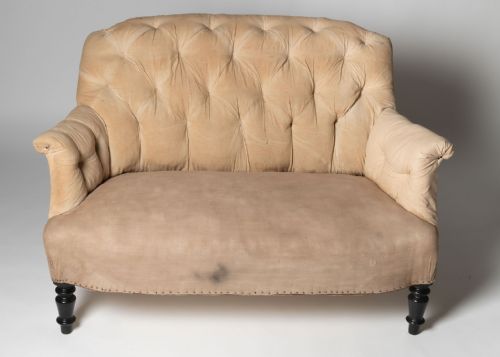
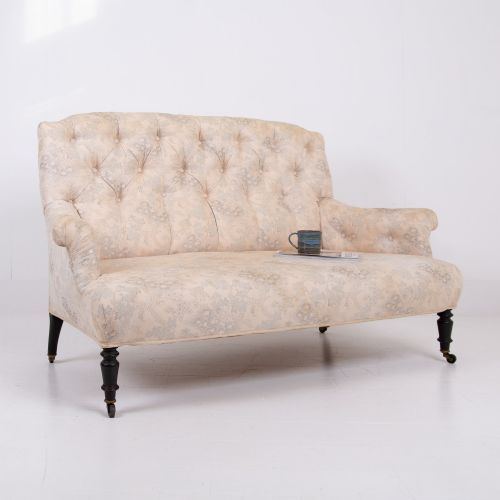
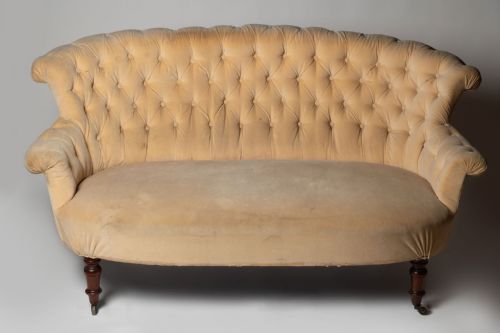
A french napoleon iii sofa is a nineteenth-century seating piece defined by rounded, tub, or curved buttoned backs and heavy upholstery. These items emerge from the 19th Century and Victorian eras, reflecting French Chateau and French Empire design influences.
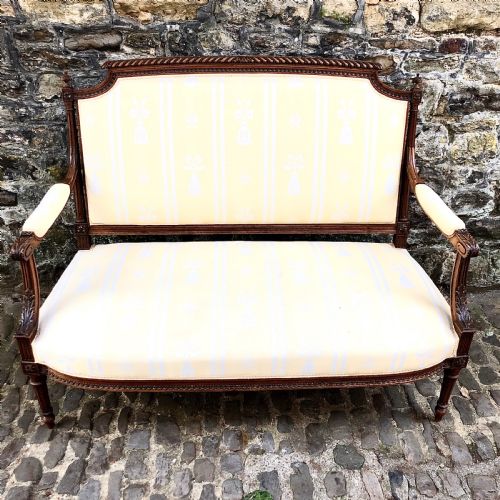
Buyers will encounter two-seat settees, tub-backed crapaud models, and high-backed small sofas alongside related forms like chaise longues. Walnut, ebonised timber, and rosewood form the structural foundations of these seating pieces.
The aesthetic leans heavily into ornate nineteenth-century French tastes, often incorporating exposed polished wood frames and deep sprung seats. Many examples arrive upholstered in velvet, linen, or corduroy fabrics.
How they were made
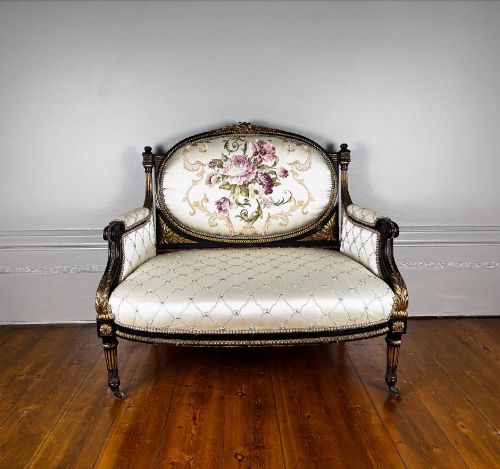
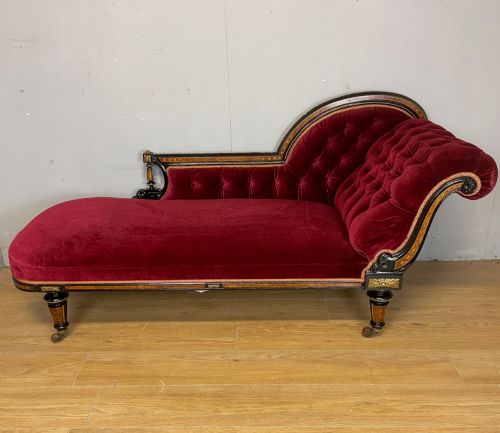
Cabinetmakers utilised dense hardwoods such as walnut, rosewood, and ebonised timber to construct the structural frames of these nineteenth-century seats. Ebonised finishes were frequently paired with parcel gilt details to emulate the look of solid ebony.
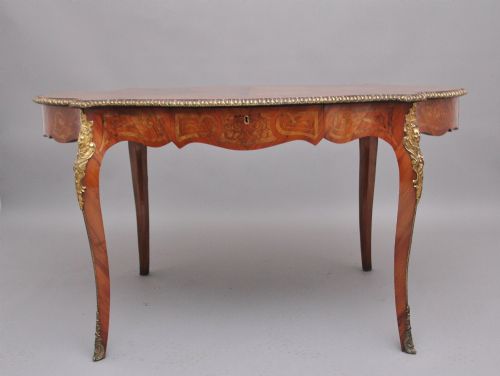
Upholstery techniques relied on deep buttoning across the backrests and seats, securing the padding tightly within velvet, linen, or corduroy coverings. Ormolu mounts and inlaid panels of contrasting wood veneers occasionally decorate the exposed wooden elements.
French Napoleon III Sofa Retail Price Guide 2026
Typical asking prices for french napoleon iii sofa among the pieces listed under this phrase on Sellingantiques today, from the lower quarter to the upper quarter. They describe what is for sale here now, not the wider market.
Listings feature 19th Century and Victorian periods, utilising materials such as ebonised wood, walnut, velvet, and ormolu across various sofa forms.
What varies in quality
Quality rests upon the crispness of the ebonised finish, the integrity of the underlying hardwood frame, and the precision of the hand-turned or carved wooden components. Superior examples maintain firm structural rigidity without excessive movement in the joints.
The refinement of the buttoning work and the selection of secondary timbers like walnut or amboyna distinguish finer items from simpler production pieces. Ormolu mounts, where present, demonstrate varying levels of crispness in their cast detail.
The French Napoleon III Sofa Glossary
- Napoleon III
- A nineteenth-century French design style spanning the reign of Napoleon III, characterised by eclectic revivals, deep buttoning, and dark ebonised woods. This aesthetic dominated Parisian interiors during the middle and late decades of the era.
- Ebonised Wood
- Timber treated with a dark stain or finish to imitate the appearance of solid ebony. Cabinetmakers utilised this technique extensively to create stark contrasts with gilt highlights or bright upholstery.
- Ormolu
- Gilded bronze ornamentation applied to furniture frames and decorative panels. This technique adds metallic brilliance and ornamental relief to nineteenth-century French seating and tables.
- Chaise Longue
- An upholstered long chair designed for reclining, combining a seat with an attached backrest and partial arm support. These pieces share the stylistic vocabulary and buttoned upholstery of contemporaneous sofas.
- Crapaud
- A low, heavily upholstered tub-back armchair or small sofa designed for deep lounging comfort. The term translates literally to toad, describing the squat and rounded profile.
French Napoleon III Sofa: Frequently Asked Questions
What is a french napoleon iii sofa?
A french napoleon iii sofa is a nineteenth-century seating form originating in France, known for its curved or tub-shaped buttoned backrest and exposed wooden frame. These pieces combine deep upholstery with rich materials like walnut, ebonised timber, and velvet.
Cabinetmakers of the period built these settees to provide luxurious comfort within formal Parisian drawing rooms. They appear in configurations ranging from compact two-seat models to generous curved button-backed designs.
How do I identify a napoleon iii sofa?
Identification relies on observing specific nineteenth-century design traits such as deep buttoning, rounded tub backs, and ebonised or rosewood frames. The presence of French stylistic influences and nineteenth-century construction methods confirms the period.
Examining the underside reveals period timber construction and traditional webbing techniques. Upholstery styles often feature velvet, linen, or corduroy finishes stretched tightly over sprung seats.
Were these sofas used in pairs?
Nineteenth-century drawing rooms frequently utilised matching seating arrangements to balance large formal reception spaces. While many survive as singular items, matching pairs of settees or suites containing armchairs and sofas were produced for grand interiors.
Arranging these pieces together creates a cohesive period aesthetic derived from French Chateau and Second Empire decorating practices. The matching woodwork and upholstery fabrics tie large rooms together visually.
What woods were used for these frames?
Frameworks typically consist of walnut, rosewood, or general timber finished with an ebonised coating to resemble solid ebony. Cabinetmakers selected these dense hardwoods to support the heavy interior springing and deep buttoning.
Inlaid panels of contrasting woods or parcel gilt highlights frequently adorn the primary structural elements. The quality of the underlying timber often reflects the overall tier of the piece.