


19th Century Spode
These pieces of 19th century spode bring the celebrated output of Staffordshire kilns straight to your table, offering exceptional porcelain, bone china, and earthenware that collectors prize for their intricate hand-painting and transfer printing.
19th Century Spode
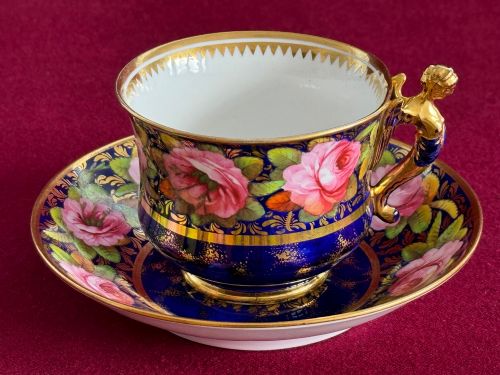
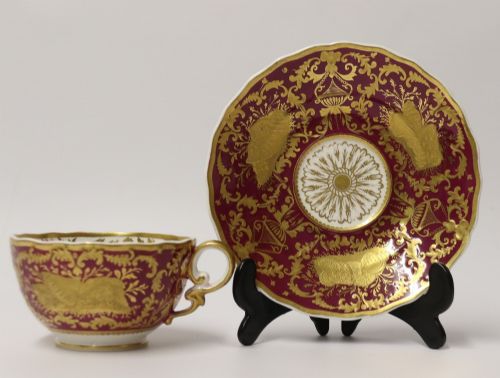
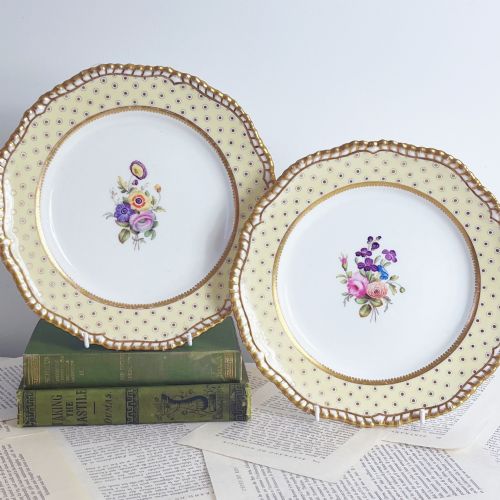
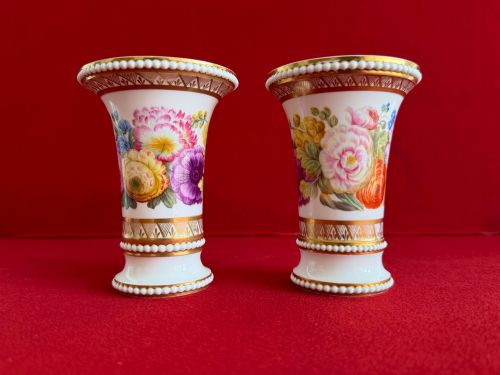
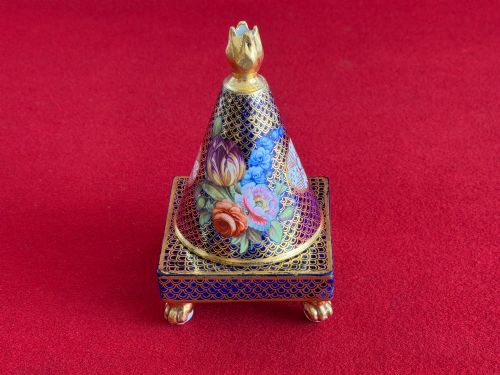
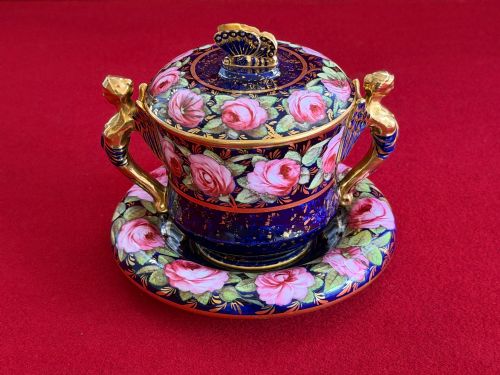
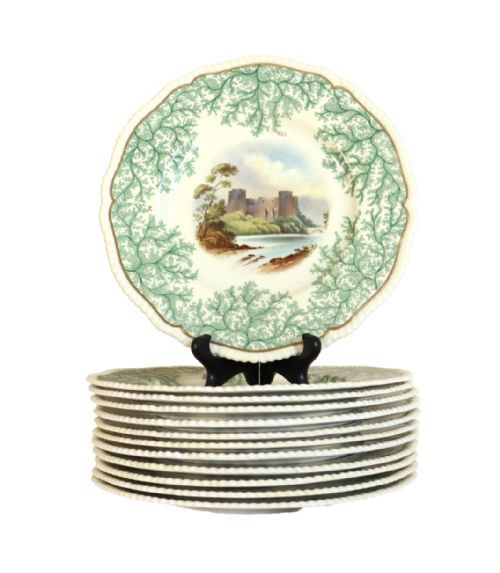
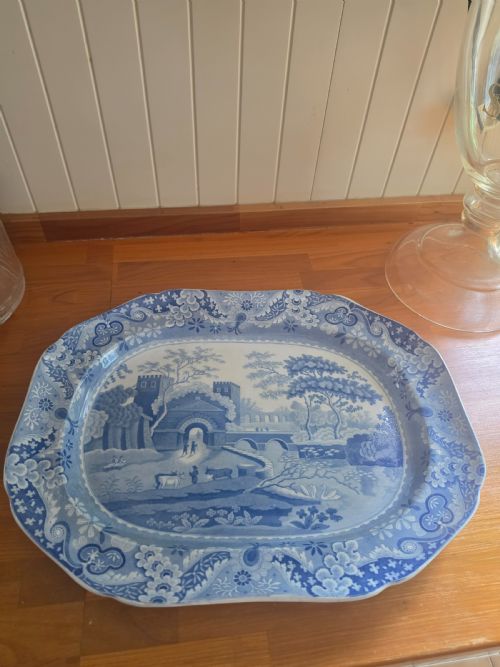
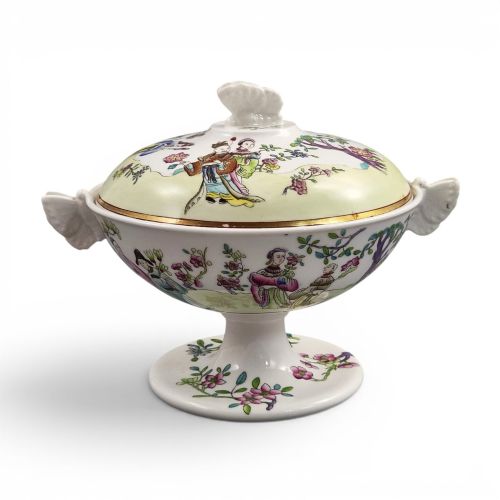
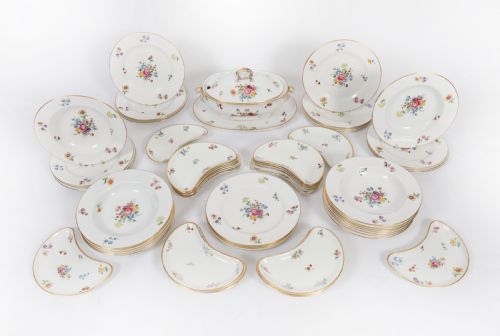
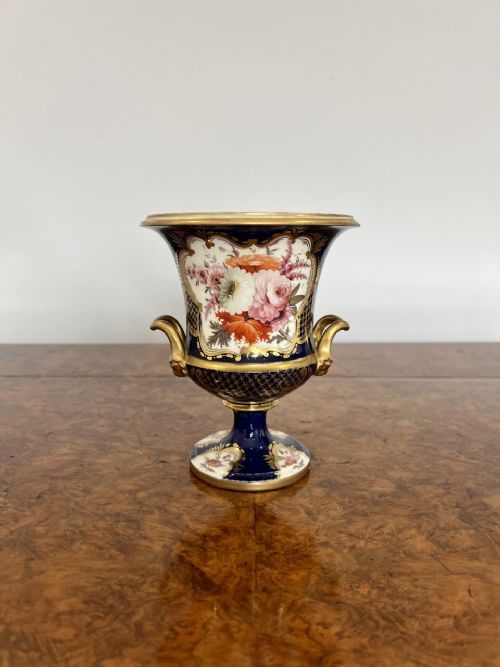
When searching for 19th century spode, you encounter a diverse array of domestic and decorative objects spanning utilitarian tableware and fine display pieces. The selection on this page centres heavily on tableware such as dinner plates, serving platters, and dessert services, alongside specialised items like chocolate cups, pastille burners, and spill vases.
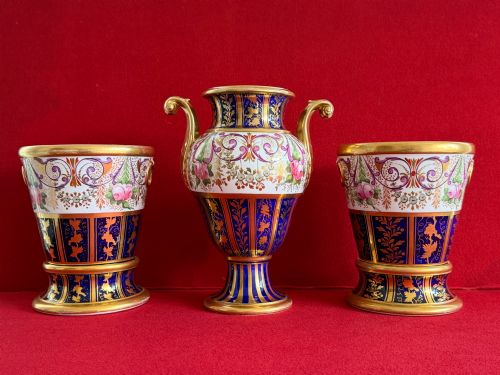
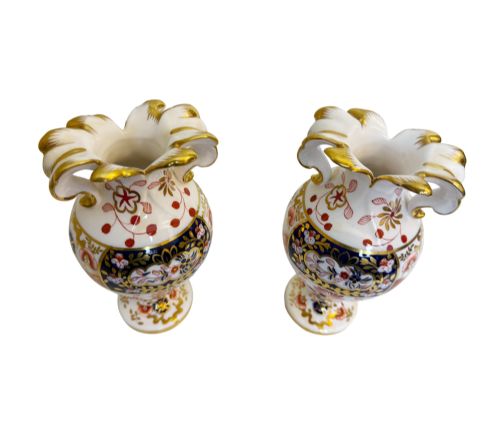
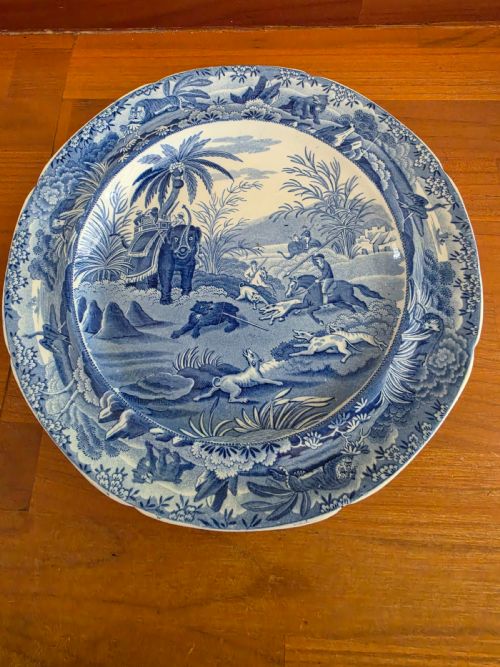
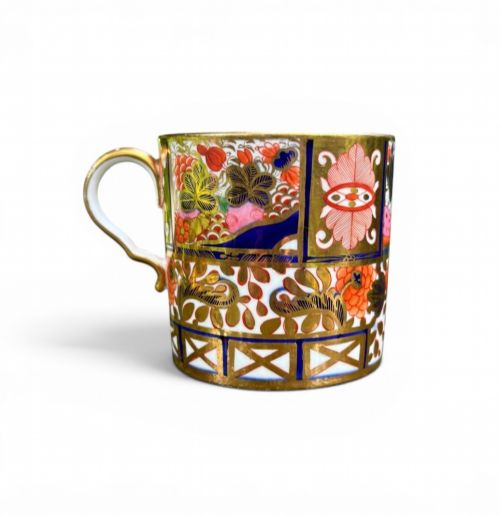
Most examples date from the Regency and Georgian periods, showcasing the technical innovation of the era through refined forms. You will frequently find classic blue and white transfer printed earthenware alongside richly gilded porcelain decorated in Imari patterns.
The assortment extends from functional jugs and tazzas to cabinet cups, offering both everyday utility for the dining room and decorative focus for the mantelpiece. Each category reflects the factory's mastery over ceramic bodies and decorative finishes during the nineteenth century.
How they were made
The manufacture of these ceramics relies on refined ceramic bodies including bone china, felspar porcelain, and earthenware. Potters shaped these materials on wheels or pressed them into moulds to create intricate forms like cornucopia, twin-handled vases, and graduated jugs.
Decoration combined skilled hand-painting with copperplate transfer printing in cobalt blue and enamel colours. Artisans then applied gold leaf, gilding, and clear glaze before firing the pieces in kilns to fix the vibrant colours and metallic accents.
19th Century Spode Retail Price Guide 2026
Typical asking prices for 19th century spode among the pieces listed under this phrase on Sellingantiques today, from the lower quarter to the upper quarter. They describe what is for sale here now, not the wider market.
Samuel Spode turned away from ceramics entirely to paint equine portraits, capturing notable horses like William The Conqueror on canvas.
What varies in quality
Quality in these ceramics rests upon the crispness of the transfer print and the precision of the hand-painted enamels. Finer examples display sharp outlines in patterns like Italian or Tower, whereas lesser pieces can exhibit blurred transfer lines or muddy colour separation.
The application of gold leaf and gilding marks another clear distinction across the range. Top-tier items retain thick, burnished gold work that remains bright, while standard production often shows rubbing and thin gilding from heavy historical use.
Spode·Copeland·Copeland and Garrett·Samuel Spode
The 19th Century Spode Glossary
- Bone china
- A type of porcelain containing animal bone ash, producing a strong, milky-white body that allows for thinner vessel walls. This material became a staple for fine nineteenth-century teacups and cabinet plates.
- Felspar porcelain
- An innovative ceramic body introduced during the Regency period, utilising felspar to improve durability and translucency. It frequently appears in dessert services and pedestal bowls from the era.
- Imari
- A decorative style inspired by Japanese export wares, featuring a distinct palette of cobalt blue, iron red, and abundant gold leaf. Spode adopted this aesthetic enthusiastically for cups, saucers, and vases.
- Transfer printing
- A mechanical method of applying complex designs to pottery by pressing paper inked from a copperplate onto the ceramic surface. This technique allowed for detailed landscape scenes on large meat platters and dinner plates.
- Pastille burner
- A small ceramic vessel perforated to allow the scented smoke of burning pastilles to escape into a room. These decorative pieces often take architectural or classical forms.
19th Century Spode: Frequently Asked Questions
How do I identify genuine 19th century spode?
Look for factory marks stamped or painted on the base, though many early pieces rely on distinct pattern numbers and characteristic ceramic bodies.
The style of decoration, such as classic blue and white transfer printing or Regency Imari palettes, also helps confirm the manufacturing era.
Were these pieces used daily or displayed?
Many items, including dinner services, meat platters, and jugs, served practical functions in nineteenth-century dining rooms and kitchens.
At the same time, delicate cabinet cups, pastille burners, and spill vases were intended primarily for display in parlours and drawing rooms.
Can I use these antique plates for dining?
While durable earthenware and bone china plates were built for functional use, centuries of wear make many collectors prefer them for display.
If you choose to dine with them, hand washing is essential to preserve the delicate hand-painted enamels and gold leaf gilding.
What is an Imari pattern on these ceramics?
Imari decoration mimics traditional Japanese porcelain by combining underglaze cobalt blue with iron red and rich gold leaf highlights.
This vibrant decorative scheme proved immensely popular during the Regency period and appears frequently on cups, saucers, and vases.