

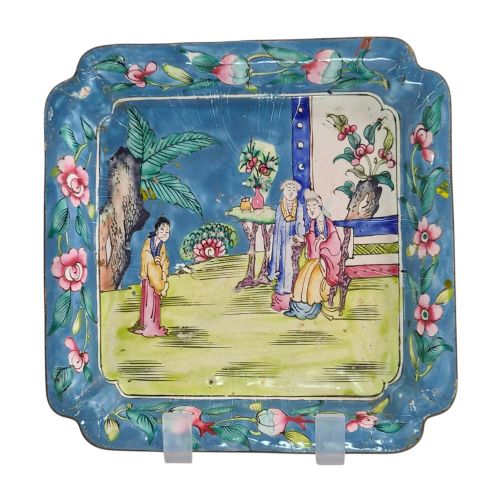
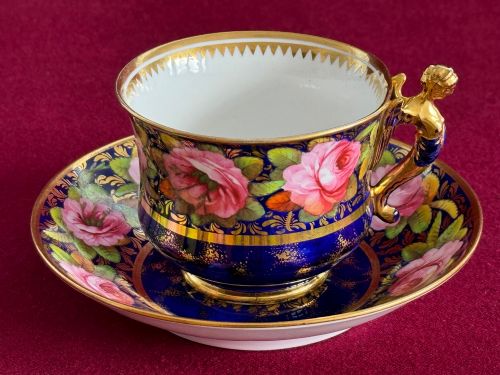
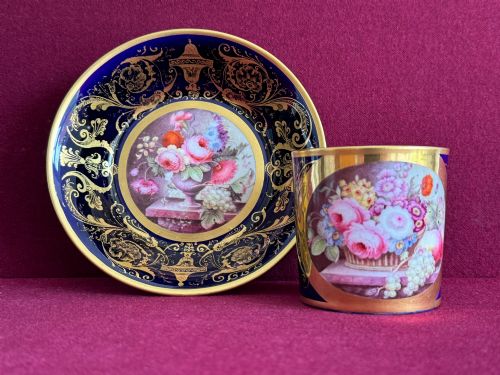
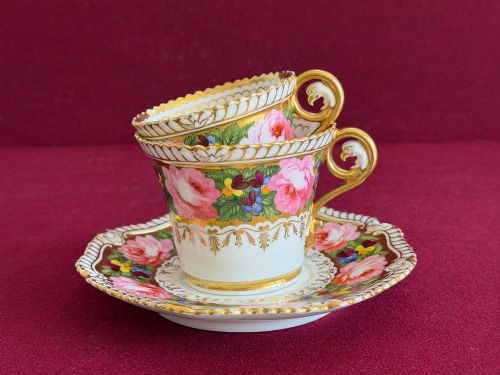


Antique Floral Saucer
An antique floral saucer brings hand-painted botanical artistry to the table, offering a glimpse into centuries of ceramic design.
Antique Floral Saucer
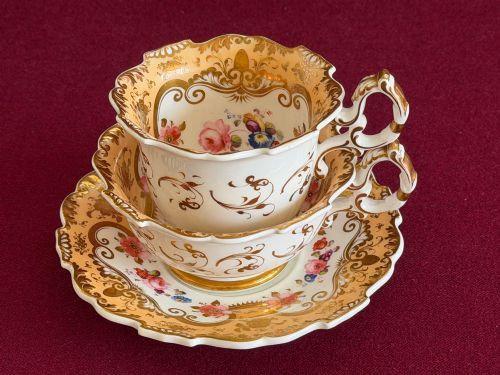
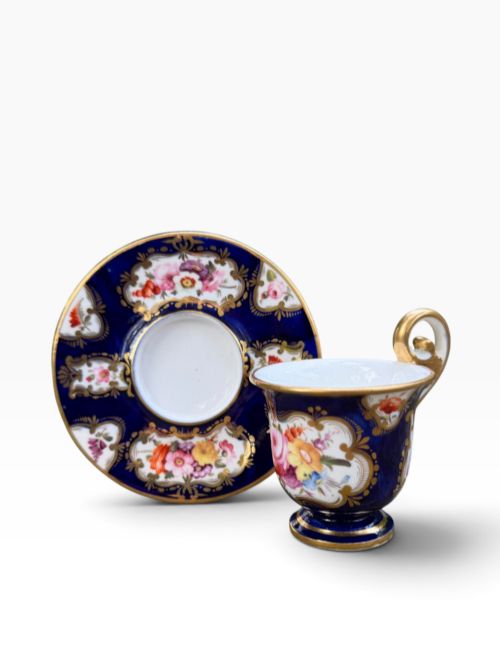
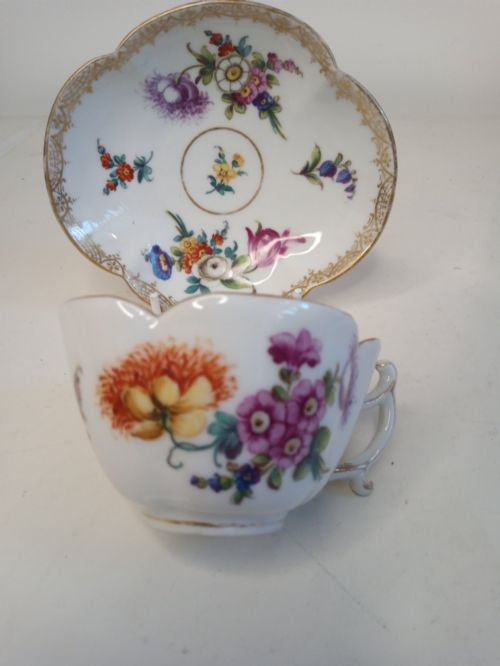
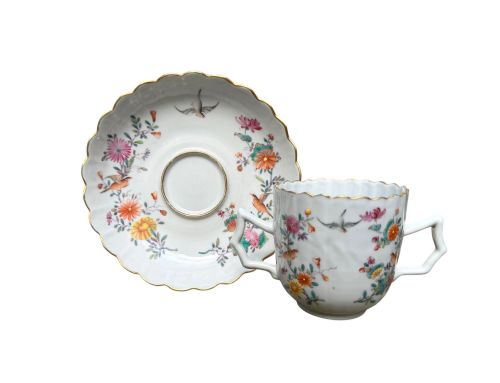
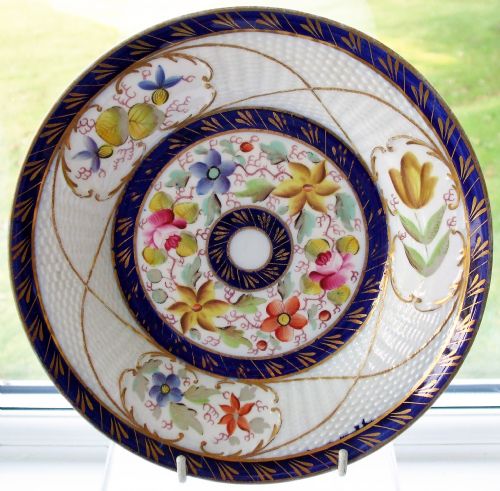
An antique floral saucer is a small ceramic dish designed to hold a teacup or coffee cup, often featuring hand-painted botanical motifs or transfer-printed blooms. These pieces appear frequently alongside trios and full tea sets from periods spanning the Georgian, Regency, and Victorian eras.
Makers produced these saucers in various forms, from deep porcelain dishes intended for early teabowls to wider plates designed for standard cups. The selections on this page highlight both English factories and continental houses, alongside Japanese Imari and Chinese export porcelain.
How they were made
Potters shaped these pieces primarily from porcelain, bone china, creamware, and earthenware, often throwing them on a wheel or pressing them into moulds. Artisans then applied underglaze painting, enamels, or transfer printing to render floral patterns before a final kiln firing.
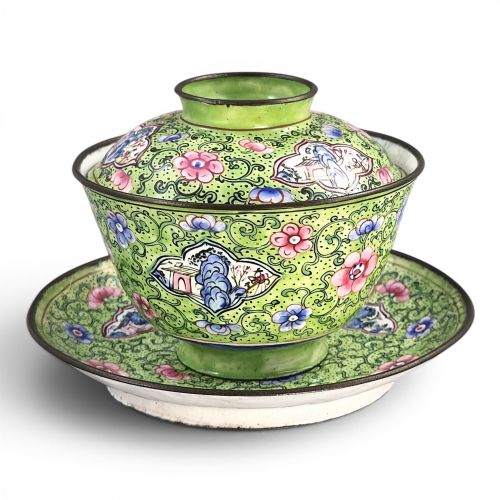
Gilding was frequently added by hand using gold leaf, gold gilt, or liquid gold to highlight rims, wells, and handles. Enamel decoration provided vibrant colour palettes, particularly on Chinese export pieces and Japanese Satsuma ware.
Antique Floral Saucer Retail Price Guide 2026
Typical asking prices for floral saucer among the pieces listed under this phrase on Sellingantiques today, from the lower quarter to the upper quarter. They describe what is for sale here now, not the wider market.
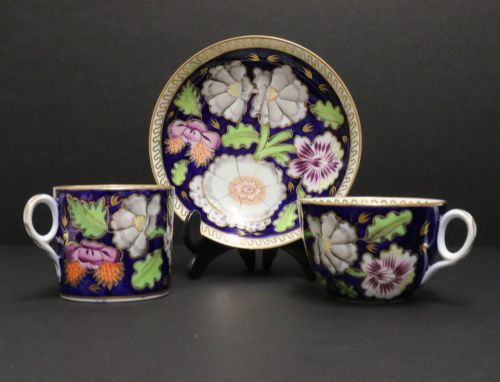
Some nineteenth-century tea sets carry the curious pattern name "Crazy Cow" or "Bengal Tiger" alongside delicate painted flowers.
What varies in quality
Quality in these ceramics rests on the crispness of the porcelain body, the translucency of the paste, and the precision of the hand-painted details. Early soft-paste porcelain displays different weight and translucency compared to later bone china or hard-paste porcelain.
The sophistication of the enamel work and the preservation of the gold leaf or gilding distinguish finer examples from standard production wares. Pieces decorated by named artists or prominent factories generally exhibit superior brushwork and compositional balance.
Spode·Minton·H and R Daniel·Coalport·Chamberlain Worcester·Newhall·Davenport·Royal Worcester·Royal Albert Crown China·Gardner Moscow Factory·Meissen·Yates·Wileman Foley Shelley·Hutschenreuter·Hirsch Dresden
The Antique Floral Saucer Glossary
- Bone china
- A type of soft-paste porcelain incorporating animal bone ash for strength and whiteness. It became a standard material for English teaware during the nineteenth century.
- Imari
- A style of Japanese export porcelain characterised by a palette of underglaze blue, iron red, and gold. These designs often incorporate floral and brocade panels.
- Famille rose
- A palette of Chinese porcelain enamels dominated by opaque pink or rose colours. This style appeared extensively on eighteenth and nineteenth-century export wares.
- Gilding
- The application of gold leaf or gold paint to ceramic surfaces. Artisans used this technique to accentuate rims and decorative borders.
- Creamware
- A refined earthenware developed in England, possessing a pale yellowish-cream glaze. It provided an affordable and durable canvas for painted floral decoration.
Antique Floral Saucer: Frequently Asked Questions
How were antique floral saucers used?
These dishes originally served to hold tea or coffee cups during formal social gatherings in the home. Diners occasionally poured hot tea from the cup into the saucer to cool the liquid before drinking.
Over time, many saucers became separated from their matching cups due to breakage or shifting household uses. Today, collectors often display them individually as decorative cabinet pieces or use them to serve small sweets.
Can I use an antique floral saucer daily?
Using these delicate ceramics requires caution because age and historic paste compositions make them vulnerable to thermal shock and chipping. Hand washing in warm water with mild soap is essential, as modern dishwashers can strip away delicate enamels and gold leaf.
Gentle handling preserves the fragile glazes and hand-painted details found on eighteenth and nineteenth-century specimens. Many owners reserve them for occasional display or careful afternoon tea service.
How do I tell Georgian saucers from Victorian ones?
Georgian and Regency pieces often feature delicate potting, soft-paste or early bone china bodies, and hand-painted botanical studies with fine brushwork. Forms from this period typically align with teabowls or early handleless cups.
Victorian and later pieces generally display heavier bodies, brighter enamel colours, and more standardised transfer-printing techniques. Maker's marks and registration numbers stamped on the underside also help pinpoint the manufacturing decade.
What does a bat wing pattern mean?
The bat wing pattern refers to a specific decorative layout featuring stylized, segmented panels resembling the wings of a bat. Factories such as Coalport utilised this design during the late nineteenth and early twentieth centuries.
This motif often combines rich enamel colours with gilded outlines, creating a striking contrast against white porcelain. Pieces bearing this pattern represent a distinct phase in English ceramic design.