
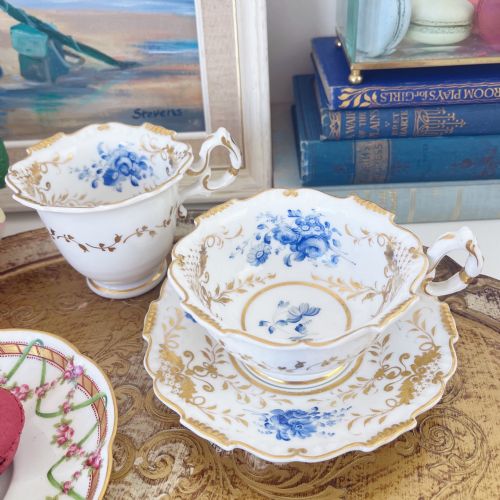
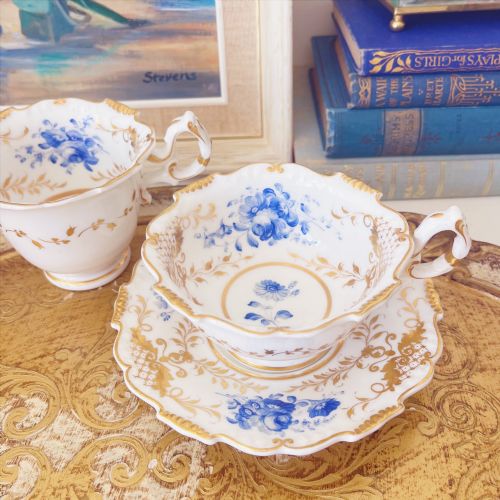
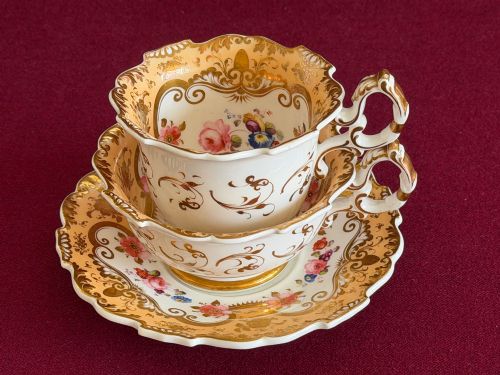
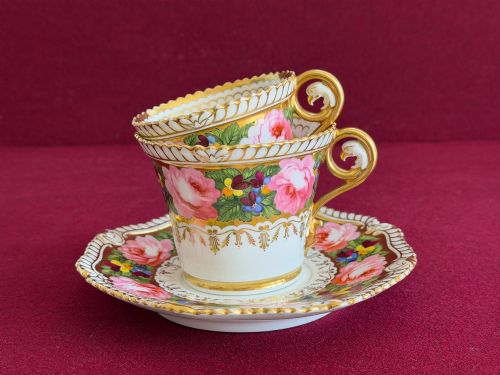
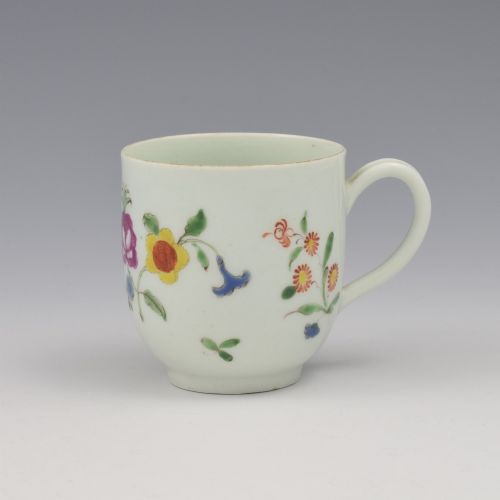
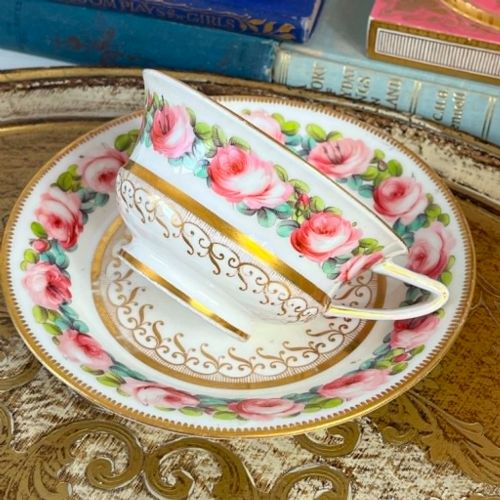
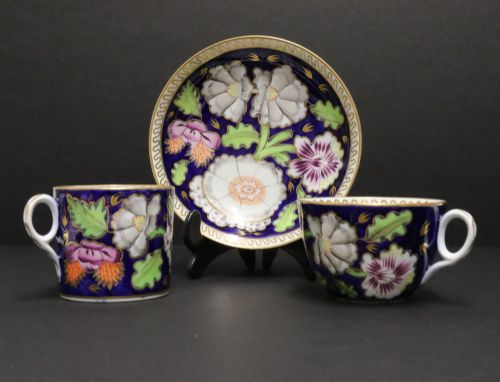
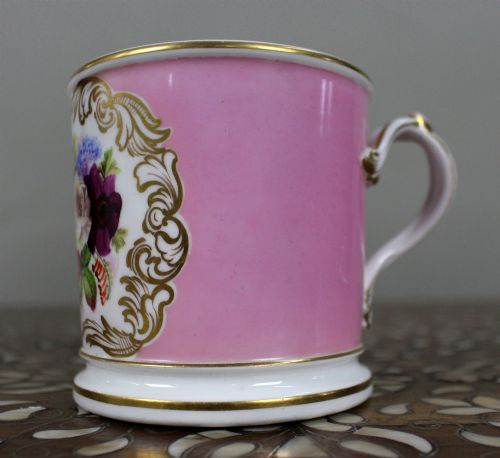
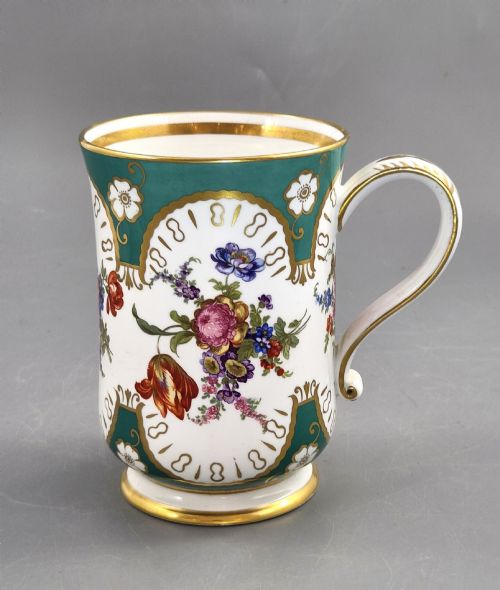
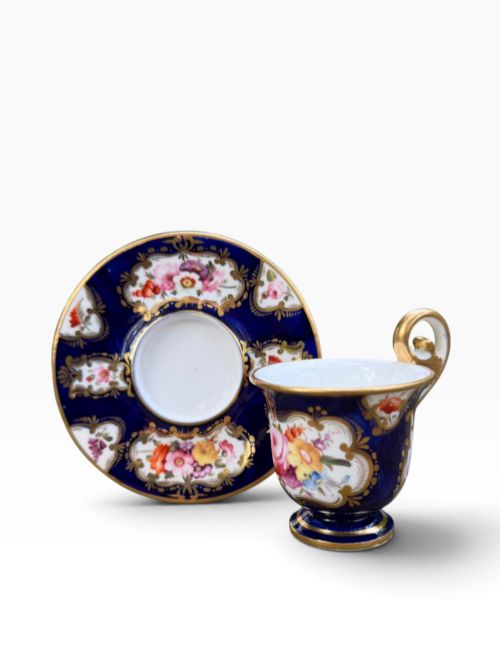
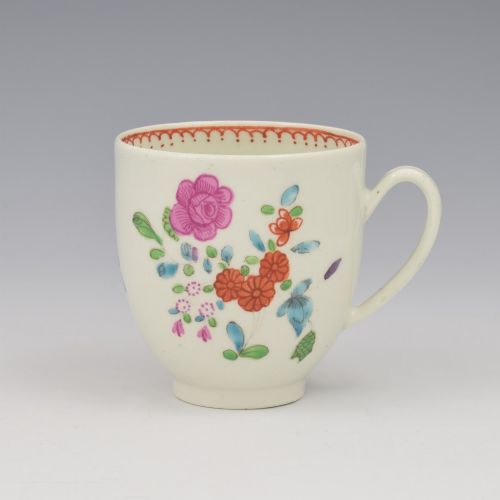
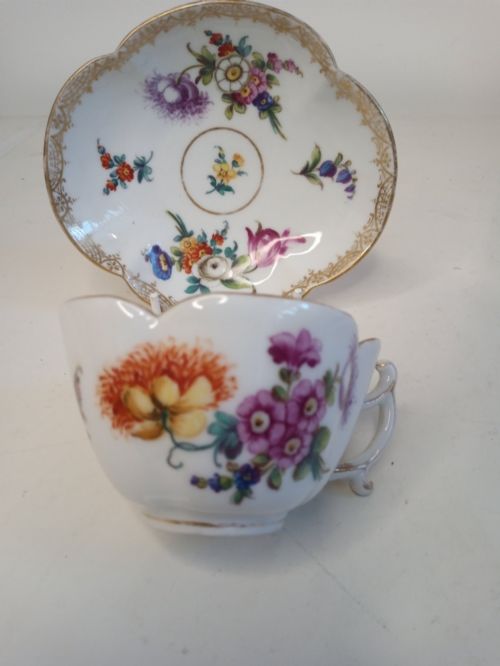
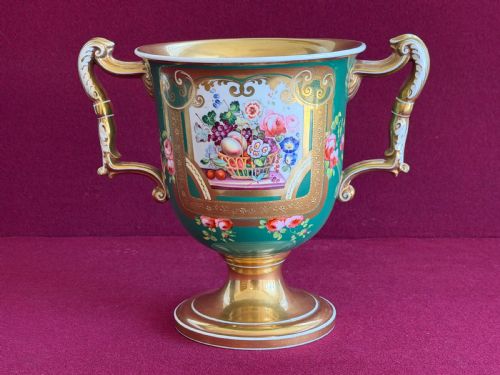


Hand Painted Floral Cup
A hand painted floral cup brings vibrant botanical motifs and centuries of ceramic artistry straight to the table.
Hand Painted Floral Cup
A hand painted floral cup encompasses a diverse range of drinking vessels, including delicate teacups and saucers, robust mugs, and cabinet trios. These pieces emerge from periods spanning the eighteenth century through to the art deco era.
Buyers most frequently encounter nineteenth-century English porcelain examples alongside eighteenth-century collector pieces. Forms vary from standard teacups to specialised loving cups, demitasse sets, and miniature vessels.
Originating from renowned English factories as well as continental and Japanese kilns, each hand painted floral cup reflects the specific aesthetic tastes of its respective period.
How They Were Made
Potters shaped these vessels using fine bone china, porcelain, creamware, and earthenware. Artisans then applied colourful ceramic glazes and pigments by hand before firing the pieces in kilns.
Many examples incorporate lavish touches of gold leaf, gilt, and enamel to highlight the painted floral designs and structural mouldings.
Listings feature ceramics spanning the eighteenth, nineteenth, and twentieth centuries, executed in porcelain, bone china, and earthenware.
What Varies in Quality
The finesse of the brushwork and the complexity of the floral compositions largely distinguish finer examples from standard wares. Skilled artists achieved remarkable botanical detail, delicate shading, and precise placement of polychrome pigments.
The quality of the ceramic body and the application of gilding or enamel also play significant roles. Superior pieces exhibit translucent porcelain bodies, immaculate glaze surfaces, and well-preserved gold leaf accents.
H & R Daniel·Chamberlain Worcester·Richard Chaffers·Davenport·Newhall·Grainger Worcester·Coalport·Dr Wall Worcester·Royal Worcester·Clarice Cliff·Gardner Moscow Factory·Meissen·Yates·Richard Ginori·Minton·Thomas Steel·Hutschenreuter·Hirsch Dresden·Spode Copeland·KPM
The Hand Painted Floral Cup Glossary
- Trio
- A matched set consisting of a teacup, coffee cup, and saucer. These groupings became particularly popular in nineteenth-century English porcelain production.
- Demitasse
- A small cup used for serving espresso or strong coffee. They frequently feature intricate hand-painted floral motifs and matching saucers.
- Cabinet Cup
- A decorative vessel intended for display in a cabinet rather than daily use. These often showcase exceptional artistic detail and rich ground colours.
- Creamware
- A refined earthenware developed in the eighteenth century with a pale yellowish-cream tone. It provided a smooth canvas for painted floral decoration.
- Ground
- The main background colour applied to the ceramic body before or around the painted motifs. Common examples include pink, green, and blue grounds.
Hand Painted Floral Cup: Frequently Asked Questions
How do I date an antique floral cup?
Dating relies on examining the ceramic body, glaze characteristics, and any factory marks stamped or painted on the base. Stylistic clues such as handle shapes and floral painting styles also help narrow down the period.
Comparing the piece to documented patterns from known makers provides further chronological accuracy. Subtle variations in paste composition often distinguish eighteenth-century wares from later nineteenth-century productions.
Can I use these cups for drinking tea?
While many robust earthenware and porcelain cups remain structurally sound, antique and vintage pieces require careful handling. Using them gently for special occasions is possible, though hand washing is essential to protect delicate gilding.
Cabinet cups and very early fragile porcelains are generally better suited for display rather than daily beverage service. Extreme temperature changes should be avoided to prevent thermal shock to old glazes.
What is the difference between a teabowl and a teacup?
Early teabowls do not feature handles and were designed to be held in the hands while drinking tea. Eighteenth-century ceramic traditions favoured these handleless vessels before standard handled teacups became widespread.
Teabowls often appear in earlier listings alongside matching saucers. Hand-painted floral designs on these pieces wrap continuously around the curved exterior wall.