
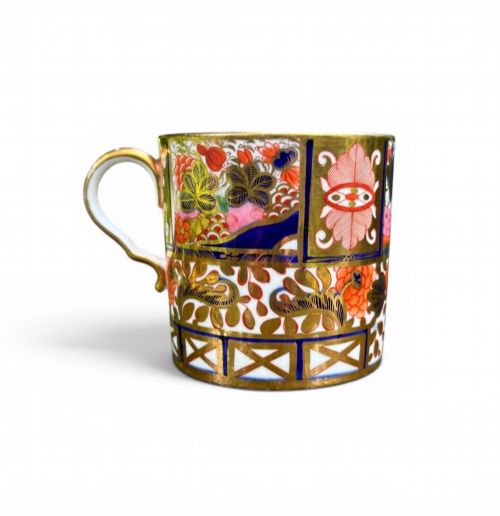


19th Century Spode Porcelain
19th century spode porcelain brings tablewares and decorative objects shaped by Regency and Victorian tastes into daily use.
19th Century Spode Porcelain
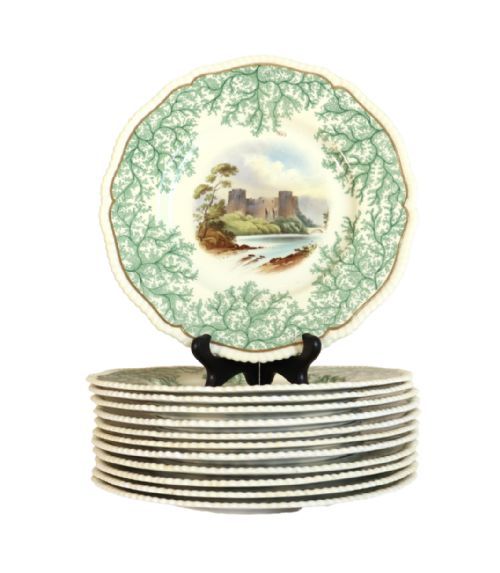
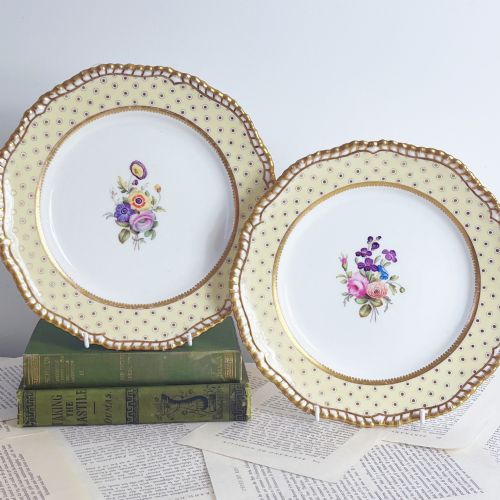
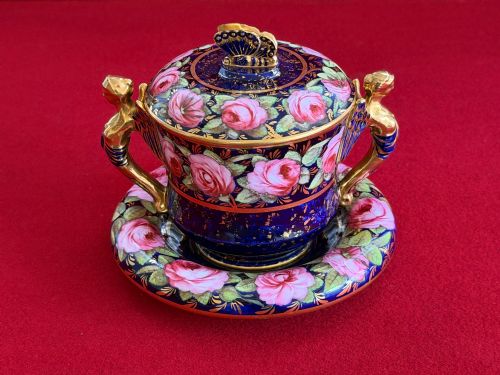
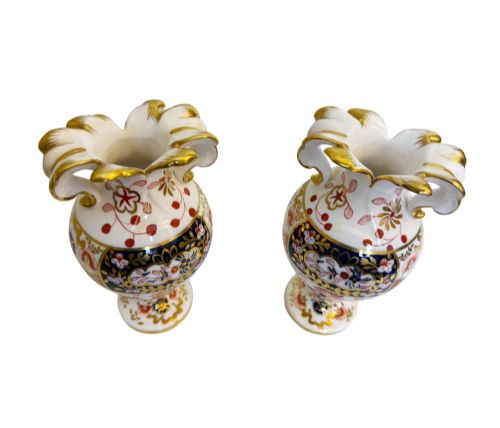
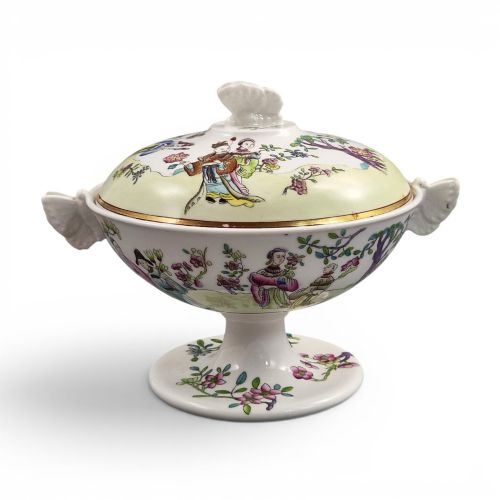
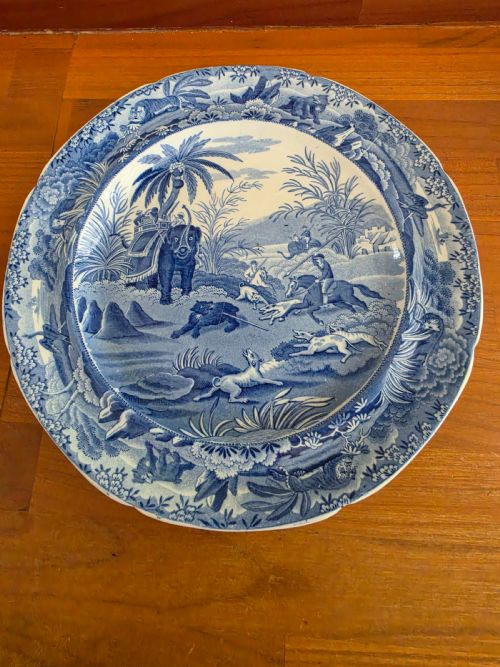
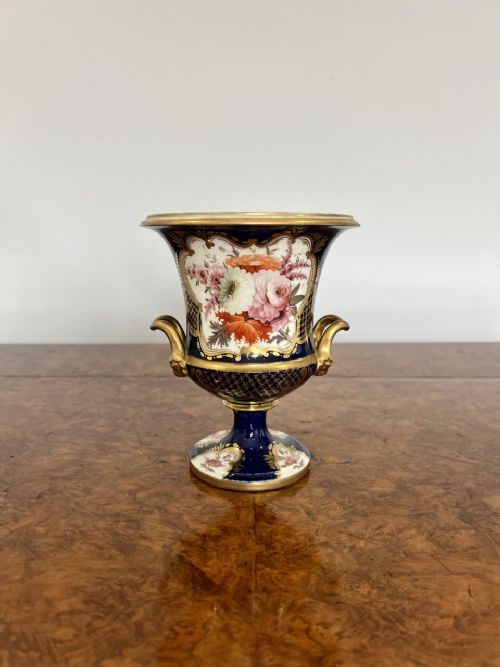
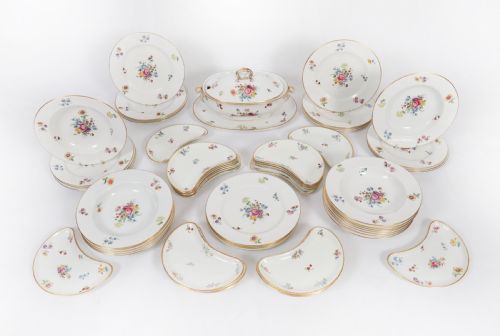
When you search for 19th century spode porcelain, you encounter tablewares and display pieces produced during the Georgian, Regency, and Victorian eras. Dinner services, dessert services, vases, and individual cups populate the selection.
Plates, teacups, saucers, and inkstands demonstrate the range of domestic and ornamental forms made by the factory. These items span utility and display, from tea trios to large pedestal bowls.
The most common finds on this page date to the early decades of the century, often bearing pattern numbers and hand-painted motifs.
How they were made
Makers utilised porcelain, bone china, and felspar porcelain body compositions fired at high temperatures. Enamel colours and gold leaf application provided the decorative surface finish.
Gilding and hand-painting required skilled decorators to apply polychrome enamel designs and gold leaf highlights over white glaze. Pattern numbers such as 1166 and 2573 identify specific workshop designs.
A tiny toy teapot proves that nineteenth-century tea ceremonies occasionally catered to mice or dolls.
What varies in quality
The crispness of hand-painted detail and the precision of the gilding set superior examples apart from standard production items. Botanical scenes and landscape transfer prints show varying levels of artistic execution.
Completeness alters the character of a set, as matched dinner services and dessert services carry different weight compared to single cabinet trios or individual plates.
Spode·Copeland
The 19th Century Spode Porcelain Glossary
- Felspar porcelain
- A body composition introduced by Spode containing feldspathic rock, producing a durable and translucent white material. This paste provided a stable ground for enamelling and gilding.
- Imari
- A decorative style inspired by Japanese export wares, utilising iron red, underglaze blue, and gold leaf. Spode adapted this palette for various teacups, vases, and plates.
- Coffee can
- A straight-sided cylindrical cup without a footring, designed for drinking strong black coffee during the Regency period. These often match a saucer as part of a breakfast or tea trio.
- Inkstand
- A desk accessory holding inkwells and pen trays, produced in porcelain for polite correspondence. These desk sets often share patterns with contemporary tea services.
19th Century Spode Porcelain: Frequently Asked Questions
How do I identify pattern numbers?
Pattern numbers appear painted or printed in red, blue, or gold on the underside of the porcelain. These numerals link the piece to factory pattern books.
Matching the painted number helps determine the production period and decorative scheme used on the item.
What is a cabinet trio?
A cabinet trio consists of a teacup, saucer, and matching dessert plate intended for display rather than heavy use. These sets showcase fine painting and gilding.
They represent the ornamental side of nineteenth-century ceramic production.
Are felspar porcelain pieces different?
Felspar porcelain uses a modified ceramic formula developed to improve whiteness and durability. This material allowed for thin potting and crisp moulding.
Items in this body often date from the 1820s onwards.