



White Porcelain Pedestal Bowl
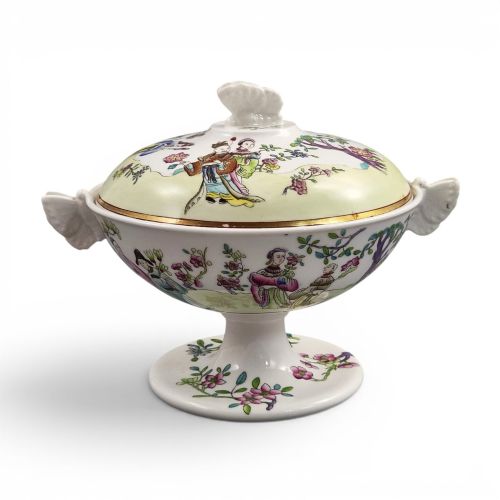
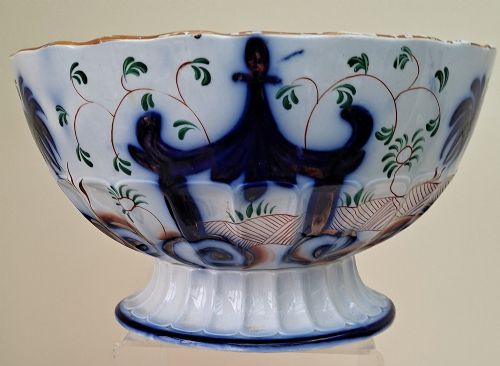
These white porcelain pedestal bowl examples bring structured height to a table, offering a raised vessel for fruit or floral display.
White Porcelain Pedestal Bowl
A white porcelain pedestal bowl sits upon a raised foot or column, lifting the main vessel above the surface for formal display. These pieces appear across several eras, including the Georgian period, the Victorian era, and the Edwardian period, each bringing distinct structural forms.
Buyers encounter footed pottery and ironstone alongside true porcelain, with certain examples featuring applied roses, putti, or butterfly handles. These elevated vessels serve both decorative and functional roles in interior settings.
Materials and construction
Makers form these pieces using porcelain, felspar porcelain, and earthenware, applying glaze to seal the ceramic body. Ironstone provides a heavier alternative body for durable comports.
Decoration involves hand-painted blue and white transfer printing, polychrome enamelling, and applied dimensional elements such as cherubs, roses, and putti. Gilding and gold leaf accent borders, handles, and pedestals.
Firing techniques secure the structural integrity of the raised foot and handle attachments, while lattice work requires precise cutting of the damp clay body before glazing.
White Porcelain Pedestal Bowl Retail Price Guide 2026
Typical asking prices for white porcelain pedestal bowl among the pieces listed under this phrase on Sellingantiques today, from the lower quarter to the upper quarter. They describe what is for sale here now, not the wider market.
Several pieces include tiny ceramic butterflies perched on the rim, ready to fly off if someone reaches for the fruit.
Factors affecting quality
The crispness of moulded detail defines finer work, particularly where applied figures, lattice piercing, and butterfly handles meet the main bowl. Weaker moulding results in softened contours and blurred relief.
Hand-painted enamel work and the application of gold leaf vary significantly across examples, distinguishing standard production from high-end factory output. The precision of transfer printing on blue and white pieces marks another distinction.
The integrity of the pedestal attachment and the overall balance of the raised vessel dictate the success of the physical construction. Weight and thickness differ according to whether the maker utilised ironstone, earthenware, or refined porcelain.
Spode·Ridgway·Schierholz Plaue·C.G. Schierholz and Sohn·Minton
The White Porcelain Pedestal Bowl Glossary
- Comport
- A raised dish or bowl used historically for serving fruit or sweetmeats at the table. These vessels stand upon a distinct foot or pedestal base.
- Compote
- An alternative term for a comport, frequently applied to footed serving bowls originating from continental or Victorian makers. They provide height and visual weight to a dining arrangement.
- Felspar porcelain
- A refined ceramic body containing felspar, developed in the early nineteenth century to increase durability and whiteness. Spode utilised this material for notable pedestal bowls.
- Ironstone
- A heavy, durable ceramic patented in the nineteenth century as a sturdier alternative to porcelain. Mason's produced notable comports in this dense body.
- Putti
- Depictions of plump, winged infants used as decorative supports or embellishments on centrepieces. They appear frequently in continental porcelain manufacturing.
White Porcelain Pedestal Bowl: Frequently Asked Questions
What is a white porcelain pedestal bowl used for?
These elevated vessels serve primarily as centrepieces for dining tables or sideboards, holding fruit, flowers, or decorative items. Their raised height draws the eye upward and creates layered table arrangements.
Historically, compotes and comports held the final course of a formal meal. Today, they function equally well as standalone decorative objects or practical serving pieces.
How do I date a pedestal bowl?
Dating relies on identifying stylistic markers, manufacturing bodies like felspar porcelain or ironstone, and factory marks where present. Georgian examples often display Regency or Rococo Revival influences, while Edwardian pieces frequently feature elaborate applied figures.
Examining the glaze, base construction, and type of transfer printing or hand-painting provides further chronological clues. Comparing the piece to documented factory outputs helps narrow down the decade of production.
Are these bowls dishwasher safe?
Original antique porcelain, earthenware, and ironstone require hand washing in lukewarm water with mild soap. Harsh machine detergents can damage delicate enamels and wear away historical gilding.
Careful handling protects applied elements like cherubs, lattice work, and delicate handles from accidental impact during cleaning. Drying with a soft cloth preserves the glaze.
What is the difference between a comport and a compote?
The terms are largely interchangeable, referring to a footed bowl or dish used for serving fruit or sweetmeats. 'Comport' tends to appear more frequently in British antique contexts, while 'compote' often relates to continental pieces.
Both serve the same decorative and functional purpose on the table. Regional terminology accounts for the variation in naming across the inventory.
How do I style a pedestal bowl at home?
Place the vessel in the centre of a dining table, console, or mantelpiece to utilise its height. Filling it with seasonal fruit or decorative globes highlights the elevated form.
For pieces with intricate lattice work or applied flowers, keeping the interior empty allows the craftsmanship to remain the focal point. Pairing the bowl with matching smaller dishes creates a cohesive display.