



Georgian Ceramic Sugar Bowl
These georgian ceramic sugar bowl examples are quintessential tablewares of the period, offering tactile domestic history that collectors prize for cabinet display.
Georgian Ceramic Sugar Bowl
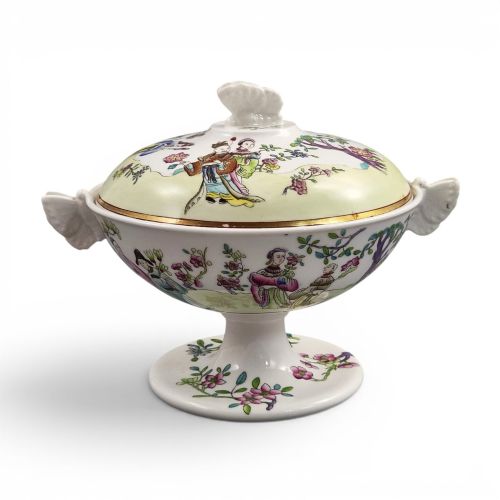
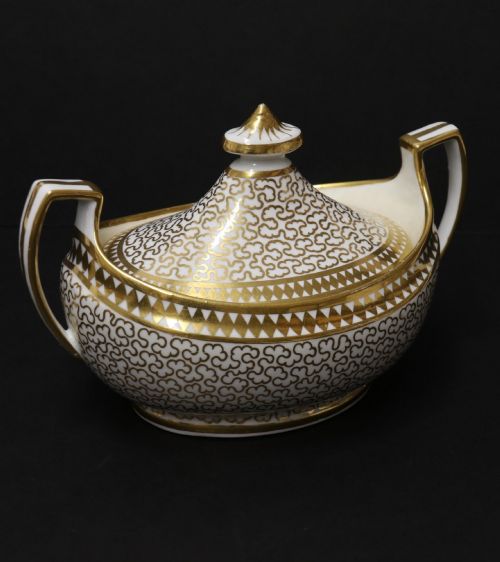
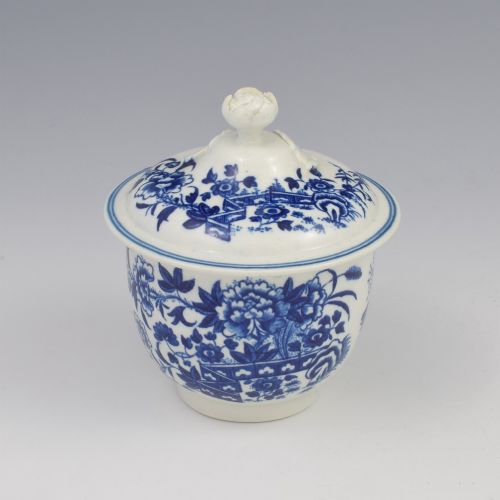
When you search for a georgian ceramic sugar bowl, you encounter covered vessels known variously as sucriers, sugar boxes, and sugar bowls, alongside related pedestal forms. These items date from the eighteenth and nineteenth centuries, spanning periods such as the Regency and the First Period of Worcester production.
The forms range from utilitarian covered boxes intended for tea service to more elaborate centrepiece bowls adorned with handles and lids. They originate from notable factories of the era, carrying distinct decorative patterns that mark them out as domestic items of their time.
You are most likely to meet soft-paste and felspar porcelain bodies, often supplied with matching covers to keep the precious dry commodity dry. Their survival in domestic settings points to their careful preservation across generations.
How they were made
Potteries of the period utilised soft-paste porcelain and advanced felspar porcelain compositions, shaped carefully into traditional forms before undergoing high-temperature firing. The surfaces received lead glazes to create smooth, durable finishes suitable for daily use.
Decoration relied heavily on hand-applied enamels and refined gilding, utilising gold leaf and flat gold applications to highlight handles, rims, and painted motifs. Patterns such as the Immortelle and Angouleme designs were applied meticulously by painters working within established ceramic factories.
Georgian Ceramic Sugar Bowl Retail Price Guide 2026
Typical asking prices for georgian ceramic sugar bowl among the pieces listed under this phrase on Sellingantiques today, from the lower quarter to the upper quarter. They describe what is for sale here now, not the wider market.
What varies in quality
The distinction between standard domestic production and superior output rests in the crispness of the porcelain body and the precision of the enamel painting. Finer examples display immaculate gilding and balanced proportions that reflect the highest standards of the factory.
The presence of an original matching cover significantly elevates the integrity of the piece, as lids were frequently separated or broken over centuries of use. Furthermore, the clarity of factory marks and the complexity of patterns like Pattern 1194 separate ordinary specimens from notable works.
Spode·Chamberlains Worcester·Ridgway·Coalport
The Georgian Ceramic Sugar Bowl Glossary
- Sucrier
- A covered pot designed specifically for holding sugar at the tea table, frequently styled with matching lids and handles. These vessels form the core of many ceramic collections.
- Soft-paste porcelain
- An artificial ceramic mixture fired at lower temperatures than hard-paste porcelain, producing a warm, slightly translucent body popular in early English factories. It requires careful handling due to its softer composition.
- Felspar porcelain
- An innovative ceramic body developed in the nineteenth century using feldspathic rock, offering greater durability and a bright white finish. This material allowed manufacturers to produce robust yet refined tablewares.
- Flight Period
- A phase in the history of Worcester porcelain spanning the late eighteenth century, marked by specific management and distinctive factory marks. Pieces from this era are sought after for their classic forms.
- Lead glaze
- A glassy coating containing lead oxide applied to ceramics before firing to provide a glossy, waterproof finish. It gives early tablewares their characteristic smooth sheen.
Georgian Ceramic Sugar Bowl: Frequently Asked Questions
What is a sucrier?
A sucrier is simply the French term for a sugar bowl, widely adopted by English porcelain factories during the Georgian period to describe covered vessels used at the tea table.
These pieces typically include a matching lid to protect the contents and are designed to complement matching teacups and teapots.
How were these sugar bowls used?
In Georgian households, tea was an expensive commodity, and sugar was dispensed with care by the mistress of the house from a dedicated container on the tea tray.
They sat centrally among the tea service, functioning both as practical servers and as displays of household status.
How do I date a Georgian sugar bowl?
Dating relies on identifying factory marks on the base, stylistic traits such as Regency shapes, and the specific type of porcelain body, such as soft-paste versus felspar.
Comparative analysis of painted patterns, like the Angouleme or Immortelle designs, also helps narrow down the decade of production.
How should I care for antique porcelain?
Antique porcelain requires gentle hand washing in warm water with mild soap, avoiding dishwashers and harsh abrasive sponges entirely to protect the historic enamel and gold leaf.
Display them away from direct sunlight and areas prone to sudden temperature fluctuations to preserve the glaze.