



Antique Porcelain Lid Bowl
An antique porcelain lid bowl brings useful elegance to a table, offering covered storage shaped in porcelain, earthenware, and ironstone.
Antique Porcelain Lid Bowl
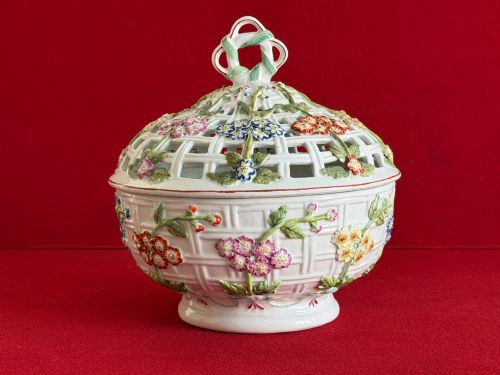
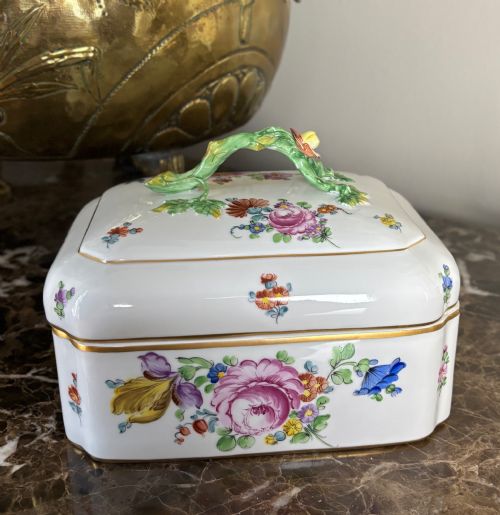
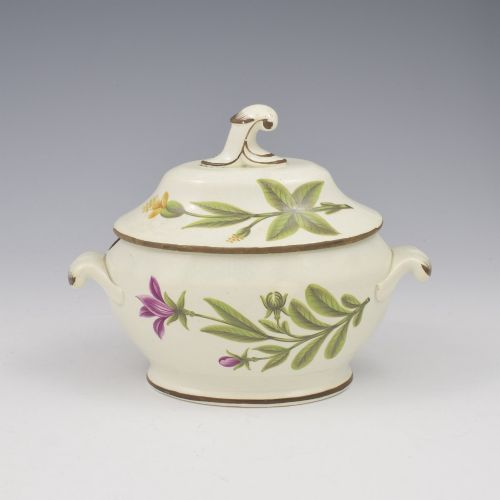
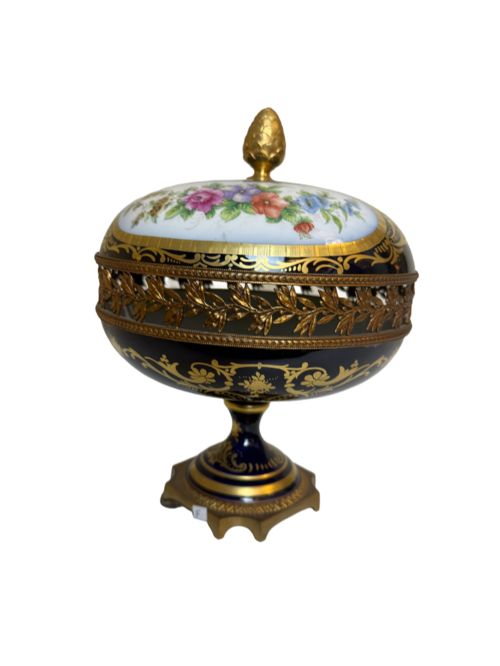
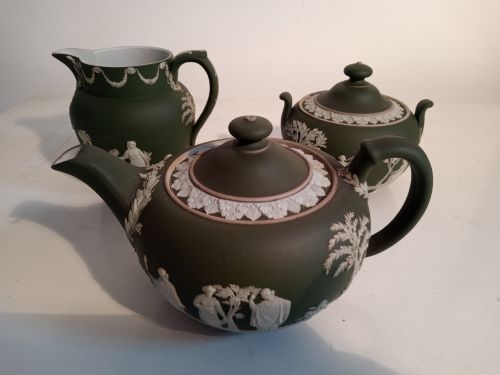
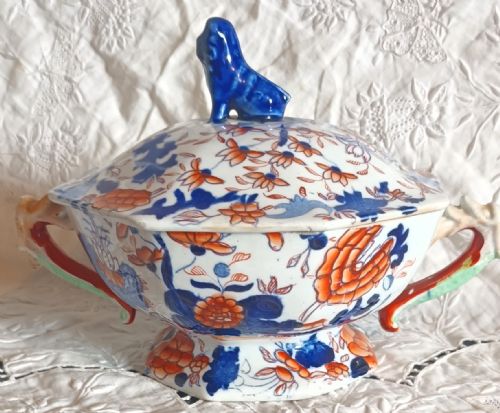
When you search for an antique porcelain lid bowl, you encounter a varied assortment of covered vessels spanning the eighteenth, nineteenth, and early twentieth centuries. These pieces serve multiple domestic purposes, appearing as sugar boxes, sucriers, tureens, sauce tureens, potpourri jars, powder boxes, and bonbonnières.
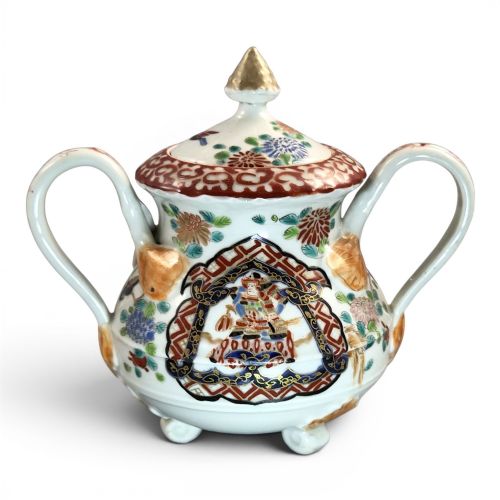
The selection ranges widely in geographic origin and aesthetic movement. You find English factories such as Derby, Worcester, Spode, and Mason's alongside continental pieces from Dresden, Limoges, Meissen, and Richard Ginori, plus Japanese Imari and Satsuma examples.
Georgian and Regency forms sit alongside Victorian Rococo Revival interpretations and Art Deco ceramic powder boxes from the 1930s. Most examples combine a fitted lid with a bowl, basin, basket, or stand to create a cohesive lidded composition.
Materials and construction methods
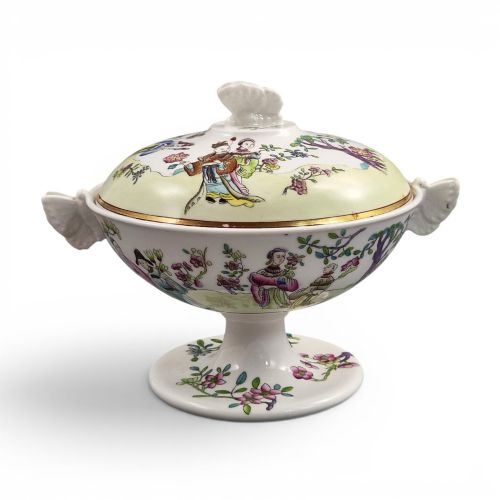
Potters built these vessels using porcelain, ceramic, earthenware, and heavy ironstone bodies, shaping them on wheels or casting them in moulds. Lids were thrown or moulded to fit individual bowls precisely, often incorporating specialised handles such as butterfly motifs or finials.
Decoration relied heavily on hand-painting, enamel colours, and transfer printing, frequently accented with gilding, gold leaf, or bright enamel palettes. Japanese pieces employed traditional Imari and Satsuma glazing techniques, while European factories utilised underglaze blue and polychrome enamels.
Some lidded bowls sport tiny butterfly handles that make lifting the cover feel like handling a winged insect.
Distinctions in quality
Quality rests upon the crispness of the moulding and the skill evident in the hand-painted or enamelled decoration. Finer pieces display refined potting, delicate handle modelling, and precise application of gold leaf or gilding.
The reputation of the maker dictates much of the standing within a collection, with established English and continental porcelain factories commanding attention for their painting standards. Rarity of pattern number, form, or regional studio origin further elevates the standing of an individual piece.
Derby Porcelain·Dresden·Spode·Limoges·Wedgwood·Mason's Ironstone·Royal Crown Derby·Worcester·Shozan Kyoto Studio·Flight Barr and Barr·Richard Ginori·Coalport·Meissen
The Antique Porcelain Lid Bowl Glossary
- Sucrier
- A small covered bowl or sugar box designed for holding sugar during tea service. These often feature matching lids and decorative handles.
- Tureen
- A large, deep serving bowl with a cover, used originally for soups, sauces, or vegetables. Sauce tureens represent smaller versions intended for table condiments.
- Ironstone
- A durable type of heavy earthenware patented in the nineteenth century. It provides a robust body favoured by factories like Mason's for everyday utility.
- Imari
- A style of Japanese export porcelain decorated in underglaze blue, iron red, and gold. The palette creates a rich, patterned surface.
- Potpourri
- A lidded vessel pierced with small holes to release scented dried plant material. These containers often feature ornate painting and decorative stands.
Antique Porcelain Lid Bowl: Frequently Asked Questions
What is an antique porcelain lid bowl used for?
These covered vessels primarily served dining and dressing functions in historical homes. They held sugar at the tea table, sauces at dinner, or powders and cosmetics on dressing tables.
Collectors today utilise them as decorative tabletop display items or as secure storage for small trinkets and dry goods.
How do I identify a Georgian piece?
Georgian pieces, dating roughly from the mid-eighteenth century to the eighteen-twenties, often display neoclassical or early rococo styling. Look for characteristic paste bodies associated with factories like Derby or Worcester.
Makers' marks from this era are frequently hand-painted under the glaze rather than stamped mechanically, reflecting period manufacturing techniques.
What is the difference between porcelain and ironstone?
Porcelain is a fine, vitrified ceramic material that is typically white and translucent when held to the light. It allows for delicate painting and refined potting.
Ironstone is a heavy, opaque earthenware developed for strength and durability. It yields thick, robust vessels that resist everyday wear.