


Pink Floral Porcelain Bowl
A pink floral porcelain bowl brings vibrant handpainted botanical colour and eighteenth-century craftsmanship straight to your table.
Pink Floral Porcelain Bowl
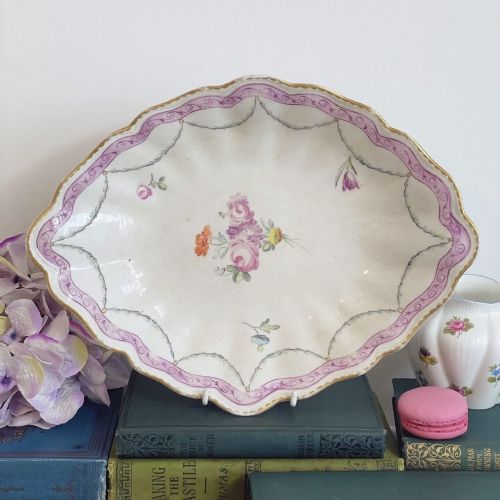
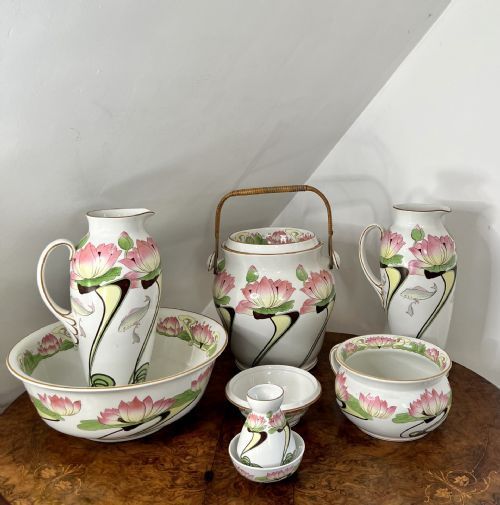
When you search for a pink floral porcelain bowl, you are looking at items that span several centuries of ceramic history, from eighteenth-century soft-paste plates to large Edwardian centrepieces and twentieth-century decorative bowls. These objects include serving dishes, wash sets, entrée dishes, and teabowls alongside large decorative vessels.
The versions you are most likely to meet on this page originate from British factories such as Worcester, Derby, and Chelsea, alongside Chinese Export pieces in the Canton and Famille Rose styles, and continental European porcelain.
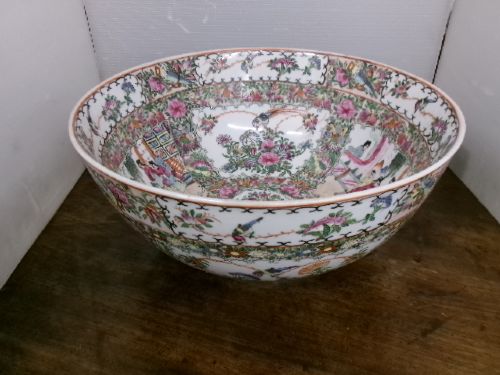
The forms range from intimate teabowls and saucers to massive nineteenth-century Rose Medallion bowls measuring up to fifty-one centimetres across, reflecting a rich variety of domestic and decorative functions across the periods seen.
How they were made
Makers utilised porcelain and soft-paste porcelain bodies, shaping them into plates, bowls, and serving dishes before applying glazes and handpainted enamel decoration. Many examples incorporate delicate gold leaf, gilding, and intricate polychrome brushwork to define the floral motifs.
Techniques varied from the precise underglaze blue marks and handpainted enamel flowers of the eighteenth century to the expansive handpainted scenes seen on later nineteenth-century Rose Medallion and early twentieth-century centrepieces.
Some nineteenth-century Rose Medallion bowls are so large they require their own dedicated corner of the room just to breathe.
What varies in quality
The standard of painting on the floral motifs separates standard production from exceptional works, particularly in the precision of the polychrome brushwork and the delicacy of handpainted detail. Factory attribution also influences standing, with named makers and documented periods commanding greater attention from collectors.
The preservation of original gilding and enamel colours without excessive wear or restoration dictates the desirability of an object, alongside the overall scale and ambition of the form, whether a small teabowl or a large centrepiece.
Derby·Royal Worcester·Flight Barr and Barr·Chelsea
The Pink Floral Porcelain Bowl Glossary
- Soft-paste porcelain
- An artificial ceramic body composed of white clay and glass frit, fired at lower temperatures than hard-paste porcelain. This material is characteristic of eighteenth-century British factories like Chelsea and early Worcester.
- Polychrome
- Decoration employing multiple distinct colours, typically applied in enamels over the glaze. It is the defining technique for the floral sprays and figural scenes found on these bowls.
- Entrée dish
- A specialised serving vessel designed for the second course of a formal meal. These often feature matching covers and sophisticated shaping suited to Regency dining.
- Enamel
- Opaque glass fused to the surface of fired porcelain during a secondary low-temperature kiln run. This method provides the brilliant pinks and greens seen in floral and famille rose designs.
- Gilding
- The application of gold leaf or powdered gold suspended in a medium to the rim, handles, or surface details of ceramic pieces. It highlights the contours of bowls and servingware.
Pink Floral Porcelain Bowl: Frequently Asked Questions
How do I date an antique porcelain bowl?
Dating relies on examining the paste, glaze characteristics, factory marks on the underside, and the style of handpainted decoration. Eighteenth-century pieces often utilise soft-paste porcelain, while later nineteenth and twentieth-century items show different potting techniques.
Comparing the floral painting style to documented examples from makers like Worcester or Chelsea helps narrow the period of manufacture.
Were these bowls used for food?
Many of these pieces, including serving dishes, entrée dishes, and teabowls, were created for active dining and domestic service during the Georgian and Regency periods. Larger items functioned as table centrepieces or part of bathroom wash sets.
Over time, many surviving examples transitioned into purely decorative objects displayed in cabinets or on side tables.
What is the difference between Chinese Export and British porcelain?
Chinese Export porcelain, such as Canton and Famille Rose wares, was manufactured in China specifically for Western markets, often featuring distinct palettes and heavy enamel work. British porcelain was produced by domestic factories utilising local clay formulas and distinct European aesthetic influences.
Both traditions embraced floral motifs, but their potting weight, glaze texture, and brushwork remain distinct to trained eyes.