


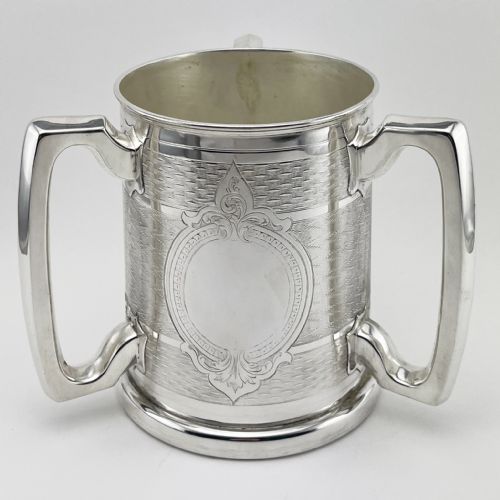


19th Century Silver Cup
These 19th century silver cup examples span chalices, goblets, and loving cups shaped by diverse global silversmithing traditions.
19th Century Silver Cup
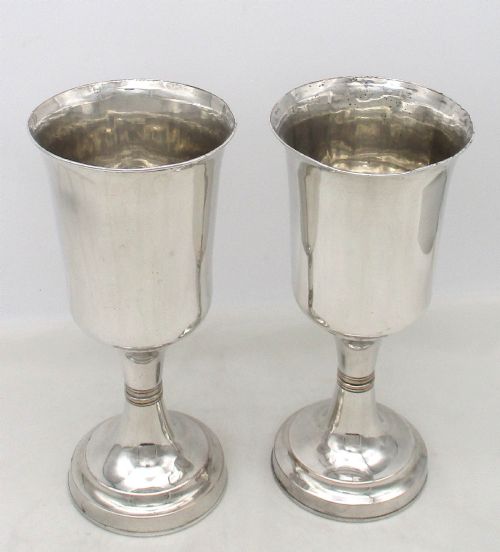
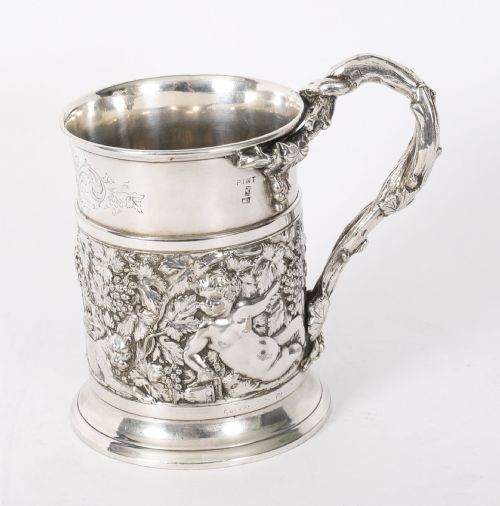
When searching for a 19th century silver cup, buyers encounter a wide array of drinking vessels, communion chalices, christening mugs, and wine tasters. The forms vary from tall ecclesiastical chalices in Old Sheffield plate to heavy sterling silver goblets and tankards. Pieces emerge from British workshops alongside significant global examples including Chinese Export, Imperial Russian, and Anglo-Indian designs.
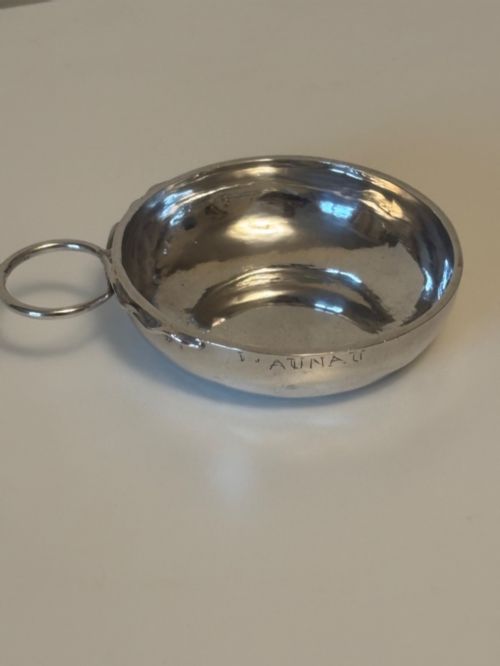
Victorian sterling silver goblets and embossed silver plated loving cups appear frequently alongside specialised regional work like French wine tasters and Kutch trophy cups. Materials range from solid sterling silver and silver gilt to silver plate, white metal, and copper. Decorative approaches extend from plain Georgian beakers to elaborate enamel and parcel gilt finishes.
Materials and construction
Silversmiths of this era utilised traditional methods including hand hammering, chasing, and embossing to shape sterling silver, silver plate, and Old Sheffield plate. Many items incorporate parcel gilt interiors or full silver gilt surfaces to protect the metal from acidic contents.
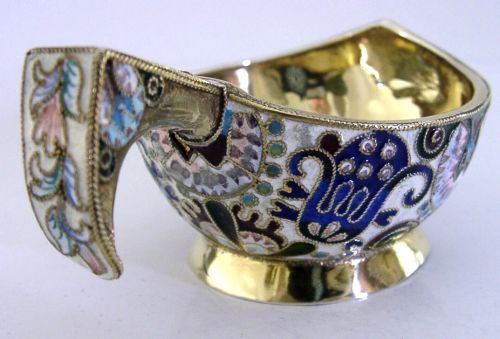
Specialised techniques distinguish regional pieces, such as cloisonne enamel on Russian silver and intricate wirework or repousse relief on Chinese Export and Indian Kutch vessels. Crystal glass barrels, cherry wood bases, and horn bodies occasionally combine with silver rims and mounts.
Judging the standard of workmanship
The standard of a 19th century silver cup depends heavily on the crispness of the chasing, engraving, and embossed relief work. Crisp, deep detailing on floral motifs, armorials, or marine scenes indicates skilled handwork rather than mass production.
The integrity of the metal, whether solid sterling or thick Old Sheffield plate over copper, dictates durability and wear over time. Maker marks, town marks, and clear silver hallmarks provide reliable indicators of workshop origin and standard.
G R Collis·George Unite·Wang Hing and Co·Zee Wo·Aleksandr Timofeyevich Shevyakov
The 19th Century Silver Cup Glossary
- Chalice
- A large ceremonial cup, typically used for communion or church services, often raised on a knopped stem and wide foot.
- Loving cup
- A large drinking vessel featuring two or more handles, designed to be passed between guests at banquets or celebrations.
- Wine taster
- A small, shallow silver or silver gilt dish equipped with a handle, used by merchants and connoisseurs to sample wine.
- Old Sheffield plate
- A composite material made by fusing a thin sheet of silver to a thicker copper base, common in early nineteenth-century manufacture.
- Silver gilt
- Silver objects that have been coated with a thin layer of gold on the interior or exterior surfaces.
19th Century Silver Cup: Frequently Asked Questions
How do I clean an antique silver cup?
Clean silver vessels gently with a soft cloth and a reputable silver polish formulated to preserve antique patinas. Avoid abrasive materials that can wear away thin silver plating or delicate engravings.
Take extra care around parcel gilt areas, enamel work, and inset organic materials like horn or cherry wood. Wash by hand immediately after use and dry thoroughly.
Were these cups used for drinking?
Many vessels served functional roles at dining tables, banquets, and christenings, while others held sacramental wine in churches. Tankards, mugs, and beakers were designed for daily beverages.
Ceremonial loving cups, heavy trophy cups, and wine tasters fulfilled social, competitive, or commercial tasting functions rather than routine domestic use.
How can I date my silver cup?
Examine the piece for stamped hallmarks, maker marks, and town symbols that correspond to official assay office records. Hallmarks often indicate the exact year of manufacture for British sterling items.
Stylistic cues such as Gothic Revival motifs, Aesthetic Movement engraving, or Old Sheffield plate construction methods help narrow down the period when hallmarks are absent.
What is the difference between silver and silver plate?
Solid silver, including sterling silver, consists of precious metal throughout the entire object, marked for purity by official assay offices. Silver plate involves a base metal layer coated with a thin layer of silver.
Old Sheffield plate fuses silver onto copper, whereas later Victorian plating often utilises electroplated nickel silver as the underlying base metal.