
19th Century Putto
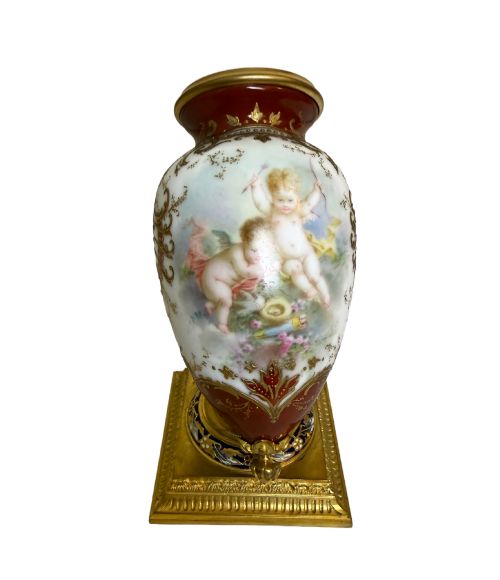
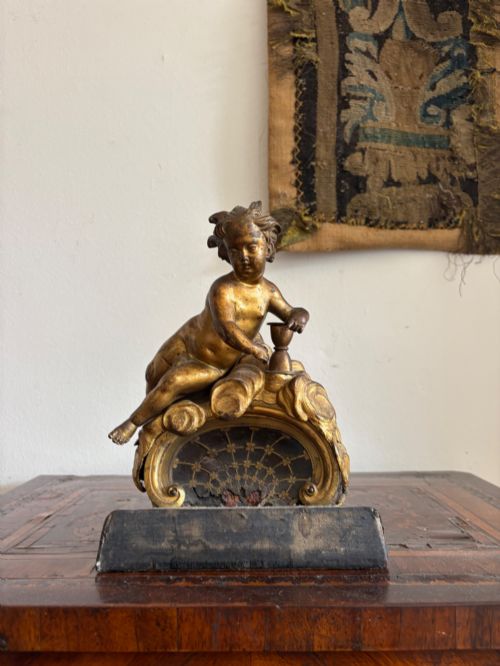
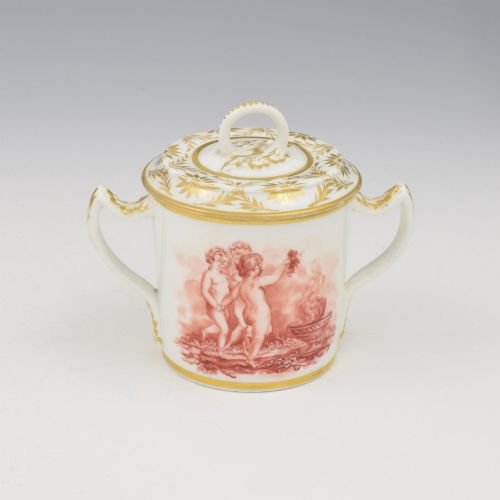
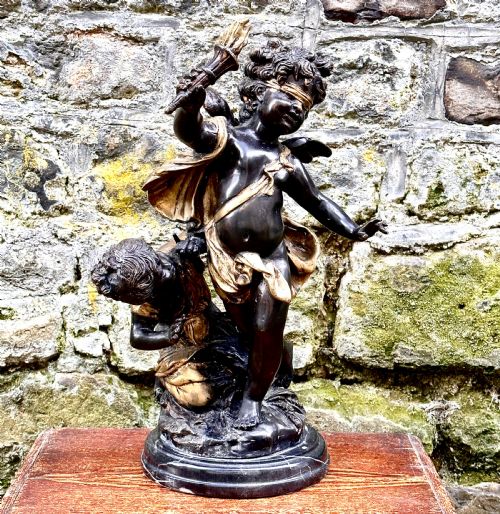
When you look for a 19th century putto, you find winged infant figures rendered in bronze, marble, porcelain and wood across clocks, lamps, and architectural mounts.
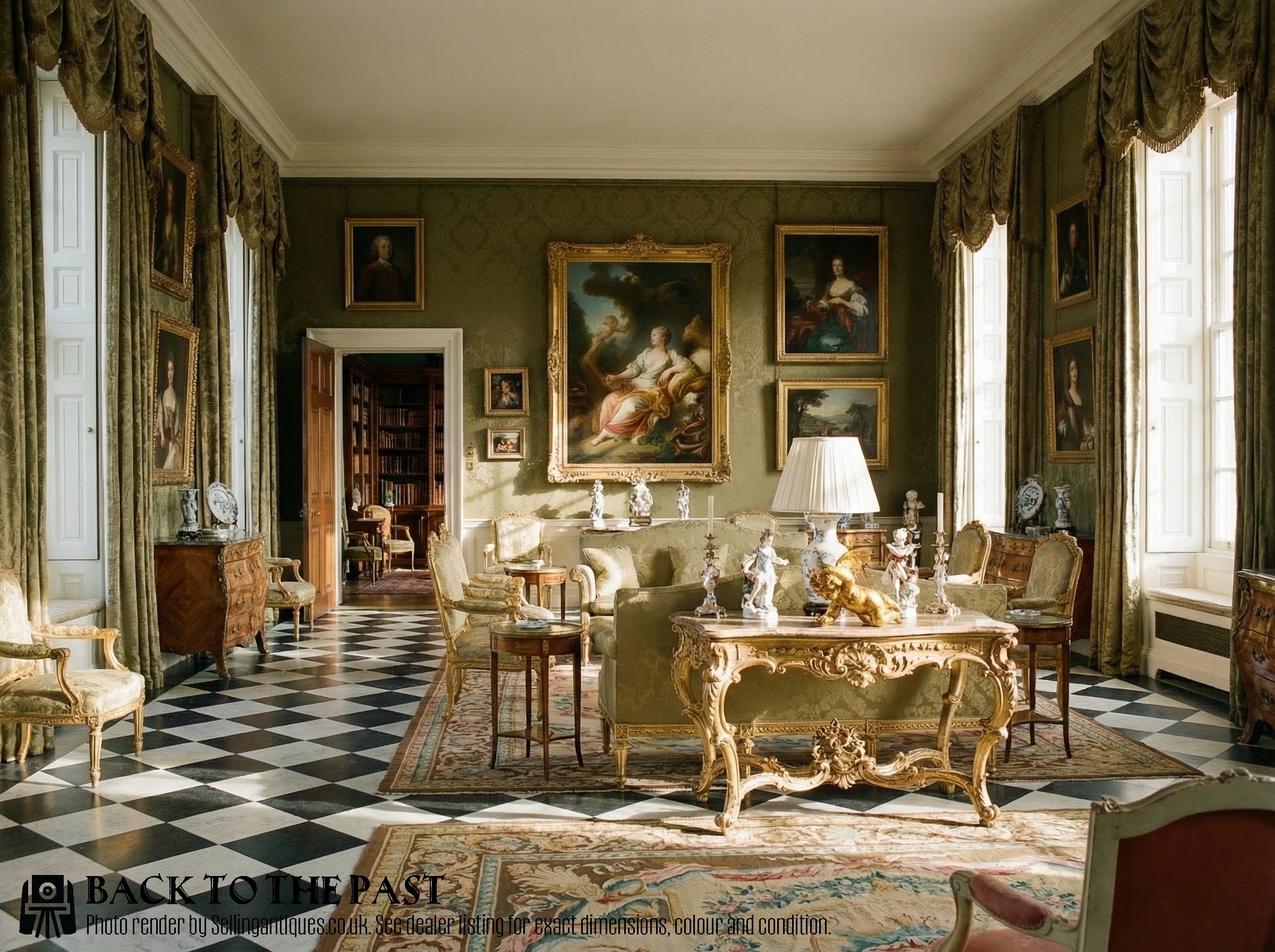
19th Century Putto
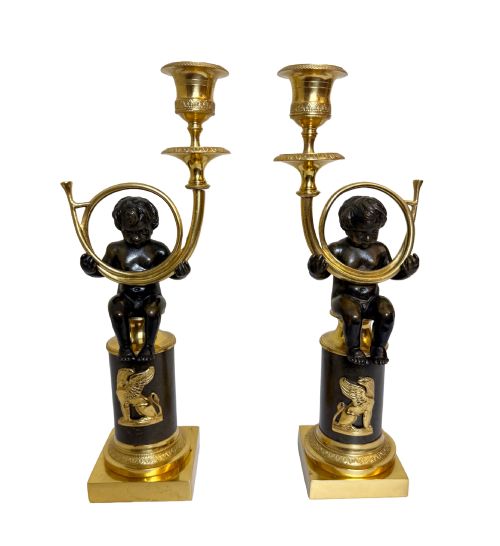
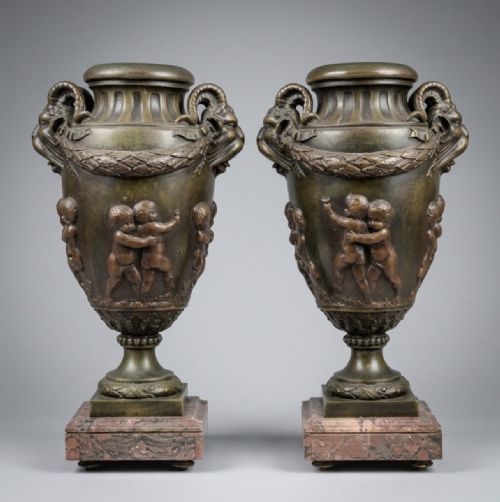
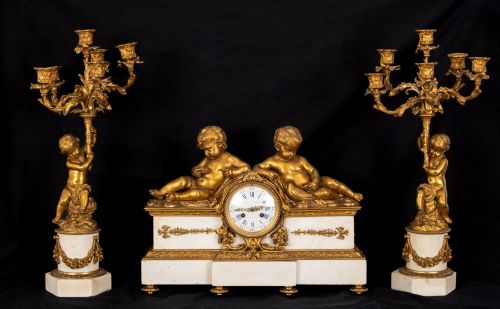
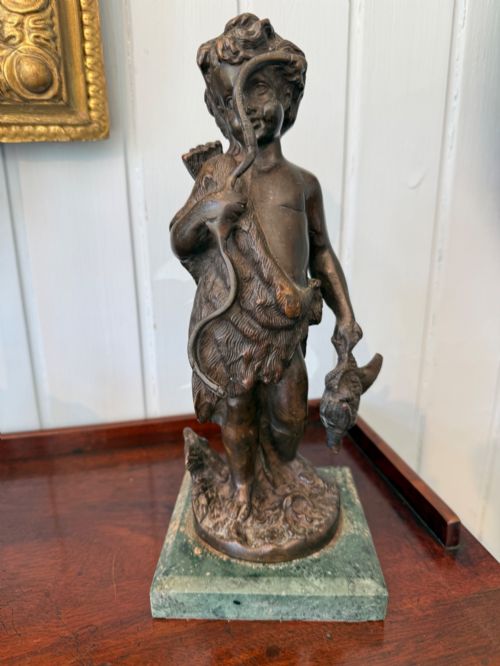
A 19th century putto appears in diverse decorative forms, ranging from standalone bronze sculptures and marble carvings to functional objects like mantel clocks, wall brackets, and candelabras.
The aesthetic draws heavily on French Rococo Revival, Neoclassical, and Louis XVI styles, reflecting an enduring nineteenth-century fascination with classical mythology and allegorical figures.
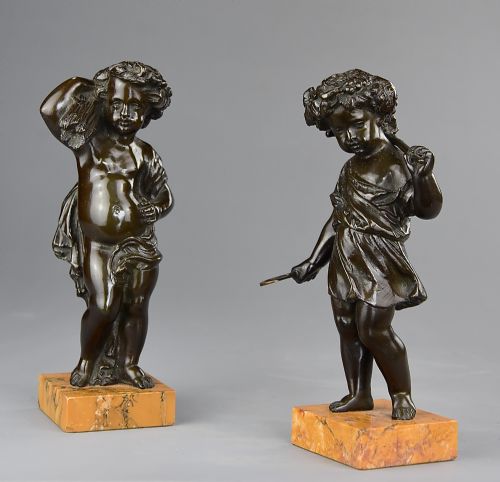
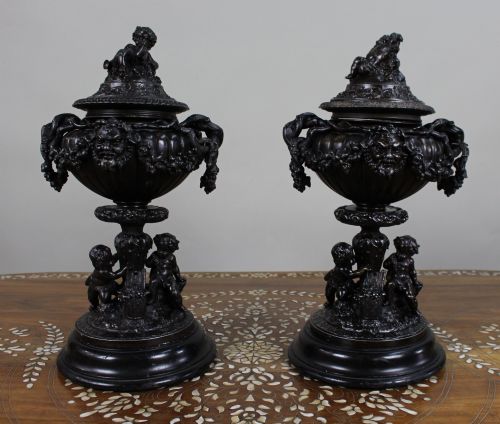
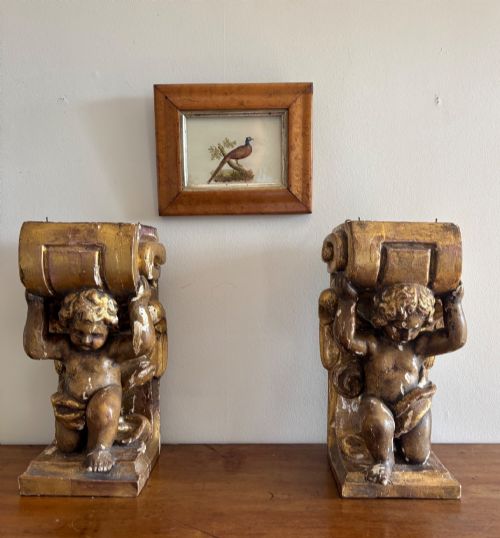
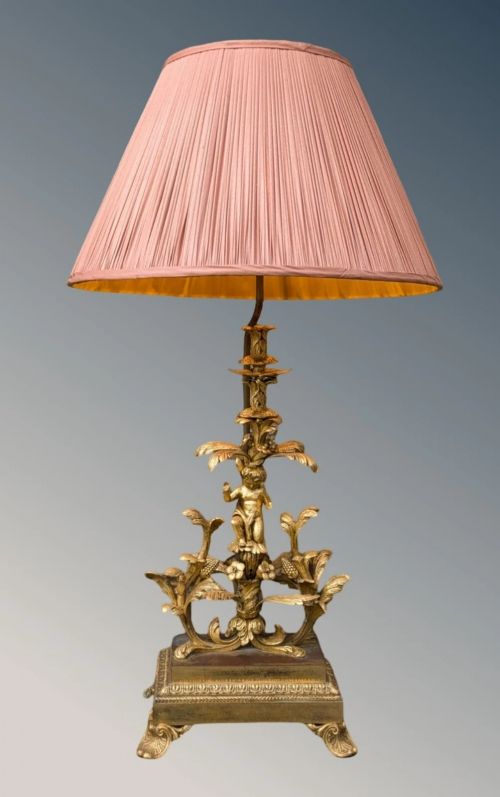
Buyers frequently encounter pairs of gilt bronze or patinated bronze cherubs mounted on marble bases, often serving as lighting components, mantel garnitures, or architectural wall lights.
Materials and Construction
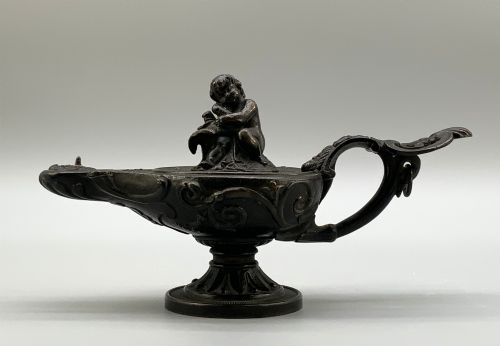
Foundry work dominates the metal pieces, utilising lost-wax casting for bronze and patinated bronze figures, which were frequently finished with ormolu mercury gilding.
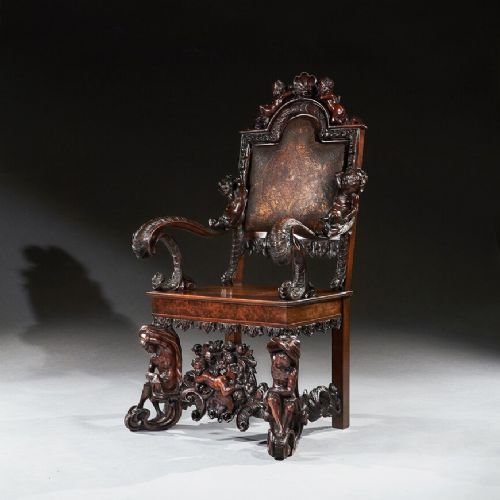
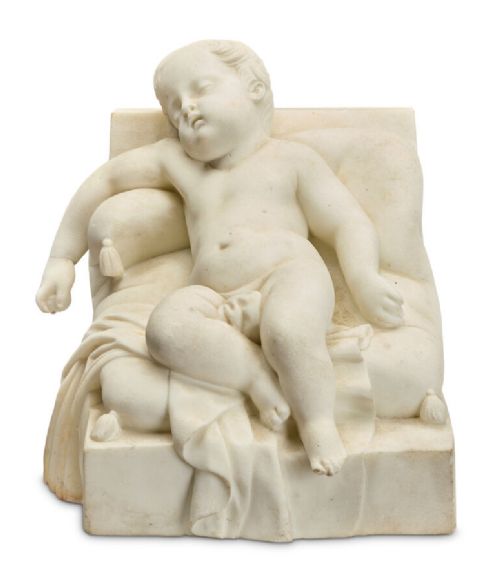
Sculptural items employ carved Carrara marble, walnut, oak, and pine, while ceramic examples incorporate Sevres porcelain, Minton majolica, and Bloor Derby earthenware.
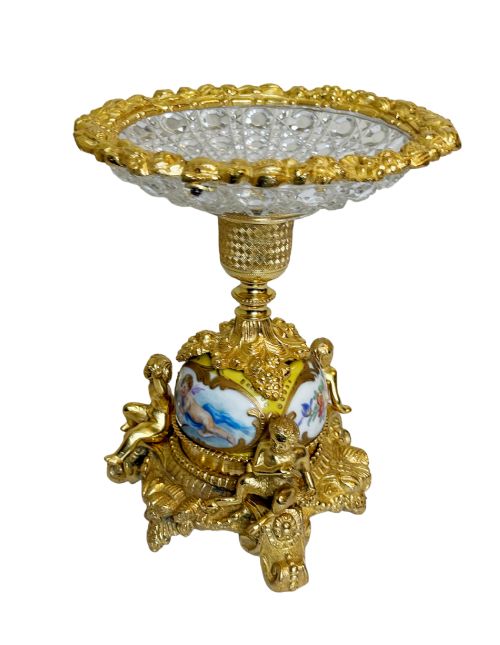
Ormolu mounts, cut crystal bowls, and hand-painted enamel details combine with heavy metal castings to build complex decorative objects like centrepieces and table lamps.
A winged infant occasionally shares its bronze perch with an attentive spaniel dog.
Assessing the Craftsmanship
The definition in the casting separates superior metalwork from lesser production, evident in the crispness of feather detailing on wings and the smooth musculature of the infant figures.
In marble and wood examples, the depth of undercut carving and the naturalism of facial expressions dictate the standard of execution by the carver or studio.
Original mercury gilding, intact patination, and the harmonious pairing of components like marble bases indicate higher period integrity.
Sevres·Minton·Bloor Derby·G R Collis·Clement Messier·Ernst Wallace
The 19th Century Putto Glossary
- Putto
- A representation of a human infant, usually winged and naked, derived from classical art and common in Renaissance and nineteenth-century revival decorative schemes.
- Ormolu
- Gilt bronze produced by applying a mixture of gold and mercury to a bronze object and heating it to drive off the mercury.
- Garniture
- A set of matching decorative objects, typically a mantel clock flanked by matching candelabras or vases.
- Chenet
- A metal fire dog or firedog placed at the hearth to support burning logs, frequently cast with figural mounts.
- Grand Tour
- A cultural journey undertaken by nineteenth-century elites who acquired classical-style bronzes and sculptures as souvenirs.
19th Century Putto: Frequently Asked Questions
What is a putto?
A putto is a chubby, wingless or winged infant figure found in classical art, distinct from religious angels by its mythological associations with love and the harvest.
Nineteenth-century makers adopted these motifs from earlier Baroque and Rococo sources to adorn domestic luxury items.
How were bronze putti made?
Metal figures were cast using traditional foundry methods like sand casting or lost-wax techniques, allowing for intricate rendering of hair and wings.
Once cast, the bronze received patination through chemical treatments or was finished with gold ormolu gilding.
Where were these pieces placed?
Homeowners in the nineteenth century displayed these figures on mantelpieces as clock garnitures, mounted them as wall brackets, or utilised them as table lamps.
Larger versions stood as independent sculptures, floor-standing torcheres, or decorative urns in grand drawing rooms.
How do I distinguish periods?
Early examples often reflect Neoclassical restraint, while pieces from the 1880s and 1890s lean towards elaborate French Rococo Revival and Louis XVI styles.
Material choices, foundry marks, and integration with materials like white marble or cut crystal help narrow the date of manufacture.