



Carved Wood Putto
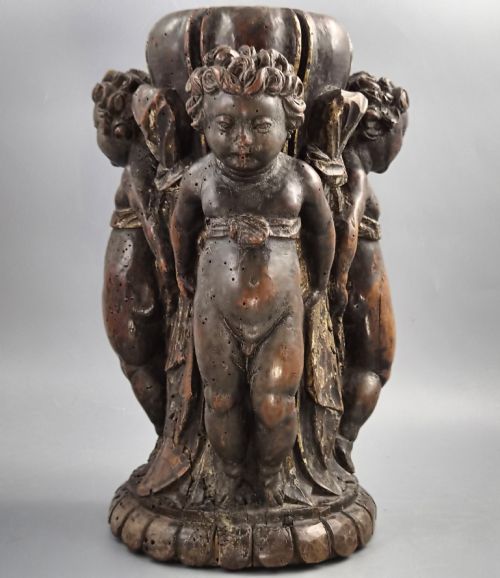
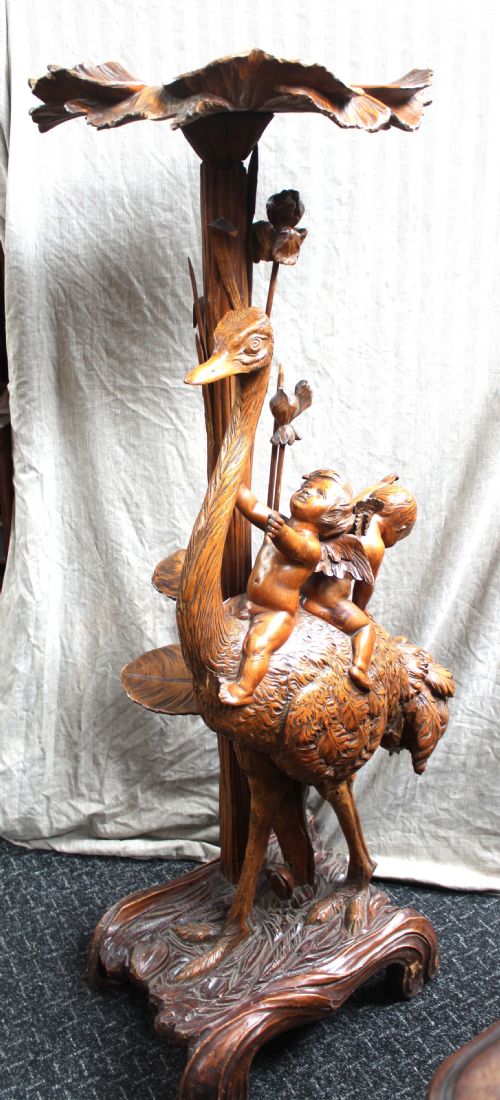
A carved wood putto brings expressive classical movement to an interior, appearing on everything from architectural mirrors to freestanding Italian wall sculptures.
Carved Wood Putto
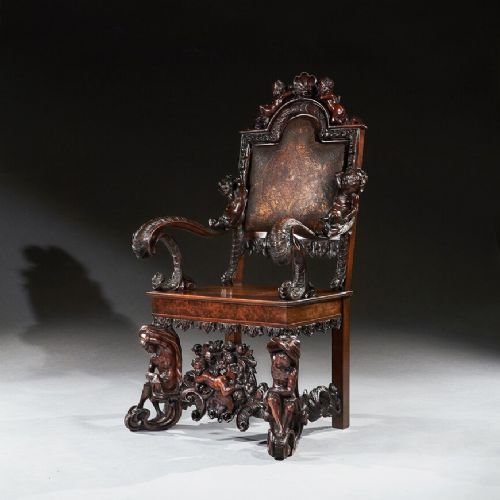
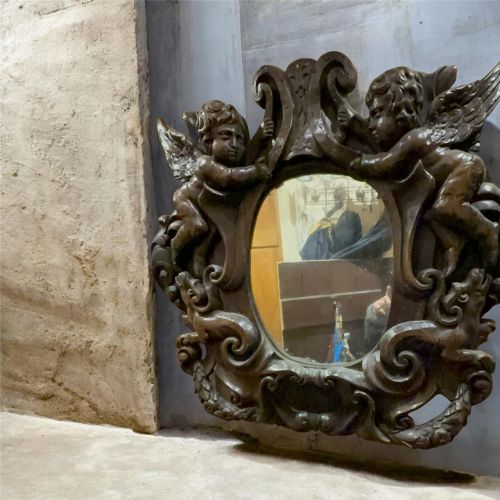
When you search for a carved wood putto, you encounter figures ranging from standalone 18th-century French statues to architectural fragments integrated into Victorian wall mirrors and Baroque torchieres.
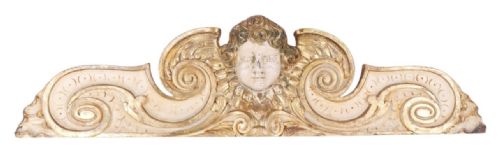
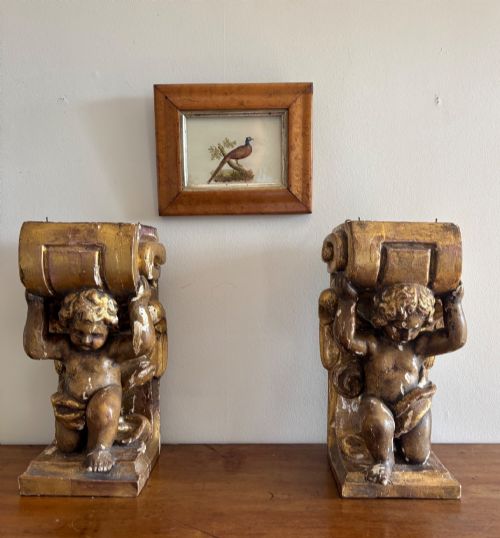
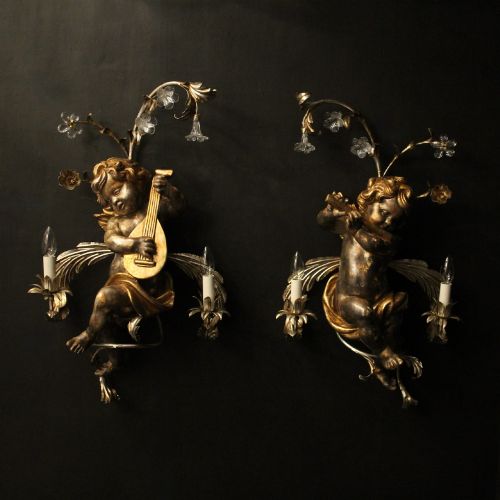
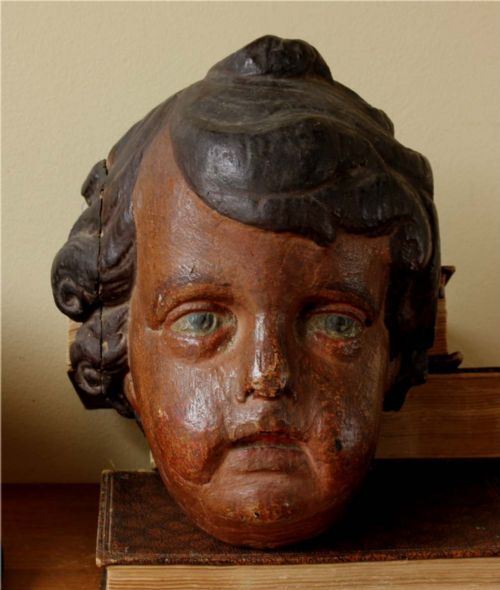
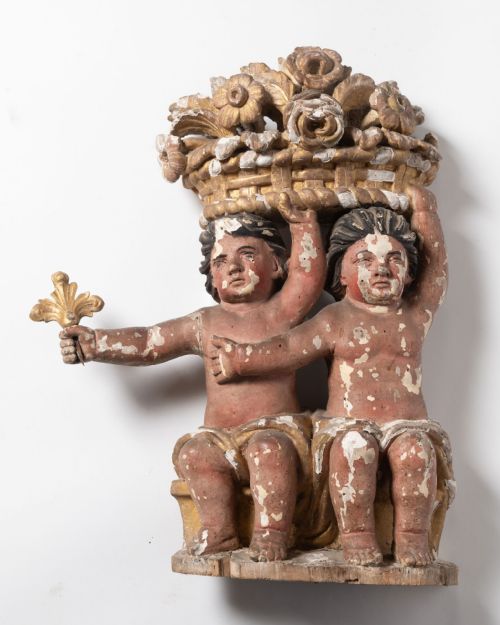
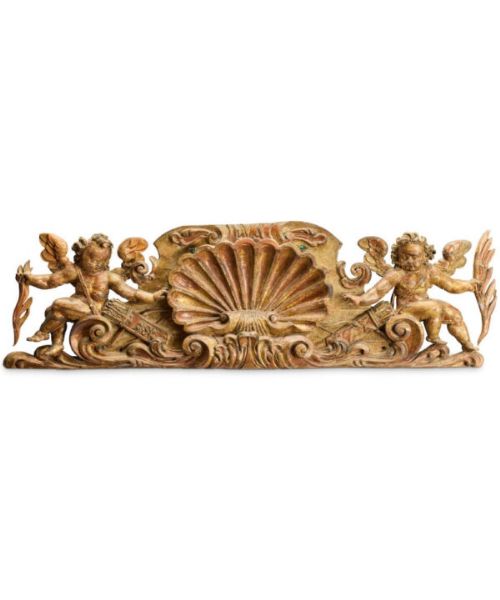
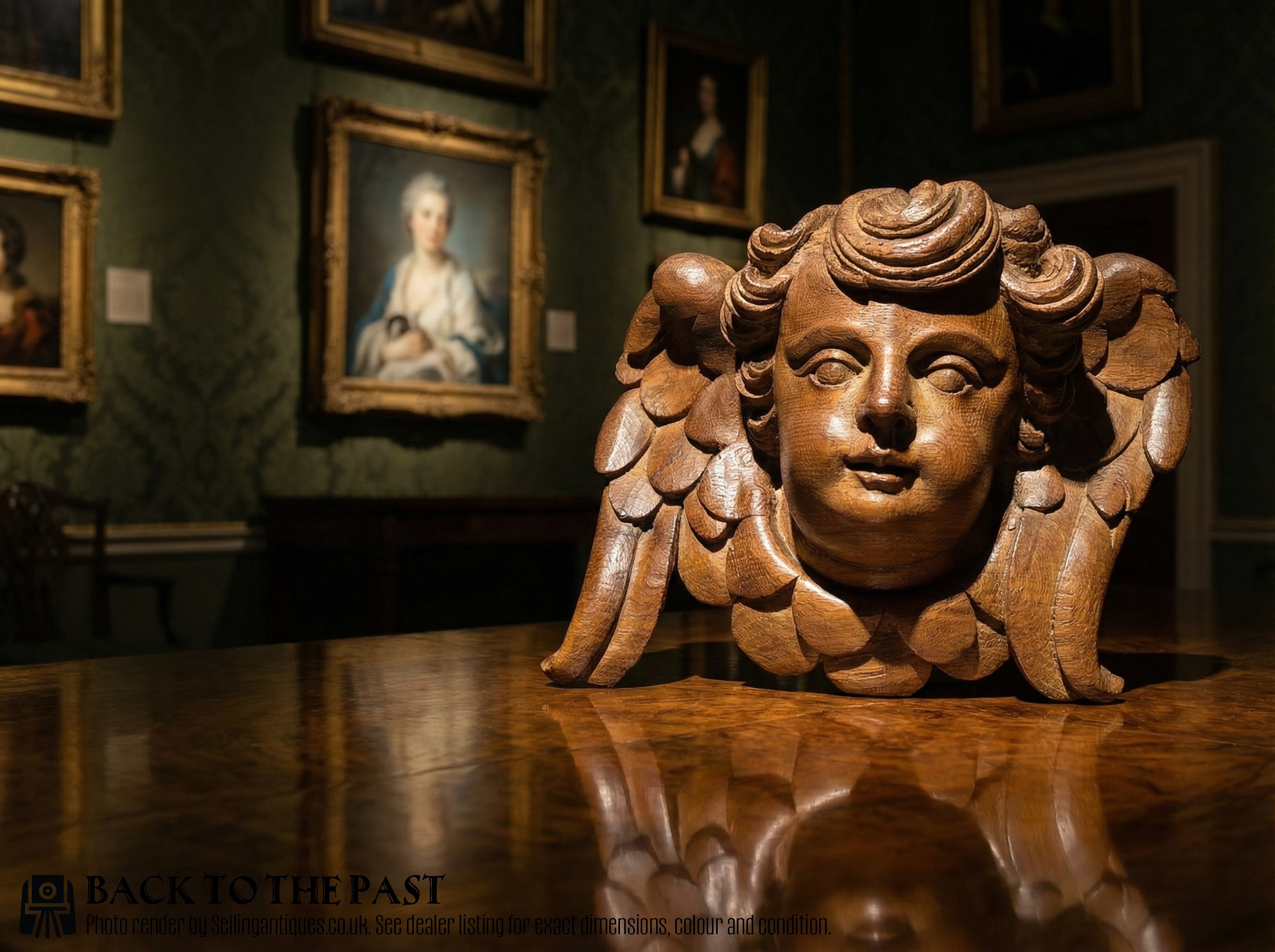
The versions most common on this page are 19th-century Italian and French interpretations of earlier Baroque styles, often rendered as giltwood wall brackets, polychrome heads, or pairs of flanking angels.
These pieces function as both sculptural art and decorative furnishings, appearing on oak panels, overmantels, and table lamp bases across the seventeenth to twentieth centuries.
Materials and Carving Techniques
Carvers shaped these figures primarily from hardwoods like oak, walnut, lime wood, and limewood, utilising hand chisels to achieve flowing drapery and rounded limbs.
Many surfaces received a layer of gesso before application of gold leaf, silver gilt, or polychrome paint, creating reflective metallic finishes or lifelike skin tones.
Some decorative elements combine carved wood with specialised components such as Murano glass arms or leathermaché architectural decorations.
Several listings feature mischievous putti emerging directly from clouds, perched atop church alters, or keeping watch at the feet of saints.
Markers of Superior Craftsmanship
Quality rests in the anatomical depth of the carving and the fluidity of the pose, distinguishing master workshop execution from standard decorative production.
The preservation of original surface treatments, whether aged polychrome pigment or intact gold leaf over gesso, dictates the integrity of the piece.
Andrea Brustolon·Grinling Gibbons
The Carved Wood Putto Glossary
- Putto
- A plump, naked male child figure found in classical art. They often appear winged and serve as decorative motifs in Baroque and Renaissance design.
- Giltwood
- Timber coated with gold leaf or gold paint. This finish was widely utilised on mirrors and architectural panels to catch candlelight.
- Polychrome
- Decorated in several colours. This technique brings painted realism to wooden sculptures and architectural fragments.
- Torchiere
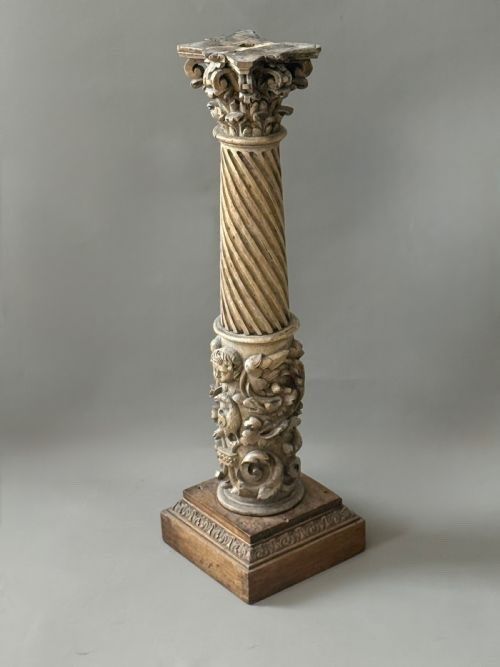
- A tall stand or ornamental floor lamp base. These objects frequently incorporate carved figures and columns.
Carved Wood Putto: Frequently Asked Questions
How do I date a carved wood putto?
Dating relies on tool marks, the choice of underlying timber such as oak or walnut, and the ageing patterns of the gesso and surface gilding.
Stylistic cues also help narrow the period, as 17th-century Baroque work tends to show deeper undercut carving compared to later revival pieces.
Were these figures originally part of larger furniture?
Many carved putti originated as architectural salvage, having been detached from church altarpieces, overdoors, torchieres, or grand overmantel mirrors.
Others were created as independent sculptures on stands or as matched pairs of wall brackets intended for display.
How should I clean a gilded wooden putto?
Dust gently with a dry, soft artist brush to protect fragile gold leaf and historical gesso surfaces from abrasion and moisture damage.
Avoid chemical polishes or water entirely, as these substances strip delicate historic finishes from the timber.
What is the difference between a putto and a cherub?
Art history distinguishes putti as secular classical figures of love or mischief from the winged celestial cherubim rooted in religious iconography.
In antique trade terminology, however, dealers often use both terms interchangeably for these wooden carvings.