


Baroque Style Sculpture
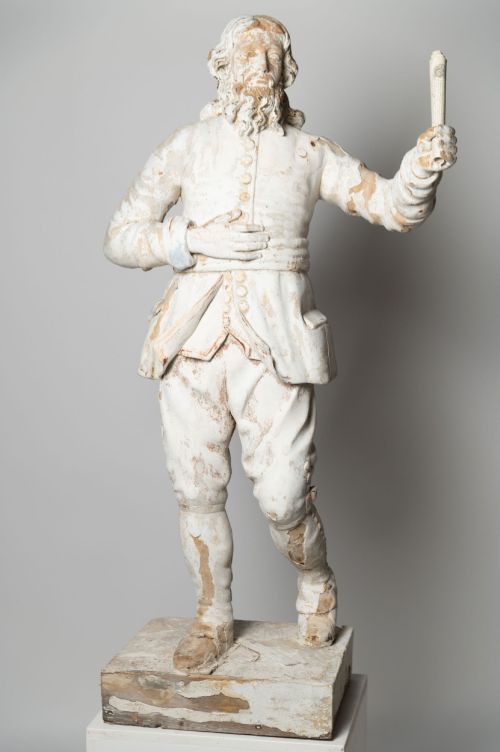
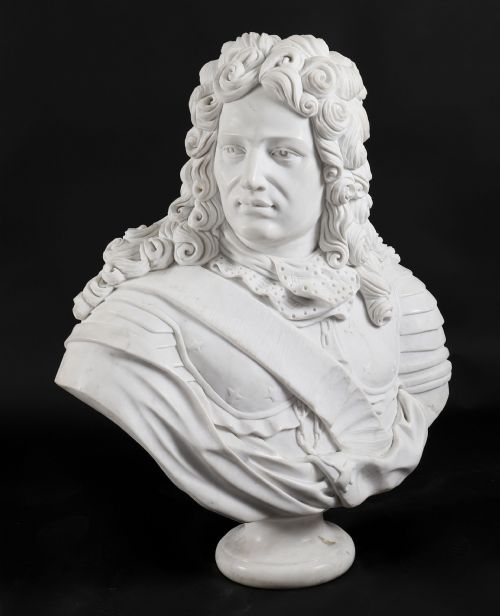
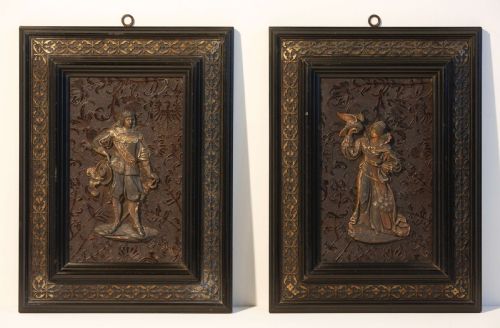
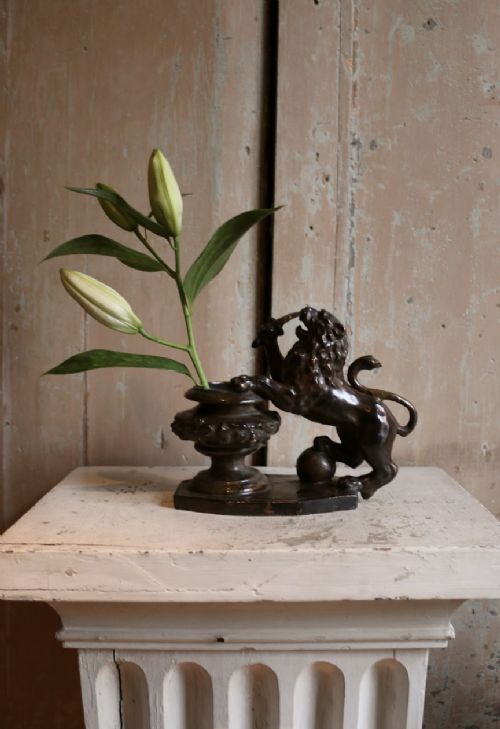
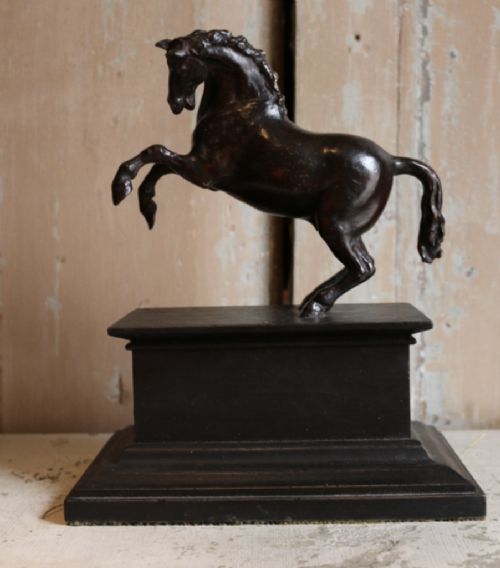
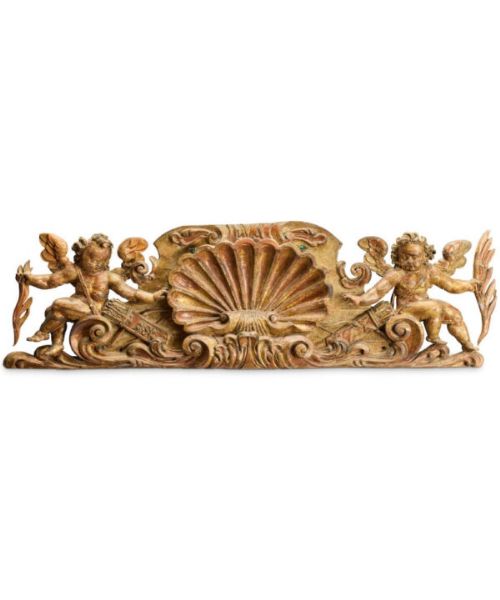
These pieces of baroque style sculpture bring dramatic movement and rich surface detail into a room.
Baroque Style Sculpture
When you search for baroque style sculpture, you encounter a striking range of figural and decorative works spanning multiple centuries. The selection includes carved wood angels, putti, and wall plaques alongside bronze figures and architectural fragments.
Most examples date from the seventeenth, eighteenth, and nineteenth centuries, often showing revival movements or ecclesiastical origins. Forms vary from small inkwells and wall sculptures to console tables and substantial carved wooden figures.
Materials and construction methods
Carved wood forms the foundation of many pieces, utilising hardwoods, walnut, and oak shaped by hand. Craftsmen frequently applied gesso and gold leaf to create luminous surfaces that caught candlelight.
Bronze casting forms the metalwork in the collection, capturing fine anatomical details through traditional foundry methods. Polychrome paint and parcel gilding add colour and contrast to the sculptural forms.
Listings feature items from the seventeenth, eighteenth, and nineteenth centuries, alongside mid-twentieth-century pieces.
Distinguishing quality in the pieces
The finesse of the carving dictates the visual power of wooden figures, separating fluid drapery and expressive faces from rigid execution. Depth of undercut and crispness in the gesso and gold leaf layers reveal the original maker's skill.
Grinling Gibbons·Aspetti·Antoine Coysevox·Barbedienne
The Baroque Style Sculpture Glossary
- Baroque
- A European artistic style originating in the early seventeenth century, characterised by exaggerated motion, deep emotion, and grand drama. It sought to evoke surprise and awe through theatrical compositions.
- Gesso
- A plaster-like mixture applied to wood surfaces as a smooth base for gilding or painting. It allows intricate relief details to be modelled before gold leaf is laid down.
- Putto
- A figure of a small chubby infant, frequently winged, appearing often in religious and secular art. These figures add playful movement and energy to architectural carvings and freestanding statues.
- Parcel Gilt
- A decoration technique where only specific areas of an object receive gold leaf, leaving the underlying wood or material exposed. This method creates contrast and highlights particular carved elements.
- Term
- A pillar or pedestal tapering downward, topped by a bust or upper body of a figure. These architectural supports blend structural form with sculptural decoration.
Baroque Style Sculpture: Frequently Asked Questions
What periods do these sculptures cover?
The selections span from the seventeenth century through to the nineteenth century, including specific revival pieces.
You also find occasional twentieth-century interpretations among the bronze busts and marble works.
How were these sculptures used originally?
Many ecclesiastical pieces served in churches and chapels as devotional figures or architectural pediments.
Domestic interiors also received decorative carved wood plaques, console tables, and bronze inkwells for display.
How do I care for carved wood and gilt surfaces?
Keep wooden and gilded items away from direct sunlight and sudden temperature changes to prevent cracking.
Dust gently with a dry, soft cloth and avoid chemical cleaning agents that strip fragile gold leaf.
What is the difference between original and revival pieces?
Seventeenth and eighteenth-century works were produced during the height of the movement or its immediate aftermath.
Revival pieces from the nineteenth century consciously copied these earlier dramatic forms using traditional techniques.