
Antique Italian Figure Sculpture
Antique italian figure sculpture brings classical heritage and skilled craftsmanship into a room through bronze figures, marble busts, and carved wood subjects.
Antique Italian Figure Sculpture
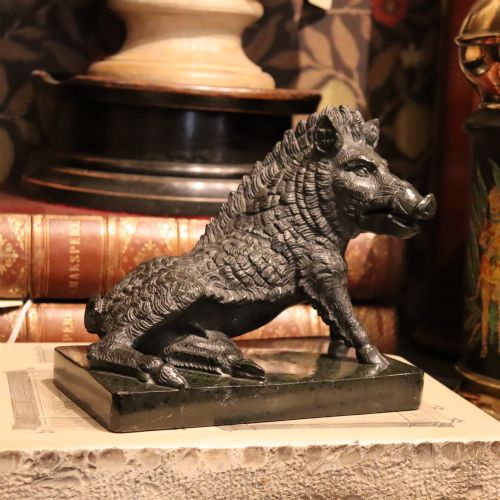
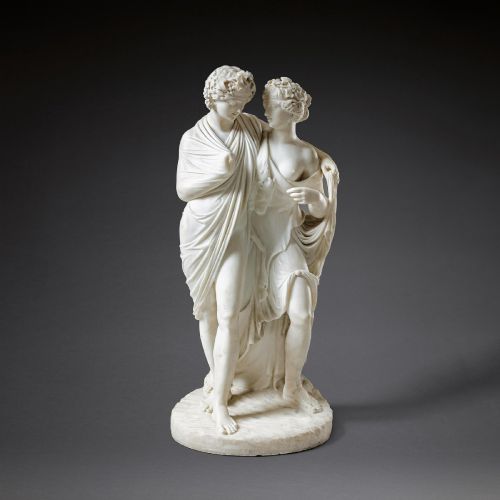
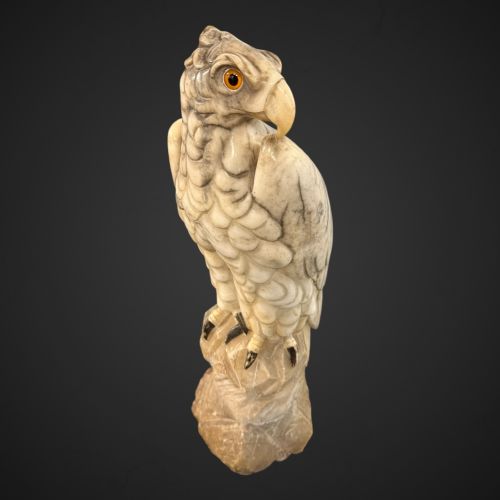
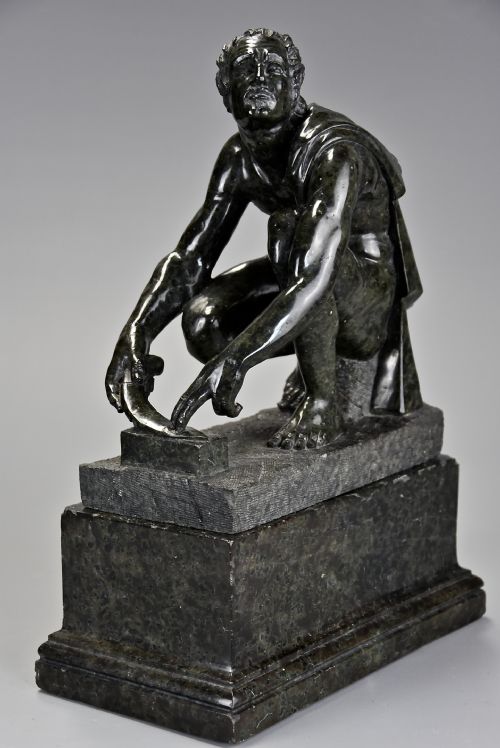
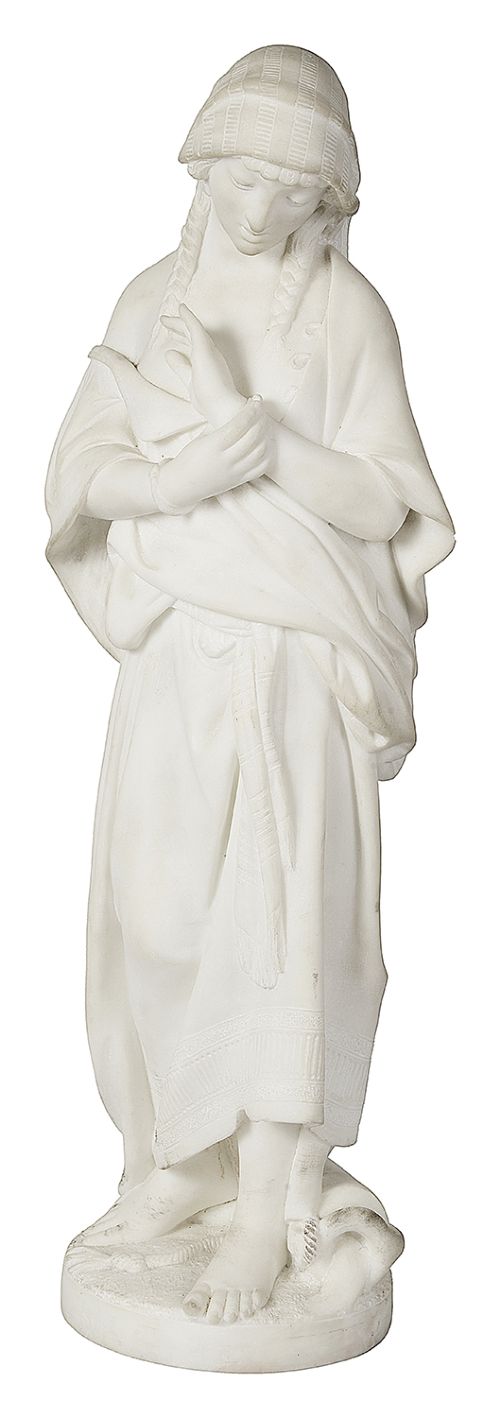
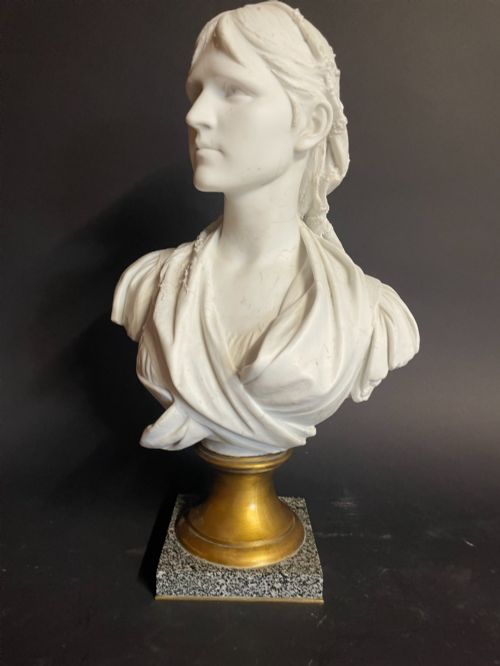
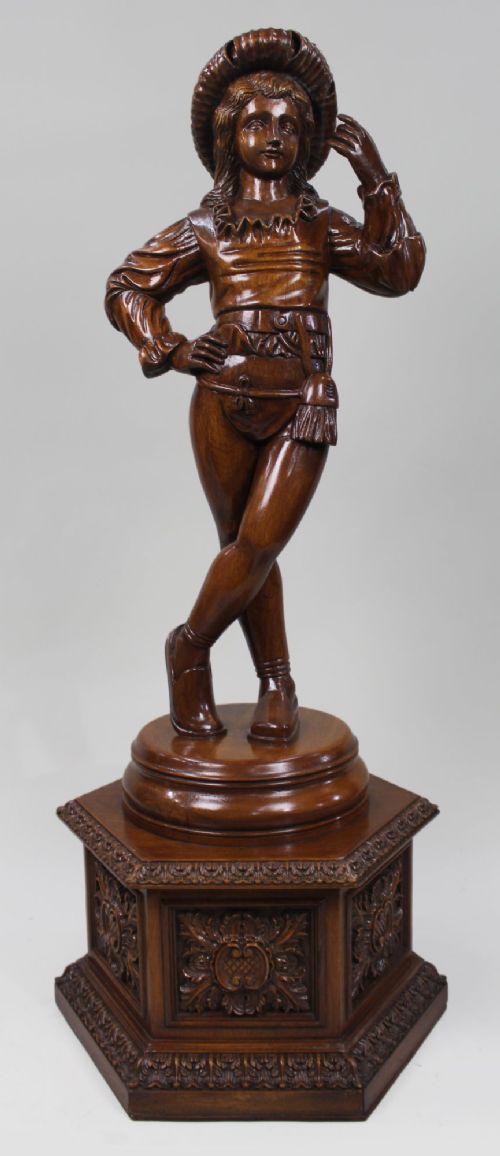
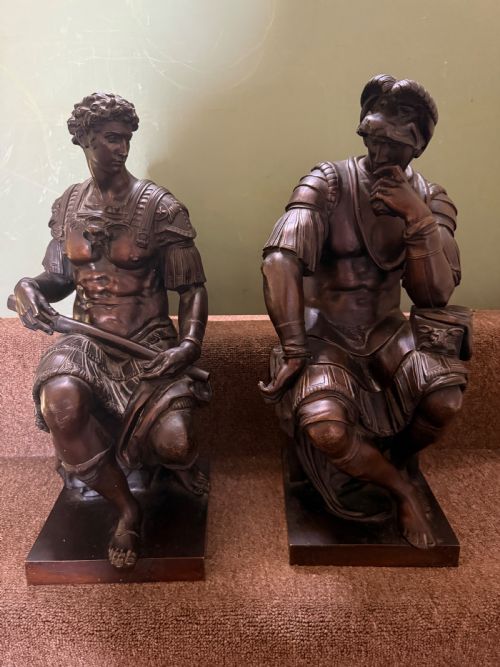
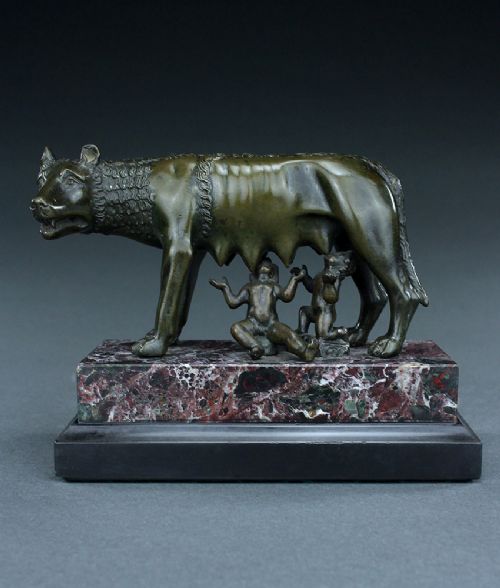
When you search for antique italian figure sculpture, you encounter works that range from small Grand Tour souvenirs to substantial carved marble and bronze representations of classical figures, mythological subjects, and religious icons. The selections available here heavily lean toward nineteenth-century interpretations, including bronze studies of famous antiquities and marble busts after canonical sculptors like Canova and Michelangelo.
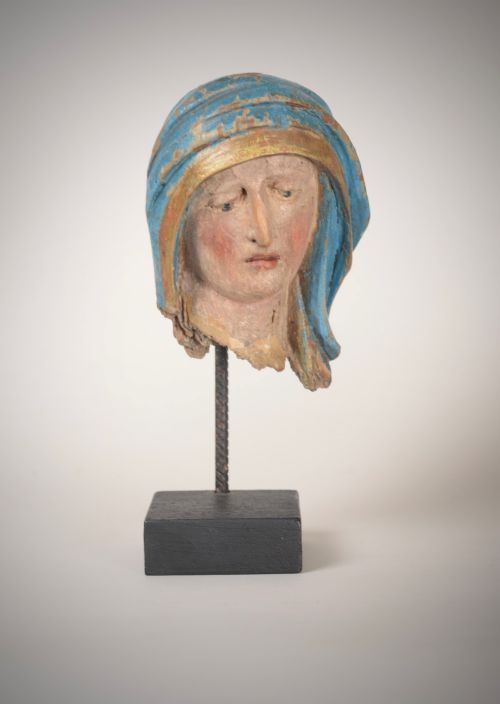
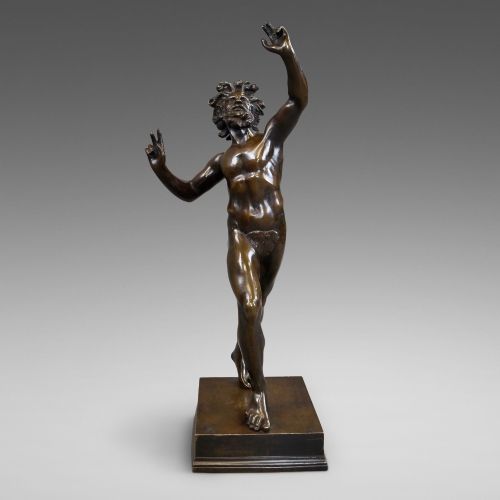
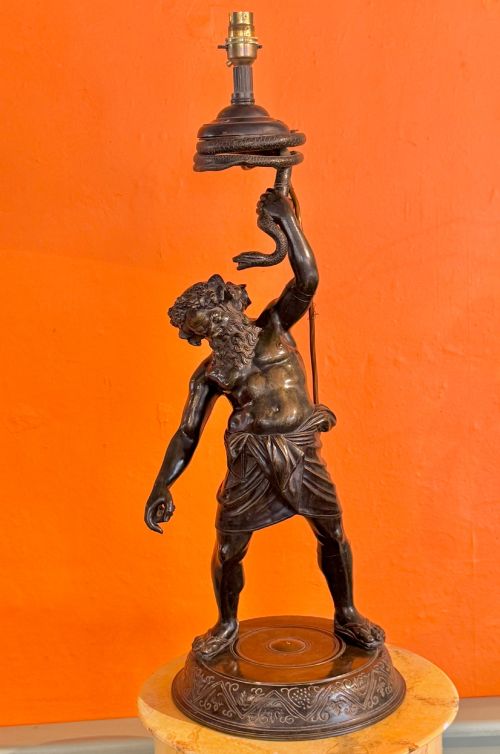
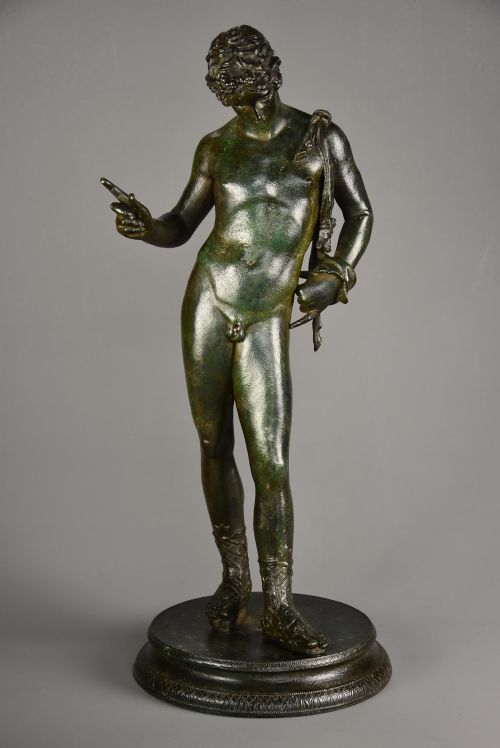
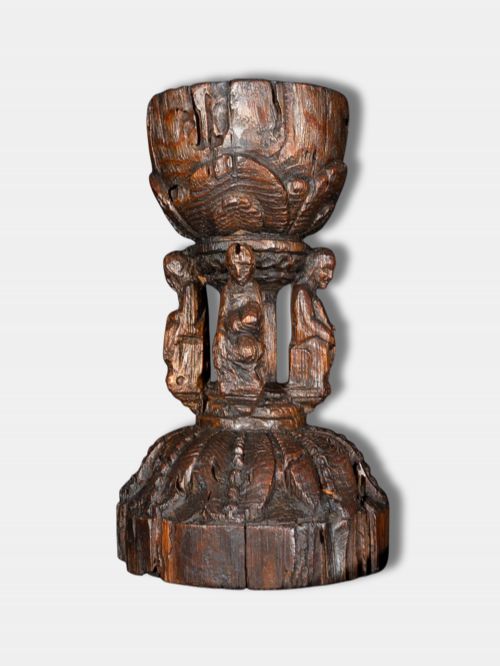
The forms extend from full-length figures such as Narcissus, dancing fauns, and saints to decorative lamp bases, wall fragments, and portrait busts of historical figures like Dante. These pieces reflect centuries of artistic engagement with classical antiquity, produced both for local devotion and for travellers journeying through Italy during the Grand Tour.
What varies in quality
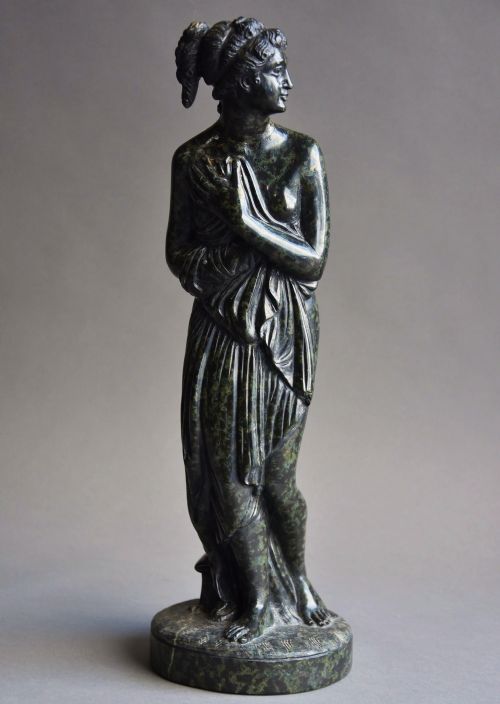
Materials also dictate the tier of a work, with finely grained Carrara marble, rich verdo prato serpentine, and heavy, well-patinated bronze castings representing the upper end of the range. Additionally, signed pieces or works attributed to known workshops or named sculptors command greater recognition than anonymous souvenir pieces.
Several nineteenth-century sculptors turned classical dignity on its head by casting miniature bronze fauns and dancing figures to supervise the library bookshelf.
Carlo Albacini·Barranti·G Amodio·Antonio Canova·Valentino Besarel·Giambologna
The Antique Italian Figure Sculpture Glossary
- Grand Tour
- A cultural journey undertaken by wealthy young Europeans through Italy, acquiring art and sculptural souvenirs along the way. These smaller bronzes and marbles formed the core of domestic displays back home.
- Patination
- The surface coloration and sheen developed naturally over time or applied chemically by the maker. In bronzes, this creates deep green, brown, or black tones that protect the metal and define highlights.
- Carrara marble
- A type of white or blue-grey marble quarried in the city of Carrara in Tuscany, prized since Roman times for its uniform texture. Sculptors utilised it for its smooth finish and subtle translucency.
- Polychrome
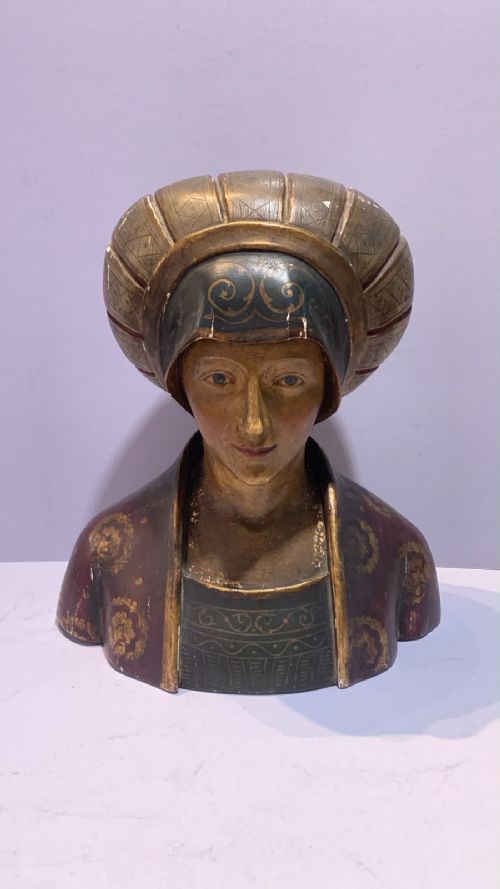
- The practice of decorating sculptural surfaces in a variety of colours. This technique appears frequently on older wooden religious figures and angels.
- Serpentine
- A group of green silicate minerals often used as a decorative stone in Italian carving. It yields distinctive mottled green surfaces found on many nineteenth-century models.
Antique Italian Figure Sculpture: Frequently Asked Questions
How do I distinguish bronze from marble figures?
Bronze figures are metal castings made through molten pouring, often featuring applied patinas and mounted on stone bases. Marble sculptures are carved directly from solid stone blocks, showing natural veining and a smooth, cool touch.
Both materials were widely used in Italian workshops, but they require different maintenance regarding cleaning and placement away from direct heat.
Where were these sculptures originally displayed?
Many of these pieces originated as decorative objects for wealthy European residences, formal libraries, and galleries. Religious figures like santos and angels were carved for church altars, domestic shrines, or private chapels.
Today, collectors place them on mantelpieces, desks, or dedicated pedestals as focal points in period and contemporary interiors.
How do I date an Italian figure sculpture?
Dating relies on stylistic clues, material choice, casting methods, and any signatures or workshop attributions marked on the base. Nineteenth-century Grand Tour pieces often replicate specific archaeological discoveries from Pompeii or Roman collections.
Examining the wear on the underside, the composition of the patination, and the tooling marks provides further context for the period of manufacture.