

19th Century Porcelain Dish
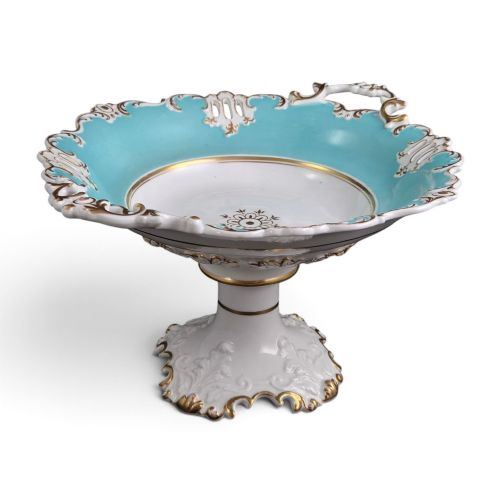
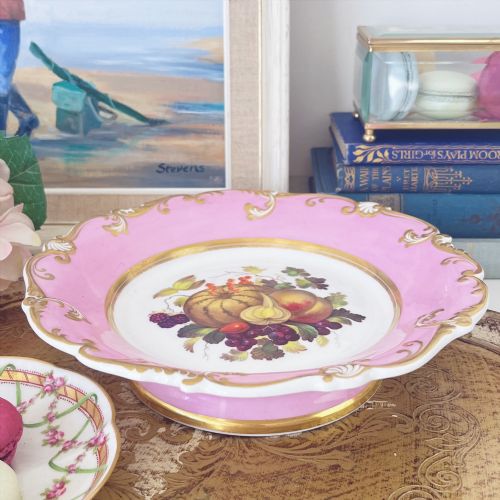
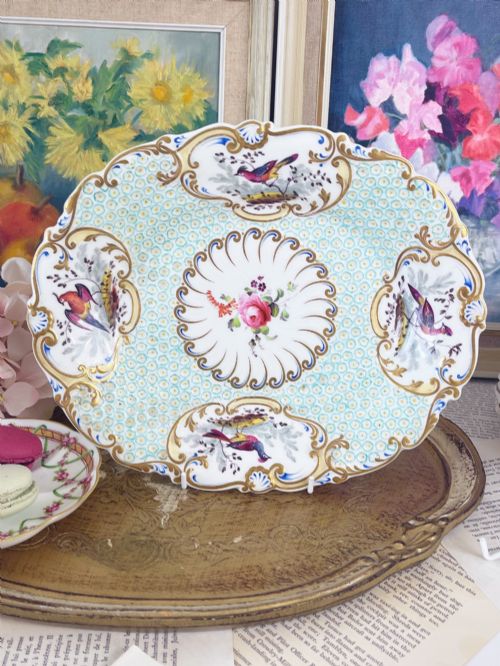
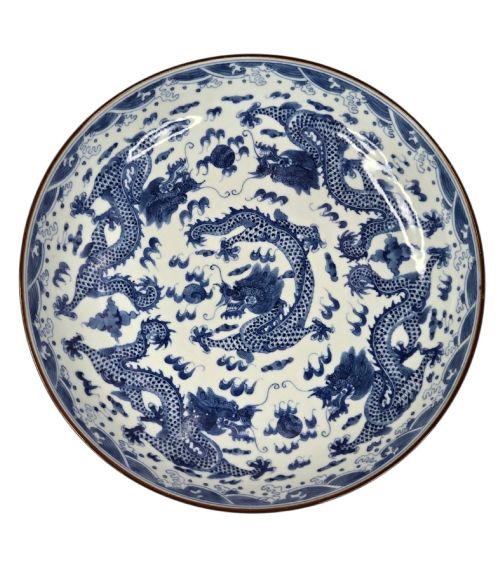
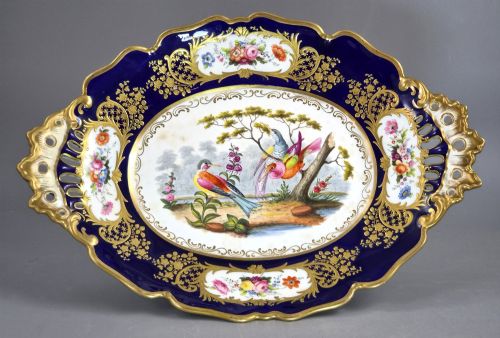
A 19th century porcelain dish brings the hand-painted birds, botanical studies and rich gilt borders of the period directly to the table or cabinet.
19th Century Porcelain Dish
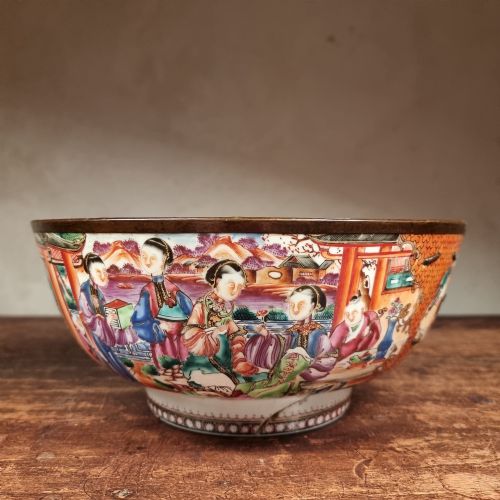
When you search for a 19th century porcelain dish, you encounter an array of serving vessels, dessert plates, comports, and cabinet pieces produced across European and Asian kilns. The selection spans English bone china, French hard-paste porcelain, German Meissen works, and Japanese Imari wares from the Victorian, Regency, and Qing periods.
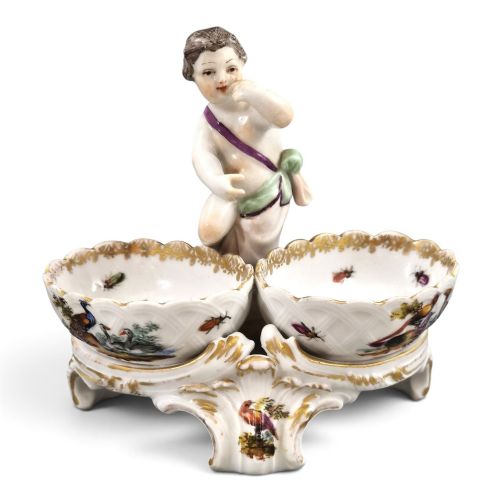
You are most likely to meet English factory wares from makers such as Spode, Coalport, and Worcester, alongside continental porcelain and Chinese export pieces designed for display or dining. These items range from simple blue and white chargers to elaborate hand-painted tazzas and figural salt cellars.
The forms reflect the shifting tastes of the era, moving from neoclassical Regency simplicity to exuberant Rococo Revival curves and Aesthetic Movement asymmetry. Whether intended for fruit, sweets, or general display, each piece demonstrates the high technical ambitions of nineteenth-century ceramic production.
How they were made
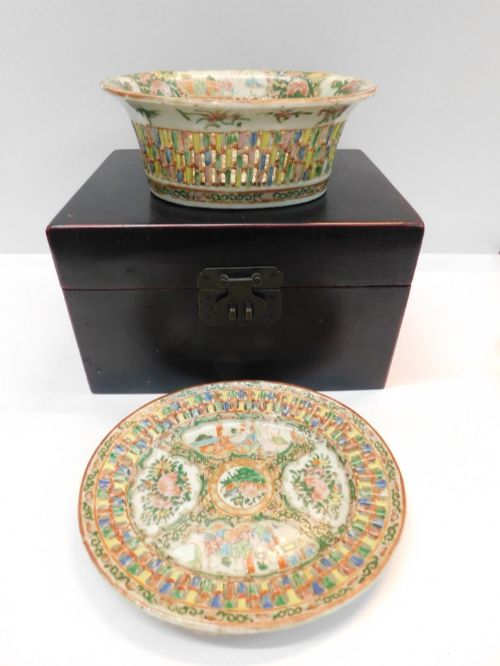
Potters utilised hard-paste porcelain and bone china, shaping the clay on wheels or pressing it into moulds to create intricate forms such as reticulated chestnut baskets and footed comports. The body was fired at high temperatures before receiving glazes that provided a smooth, vitreous surface for subsequent decoration.
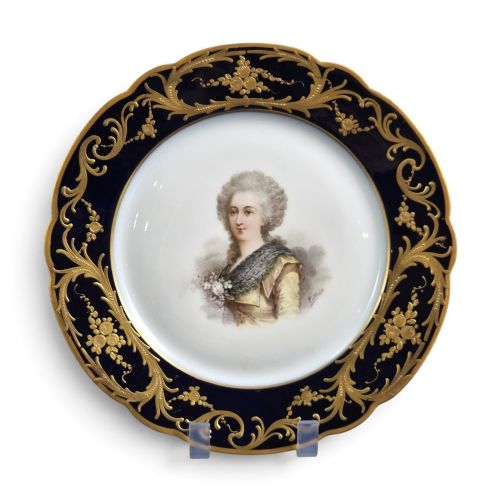
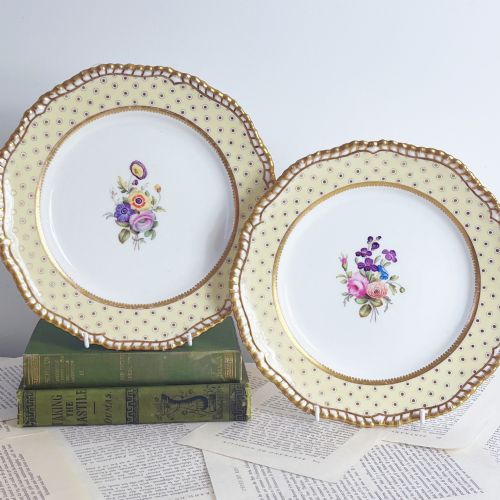
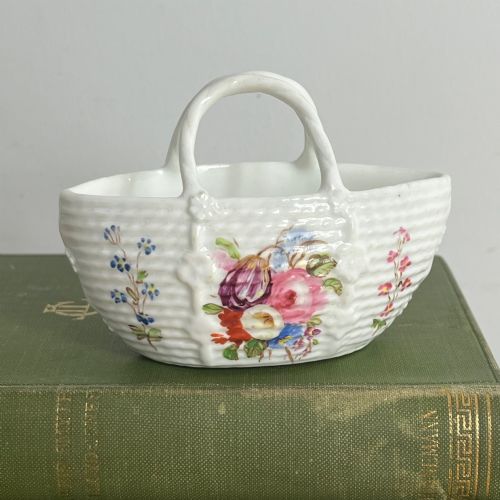
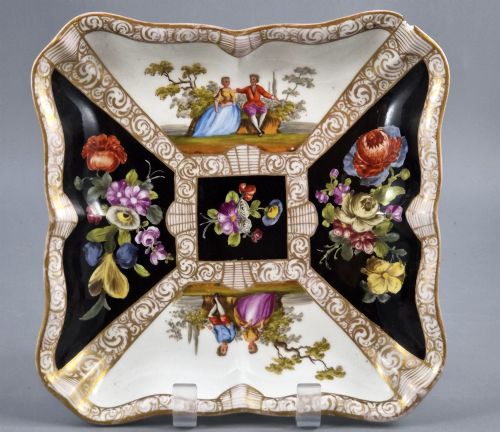
Artisans applied hand-painted motifs, including botanical studies, ornithological scenes, and Watteau figures, often layering enamel colours with gold leaf and gilt detailing. Many pieces underwent multiple firings to fix the enamel pigments and burnish the gold accents to a bright finish.
19th Century Porcelain Dish Retail Price Guide 2026
Typical asking prices for 19th century porcelain dish among the pieces listed under this phrase on Sellingantiques today, from the lower quarter to the upper quarter. They describe what is for sale here now, not the wider market.
What varies in quality
The standard of painting marks the primary distinction between ordinary factory output and exceptional studio work, particularly in the rendering of fine bird plumage, floral details, and portrait miniatures. Superior pieces display confident brushwork and precise enamel control executed by named artists or skilled factory hands.
The application and preservation of gilding also determine the standing of a piece, with heavy hand-chased gold leaf indicating a higher tier of production than thin transfer-printed or rubbed gilt borders. Additionally, the crispness of moulded elements, such as shell edges or dragon motifs, separates standard domestic wares from exhibition-grade commissions.
Spode·Coalport·Flight Barr and Barr Worcester·H and R Daniel·Meissen·Royal Worcester·Davenport·KPM Berlin·Derby·Limoges·Minton·Chamberlains Worcester·Hicks and Meigh·Doe and Rogers
The 19th Century Porcelain Dish Glossary
- Bone china
- A type of porcelain incorporating bone ash, developed in England to create a durable, slightly translucent white body.
- Tazza
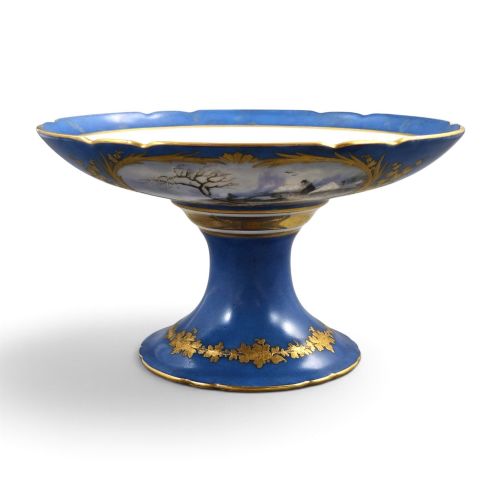
- A shallow ornamental bowl or plate mounted on a stem and foot, commonly used for serving fruit or sweets on the nineteenth-century dining table.
- Gilding
- The application of gold leaf or gold paint to ceramic surfaces, often burnished to achieve a reflective metallic finish.
- Imari
- A style of Japanese export porcelain characterised by a palette of underglaze blue, iron red, and added gold.
- Reticulated
- Describes ceramic work featuring an openwork lattice or pierced pattern formed in the clay before glazing and firing.
19th Century Porcelain Dish: Frequently Asked Questions
How were nineteenth-century porcelain dishes used?
Many of these pieces served practical dining functions, holding desserts, fruit, sauces, or sweetmeats during formal meals. Others were purely decorative cabinet plates or comports meant to be displayed on sideboards and walls.
Over the course of the century, the boundary between functional tableware and decorative art blurred, with elaborate tazzas and painted trays increasingly reserved for display.
How do I identify a Regency period dish?
Regency pieces often feature neoclassical shapes, botanical or armorial painting, and restrained gilt borders. Look for crisp white bodies and refined forms that reflect early nineteenth-century taste.
Maker marks from factories active during this specific era, such as early Spode or Chamberlains Worcester, help confirm the period.
What distinguishes Japanese Imari from European copies?
Japanese Imari pieces display a distinct dense palette of iron red, underglaze blue, and gold over a slightly greyish or pitted porcelain body. European factories often copied these patterns on softer or whiter pastes with different potting weights.
Examining the foot ring and the character of the glaze usually reveals the true origin of the piece.
Can I use antique porcelain dishes for food?
While these items were originally made for dining, age and historical glazes require careful consideration before serving food. Lead or other historic compounds in certain glazes mean many collectors prefer to keep them for display.
Hand washing in warm water without harsh detergents is essential if you choose to use them.