
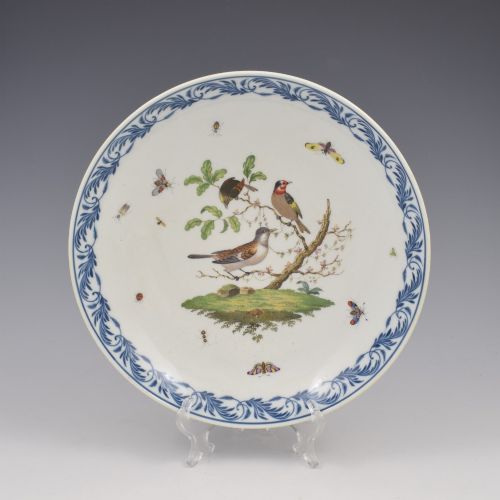
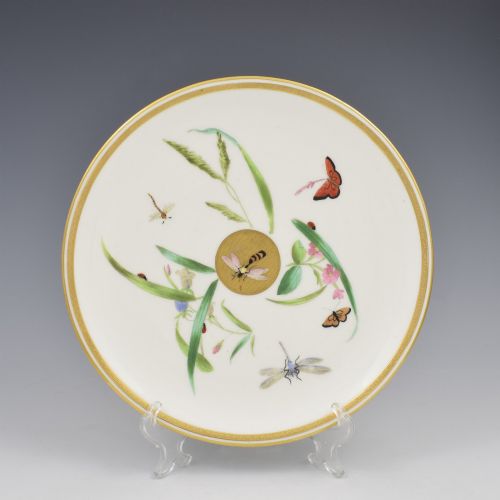
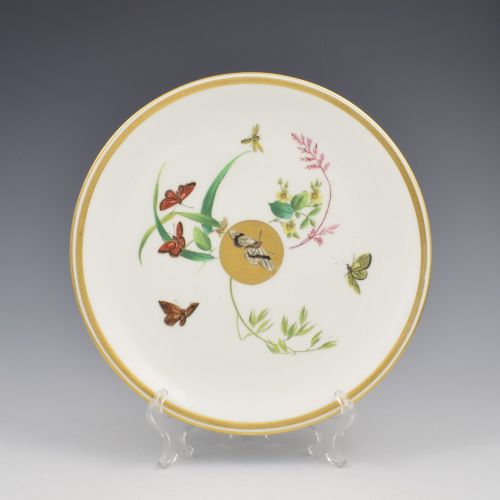


Victorian Dessert Plate
A victorian dessert plate brings the colour and refinement of nineteenth-century dining tables directly into modern rooms.
Victorian Dessert Plate
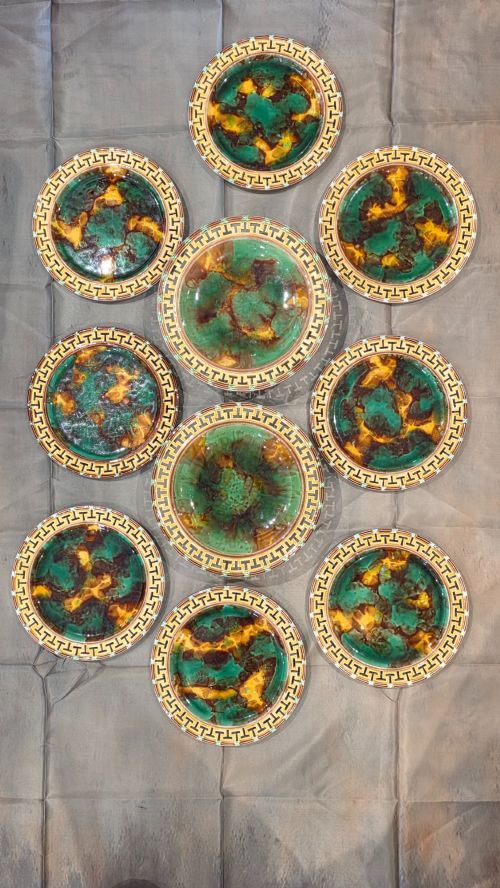
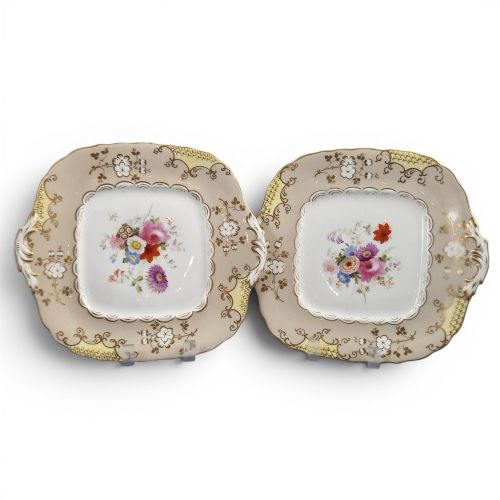
A victorian dessert plate forms part of the final course tableware of the nineteenth century, designed specifically for fruit, sweetmeats and desserts. These plates appear in porcelain, bone china and majolica, often accompanied by matching comports or serving dishes.
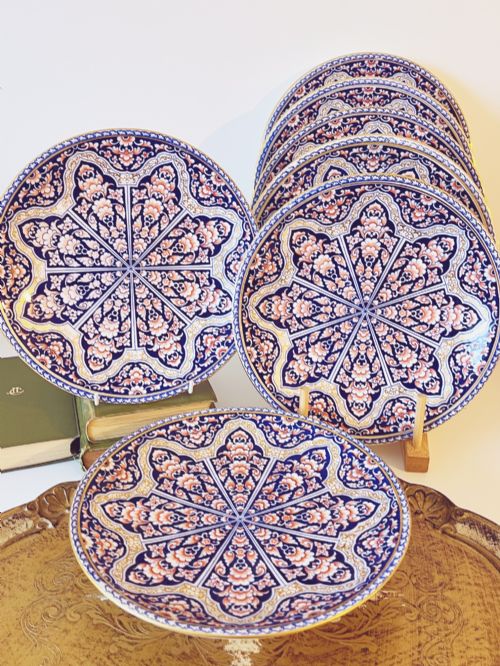
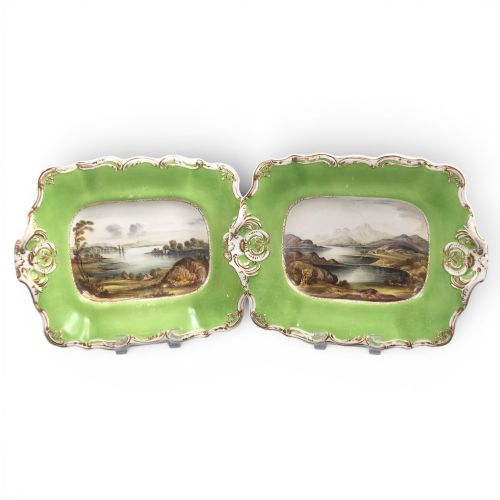
The pieces on this page emerge from 19th century and Victorian periods, stretching from early Victorian examples through to Aesthetic Movement designs and later works. Makers utilise hand painting, gilding and transfer printing to decorate these surfaces.
Buyers encounter single cabinet pieces as well as larger services, ranging from botanical studies and landscape views to Japanese-inspired motifs. Most examples reflect the expanding industrial and artistic capabilities of British potteries alongside continental European influences.
Materials and manufacture
Potters shaped these vessels using porcelain, bone china and glazed earthenware such as majolica, applying hand-painted pigments and transfer prints before firing. Many surfaces incorporate raised gold leaf, enamel work and pearl jewelling to catch the candlelight of a dining room.
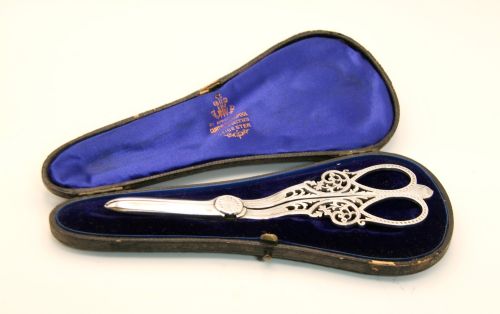
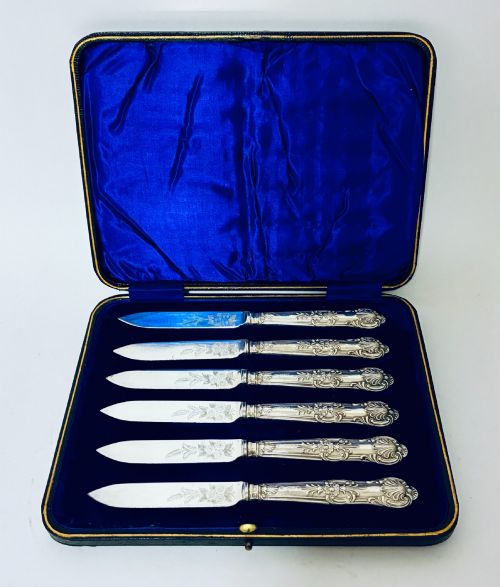
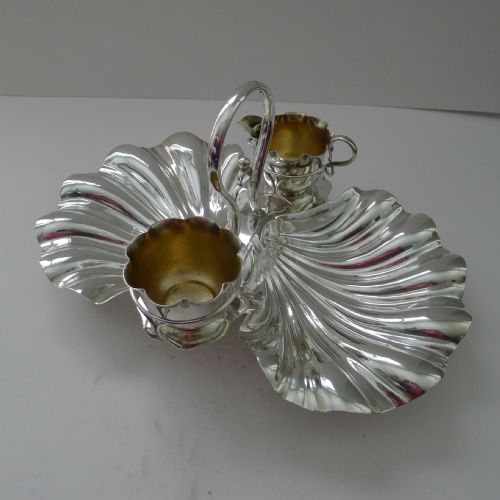
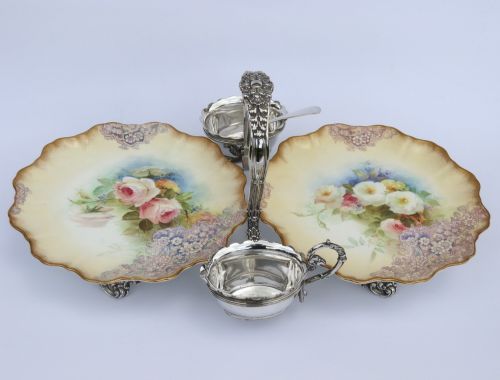
Metal components on related serving pieces combine silver, silver plate and gold leaf with handles carved from mother-of-pearl, agate and carved bone. Glass elements utilise free-blown crystal and coloured glass bodies paired with pierced silver-plated spoons.
Listings feature 19th Century, Victorian, Edwardian, and Regency periods alongside porcelain, silver plate, glass, and velvet materials.
Assessing quality and execution
The distinction between standard production and top-tier execution rests upon the precision of the hand painting and the crispness of the porcelain body. Finer works display meticulous botanical accuracy, delicate landscape details and evenly applied gilding without the blurring seen on mass-produced items.
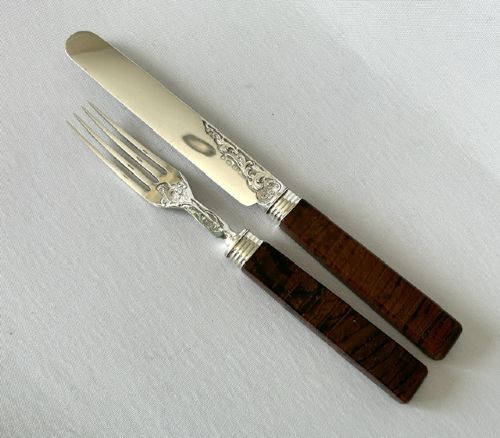
The depth of relief moulding, the weight and balance of associated silver-plated cutlery, and the inclusion of original fitted wooden cases elevate certain services above standard utility wares. Complete sets with matched date marks and unbroken decorative schemes command greater appreciation from collectors.
Wedgwood·Royal Crown Derby·Meissen·Minton·Coalport·Daniel Arter·Copeland and Garrett·Doulton Burslem·John Ridgway·Kerr and Binns·Roberts and Belk·Hukin and Heath·John Round and Sons
The Victorian Dessert Plate Glossary
- Comport
- A raised dish or bowl used for serving fruit as the centrepiece of a dessert service. These pieces stand on a short foot or pedestal above the level of individual flat plates.
- Majolica
- A heavy earthenware pottery covered with an opaque coloured lead glaze. This technique produced rich green, brown and cobalt surfaces popular during the nineteenth century.
- Cabinet plate
- A decorative dish intended for display in a cabinet or on a wall rather than for active dining use. These pieces typically feature elaborate hand-painted scenes or heavy gilding.
- Bone china
- A type of porcelain incorporating animal bone ash that produces a strong, slightly translucent white body. British factories utilised this material extensively for fine tableware.
- Gilt
- A thin layer of gold applied to the surface of porcelain or metal. Craftsmen brushed or fired this metal onto plates to highlight rims, borders and central motifs.
Victorian Dessert Plate: Frequently Asked Questions
What were dessert plates used for?
These plates served the final course of a formal nineteenth-century dinner, which typically consisted of fresh fruit, nuts, cheeses and sweetmeats. They functioned alongside specialised cutlery such as fruit knives, forks and berry spoons.
Because dessert was a social occasion often held after the main table had been cleared, the tableware was designed to be decorative and visually striking under artificial light.
How do I care for antique porcelain?
Antique porcelain requires gentle hand washing in warm water using mild soap rather than mechanical dishwashing. Avoid sudden temperature changes to protect the historic glaze and delicate gilding from thermal shock.
When storing plates, place soft felt dividers between individual items to prevent surface scratching on hand-painted or gilt rims.
Can I use these plates for dining?
While these pieces were originally functional tableware, many collectors prefer to use them strictly for display or light dining. Older glazes and enamels can show wear or absorption if exposed to acidic foods or modern detergents over time.
Using them for special occasions remains possible provided you handle them with care and wash them by hand immediately after use.
How are different periods identified?
Pottery marks, registration diamonds and backstamps stamped or painted on the underside provide the most reliable guide to a piece's origin and date. Stylistic shifts, such as the transition from early floral patterns to Aesthetic Movement Japanese motifs, also help narrow down the decade of manufacture.
Matching the physical weight, glaze texture and colour palette to known factory output confirms the period of production.