

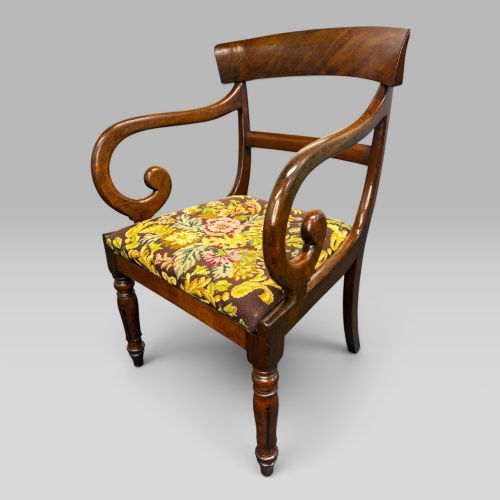
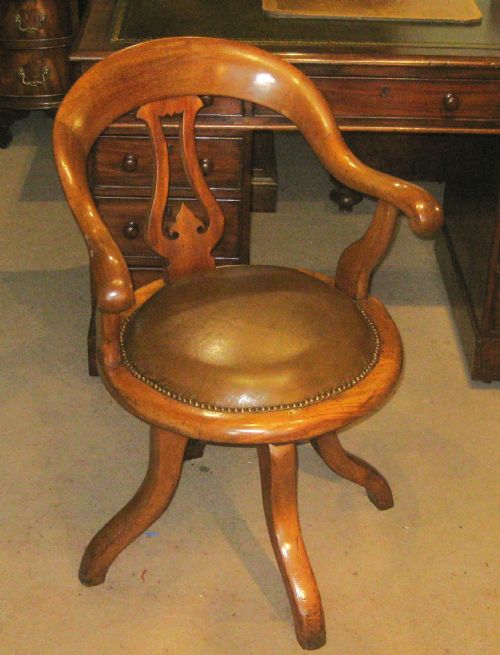
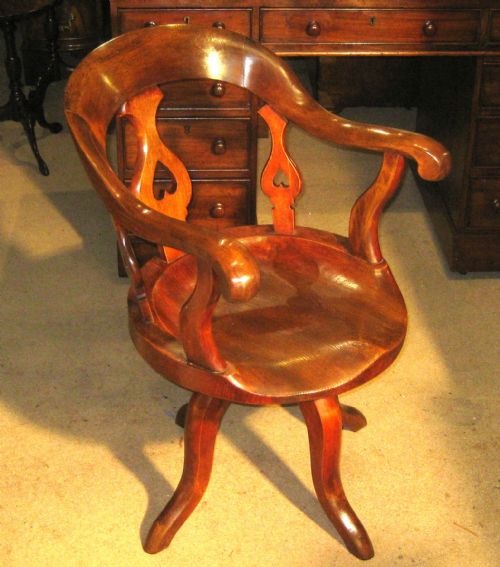
19th Century Mahogany Armchair
A 19th century mahogany armchair brings substantial timber and traditional seating craft together to anchor a study, library or bedroom with period character.
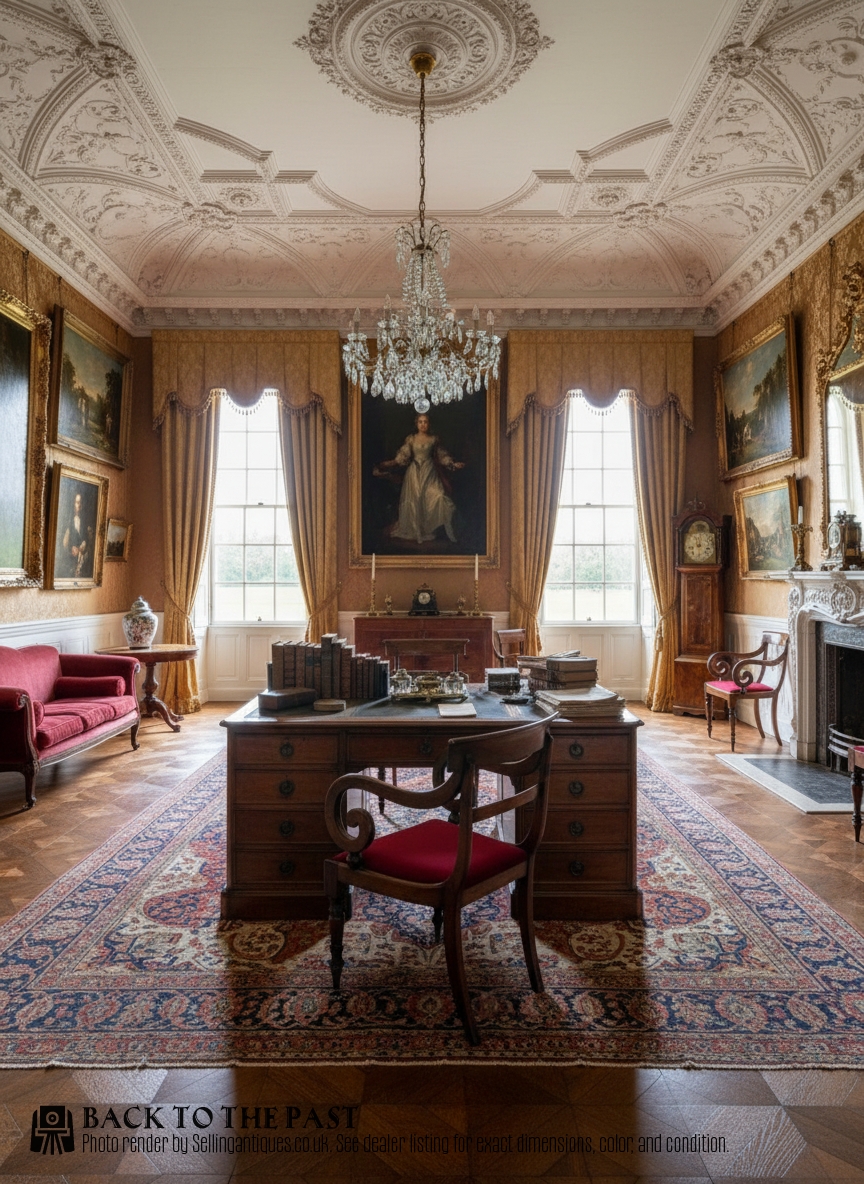
What a 19th century mahogany armchair is
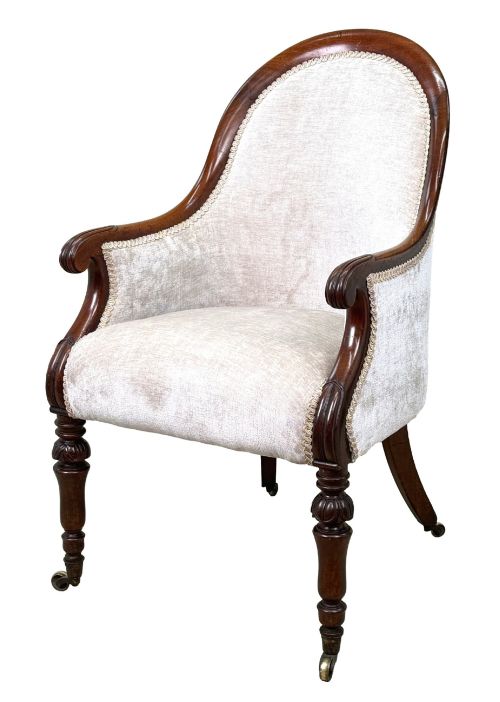
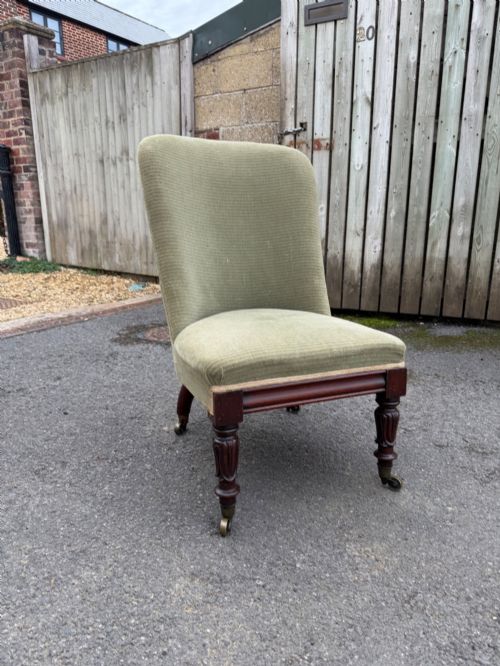
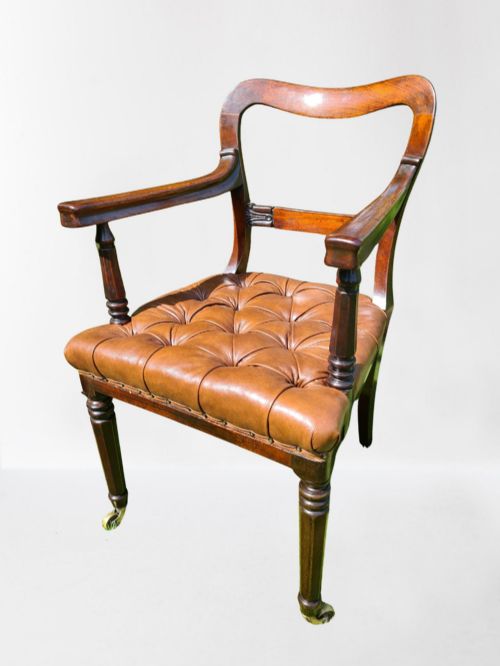
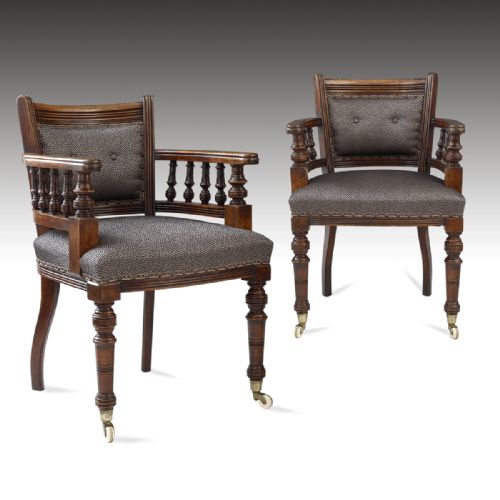
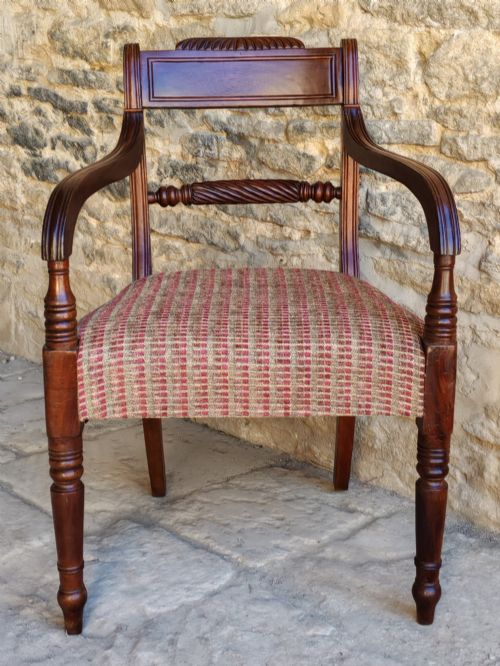
A 19th century mahogany armchair sits at the intersection of robust timber framing and functional domestic seating, taking forms that range from open library chairs and button-back tub seats to dedicated writing desk chairs. These pieces span the Regency, William IV and Victorian eras, reflecting shifting domestic fashions across the decades while retaining a foundational reliance on dense hardwood.
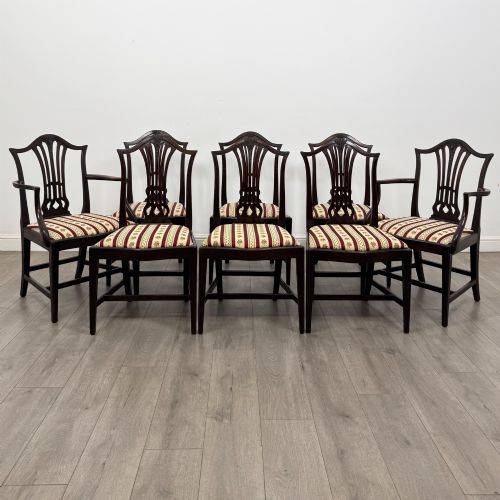
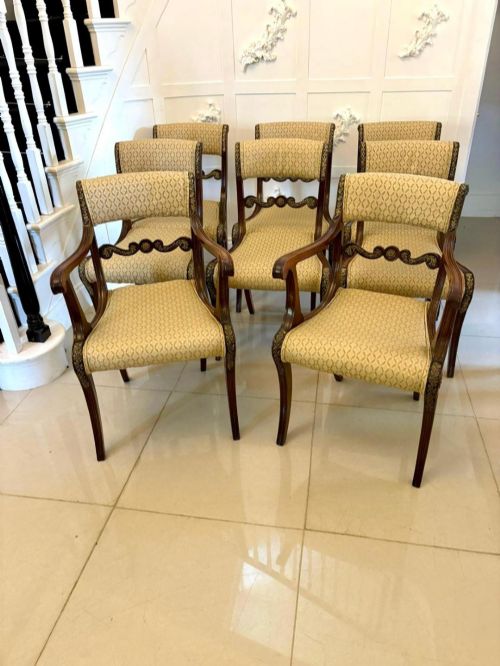
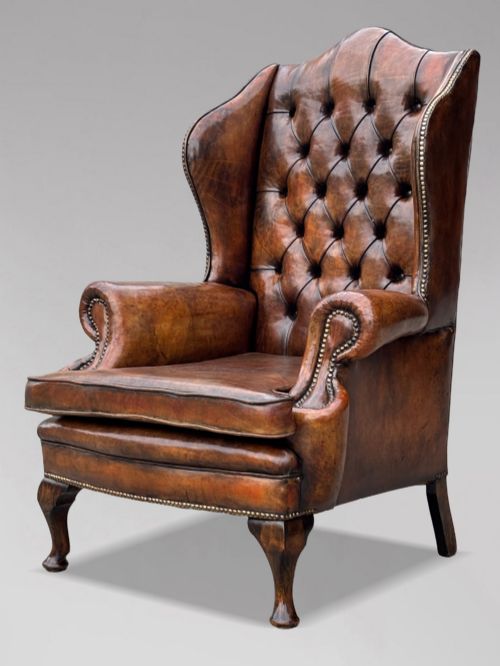
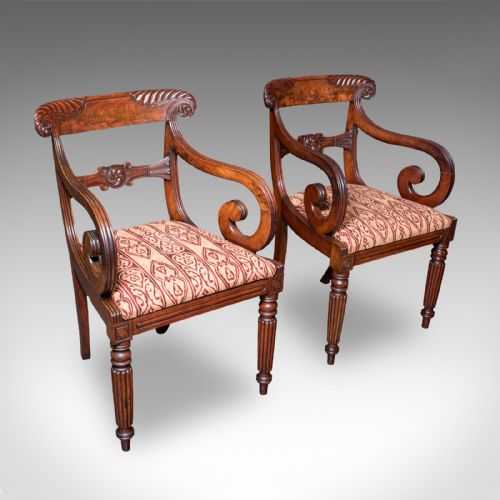
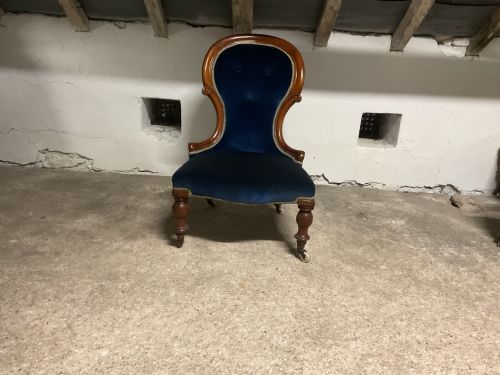
Buyers encountering this group will frequently find variations designed for specific rooms, including low nursing chairs, heavy library armchairs upholstered in leather, and occasional elbow chairs intended for bedrooms or dressing tables. The overarching form typically involves scrolling arms, turned spindle supports or carved open backs that distinguish an armchair from standard dining seating.
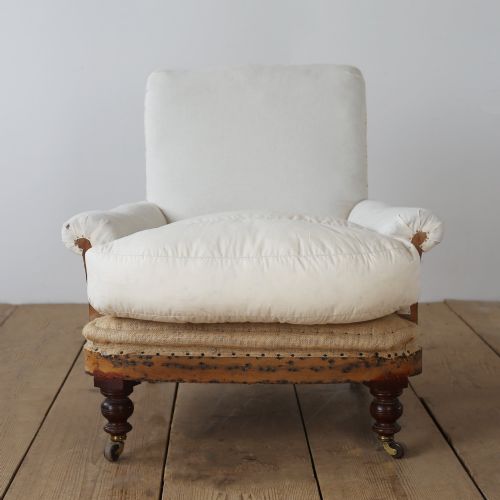
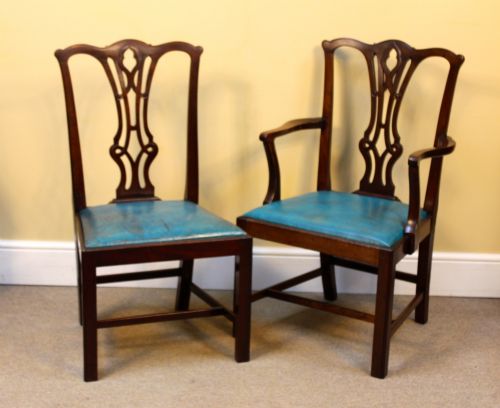
The aesthetic vocabulary stretches from strict Regency lines and William IV heft through to Victorian revival styles such as Chippendale and George II manners. Pieces often arrive ready for placement or require specific upholstery attention, utilising calico, velvet, fabric or horsehair depending on the restoration path chosen by previous owners.
How they were made
Cabinetmakers constructed these frames primarily from solid mahogany, selecting the dense timber for its ability to hold crisp carved details and withstand the structural stresses placed on arm supports and legs. Brass elements appear frequently as castors or inlay, providing both functional mobility and decorative contrast against the dark reddish-brown grain of the wood.
Upholstered sections rely on traditional stuffing materials like horsehair layered over webbing and springs, secured beneath top covers of leather, velvet, calico or patterned fabric. Metal components such as Cope and Collinson castors are integrated into the lower frame to facilitate movement across heavy carpets in nineteenth-century interiors.
Retail Price Guide 2026
Typical UK retail prices for 19th century mahogany armchair, calculated from the Sellingantiques database of over a million retail prices indexed since 2003. This retail price guide relies exclusively on Sellingantiques data; no external sources or auction records are used, so the figures do not describe the wider market.
The inventory records mahogany as the universal timber choice, paired with leather, horsehair and brass castors across Victorian and Regency eras.
What varies in quality
The standard of carving and timber selection dictates the distinction between standard utilitarian seating and high-end cabinet work. Superior examples exhibit deep, fluid hand-carving along the knuckles and rail, alongside finely figured mahogany grain that has matured with an even patina.
Structural integrity and the retention of original brass hardware or castors elevate a piece above altered alternatives. The refinement of proportion in the scrollwork and the accuracy of period revival styling separate master-workshop output from routine regional production.

Cope and Collinson·Giles Grendey
The 19th Century Mahogany Armchair Glossary
- Bergere
- An enclosed armchair with cane or upholstered sides and back. This French-inspired form appears frequently in nineteenth-century libraries.
- Carver
- A term for an armchair designed to match a set of dining chairs. These often feature open arms and wider proportions to accommodate formal dining.
- Tub chair
- A seating form characterised by a curved, continuous back and arm rail enclosing the sitter. They provide a compact profile well-suited to corners and desks.
- Gainsborough chair
- A wide, open-armed armchair with a padded back and seat, typically associated with eighteenth-century forms revived during the nineteenth century.
- Spindle
- A turned wooden rod used as a structural and decorative baluster in chair backs. They reflect turning lathe work common in Victorian cottage and library seating.
Frequently Asked Questions
How do I date a 19th century armchair?
Dating relies on stylistic shifts across the Regency, William IV and Victorian periods, observed through leg turning, back rail shapes and overall proportions. Cabinetmaking techniques and secondary woods visible beneath the upholstery also assist in narrowing the decade of production.
Changes in padding materials and castors provide further clues, as earlier pieces often feature simpler stuffing methods while later Victorian examples incorporate complex spring systems.
Are these chairs suitable for daily use?
Solid mahogany frames provide exceptional structural stability, making these armchairs robust enough for regular sitting when the underlying joinery remains sound. Checking the tightness of the joints and the condition of the webbing ensures safe everyday service.
Modern users often place them in studies, libraries or living rooms where their ergonomic proportions and durable leather or fabric upholstery support comfortable reading and desk work.
What is a library armchair?
A library armchair is a heavy, deep-seated chair designed for reading rooms, typically upholstered in dark leather and built for sustained comfort. They often incorporate brass castors to allow easy repositioning near bookshelves.
These pieces emphasise substantial armrests and supportive back angles, distinguishing them from lighter bedroom or occasional chairs intended for temporary sitting.
How should I care for mahogany furniture?
Maintaining mahogany requires keeping the timber away from direct heat sources and strong sunlight to prevent the grain from drying out or fading. Gentle dusting with a soft cloth preserves the natural sheen of the aged polish.
Applying specialised wax sparingly helps nourish the wood surface, while leather upholstery benefits from appropriate conditioning balms to maintain flexibility and prevent cracking.