
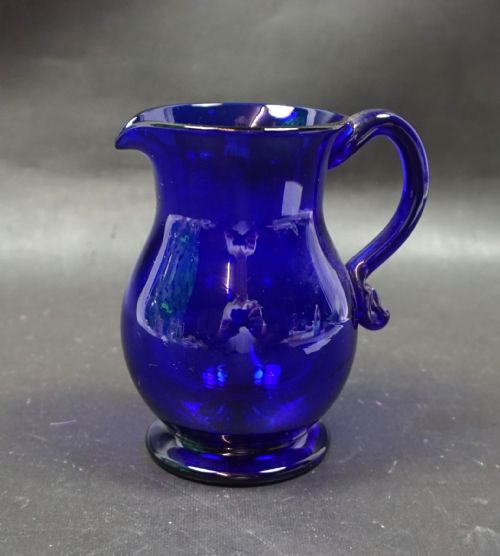



19th Century Glass Jug
When you handle a 19th century glass jug, you hold a functional vessel that served wine, claret, water, or cream at Victorian tables with considerable decorative flair.
19th Century Glass Jug
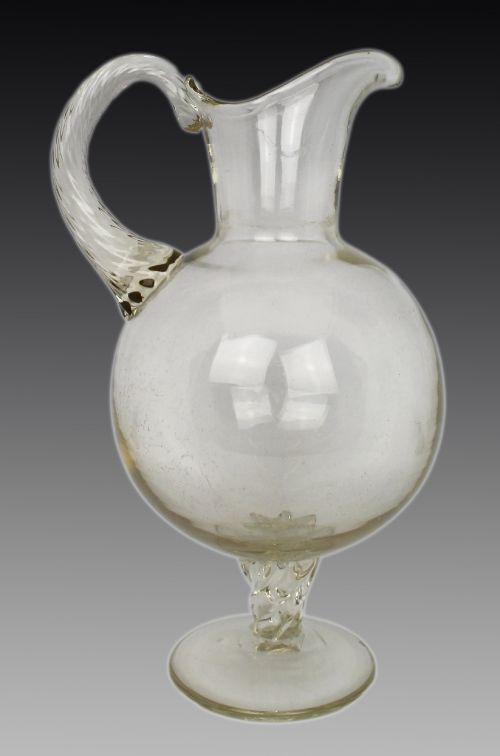
The term 19th century glass jug encompasses a broad variety of functional vessels, from tall claret jugs and water pitchers to small cream jugs and decorative ewers. These pieces originate predominantly from the Victorian period, with designs ranging from Regency cut glass to French Second Empire and Italian styles.
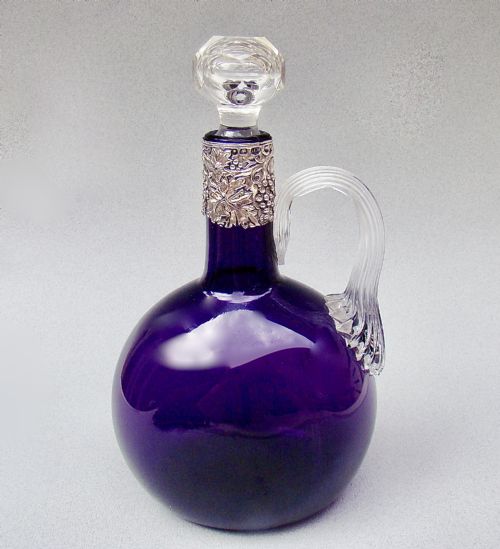
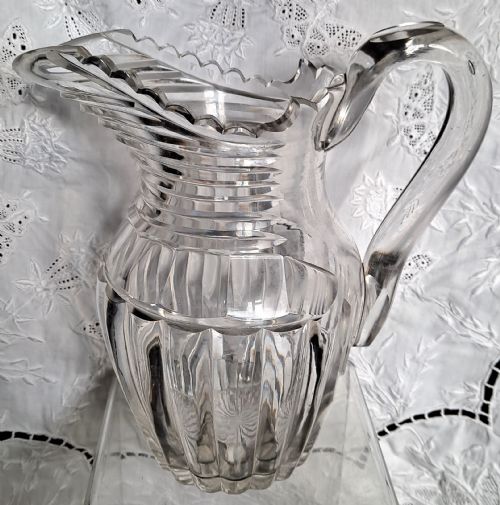
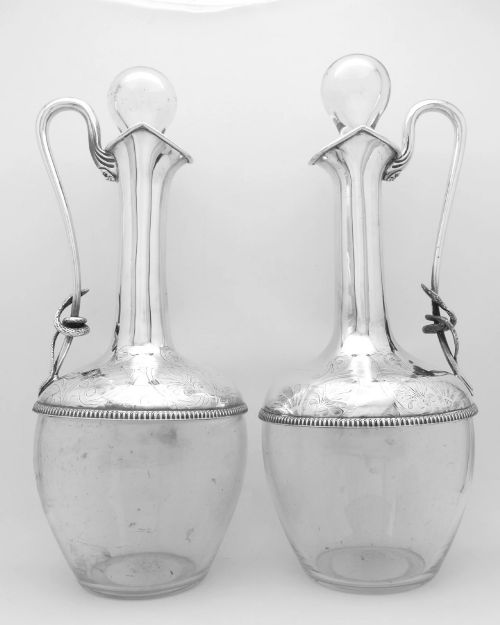
Most examples meet on this page as either heavy cut crystal water pitchers or vibrant cranberry glass wine jugs. Many feature applied metal mounts, including silver plate or solid silver handles, hinged lids, and collars produced by notable makers.
How they were made
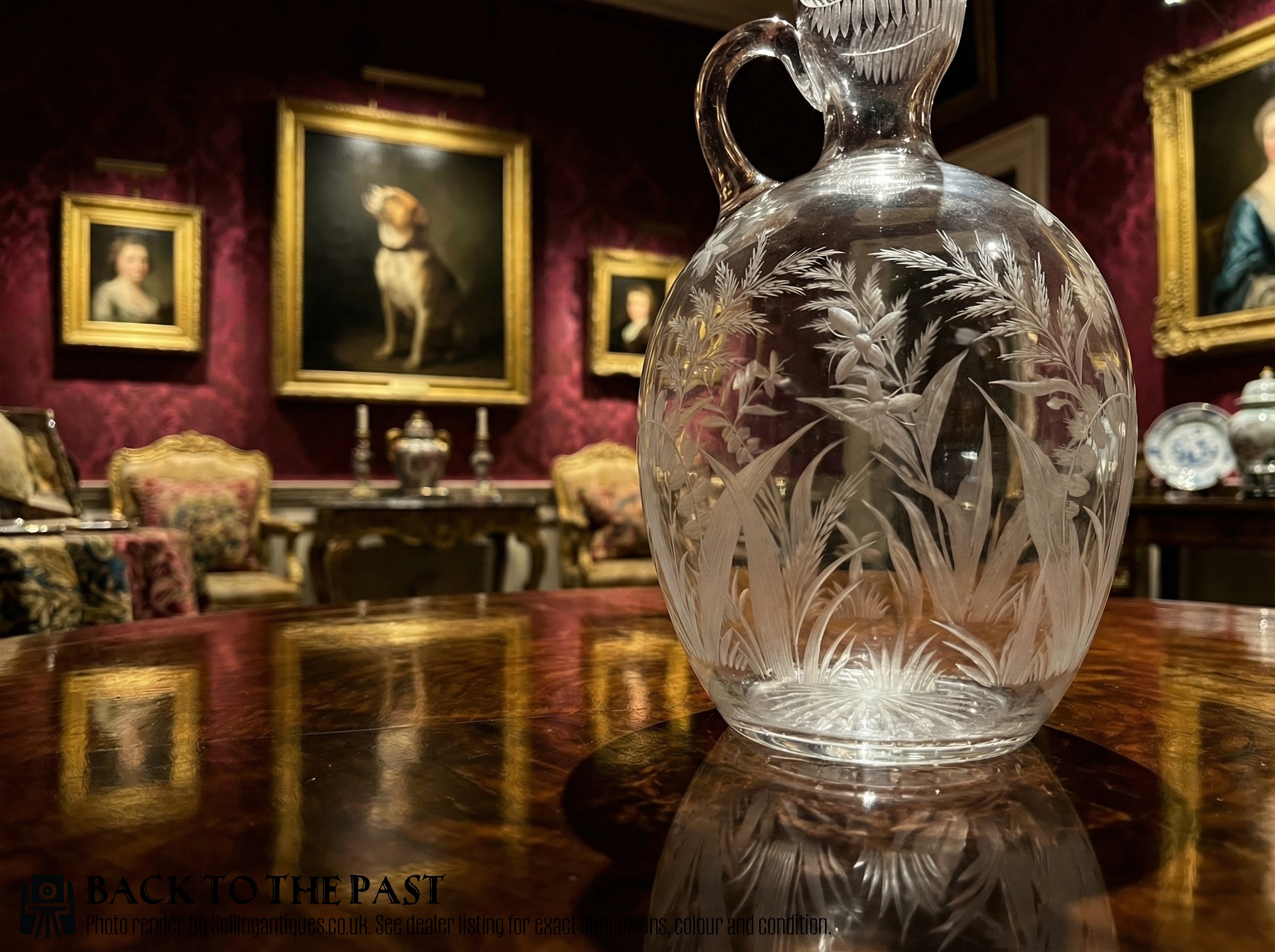
Craftsmen shaped these vessels using free-blowing, mold-blowing, and cased glass techniques, often overlaying one colour of glass upon another. Clear lead crystal and coloured glass bodies were subsequently subjected to wheel engraving, acid etching, or cutting to create faceted geometric and floral motifs.
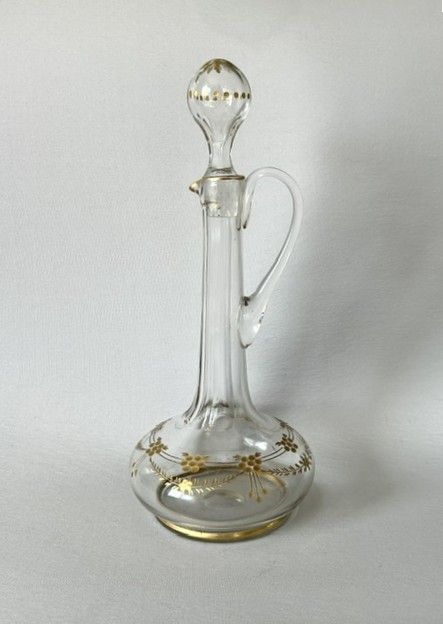
Metal components were cast, chased, and mounted securely to the glass bodies, integrating silver plate, ormolu, or solid silver collars, spouts, and serpent-form handles. Artisans also applied enamel painting, gold leaf gilding, and delicate latticinio thread work to the exterior surfaces.
19th Century Glass Jug Retail Price Guide 2026
Typical asking prices for 19th century glass jug among the pieces listed under this phrase on Sellingantiques today, from the lower quarter to the upper quarter. They describe what is for sale here now, not the wider market.
Among the glassware sits a charming novelty monkey claret jug, ready to pour drinks with Victorian whimsy.
What varies in quality
The distinction between standard production and the top of the range lies in the depth and clarity of the wheel engraving, the weight and purity of the lead crystal, and the crispness of the cut facets. Superior pieces display masterwork hand-cutting and finely detailed pictorial motifs such as fruiting vines or ferns.
Quality also rests in the integration and substance of the metalwork. Substantial silver-plated or solid silver mounts bearing hallmarks and maker marks elevate a piece far above utilitarian vessels outfitted with plain or unmarked mounts.
Henry Matthews·Elkington·Stevens and Williams·Thomas Webb·Richardson·Baccarat
The 19th Century Glass Jug Glossary
- Claret jug
- A specialised pouring vessel designed specifically for serving red wine at the dining table. They frequently incorporate silver-plated mounts and hinged lids.
- Overshot glass
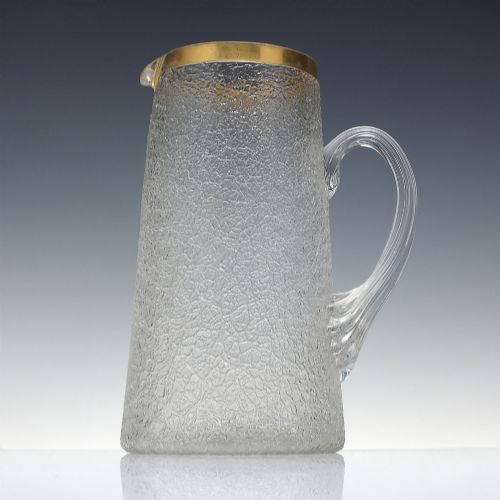
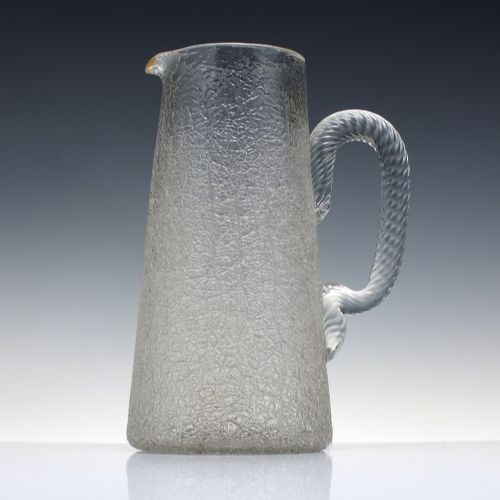
- A decorative glass treatment where molten trails are applied haphazardly across the surface to produce a rough, icy texture. This technique was popular in the late nineteenth century.
- Latticinio
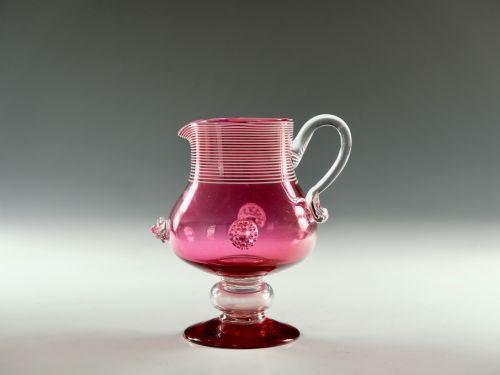
- A Venetian glassmaking technique involving opaque white or coloured glass threads embedded within clear glass. It forms intricate network patterns.
- Ewer
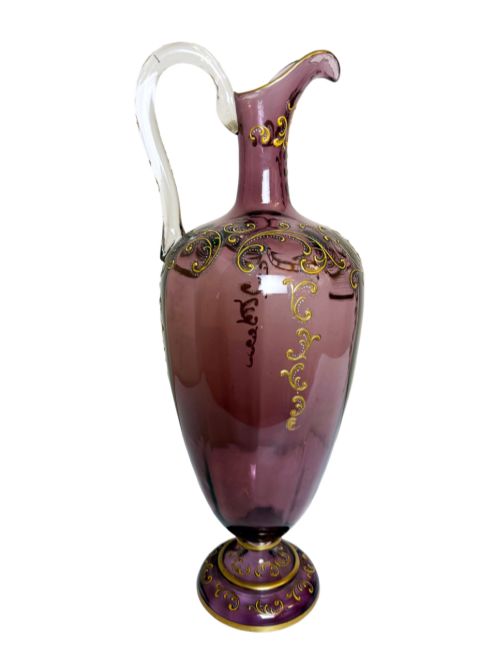
- A large, ornate pitcher with a wide spout and scroll handle, historically used for water or wine. In the nineteenth century, they served decorative as well as functional roles.
- Cased glass
- A method where a layer of coloured glass is fused over a contrasting body of glass. Artisans cut through the outer layer to reveal the contrasting colour beneath.
19th Century Glass Jug: Frequently Asked Questions
Were these jugs used for daily dining?
Wealthy households utilised these vessels during formal Victorian dinners and afternoon teas to serve wine, claret, water, and cream. Their design matched the elaborate dining customs of the period.
Simpler cut glass water jugs saw regular household use, whereas heavily gilded or silver-mounted cranberry glass claret jugs appeared primarily during formal gatherings.
How do I identify a Victorian claret jug?
Look for distinct Victorian design characteristics such as cranberry glass bodies, wheel-engraved grape motifs, and elaborate silver-plated serpent handles. Many pieces also feature hinged metal lids and maker stamps.
Compare the weight of the crystal and the style of the engraving against documented examples from makers like Thomas Webb or Stevens and Williams.
What is overshot glass?
Overshot glass is a distinctive nineteenth-century finish created by rolling a hot vessel through fine glass threads. This process coats the exterior in a textured, icy layer.
The resulting rough surface catches the light and provides a tactile contrast to smooth cut handles or gilded rims.