

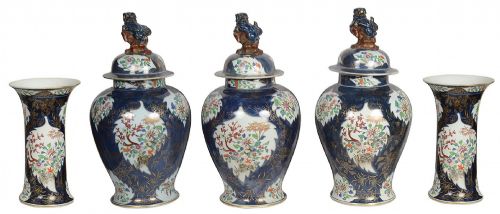


19th Century Garniture
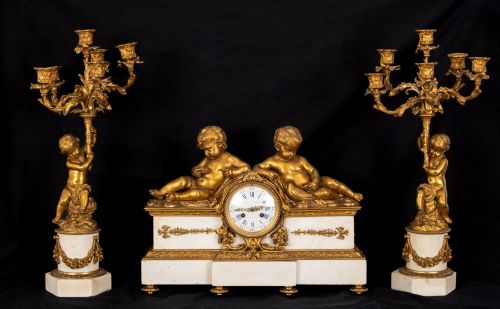
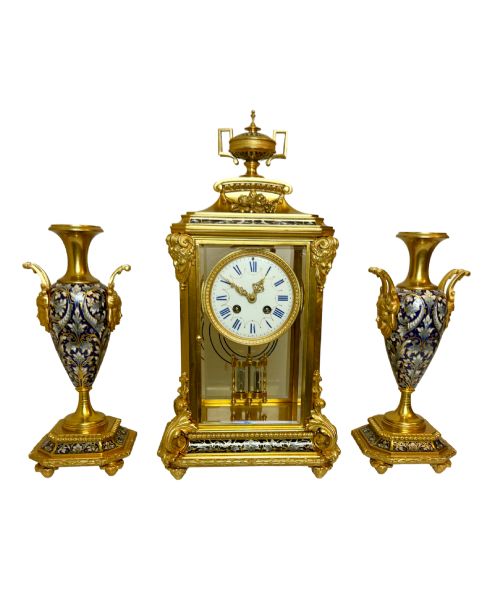
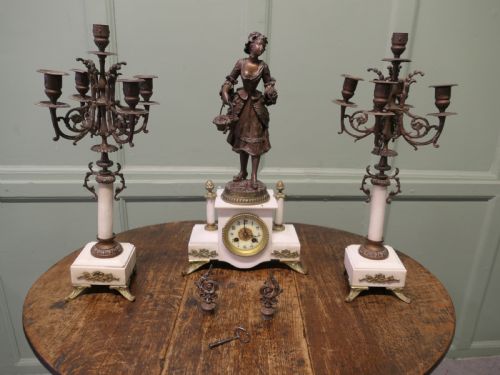
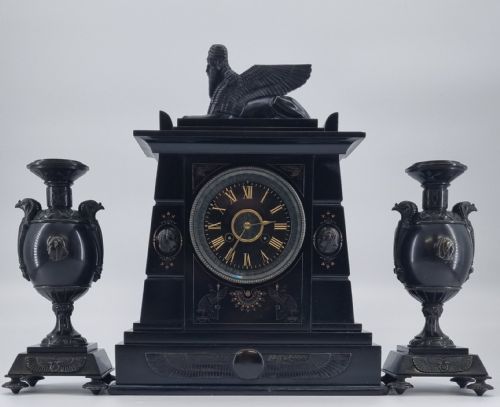
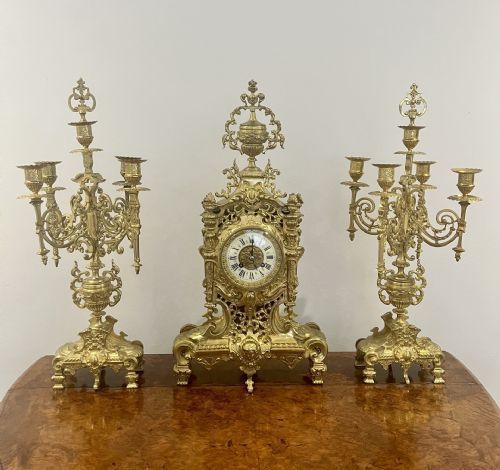
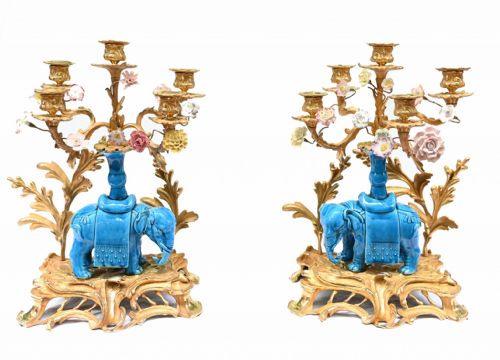
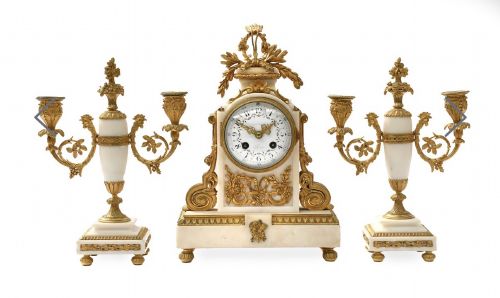
A 19th century garniture typically comprises a central mantel clock flanked by matching candelabra, vases or urns, offering a cohesive decorative statement for a grand interior.
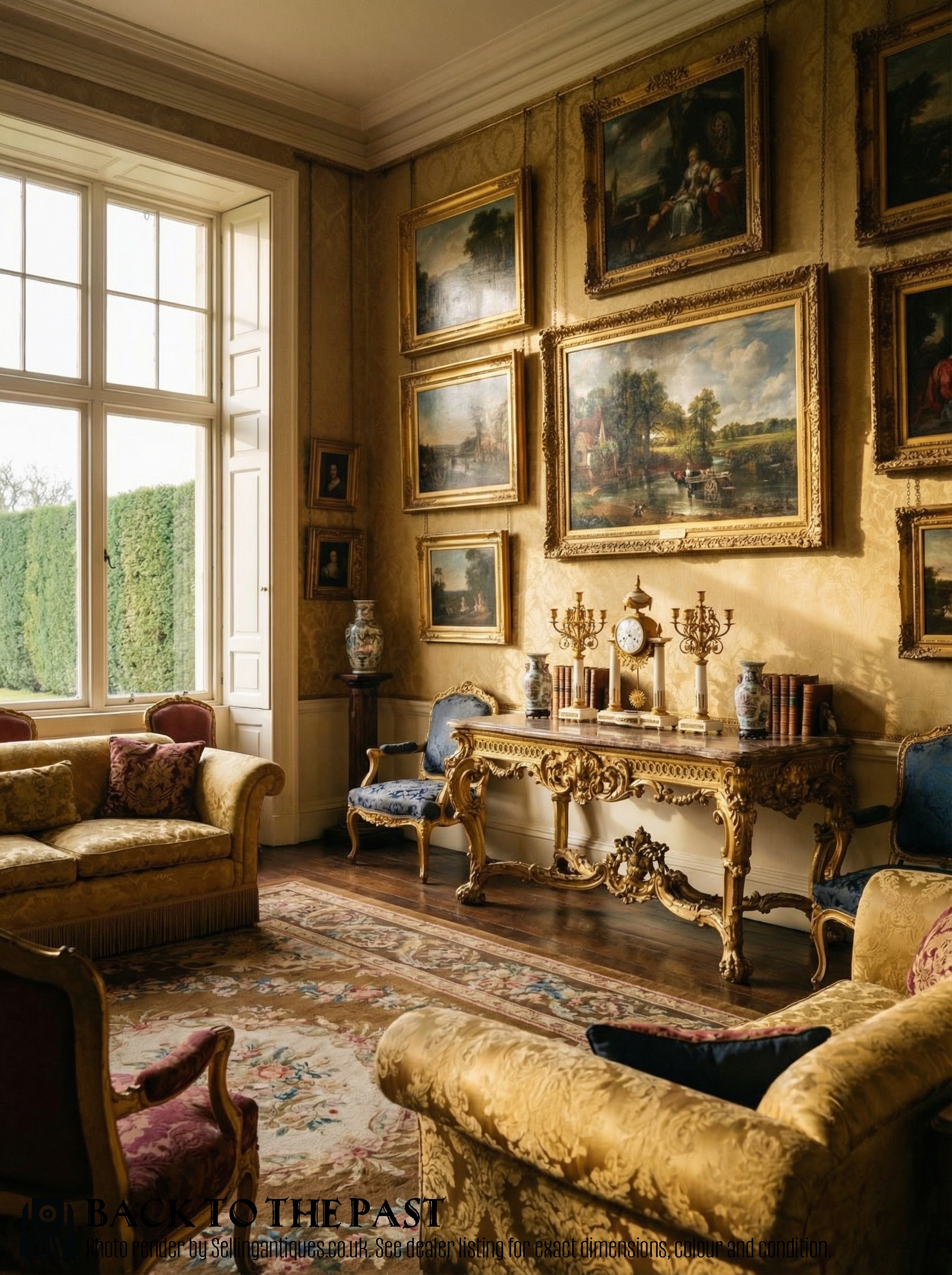
19th Century Garniture
A 19th century garniture typically takes the form of a matching three-piece set, most frequently uniting a mantel clock with a pair of side pieces such as urns, candelabra or vases.
The aesthetic leans heavily into French design traditions, spanning Louis XVI style, Neoclassical, and Rococo Revival forms alongside Victorian interpretations.
Buyers encounter these matching sets fashioned predominantly during the Victorian era and the broader nineteenth century, often designed specifically to anchor the mantelpiece.
Materials and Construction
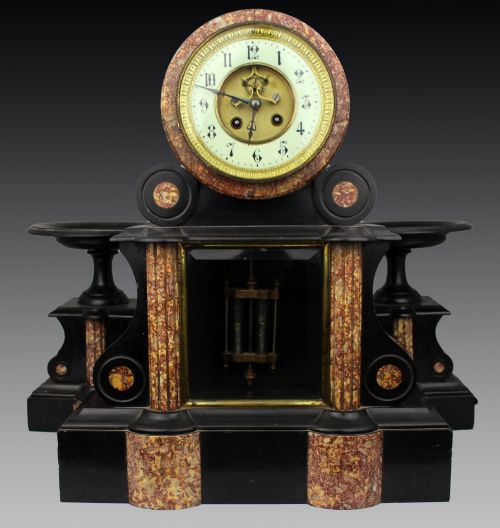
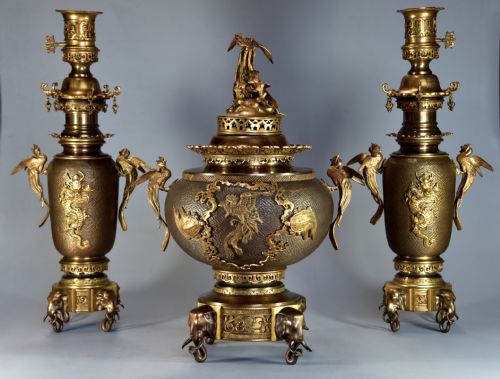
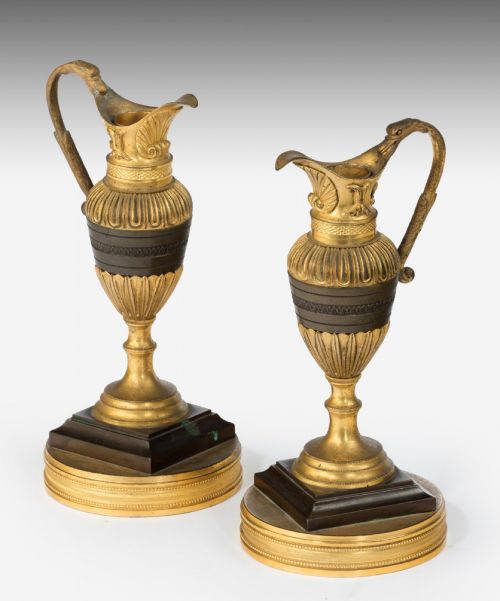
Maker workshops combined cast bronze, ormolu, and gilded metal with natural stones including white marble, red marble, onyx, and black marble.
Surface ornamentation frequently incorporated champleve enamel, hand-painted porcelain panels, and patinated bronze alongside intricate gilt mounts.
Clock components relied on robust mechanical movements, often driven by eight-day striking systems housed within architectural stone or metal cases.
The documented styles range from French Rococo Revival and Neoclassical to Victorian and Louis XVI Revival.
Assessing Craftsmanship
The distinction between standard production and top-tier workshop output rests in the crispness of the bronze casting and the depth of the subsequent gilding or ormolu finishing.
Superior sets display meticulously matched stones, harmonious proportions between the central clock and its flanking pieces, and signatures from recognised founders or clockmakers.
Integrity of materials, such as genuine marble bases and intact hand-painted enamel or porcelain, elevates a garniture well above simpler spelter and gilt metal alternatives.
Japy Freres·Henry Dasson·Deniere
The 19th Century Garniture Glossary
- Garniture
- A set of matching decorative objects designed to be displayed together, most commonly a clock paired with two urns or candelabra.
- Ormolu
- Finely ground high-carat gold applied to bronze through a mercury-gilding process, producing a rich metallic sheen characteristic of luxury nineteenth-century objects.
- Champleve
- An enamelling technique where troughs are carved into a metal surface and filled with vitreous paste before firing.
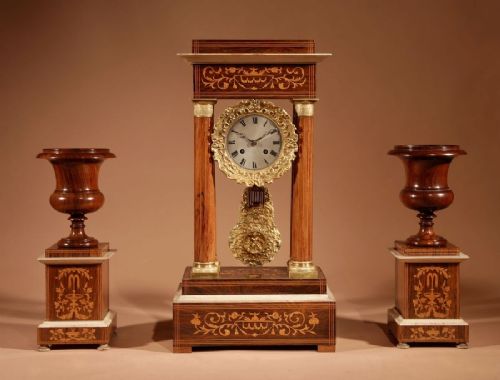
- Portico clock
- A distinct architectural clock style featuring supporting columns framing the dial, frequently integrated into nineteenth-century garniture sets.
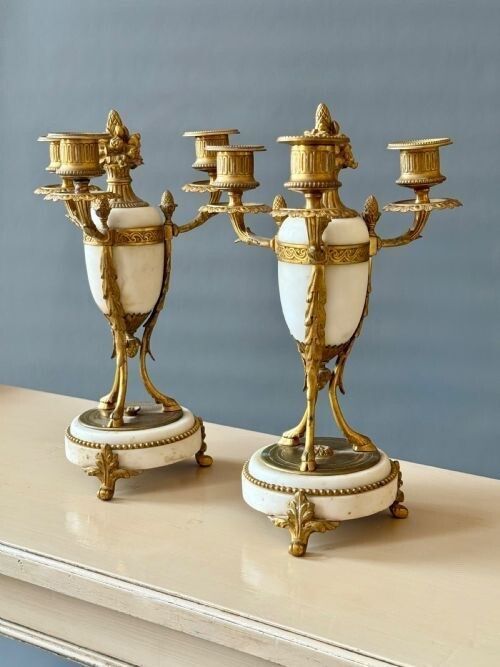
- Candelabra
- Branched candlesticks designed to hold multiple taper candles, often included as the flanking elements in a matching clock garniture.
19th Century Garniture: Frequently Asked Questions
What is a 19th century garniture set?
A garniture set consists of a central mantel clock accompanied by two matching ornamental pieces, such as vases, urns, or candelabra, designed to create a balanced display.
These matching ensembles were produced in large numbers across Europe during the nineteenth century to adorn formal reception rooms and parlours.
Where were garniture sets placed?
These decorative sets were traditionally positioned on the mantelpiece above a fireplace, anchoring the visual balance of the hearth.
They were also displayed upon large console tables, sideboards, and pier cabinets within prominent rooms of the home.
How do I identify the period?
Dating relies on examining the case materials, stylistic revival motifs, and mechanical signatures stamped onto the clock movements within the set.
Nineteenth-century pieces frequently exhibit specific design revivals like Louis XVI style or Victorian ornamentation paired with marble and gilt bronze.