


19th Century French Lighting
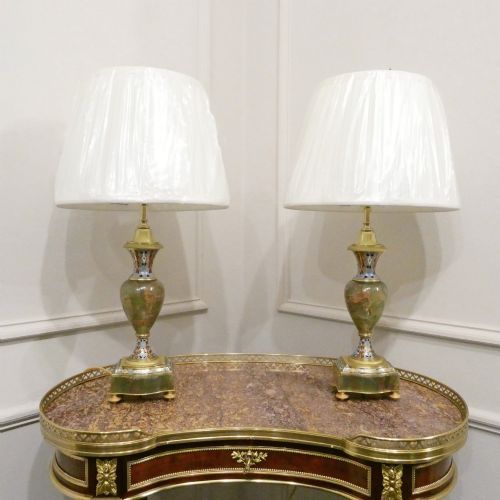
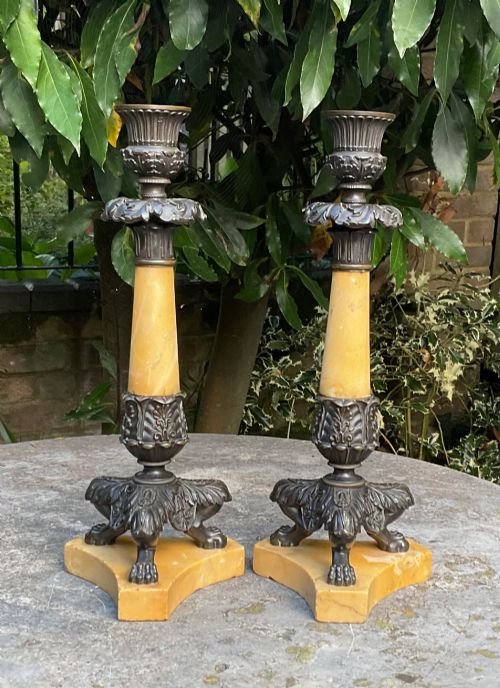
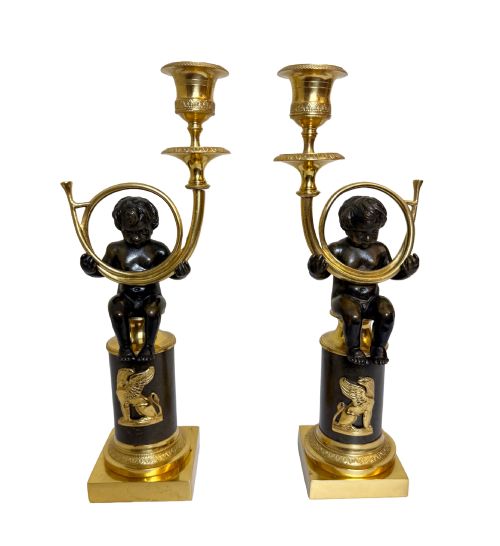
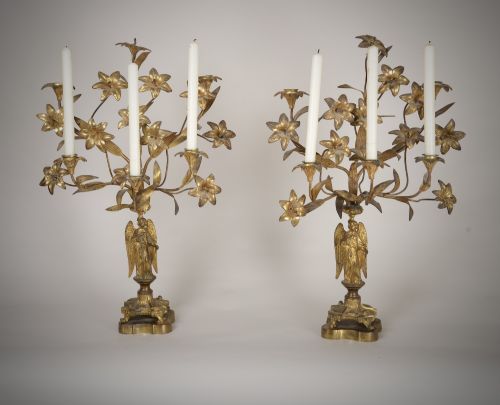
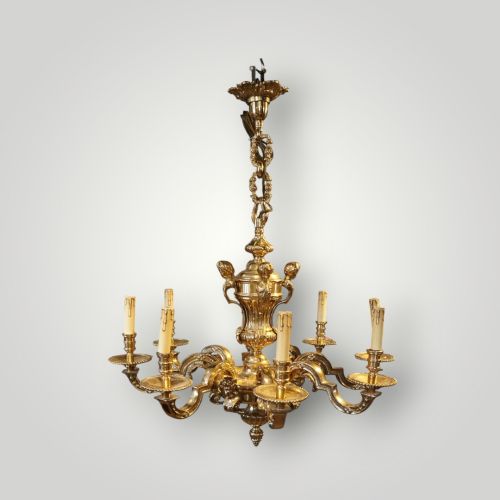
These pieces of 19th century french lighting bring a distinct classical illumination to a room through heavy cast metals and intricate glass.

19th Century French Lighting
When you search for 19th century french lighting, you encounter items designed to illuminate interiors through candles, oil, or electricity. Table lamps, chandeliers, wall lights, and candelabra form the core of what appears in this selection. Many pieces originate from the 19th century, with styles spanning French Rococo Revival, Empire, Neoclassical, and Gothic revival.
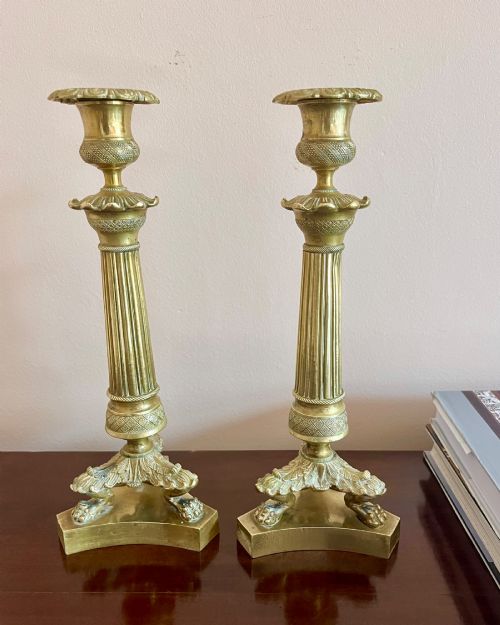
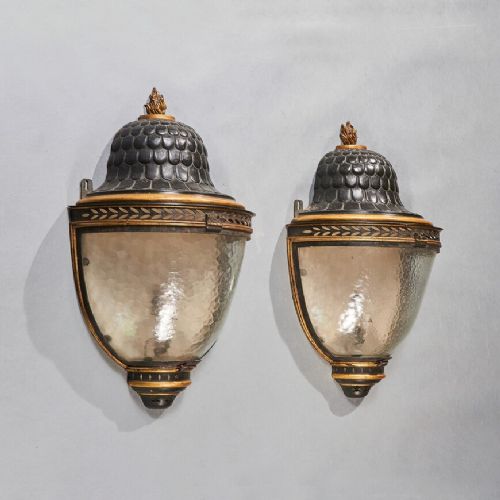
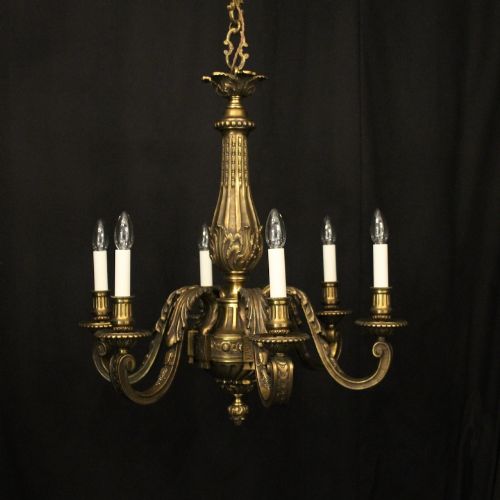
Candlesticks and candelabra frequently incorporate materials such as gilt bronze, ormolu, brass, and marble. Chandeliers range from modest multi-arm fixtures to large twenty-five light cut glass arrangements. Wall lights and hanging hall lanterns provide alternative options for ambient room illumination.
Materials and Construction
Foundries and workshops shaped these objects using cast metals like bronze, patinated bronze, brass, and ormolu. Artisans often combined these metals with porcelain, onyx, and white marble to create contrasting textures and colours. Gilt finishes and parcel gilt details were applied to enhance the visual weight of the metalwork.
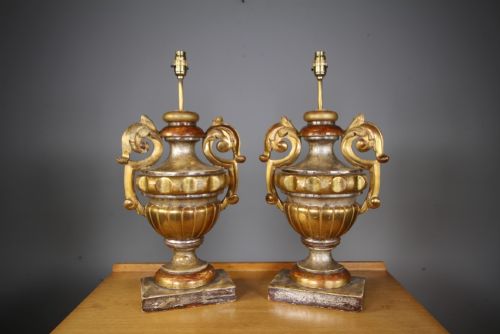
Many items show evidence of later conversion, particularly candlesticks and candelabra adapted to function as table lamps with the advent of electricity. Glass components, including cut glass pendants and shades, were integrated into chandeliers and wall lanterns to refract light.
Gilt bronze and ormolu dominate the metal options across the listed wall lights, candelabra, and chandeliers.
Assessing Execution
The standard of a piece depends heavily on the crispness of the metal casting and the depth of the chasing. Superior examples display sharply defined motifs, such as cherubs, flamingos, rams' heads, or floral designs, rather than softened contours. The quality of the gilding and the retention of original patination also separate standard items from finer works.
Material selection plays a role in the overall impression, with heavy marbles, genuine ormolu, and hand-cut glass indicating higher workshop standards. Alterations made during electrification affect the integrity of the object, though professional conversions are executed with greater care for the original structure.
Pierre Philippe Thomire·E Rousseau
The 19th Century French Lighting Glossary
- Ormolu
- A technique of applying finely ground high-carat gold to an object of bronze. This process creates a rich, golden surface finish characteristic of luxury furnishings.
- Candelabra
- A branched candlestick holder designed to support multiple candles. These pieces often feature removable arms or central decorative stems.
- Patinated Bronze
- Bronze treated with chemical solutions to produce a darkened or coloured surface finish. It highlights the underlying sculptural details of the metal.
- Pate Sur Pate
- A ceramic decoration technique where liquid clay is applied layer by layer onto a contrasting body. This builds up a low relief cameo effect.
- Tole Peinte
- Painted sheet metal used for decorative items such as wall lanterns and shades. It provides a durable surface for rich colour application.
19th Century French Lighting: Frequently Asked Questions
How do I wire an antique french lamp?
Most antique lamps require rewiring to meet modern safety standards. A qualified electrician can thread modern cord through the existing central channels without damaging the metalwork.
It is advisable to retain original brass lampholders where possible, updating only the internal wiring and the plug for domestic use.
Can I use modern bulbs in these chandeliers?
Low-wattage LED candle bulbs work well in 19th-century chandeliers and wall lights. They produce minimal heat, which protects fragile glass and historic gilt surfaces from thermal damage.
Selecting warm white bulb tones ensures the light mimics the traditional glow of candles or early electric filaments.
How do I clean gilt bronze and ormolu?
Dust these surfaces gently using a soft, dry brush or a microfiber cloth. Avoid commercial metal cleaners or water, as abrasive liquids can strip the delicate gold leaf finish.
Professional conservation cleaning is recommended if tarnish obscures the underlying detail of the cast bronze.
Are converted candelabra safe to display?
Converted candelabra are stable when placed on level furniture. The added weight of the metal base and marble components provides a secure footing for daily use.
Check that the fitting where the candle cup meets the wiring stem remains tight to prevent any wobble.