

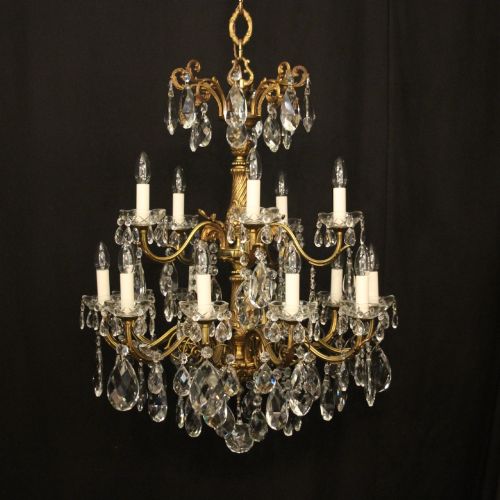
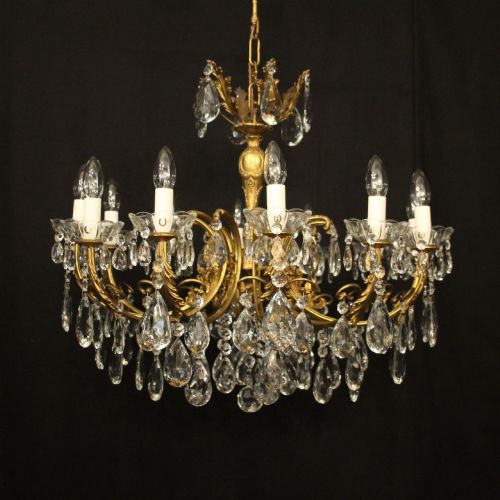
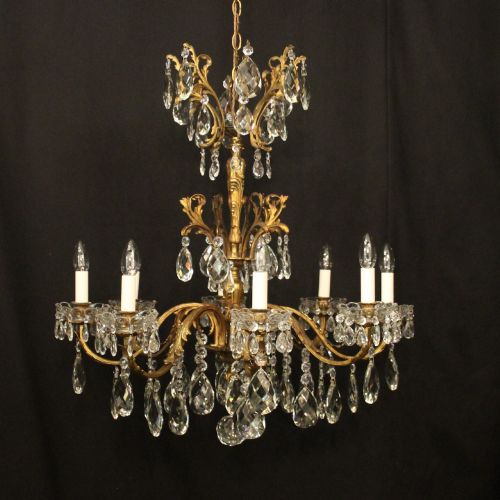
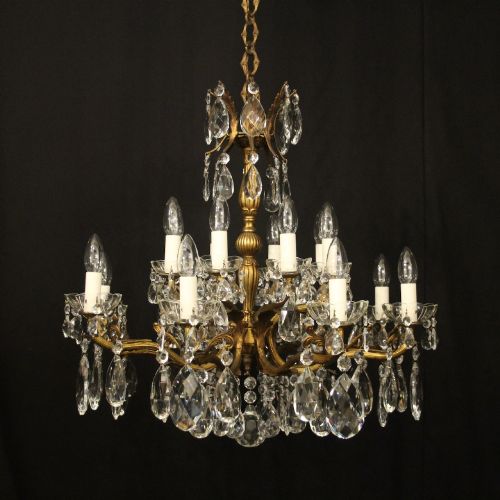
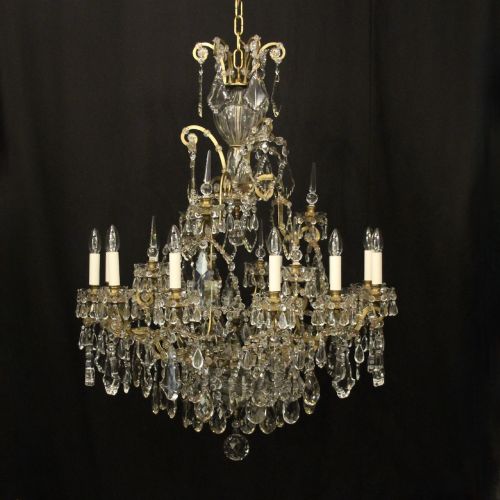
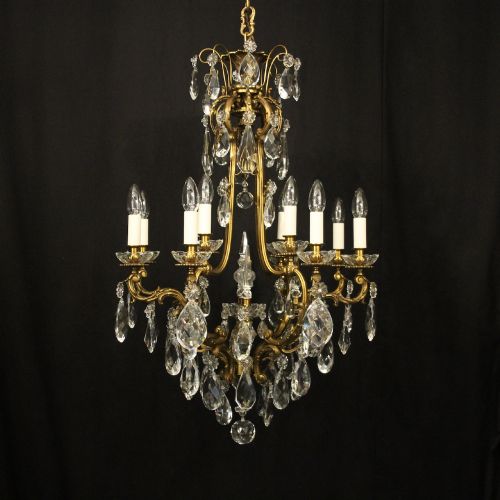
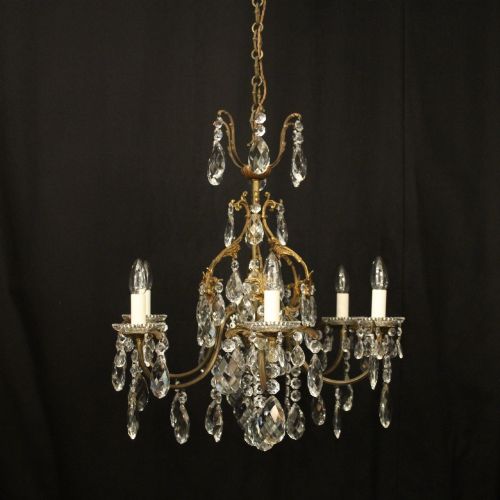
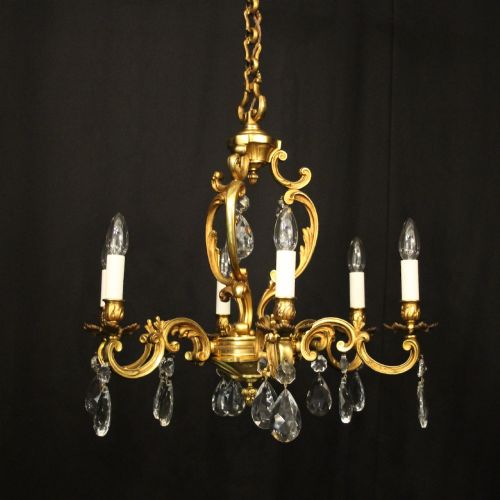
Bronze Crystal Chandelier
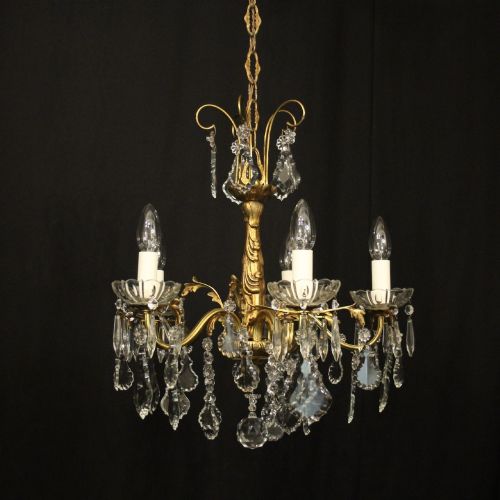
When you handle a bronze crystal chandelier, you deal with heavy metal frames hung with cut glass that capture the light of French chateaux.

Bronze Crystal Chandelier
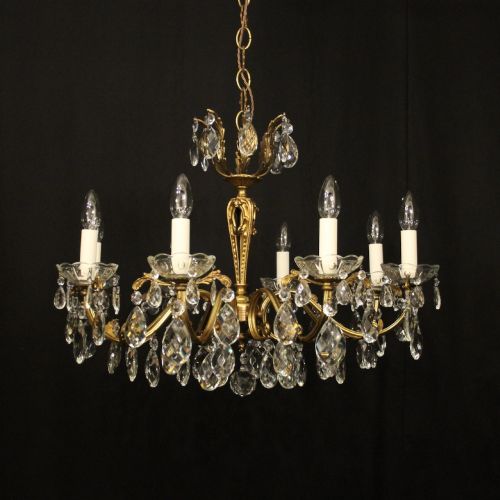
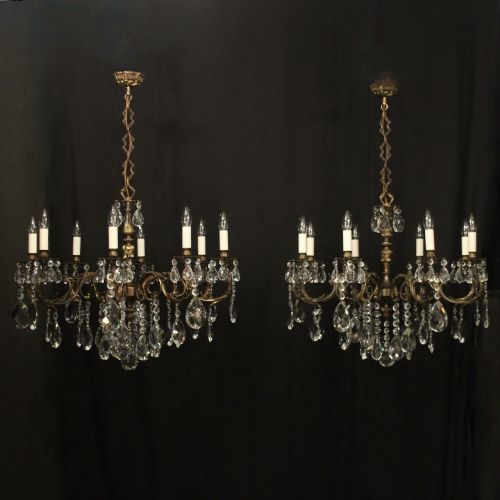
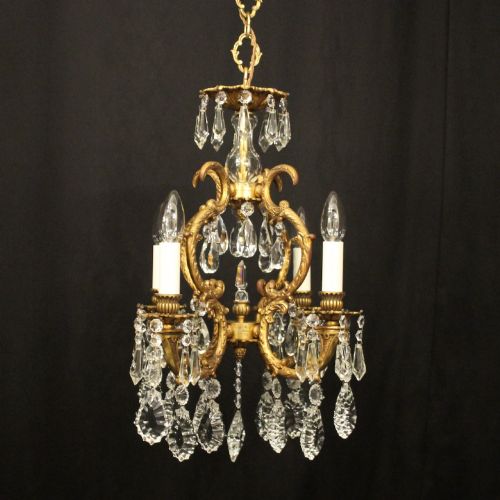
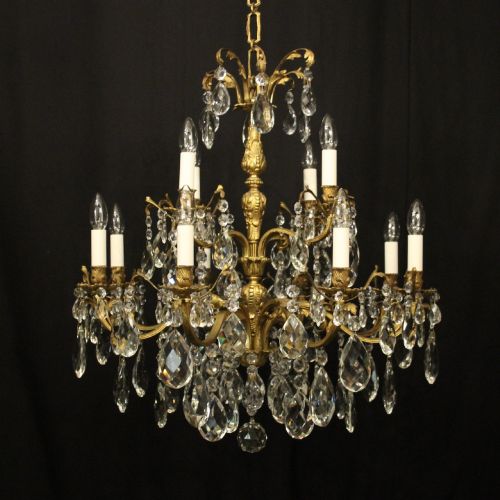
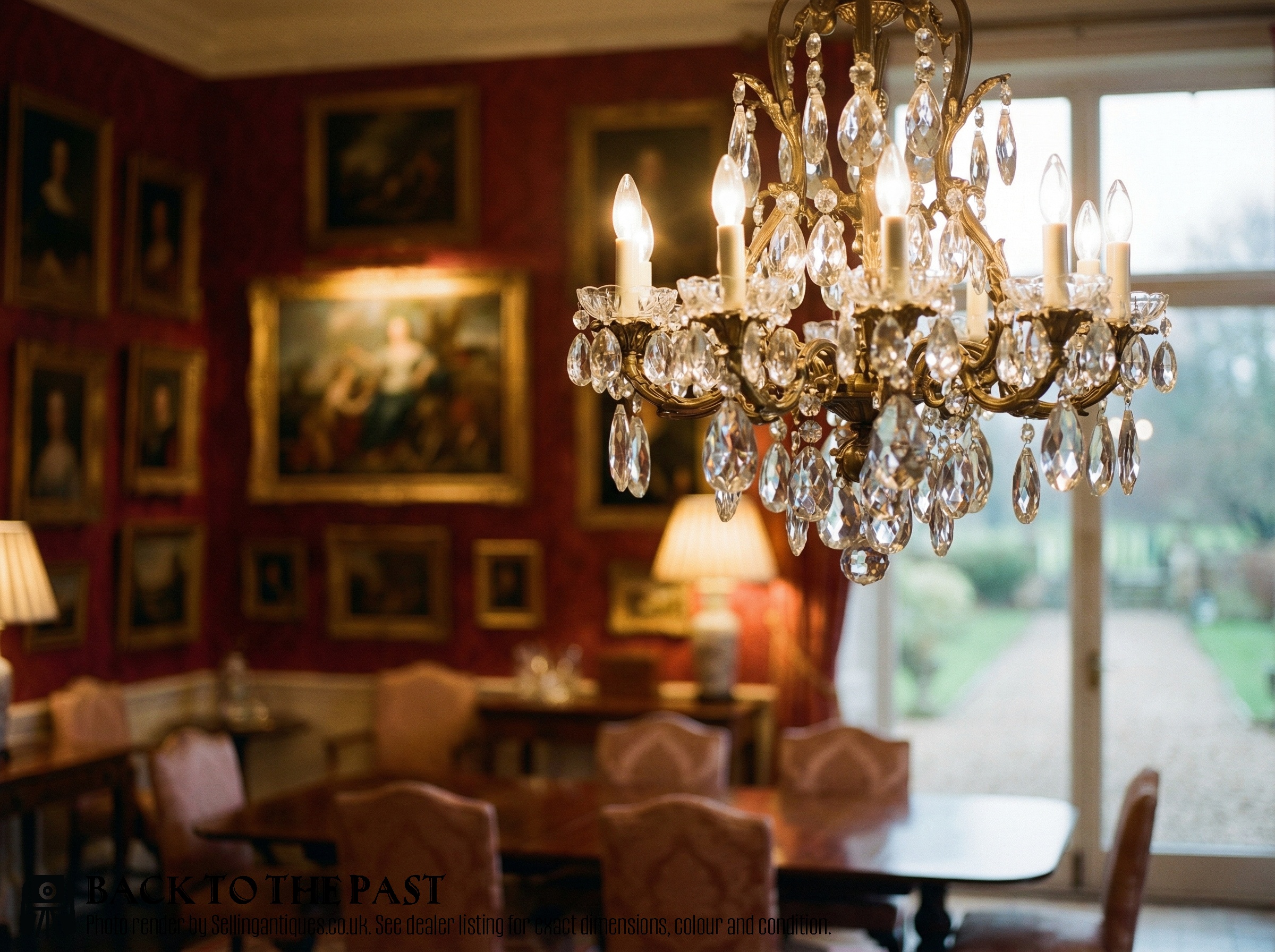
A bronze crystal chandelier brings together metal framing and cut glass drops in forms ranging from simple single light baskets to twenty-five light ballroom fixtures. You will frequently encounter French designs drawing on Empire, Baroque, and Rococo styles alongside Italian Florentine pieces.
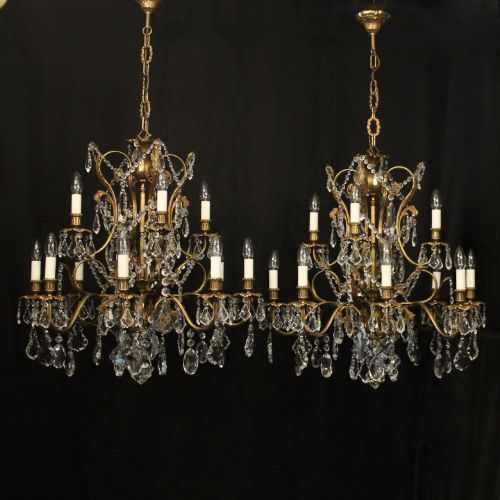
The selections span from the nineteenth century through the 1930s, taking shape as ceiling lights, pendant lights, and matching wall sconces. Many examples utilise tent and waterfall configurations where glass drops descend from an upper crown to a lower ring of lights.
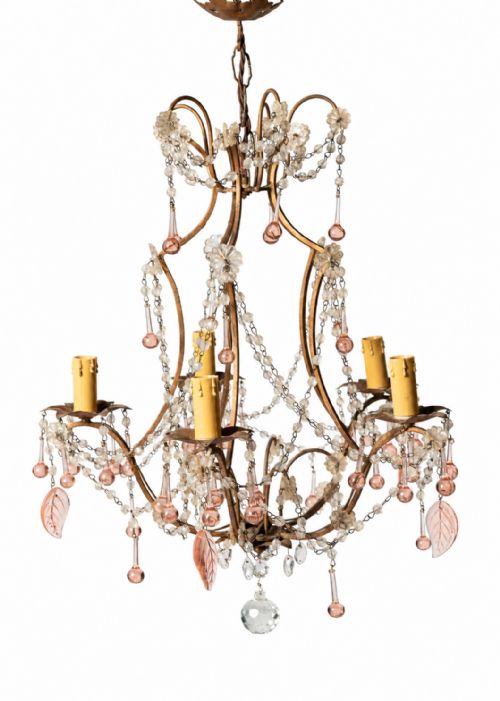
Makers and workshops across France and Italy produced these lighting fixtures using bronze, brass, and spelter frames embellished with amber, mauve, or clear crystal fruits and drops. The resulting objects served both functional illumination and decorative grandeur in high ceilings.
Materials and construction
Foundries cast frames in bronze, brass, and gilt bronze, occasionally applying silver gilding or utilising iron structures. Workers then chased and finished the metalwork by hand before fixing arms and candle branches.
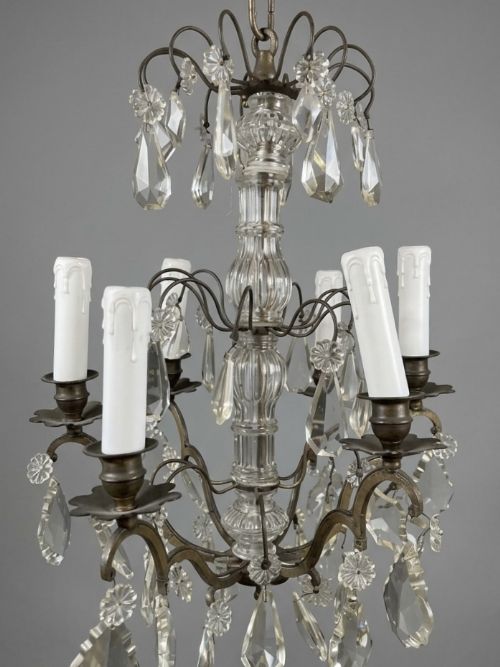
Glassmakers cut crystal drops, spikes, and coloured fruits separately, suspending them from the metal frames using wire loops or pins. These elements combine to form tents, cascades, and baskets designed to refract light.
Bronze Crystal Chandelier Retail Price Guide 2026
Typical asking prices for bronze crystal chandelier among the pieces listed under this phrase on Sellingantiques today, from the lower quarter to the upper quarter. They describe what is for sale here now, not the wider market.
Some nineteenth-century chandeliers feature glass shaped into coloured fruits, grapes, apples, and pears.
Distinguishing quality
The weight and crispness of the cast metal frame set apart finer examples from simpler production, particularly in the depth of chasing on gilt bronze and brass. Superior casting shows sharp detail in leaf decoration, cherubs, and arm attachments.
The clarity and cut of the crystal components determine the brilliance of the fixture, with heavier hand-cut drops reflecting more light than moulded alternatives. The integration of coloured crystal elements, such as amber and mauve fruits, adds complexity to the design.
The Bronze Crystal Chandelier Glossary
- Tent and waterfall
- A lighting configuration featuring an upper tent of strung crystal beads falling to a wider waterfall drop below. This style became popular in large reception rooms.
- Gilt bronze
- Bronze metal treated with a gold or gilt surface finish. It provides a durable and reflective foundation for ornate chandelier arms.
- Wall sconce
- A lighting fixture mounted directly to a wall surface rather than suspended from a ceiling. These often match the decorative style of larger central chandeliers.
- Cut glass
- Glass shaped and faceted by grinding on a wheel to increase light refraction. It forms the primary hanging drops on many period pieces.
Bronze Crystal Chandelier: Frequently Asked Questions
How do I hang a heavy chandelier?
These metal and glass fixtures require secure attachment to ceiling joists using rated steel fixings. Professional installation is essential due to the combined weight of the metal frame and crystal drops.
Electrical wiring must also support the multi-bulb configurations found in these pieces. Many vintage examples have been rewired for modern safety standards while retaining their original sockets.
What rooms suit these chandeliers?
High ceilings provide the necessary clearance for multi-arm tent and waterfall designs, allowing the cascading crystal drops to catch natural light. Dining rooms and entrance halls frequently accommodate larger examples.
Smaller single light baskets and wall sconces fit more intimate spaces or corridors. Matching pairs of wall lights help create balanced illumination alongside a central ceiling fixture.
How do I clean the crystal drops?
Regular dusting with a soft cloth maintains the clarity of the glass and metal surfaces. For thorough cleaning, individual crystal drops can be washed by hand in warm soapy water.
Leaving the drops attached while wiping requires care to avoid straining the wire fixings. Dried cleaning solutions or soft microfibre cloths prevent water spots on the cut glass facets.
How do I date these fixtures?
Stylistic indicators such as Louis Revival motifs or Empire tent forms point towards specific decorative periods. Materials like gilt bronze, brass, and cut crystal also help establish the approximate decade of manufacture.
Wiring methods and screw threads offer further clues to the age of the piece. Nineteenth-century examples often display heavier cast bronze construction compared to later twentieth-century productions.