

19th Century Figurine
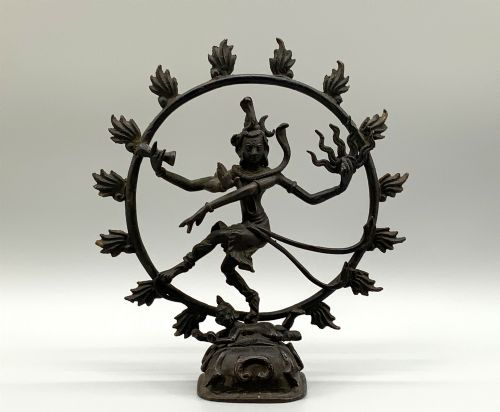
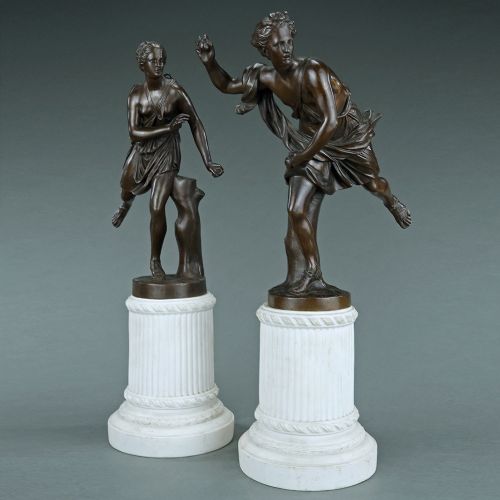
A 19th century figurine brings sculptural presence and period character into a room, spanning bronze mythological figures and porcelain animals.
19th Century Figurine
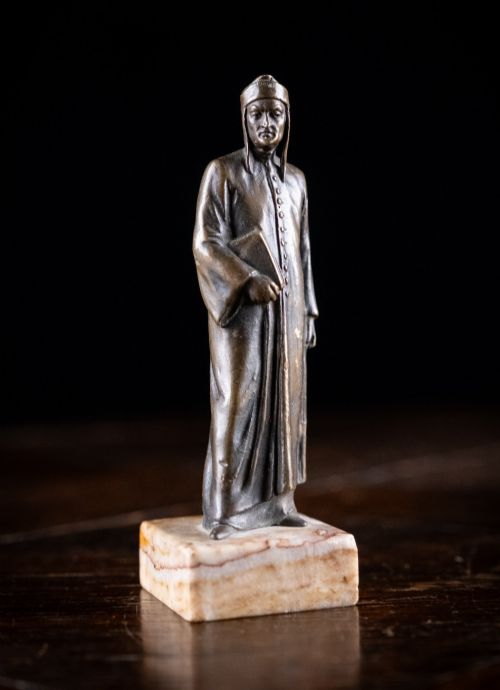
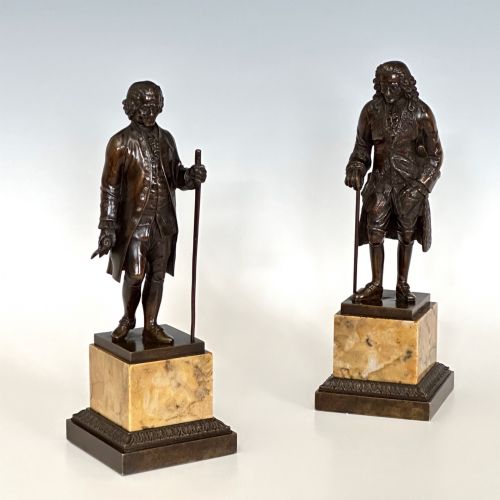
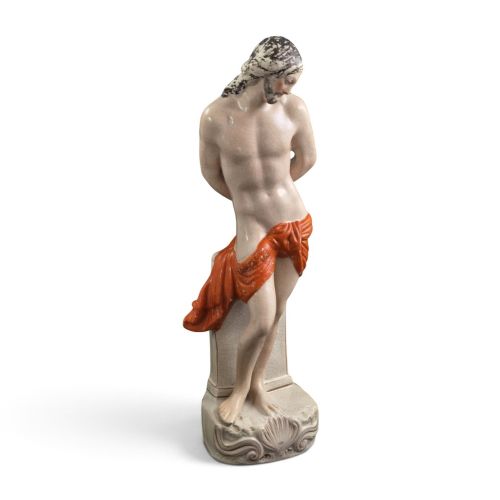
A 19th century figurine encompasses a diverse array of small sculptural works, ranging from cast metal animals and classical deities to glazed porcelain birds and earthenware human subjects. The selection draws together pieces created across European and Asian workshops during the victorian era and adjacent decades.
Buyers encounter subjects as varied as mythological figures, historical personages, domestic animals, and exotic birds, reflecting the broad aesthetic interests of the period. These objects served primarily as decorative items for mantelpieces, cabinets, and drawing rooms during the nineteenth century.
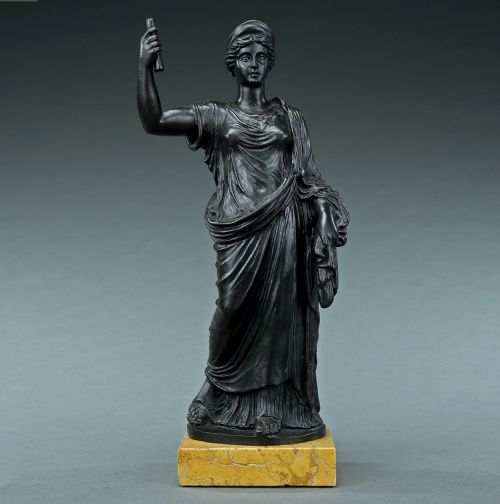
The objects available include works cast in bronze or brass, carved from wood, soapstone, and marble, as well as moulded in earthenware, stoneware, and porcelain. Many pieces demonstrate direct engagement with earlier classical antiquity, while others capture contemporary Victorian sentiment or naturalistic animalier studies.
How they were made
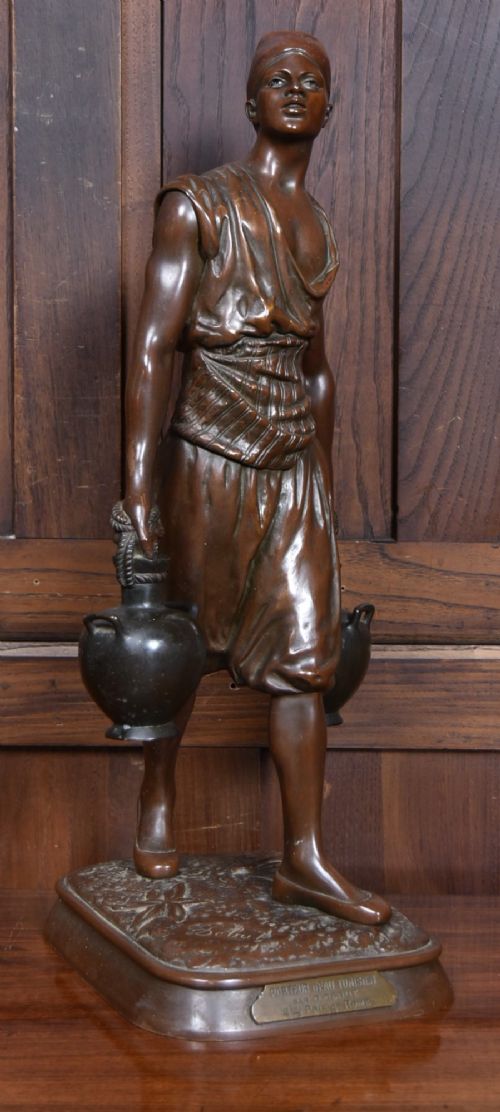
Metal sculptures from this period frequently utilised the lost-wax casting method for bronze, often finished with patination or gilt layers to accentuate surface detail. Workshops then chased and polished the metal by hand to refine the contours of figures and drapery.
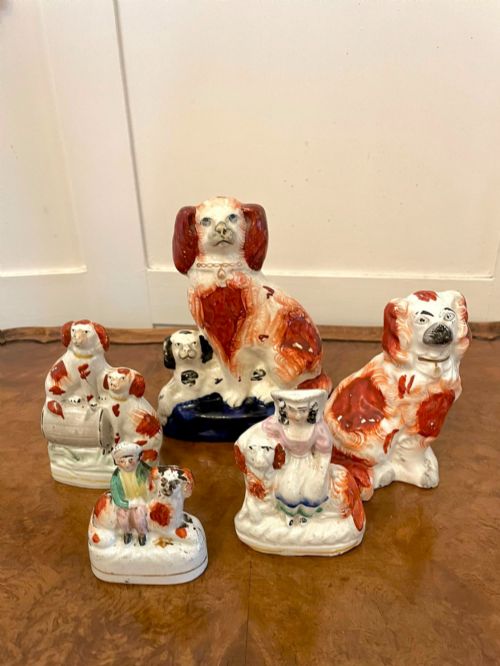
Ceramic and porcelain examples began with hand-molded or slip-cast bodies, which were subsequently painted with enamel colours and glazed before undergoing high-temperature firing. Many porcelain factories applied intricate hand-painted details and gilding to enhance the final appearance of human and animal subjects.
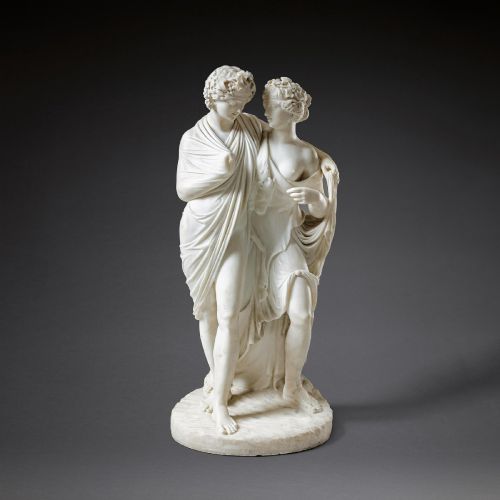
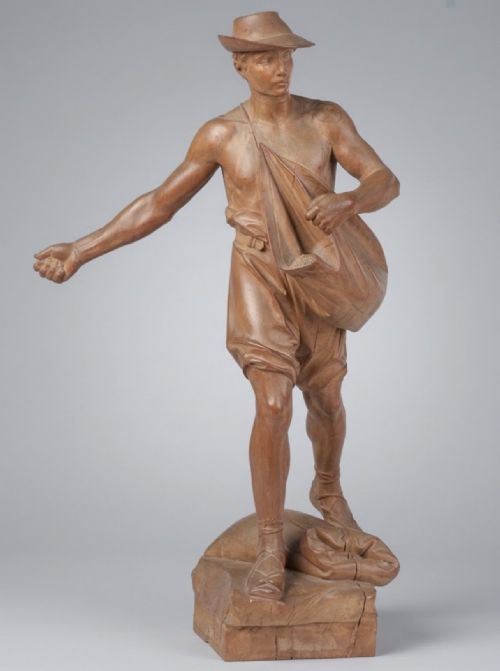
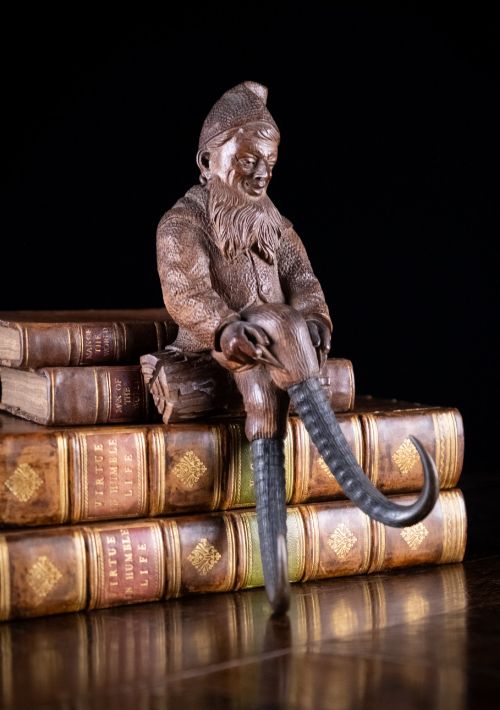
Carved works in marble, wood, soapstone, and coral relied on traditional hand-chiselling and carving tools to achieve depth and texture. Artisans worked the raw materials to produce fine details in hair, feathers, and garments, reflecting the sculptural standards of the nineteenth century.
Listings feature works created across the nineteenth century, utilising materials such as bronze, marble, earthenware, porcelain, soapstone, and carved wood.
What varies in quality
In ceramic and porcelain pieces, the precision of hand-painted enamel work and the smoothness of the glaze dictate the overall caliber of the object. Superior examples exhibit careful control over pigment application and kiln firing, avoiding surface blemishes and dull colour registration.
The depth and sensitivity of carving separate masterwork sculptures in marble, wood, and soapstone from simpler decorative items. Artisans who achieved subtle transitions in anatomical form and texture produced pieces that command greater artistic recognition.
Carl Kauba·Etienne-Henri Dumaige·Barbedienne·P J Mêne·Edmé Samson·Meissen
The 19th Century Figurine Glossary
- Animalier
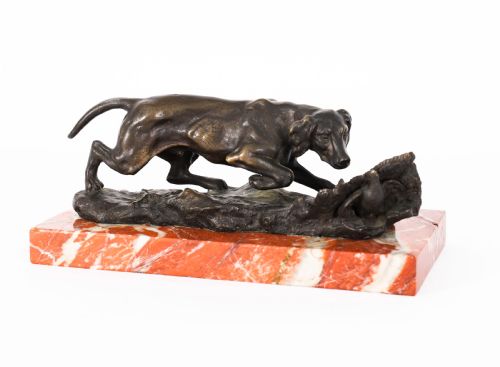
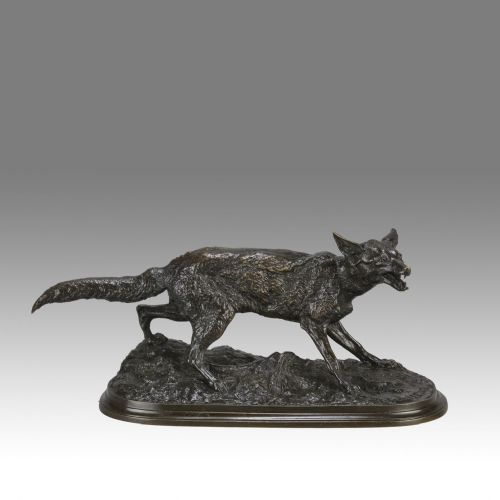
- A term describing nineteenth-century sculptures that focus specifically on animals in realistic or dramatic poses. Artists working in this style often studied live subjects in menageries.
- Bisque
- Unglazed fired porcelain that possesses a matte, white surface resembling marble. This finish was frequently utilised for nineteenth-century figural groups and portrait busts.
- Grand Tour
- A cultural journey undertaken by wealthy Europeans that generated demand for small bronzes and marble copies of classical antiquities. These souvenirs formed the basis of many nineteenth-century cabinet collections.
- Patinated Bronze
- Bronze metal treated with chemical solutions to produce a controlled surface colour or dark finish. This process protects the metal and highlights the modeled details of the sculpture.
- Spill Vase
- A hollow figurine or vessel designed to hold taper spills used for lighting candles and pipes. These practical ceramic items were widely produced by Staffordshire potteries.
- Gilt Bronze
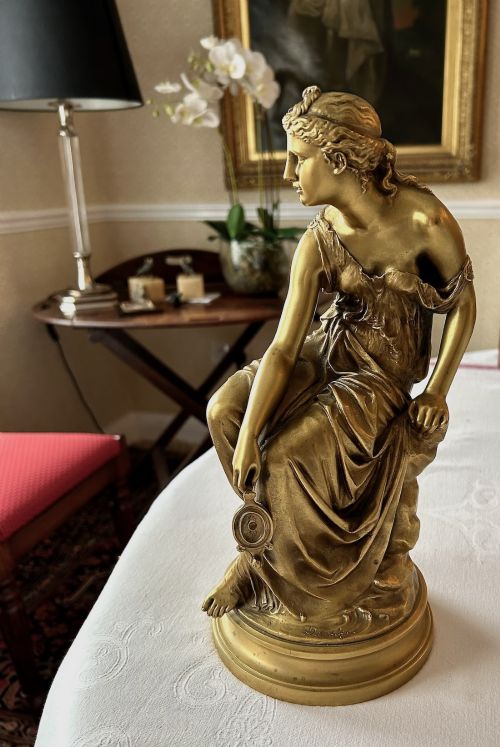
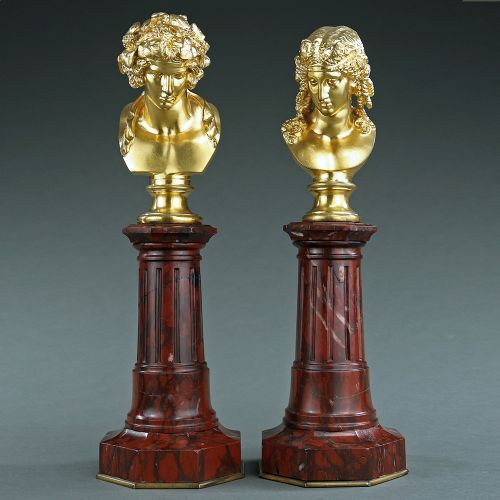
- Bronze or brass objects coated with a thin layer of gold or gold amalgam to create a bright metallic finish. The technique was widely applied to French decorative figures and clock mounts.
19th Century Figurine: Frequently Asked Questions
How do I identify a bronze?
Examining the weight, temperature, and underside of the object helps determine if it is cast metal rather than a plated substitute. Bronze pieces typically feel cold to the touch and exhibit patination or casting seams characteristic of nineteenth-century foundry work.
Closer inspection with a loupe reveals tool marks left during the chasing process where artisans refined the surface after casting. Maker signatures or foundry stamps incised into the base provide further evidence of origin.
What is animalier art?
Animalier art refers to the realistic representation of animals, which gained immense popularity among nineteenth-century sculptors working in Europe. These works capture creatures in natural motion, repose, or predatory struggle.
Artists observed animals closely in zoological gardens to render muscle structures and textures accurately in bronze or porcelain. This genre produced some of the most dynamic figural studies of the Victorian period.
Are porcelain marks reliable?
Factory marks provide a starting point for attribution, but they must be evaluated alongside the body paste, glaze quality, and modeling style. Many nineteenth-century continental potteries reproduced or adapted earlier marks to honour historical traditions.
Secondary indicators such as firing scars, colour palettes, and weight often offer more dependable clues to a piece's true age and origin. Expert consensus relies on the holistic examination of the entire object rather than the mark alone.