

19th Century English Ceramics
19th century english ceramics bring together utilitarian vessels and cabinet pieces shaped by Georgian elegance, Regency refinement and Victorian ambition.
19th Century English Ceramics
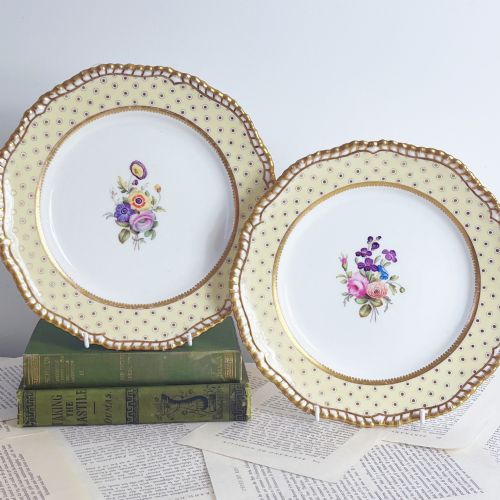
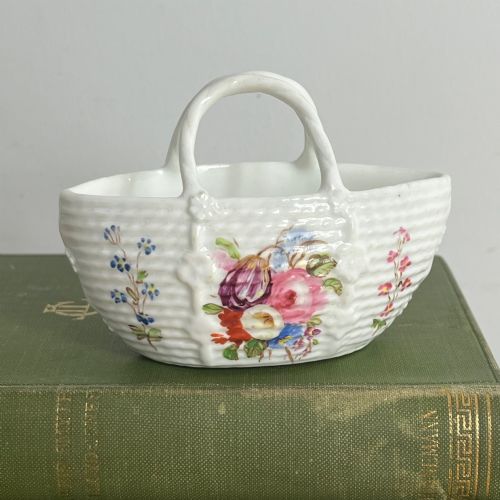
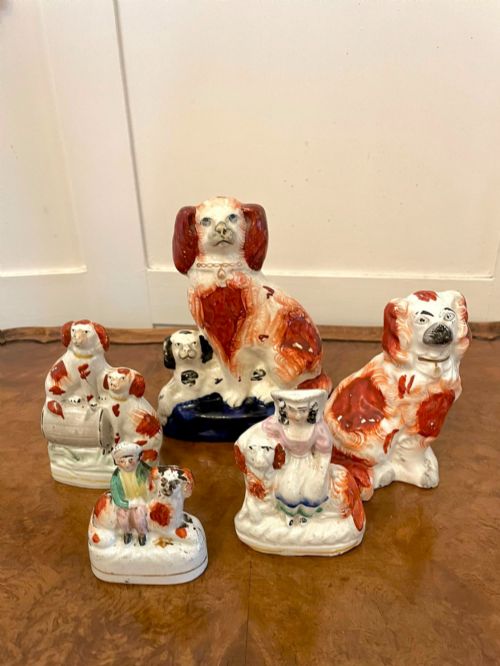
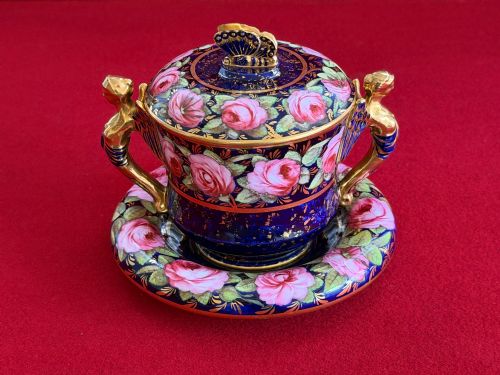
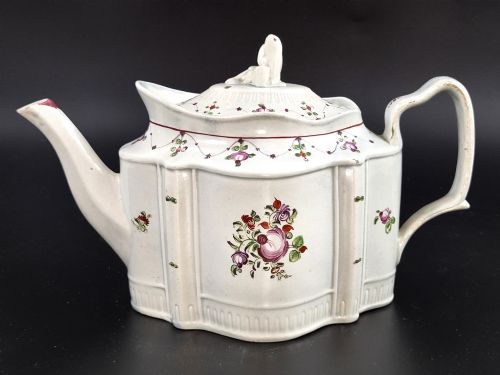
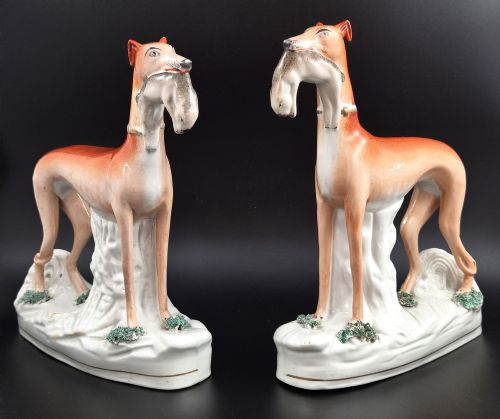
When you search for 19th century english ceramics, you encounter a diverse range of objects spanning utilitarian kitchenware to decorative cabinet porcelain. The selection encompasses practical forms such as jugs, teapots, mugs and tankards alongside decorative items including vases, comports, cabinet trios and commemorative Staffordshire figures.
Pieces frequently emerge from significant pottery centres and factories operating across Georgian, Regency and Victorian eras. Domestic settings relied on robust earthenware and ironstone for daily service, while wealthier households displayed refined bone china and porcelain upon sideboards and mantelpieces.
Materials and Techniques
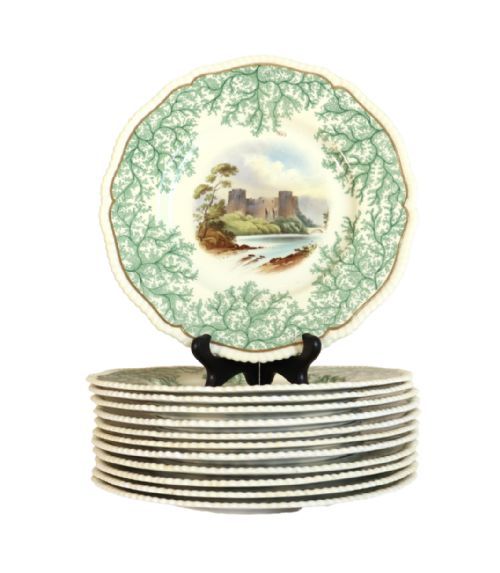
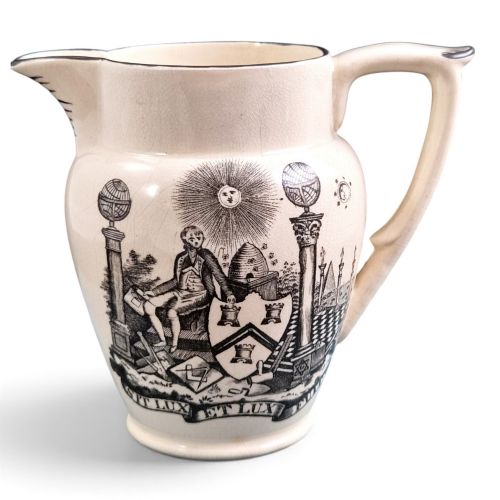
Potters utilised earthenware, creamware, ironstone and porcelain as foundational bodies, shaping them into tableware and ornamental vessels. Cobalt blue underglaze painting, black transfer printing and polychrome enamel decoration added surface detail before the kiln firing process.
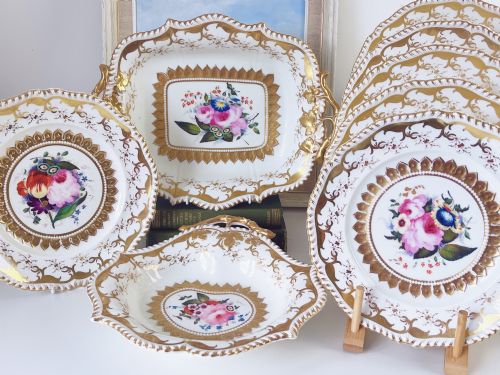
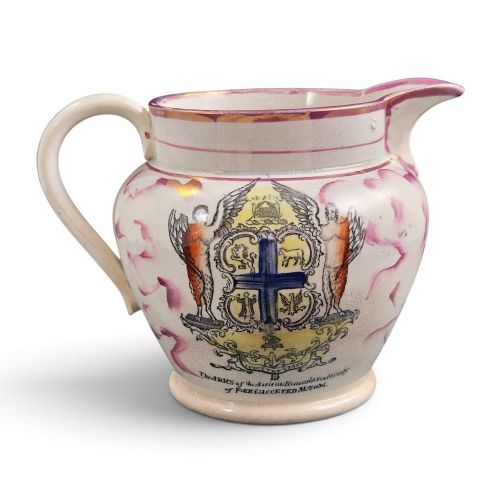
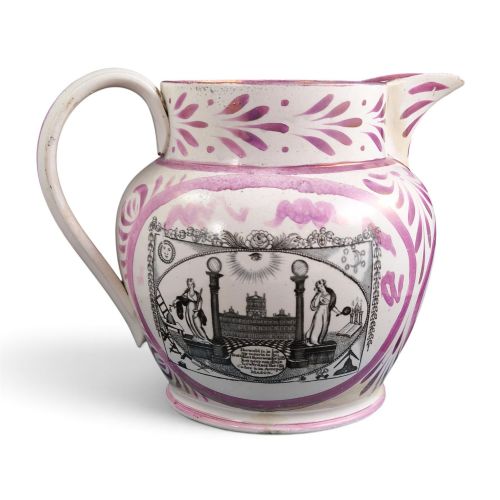
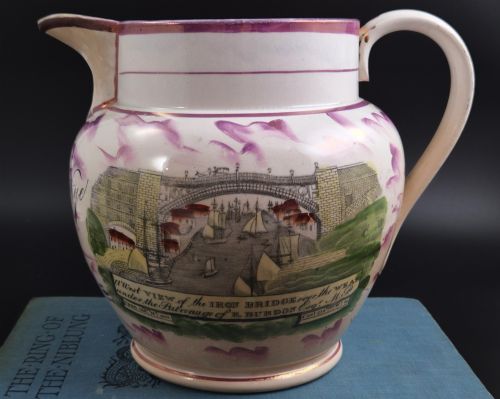
Gilding with gold leaf, gilt accents and pink lustre washes provided the finishing touches to high-end cabinet pieces and commemorative Sunderland jugs. Manufacturers combined these ceramic bodies and decorative glazes to achieve both durability for daily use and aesthetic refinement for display.
Listings feature porcelain, earthenware, ironstone and creamware across the 19th Century, Victorian, Georgian and Regency periods.
Evaluating Craftsmanship
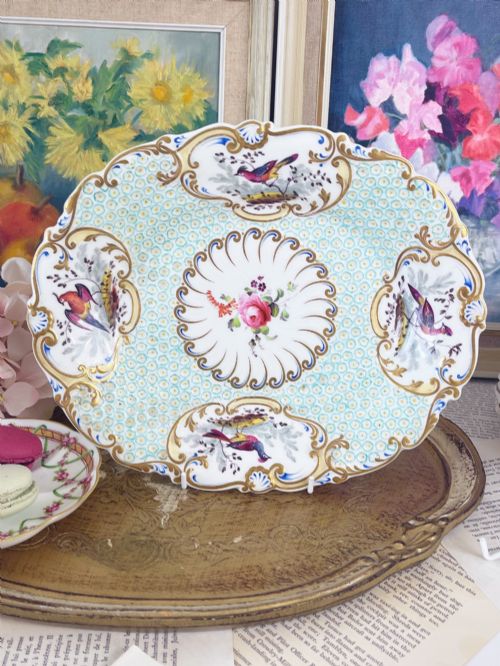
Quality rests upon the precision of the handpainted details, the clarity of transfer prints and the evenness of the glaze application across the ceramic body. Pieces decorated by named factories or skilled hands display a superior crispness in floral motifs, armorials and maritime scenes.
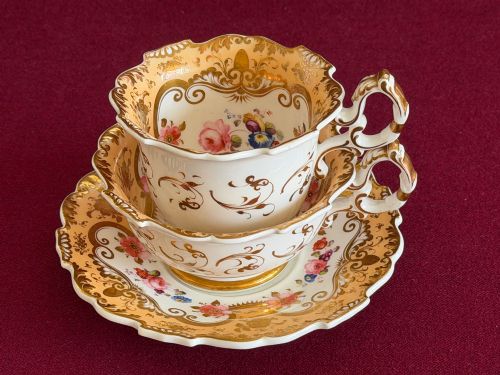
The weight, translucency of the porcelain or bone china, and stability of handles and spouts distinguish standard utility ware from exhibition pieces. Superior examples maintain intact gilding and balanced proportions, reflecting the expertise of the modeller and painter.
Grainger Lee And Co·Spode·Flight Barr And Barr·H And R Daniel·Royal Crown Derby·Coalport·Davenport·Mason S Ironstone·Ridgway
The 19th Century English Ceramics Glossary
- Creamware
- A refined earthenware with a pale yellowish glaze developed in the 18th century and continued into the 19th century. It served as a lighter, more sophisticated alternative to heavier salt-glazed wares.
- Lustreware
- Earthenware or porcelain decorated with a metallic film that produces an iridescent sheen. Sunderland and other potteries specialised in pink splash and copper lustre effects for maritime and commemorative jugs.
- Ironstone
- A heavy, durable type of feldspathic earthenware patented in the early 19th century. It resisted chipping and provided a sturdy canvas for vibrant imari and oriental-inspired patterns.
- Comport
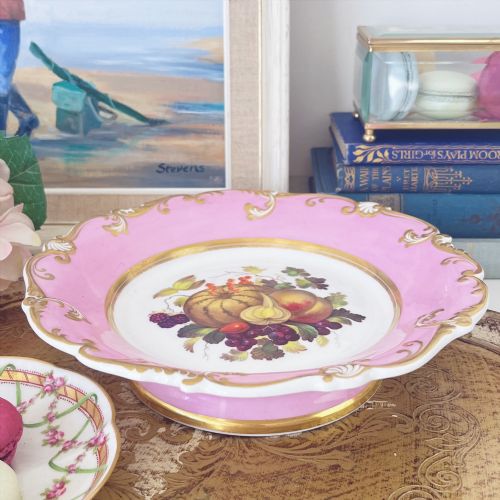
- A raised dish or bowl used for serving fruit or sweets as part of a grand tablescape. They often stood on a single foot or pedestal as part of a larger dessert service.
19th Century English Ceramics: Frequently Asked Questions
How do I identify a 19th century ceramic piece?
Examination of the paste, glaze and any factory marks provides the primary clues to age and origin. Stylistic markers such as Regency shapes or Victorian transfer prints help narrow the manufacturing window.
Potters often utilised pattern numbers or impressed ciphers underneath the glaze. Comparing these details against known factory outputs confirms the period of production.
Were these ceramics used daily?
Many items, including ironstone plates, earthenware teapots and creamware jugs, were manufactured for practical domestic service. Households relied on these durable materials for dining and beverage preparation.
Finer porcelain trios and decorative cabinet vases were generally reserved for display or formal occasions. Their survival in good condition often depends on whether they remained in cabinets or underwent heavy use.
How should I display antique ceramics safely?
Display cabinets with stable shelving protect delicate handles, finials and protruding elements from accidental knocks. Proper support prevents weight strain on footed comports and handled urns.
Keeping pieces away from direct sunlight preserves the vibrancy of handpainted enamels and gold leaf gilding. Environmental stability prevents thermal shock to older earthenware bodies.
What is the difference between earthenware and porcelain?
Earthenware is a porous, opaque ceramic body fired at lower temperatures, making it thick and robust for everyday utility wares. Porcelain uses refined clays fired at higher temperatures to create a vitrified, translucent material suited for fine cabinet cups.
Makers applied different glazes and decorative techniques to each body type. Porcelain accepted delicate handpainted miniatures, while earthenware excelled with transfer printing and lustre washes.