
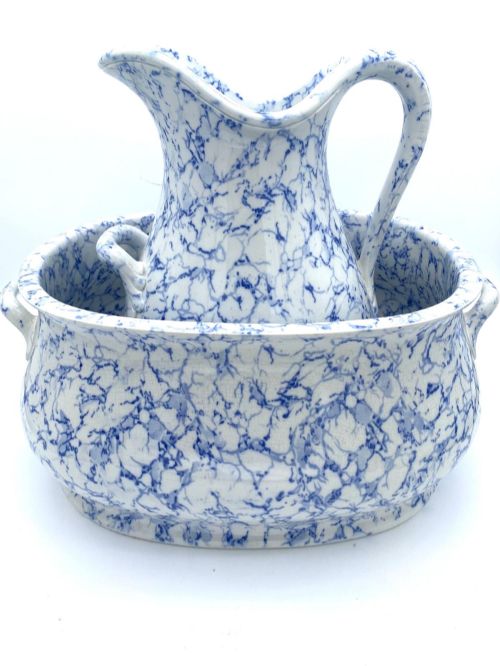
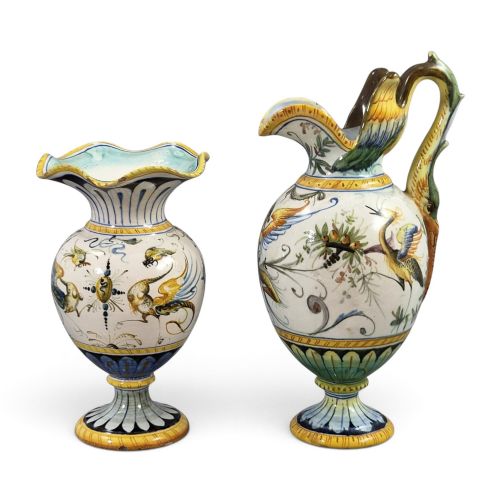
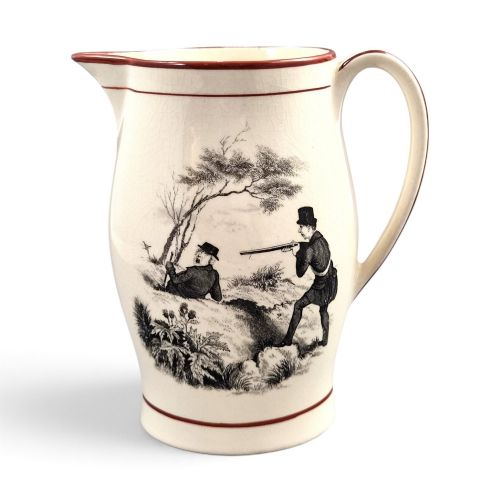

19th Century Earthenware Jug
A 19th century earthenware jug brings tactile weight and narrative detail to a room, offering functional pottery shaped by utilitarian use and commemorative display.

19th Century Earthenware Jug
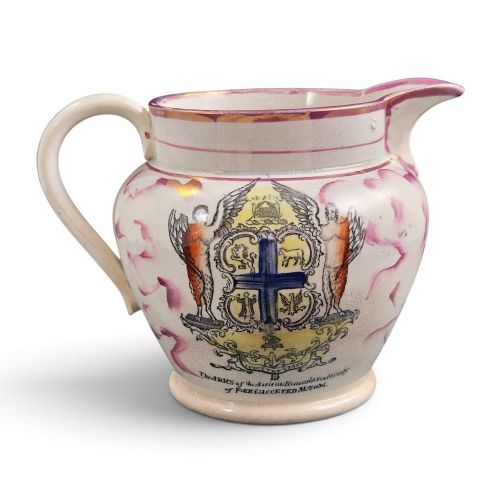
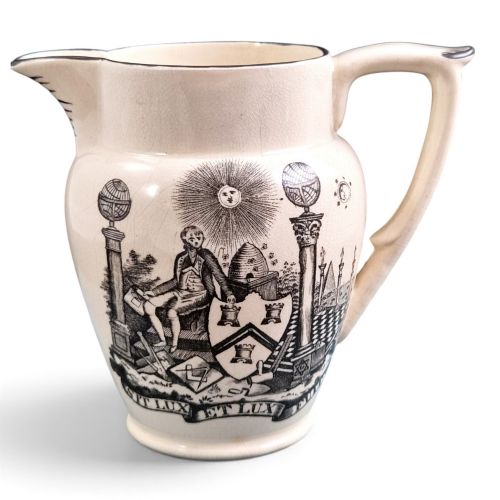
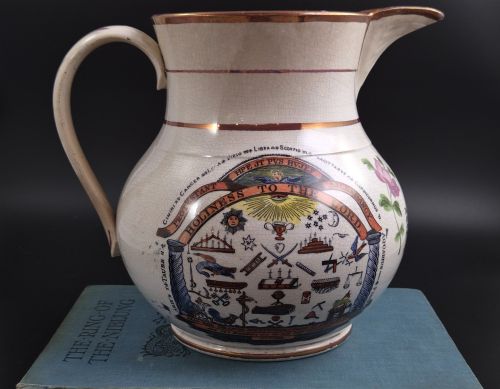
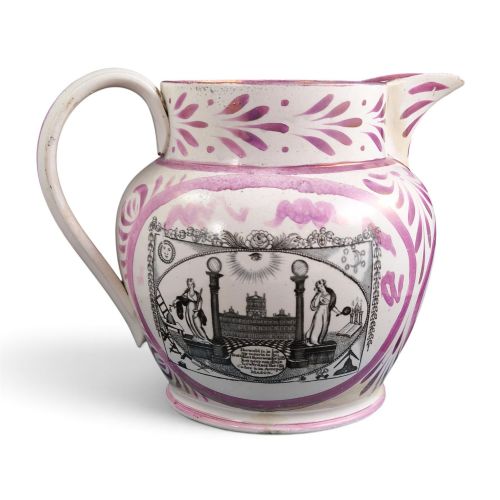
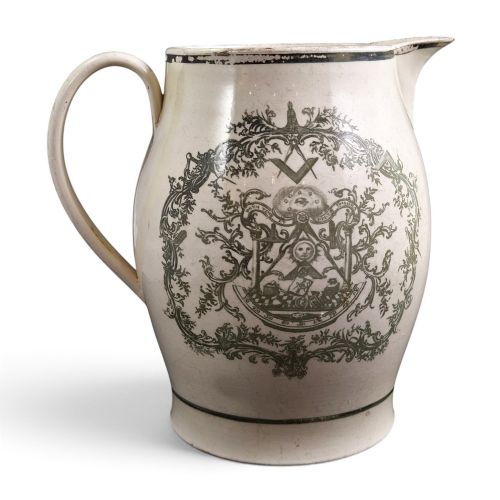
A 19th century earthenware jug encompasses everything from robust slipware vessels to creamware pitchers bearing transfer-printed masonic emblems or maritime scenes. These items functioned as practical kitchen vessels, tavern tankards, and commemorative pieces for fraternal orders.
The objects span periods from the Georgian era through the Victorian reign, incorporating regional British potteries alongside continental examples in tin glaze and faience. Forms include everything from small cream jugs to large ewers and characterful toby jugs.
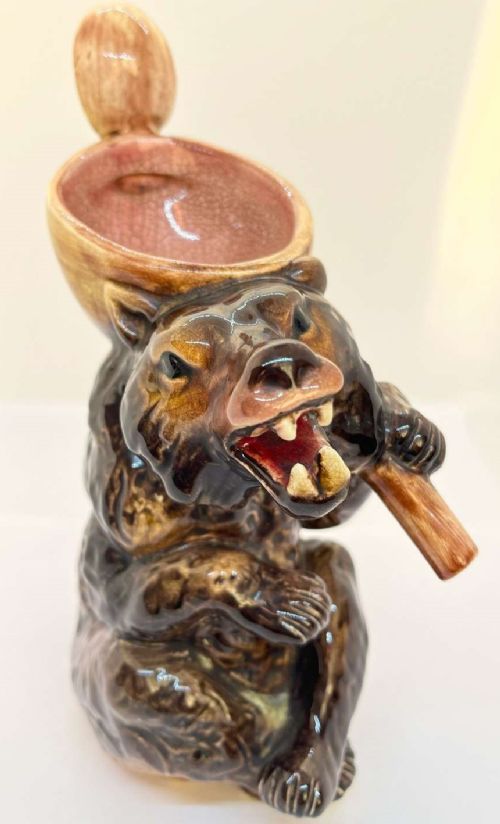
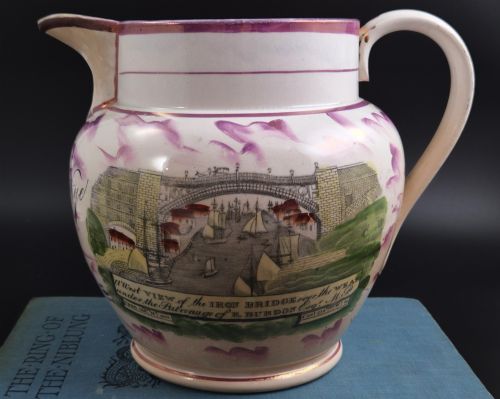
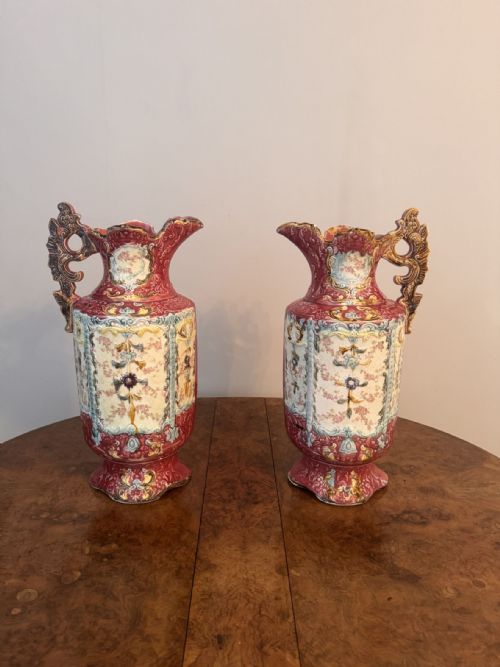
Makers utilised earthenware, creamware, and ironstone to shape pitchers that often record historical events, local bridges, and sporting motifs. Collectors encounter both utilitarian wares and highly decorated display pieces carrying polychrome enamel or lustre.
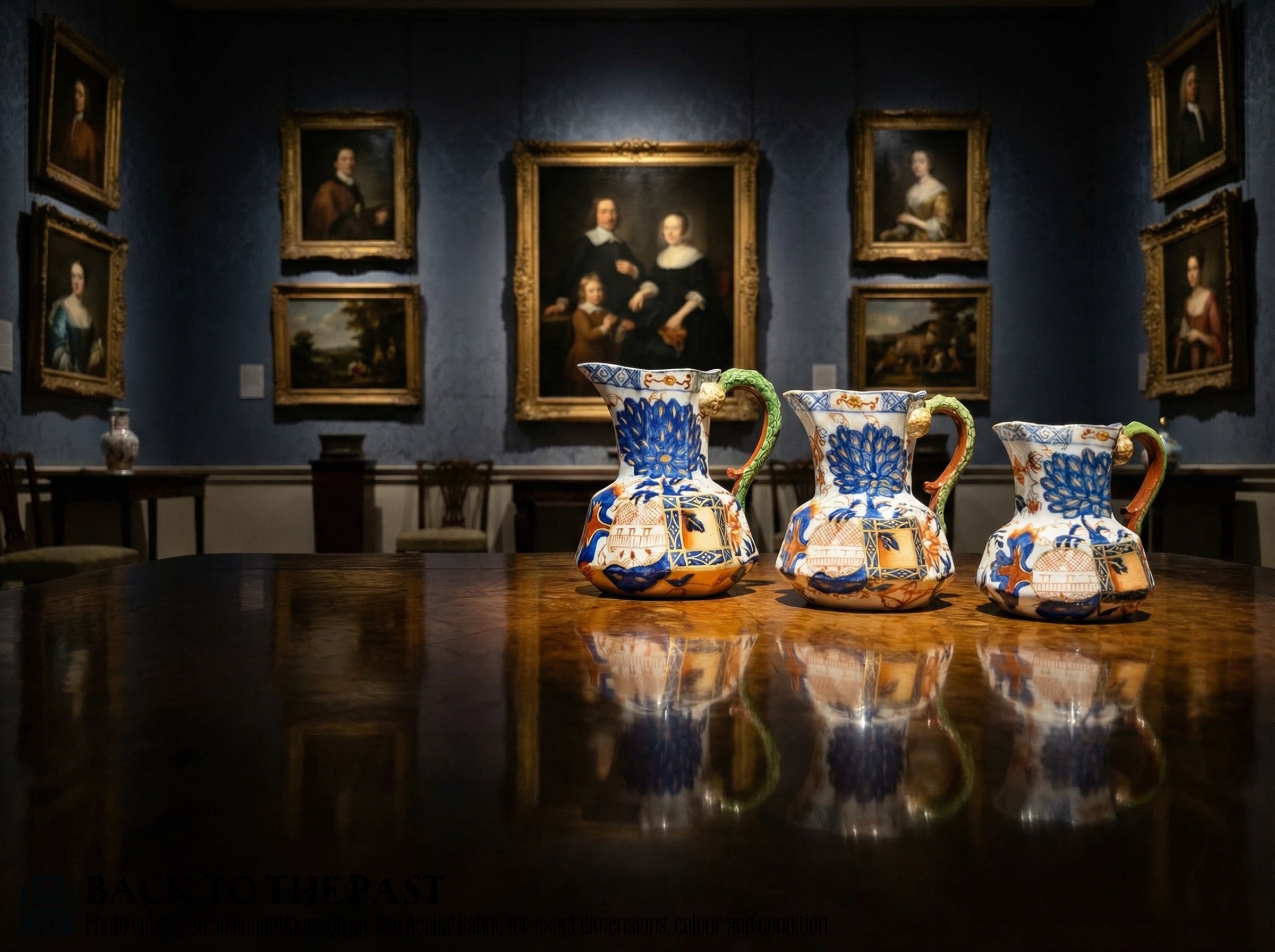
How they were made
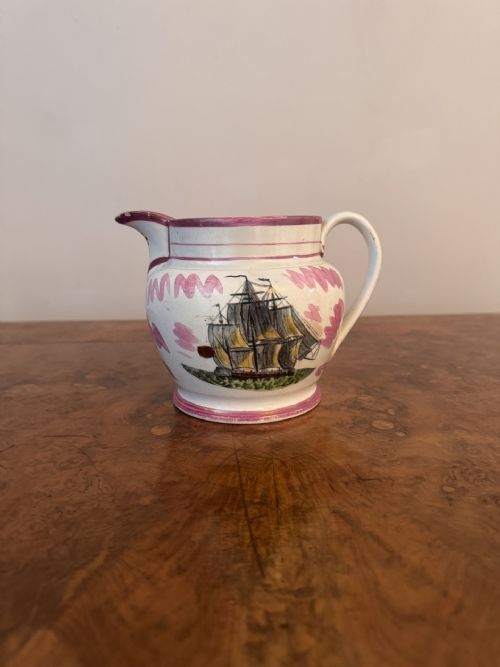
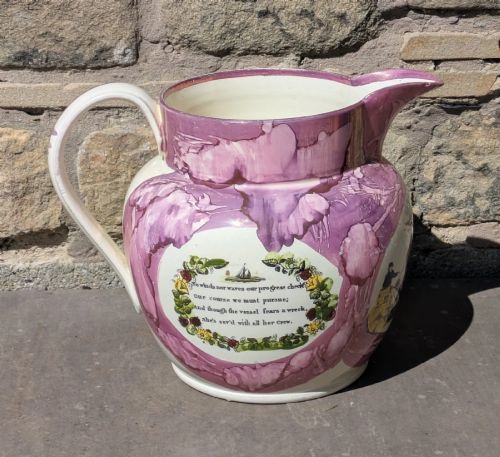
Potters shaped earthenware and creamware bodies on the wheel or pressed them into moulds, applying tin glazes, salt glazes, or pink lustre finishes. Decoration frequently involved black or polychrome transfer printing to transfer detailed topographical or narrative scenes onto the ceramic surface.
Enamel colours and gilt highlights were applied over the glaze, occasionally supplemented by slipware trailing or moulded relief work. These decorative layers were then fired in kilns to fix the pigments and seal the porous ceramic body beneath.
19th Century Earthenware Jug Retail Price Guide 2026
Typical asking prices for 19th century earthenware jug among the pieces listed under this phrase on Sellingantiques today, from the lower quarter to the upper quarter. They describe what is for sale here now, not the wider market.
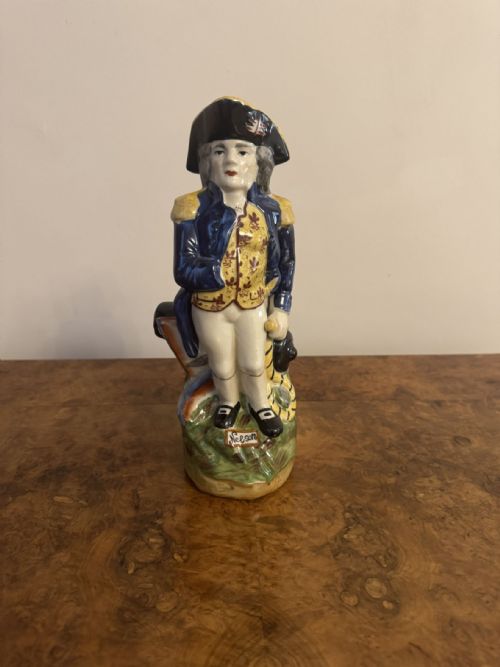
Potters captured subjects ranging from boxing matches and bull baiting to Nelson and local bridges, ensuring every beverage came with a story.
What varies in quality
Quality rests in the crispness of transfer-printed details, the richness of pink lustre and enamel application, and the structural balance of the form. Finer vessels display sharper relief moulding on figural pieces such as toby jugs and character pitchers.
Provenance and historical specificity elevate individual items, particularly those bearing named inscriptions, dated events, or specific pottery attributions. The handling of glaze effects, from smooth flow blue to evenly distributed splash lustre, dictates visual depth.

Holdcroft Majolica·Garrison Pottery·Minton·Cantagalli Florence·Royal Doulton·Gien Faience·Ridgway and Sons·Davenport
The 19th Century Earthenware Jug Glossary
- Creamware
- A refined earthenware developed in Staffordshire featuring a pale yellow or creamy tone under a transparent lead glaze. It provided a smooth canvas for transfer-printed decoration.
- Lustreware
- Pottery treated with a metallic film that creates a reflective, iridescent sheen on the surface. Pink and copper tones are typical of nineteenth-century production.
- Transfer printing
- A method of decorating ceramics by engraving a design on a copper plate, pulling it on tissue paper, and pressing it onto the clay or glaze before firing. This technique allowed intricate narratives to be reproduced quickly.
- Slipware
- Pottery decorated with slip, which is a liquid clay mixture applied to the unfired body for patterns or coating. It represents an older tradition that continued into the nineteenth century.
- Toby jug
- A pottery jug shaped as a full-bodied man, usually holding a mug and a pipe while wearing an eighteenth-century costume. They served functional roles in domestic and tavern settings.
19th Century Earthenware Jug: Frequently Asked Questions
How were these jugs used?
Nineteenth-century vessels served practical roles for pouring liquids at table, storing ale in taverns, and carrying water for washing.
Many examples also functioned as commemorative objects for fraternal orders, weddings, or maritime achievements, meant for display rather than daily service.
How do I date a piece?
Dating relies on stylistic markers, pottery marks, and historical references such as named ships or dated events printed on the surface.
Georgian pieces often feature creamware bodies and simple transfer prints, while Victorian examples show greater variety in majolica, lustre, and brightly coloured enamels.
Where were these ceramics made?
Production centred heavily in Staffordshire potteries, alongside regional centres in Sunderland, Wales, and various continental European kilns.
Different regions specialised in specific techniques, such as Sunderland pink lustre or Welsh gaudy patterns.
How should I display them?
These vessels suit placement on open shelving, sideboards, or within cabinet displays where their varied glazes and forms catch the light.
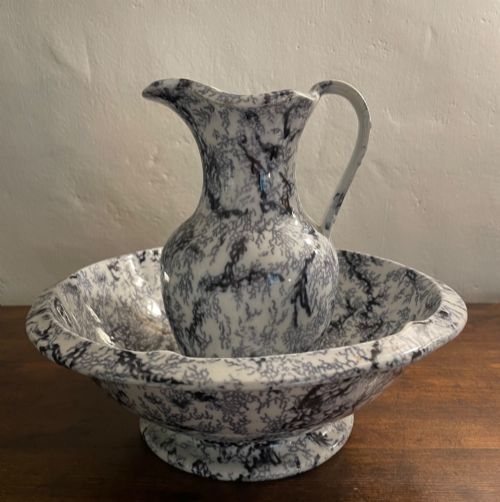
Grouping items by colour families, such as pink lustre or blue and white transfer prints, highlights their decorative patterns.