

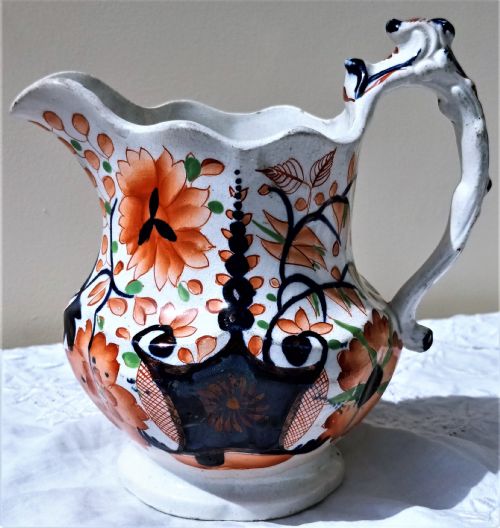


Victorian Floral Milk Pitcher
A victorian floral milk pitcher brings nineteenth-century colour and hand-decorated botanical patterns straight to the table.

Victorian Floral Milk Pitcher
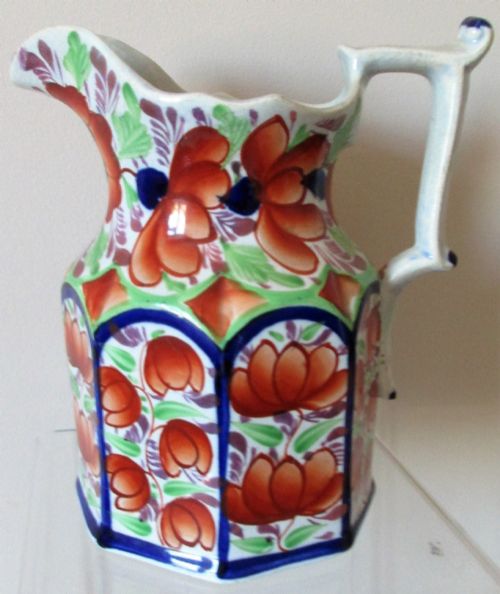
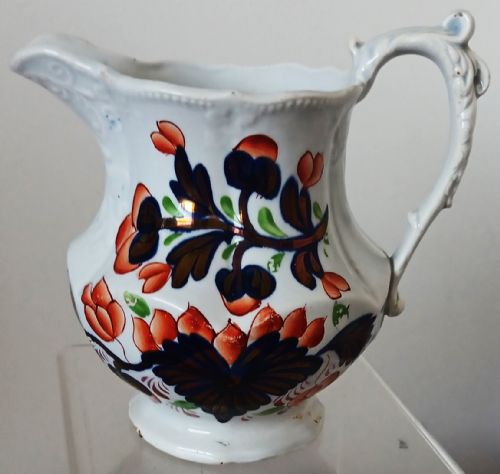
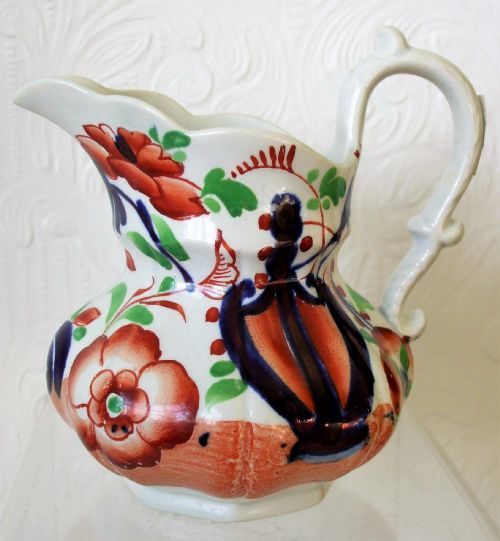
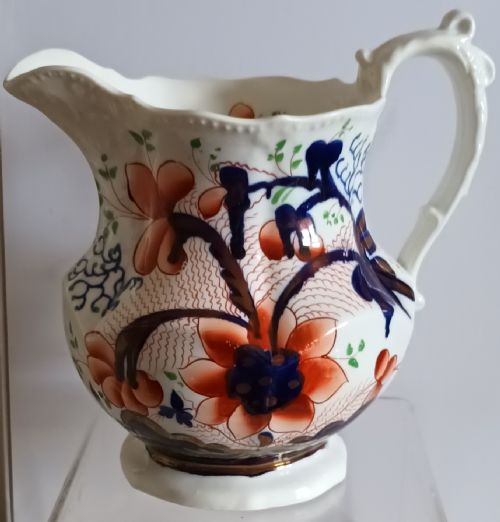
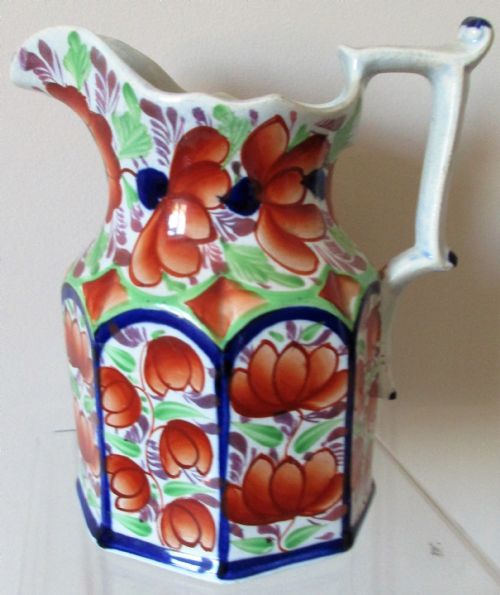
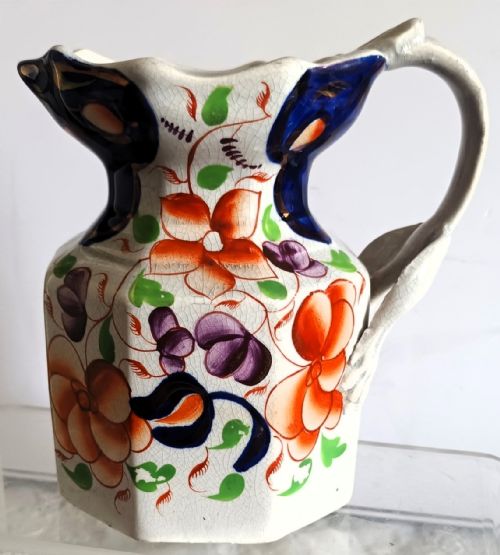
A victorian floral milk pitcher is typically represented here by nineteenth-century earthenware and pottery jugs, alongside porcelain examples from the same era. Buyers will regularly encounter distinct regional earthenware patterns such as Gaudy Welsh, featuring named motifs like Grape, Pagoda, Gower, Gwent, Aberaeron, Harlech, and Conwy.
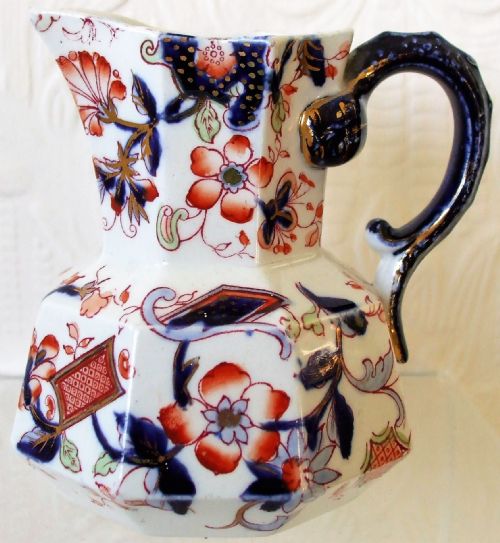
Forms range from standard jugs and pitchers to specific pouch jugs and hydra shapes. Alongside pottery, the selection includes ceramic and porcelain milk and water jugs hand decorated with fruit, as well as silver-lidded designs with hand-engraved floral work.
Materials and Construction
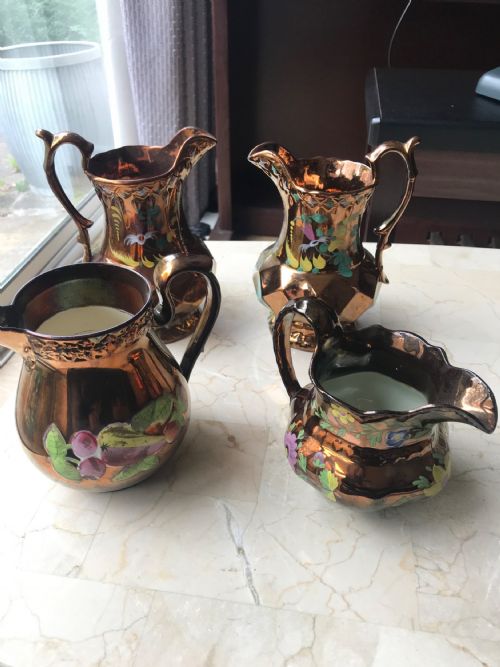
Pottery and earthenware bodies form the structural core of these pieces, finished with glaze and hand-decorated enamel painting. Artisans applied copper lustre glaze to ceramic and porcelain surfaces to create metallic sheens that highlight hand-decorated fruit motifs.
Porcelain variants, including hydra shapes, utilise fine clay bodies shaped into moulded forms. Additional materials appear in silver-lidded examples, which combine ceramic or metal bodies with hand-engraved floral designs and woven handles.
Victorian Floral Milk Pitcher Retail Price Guide 2026
Typical asking prices for victorian floral milk pitcher among the pieces listed under this phrase on Sellingantiques today, from the lower quarter to the upper quarter. They describe what is for sale here now, not the wider market.
Materials recorded include ceramic, glaze, enamel, copper lustre glaze, gilding, and sterling silver.
Understanding Quality Variations
Quality in these pitchers is determined by the crispness of the hand-decorated enamel work and the complexity of the pattern, such as the detailed transfer and painting found on Gaudy Welsh pottery. The depth and evenness of copper lustre glazes also separate standard production from finer examples.
The sophistication of the form, from simple earthenware jugs to moulded hydra shapes and silver-lidded silver-handled pieces, defines the upper tier of the range.
Keeling And Co·Masons·Royal Worcester
The Victorian Floral Milk Pitcher Glossary
- Gaudy Welsh
- A type of nineteenth-century earthenware pottery known for vibrant underglaze and enamel colours, frequently utilising cobalt blue, iron red, and copper lustre. These wares were heavily produced for the Welsh market with distinct named patterns.
- Copper Lustre
- A metallic glaze technique that produces a reflective, coppery sheen on ceramics and porcelain. It is often applied to highlight bands, rims, or hand-painted fruit motifs.
- Hydra Jug
- A specific ceramic pitcher shape characterised by a helmet-like mouth and a reeded handle, often associated with early nineteenth-century and Victorian porcelain production.
- Pouch Jug
- An earthenware jug form featuring a bulbous, rounded body that tapers toward the neck and spout. This distinct silhouette provides a larger capacity for milk or water.
Victorian Floral Milk Pitcher: Frequently Asked Questions
How do I use a victorian floral milk pitcher today?
These pitchers function well as practical table vessels for serving milk or water during meals. Many collectors also use them as decorative vases for small floral arrangements.
Placing them on open shelving or within cabinets allows the hand-decorated patterns and copper lustre finishes to remain visible when not in active use.
What periods do these floral pitchers cover?
The pieces span the nineteenth century, with specific dates reaching back to the Georgian era and extending through the 1870s, 1880s, and 1890s.
Victorian production forms the largest portion of the selection, particularly for earthenware pottery and Gaudy Welsh patterns.
How do I identify Gaudy Welsh patterns?
Gaudy Welsh jugs typically feature bold hand-painted enamel colours like cobalt blue, orange-red, and pink lustre over white earthenware. They often incorporate specific named motifs such as Pagoda, Grape, and Gwent.
Examining the underside and the specific style of floral or architectural transfer printing helps confirm the pattern type.
Are these pitchers made of porcelain or earthenware?
The selection includes both earthenware and porcelain bodies, depending on the specific maker and style. Earthenware is common in regional Gaudy Welsh and copper lustre wares.
Porcelain appears in finer moulded forms, such as hydra jugs produced by period potteries.