

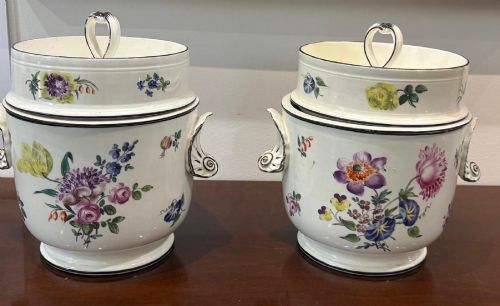
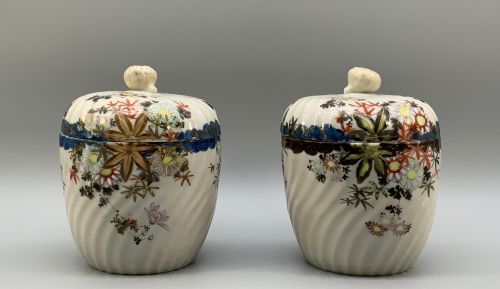
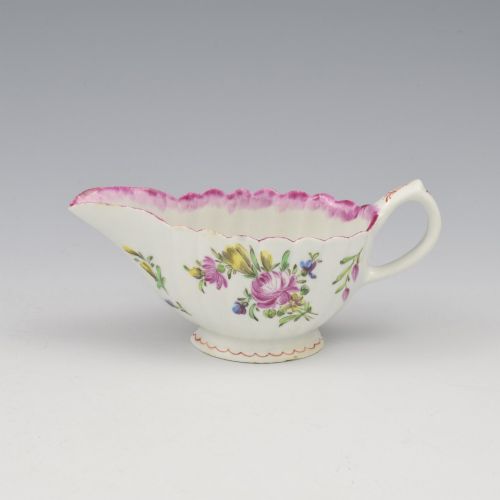
Hand Painted Floral Ceramic
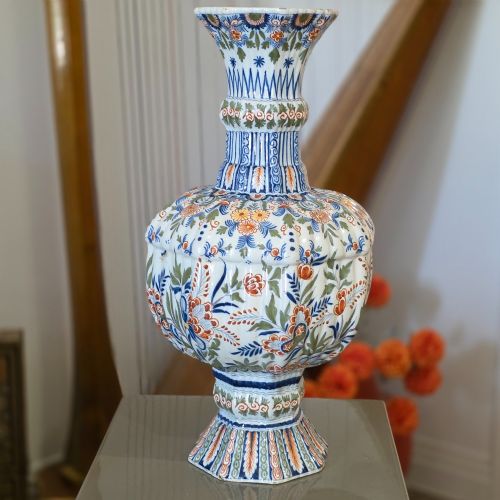
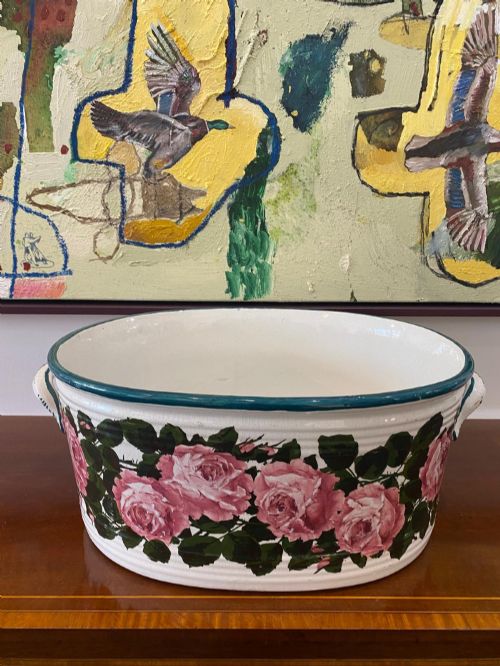
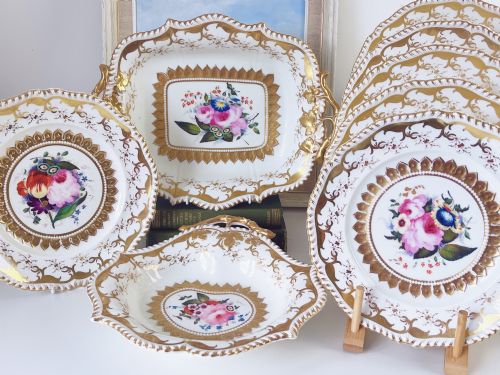
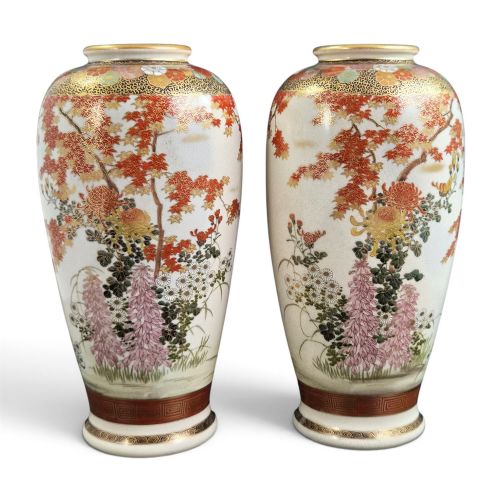
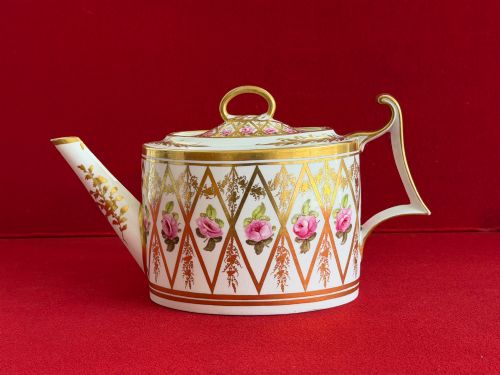
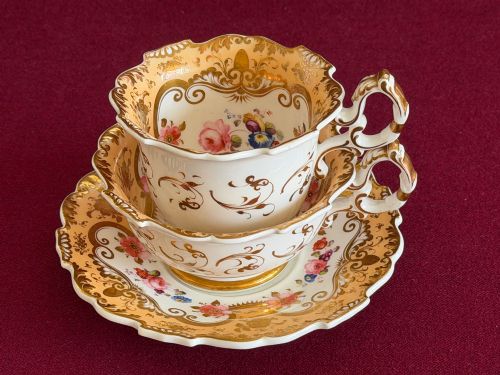
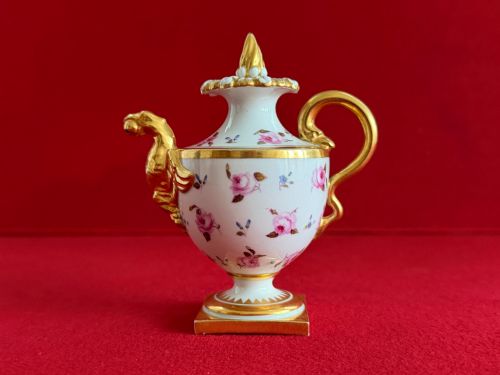
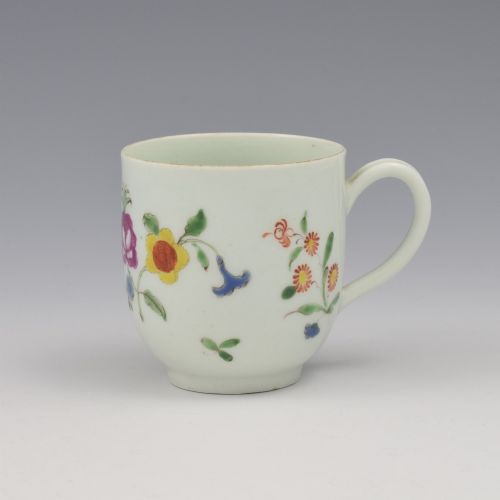
Hand painted floral ceramic pieces span centuries of kilns, uniting delicate brushwork and rich glazes across plates, vases, and teapots.

Hand Painted Floral Ceramic
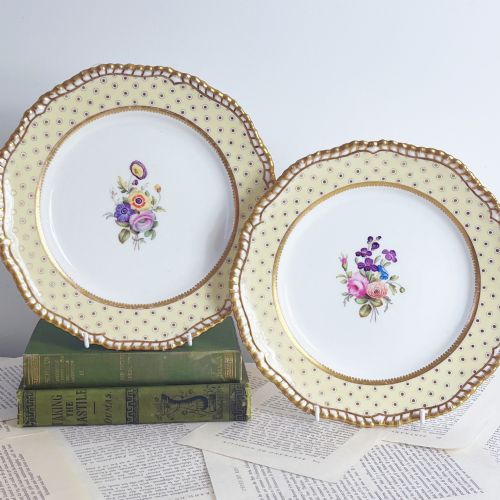
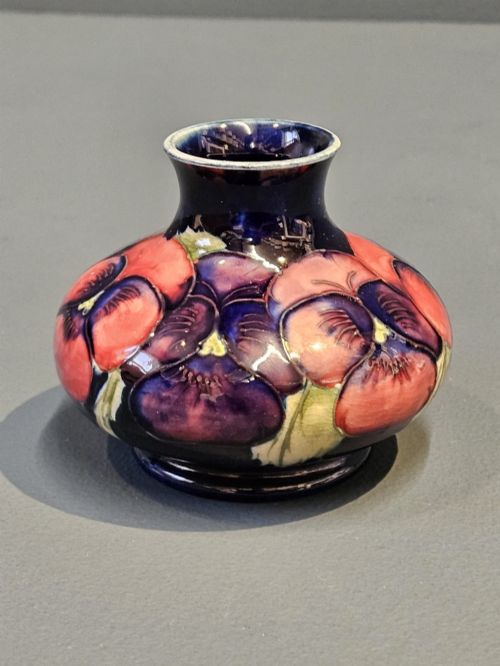
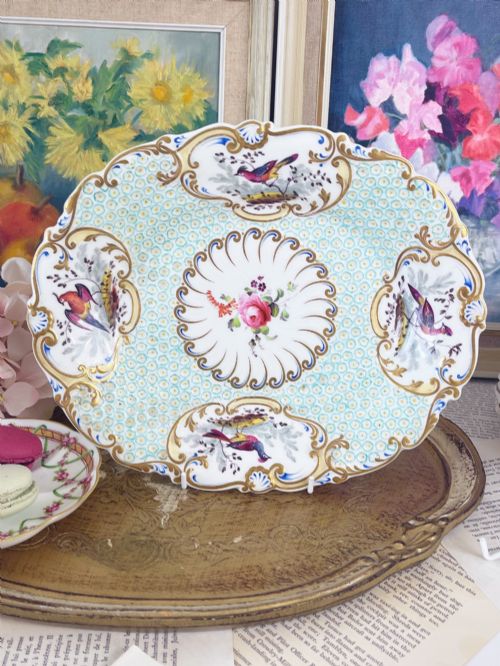
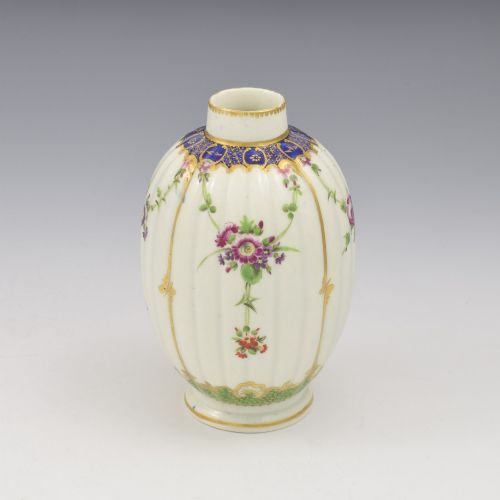
When you search for hand painted floral ceramic, you encounter pieces intended for both display and daily dining across multiple centuries. The selection ranges from eighteenth century English porcelain tea wares to nineteenth century Japanese Imari chargers and vases.
Vases, decorative plates, teapots, and serving dishes dominate the forms available. English factories such as Worcester and Derby sit alongside Asian export wares and continental porcelain centres.
The aesthetic bridges domestic utility and cabinet display. Floral motifs appear rendered in fine polychrome enamels, cobalt blue underglaze, and gilt highlights.
How They Were Made
Potters shaped bodies from porcelain, earthenware, and creamware before applying lead or tin glazes. Artisans then hand painted botanical subjects using mineral enamels directly onto the raw or fired surface.
Firing techniques evolved from primitive wood kilns to controlled coal and gas ovens, allowing for complex multi-stage firings where gold leaf and gilding were fixed in a final muffle kiln pass.
Early potters occasionally added tiny widow finials to teapots, offering a literal handle on domestic history.
What Varies in Quality
Execution of the brushwork separates standard production from exceptional studio output. Hand painted floral ceramic of high merit shows confident, varied strokes rather than mechanical stippling or transfer printing.
The purity of the ceramic paste, the crispness of the moulded form, and the stability of the glaze define the standard. Richness in the application of enamel and gold leaf indicates the artisan's investment of time.
Grainger Lee And Co·Spode·Moorcroft·H And R Daniel·Derby Porcelain·Flight Barr And Barr·Richard Chaffers·Newhall·Sitzendorf·Royal Crown Derby·Coalport
The Hand Painted Floral Ceramic Glossary
- Porcelain
- A vitrified ceramic material of high white opacity, fired at high temperatures. It rings when struck and allows for thin, translucent vessel walls.
- Enamel
- Opaque vitreous glass fused to the ceramic surface during firing. Artisans utilise these coloured compounds for detailed hand painted floral decoration.
- Gilding
- The application of gold leaf or powdered gold to ceramic surfaces. This metallic embellishment highlights rims, handles, and floral borders.
- Creamware
- A refined earthenware body with a pale yellowish straw hue, developed in eighteenth century England. It provides a warm ground for polychrome painting.
- Charger
- A large decorative plate intended for display on a sideboard or wall rather than service at the dining table.
Hand Painted Floral Ceramic: Frequently Asked Questions
Can I use these teapots and cups for daily tea?
Most eighteenth and nineteenth century tea wares function mechanically for serving liquids. However, hairline fractures and worn gilding from age mean gentle handling is necessary.
Collectors generally restrict these items to display or occasional ceremonial use. Thermal stress from boiling water can worsen hidden structural faults in antique bodies.
How do I date an unmarked ceramic piece?
Examine the weight and colour of the ceramic body, alongside the style of the hand painted floral motifs. Characteristics such as footrim construction and glaze pooling offer clues to the manufacturing period.
Comparing potting styles with documented factory shapes helps narrow down the decade of production. Handle shapes and finials often shift noticeably between the Georgian and Victorian eras.
What is the difference between porcelain and earthenware?
Porcelain is dense, non-porous, and fired at extremely high temperatures until vitrified. Earthenware remains porous and opaque, requiring a complete glaze layer to hold liquids.
Hand painted floral ceramic bodies feel noticeably heavier in earthenware than in fine porcelain. Porcelain also transmits light through the wall when held to a bright bulb.