

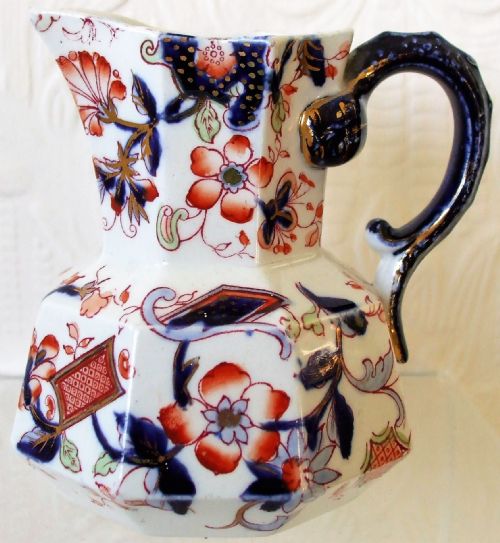


Decorative Pottery Water Jug
These decorative pottery water jugs bring practical Victorian and nineteenth-century utility into modern spaces through rich glaze work and sculptural form.
Decorative Pottery Water Jug
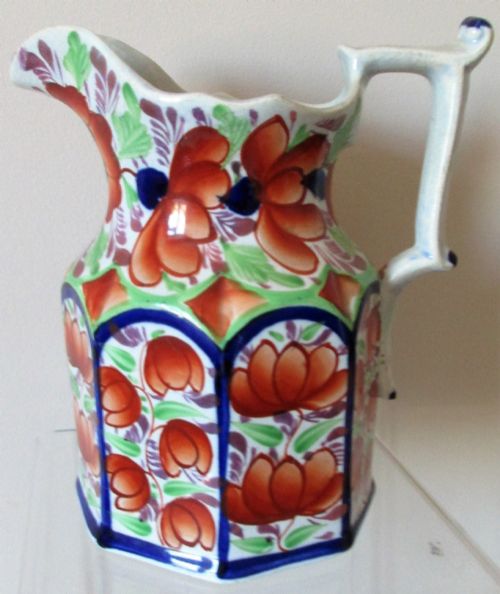
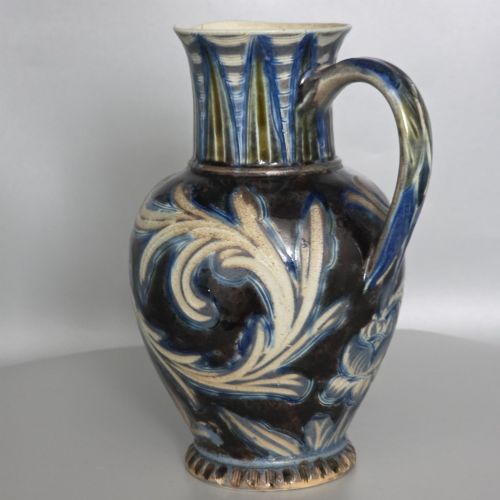
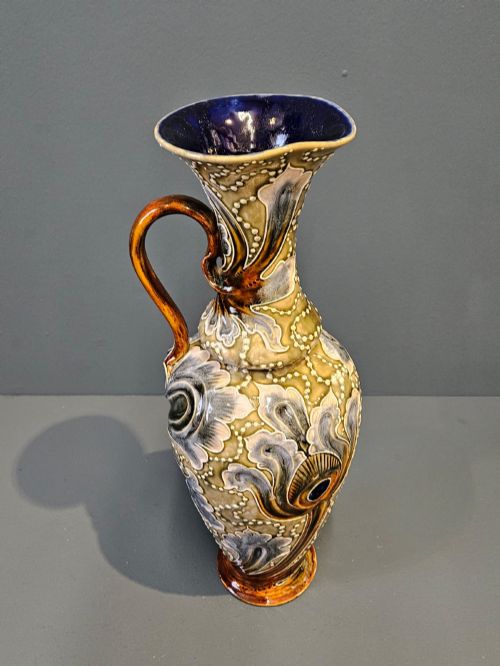
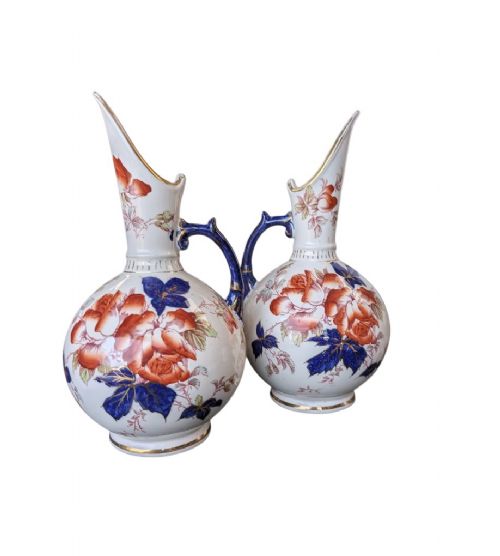
A decorative pottery water jug serves as both a functional container and a striking display piece, drawing on nineteenth-century forms ranging from stoneware ewers to earthenware pitchers. Buyers encountering this selection will find robust utilitarian vessels alongside highly ornamental Victorian art pottery and aesthetic style designs.
The materials span stoneware, earthenware, porcelain, and ironstone, reflecting diverse manufacturing traditions from English potteries to continental workshops. Common shapes include hydra jugs with distinct serpent handles, large stoneware celebration pieces, and pattern-printed jugs featuring historic motifs.
Many examples date from the Victorian era, utilising techniques like salt glazing and majolica work to create textured surfaces. These pieces demonstrate how nineteenth-century households combined everyday utility with elaborate surface decoration.
Materials and production methods
Potters shaped these vessels using traditional clay bodies such as stoneware, earthenware, and ironstone, often throwing them on a wheel or moulding them into specific forms like the classical hydra pitcher. Artisans then applied liquid clay slips, enamels, and mineral glazes to seal the porous material and add colour.
Surface ornamentation involved intricate hand-incising, moulded relief decoration, and salt glazing, where salt thrown into the kiln vapours created a pebbled texture. Many pieces incorporated painted patterns or transfer-printed designs before undergoing high-temperature firing.
Decorative Pottery Water Jug Retail Price Guide 2026
Typical asking prices for decorative pottery water jug among the pieces listed under this phrase on Sellingantiques today, from the lower quarter to the upper quarter. They describe what is for sale here now, not the wider market.
Listings feature nineteen-century stoneware and earthenware forms, including Doulton Lambeth ewers and nineteenth-century ironstone hydra jugs.
Quality factors in antique jugs
Quality rests in the crispness of moulded relief details, the uniformity of salt or majolica glazes, and the balance of the handle to the body. Superior pieces display deliberate hand-incising and precise application of enamel or gilding rather than blurred transfer prints.
The structural integrity of the handle and spout, alongside the clarity of maker stamps or patent marks, distinguishes finer studio and factory output from standard utilitarian ware. Heavier stoneware and well-potted earthenware demonstrate superior weight distribution and durability.
Doulton Lambeth·Keeling & Co·Charlotte Rhead·Phillips & Bagster·Spode
The Decorative Pottery Water Jug Glossary
- Stoneware
- A heavy, dense ceramic fired at high temperatures until vitrified, making it completely impermeable to water without needing a glaze. Stoneware jugs often feature salt glaze finishes and robust bodies suitable for daily use.
- Hydra Jug
- A ceramic pitcher featuring a distinctive serpentine handle and wide spout, often associated with nineteenth-century English porcelain and ironstone production. The form mimics classical Greek shapes popular during the Regency and Victorian periods.
- Majolica
- A type of earthenware covered with an opaque lead glaze containing tin oxide, brightly coloured with metallic oxides. This technique produces rich, glossy surfaces with deeply saturated greens, browns, and yellows.
- Salt Glaze
- A vitreous coating of orange-peel texture formed by throwing common salt into the kiln during high-temperature firing. The sodium reacts with the silica in the clay body to create a durable, glossy finish.
- Ironstone
- A heavy, durable type of earthenware patented in the nineteenth century to imitate Chinese porcelain. Ironstone jugs often display bold transfer-printed patterns and moulded details designed for hard wear.
Decorative Pottery Water Jug: Frequently Asked Questions
How were water jugs used originally?
These vessels served primarily for carrying and pouring water at the dining table, washstand, or sideboard in nineteenth-century homes. Larger versions held generous quantities of water or ale for family meals, while smaller ewers formed part of bedroom wash sets.
Over time, many of these utilitarian items transitioned into pure decorative objects, displayed on mantelpieces or filled with dried flowers due to their striking glazes and sculptural handles.
Can I use these antique jugs for daily service?
While many stoneware and ironstone jugs remain structurally sound, antique ceramics often develop hairline fractures or weakened glazes over centuries of use. Thermal shock from hot liquids can easily crack nineteenth-century earthenware.
It is generally wiser to treat these pieces as decorative items or use them exclusively for dry displays rather than risking damage from daily liquid service.
How do I identify a Victorian salt glaze jug?
Victorian salt glaze jugs feature a distinctive textured surface resembling orange peel, created when salt vaporised inside the high-temperature kiln. They are typically heavy, durable, and coloured in earthy tones of grey, brown, or buff.
Examining the base often reveals impressed factory marks or registration numbers that confirm a nineteenth-century English origin.