


Antique Welsh Earthenware Jug
These antique welsh earthenware jug examples are nineteenth century serving vessels defined by distinct patterns and forms that collectors prize.
Antique Welsh Earthenware Jug
When you search for an antique welsh earthenware jug, you enter a field dominated by nineteenth century pottery. The pieces range from Victorian examples to earlier Georgian folk art varieties.
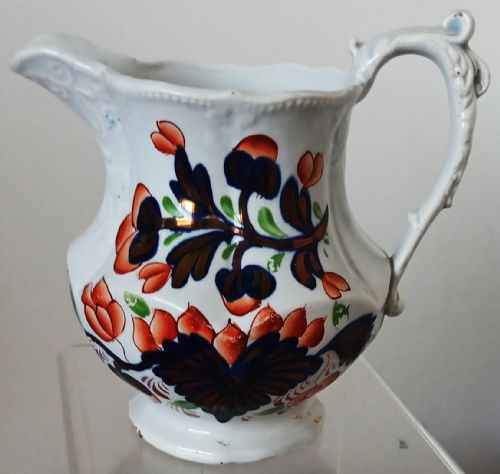
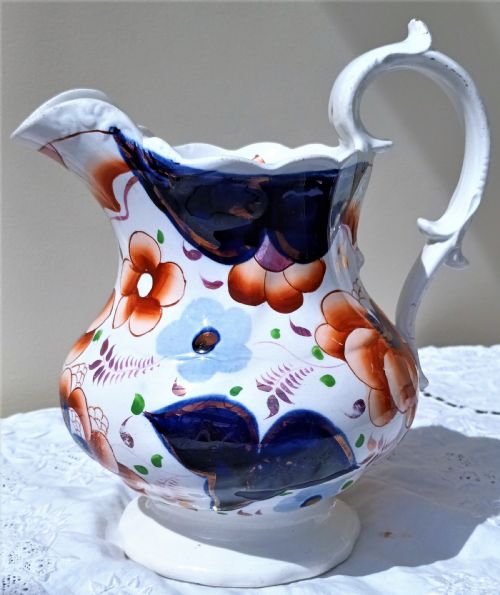
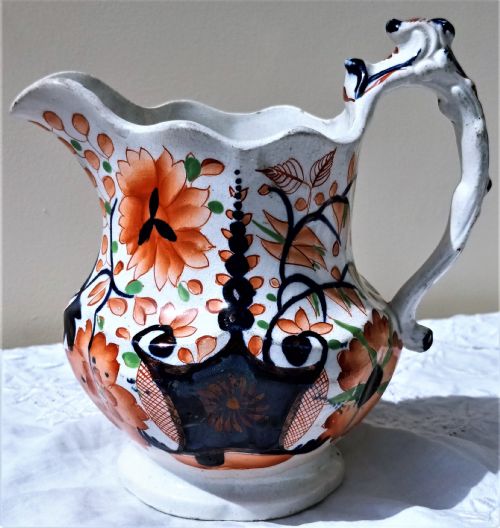
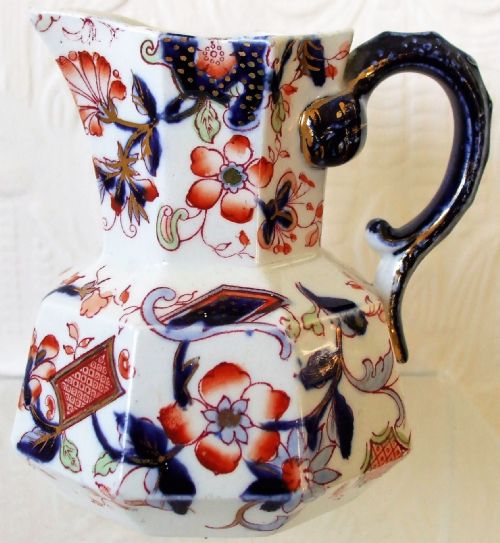
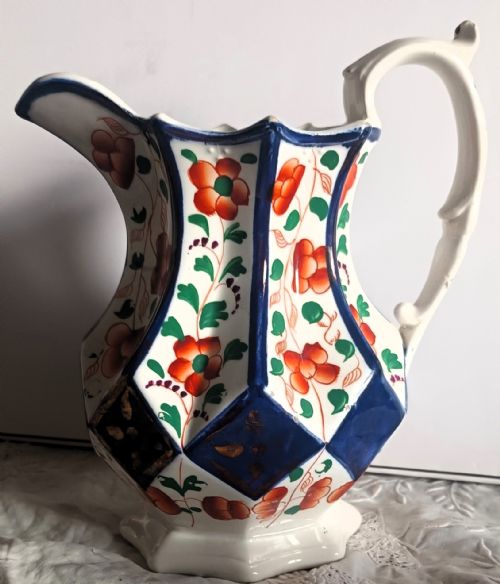
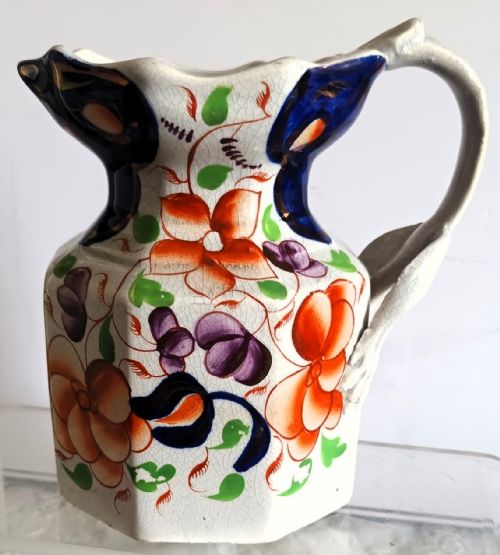
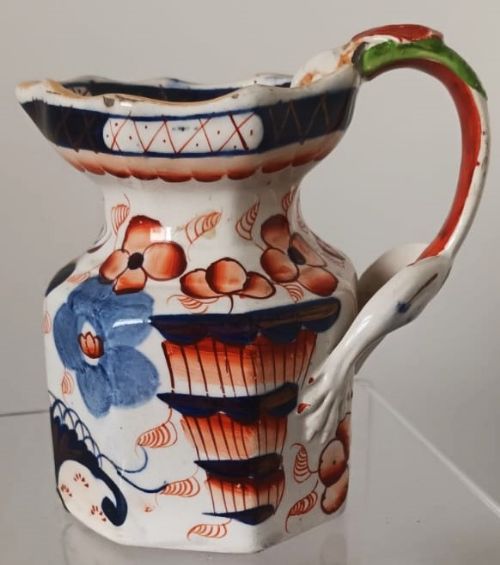
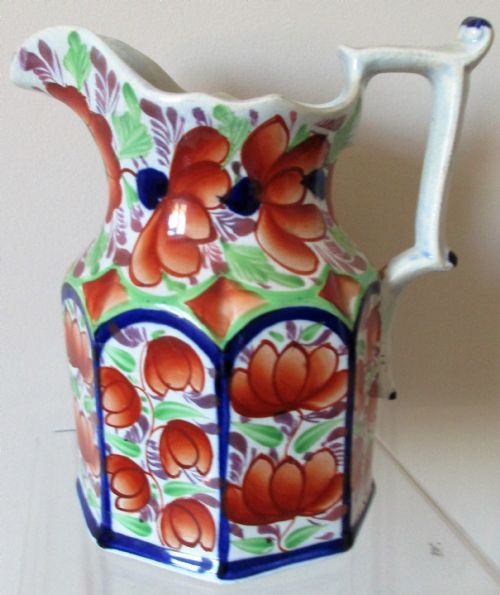
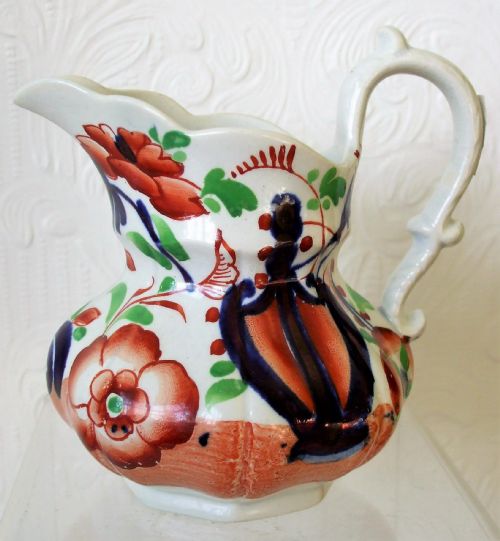
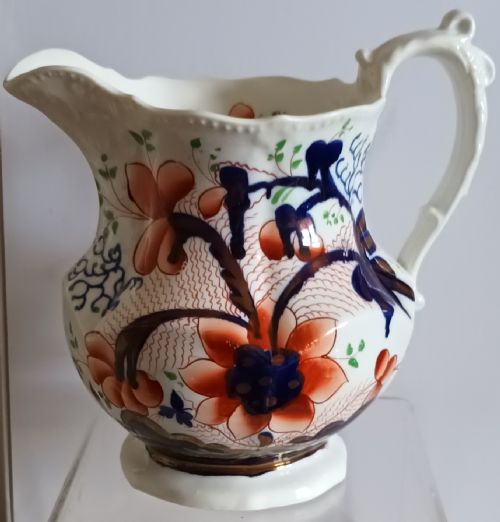
Most items you encounter here belong to the Gaudy Welsh tradition. These feature named patterns such as Grape, Drape, Pagoda, Harlech, Gower, Bethesda, Gwent, Aberaeron, and Conwy.
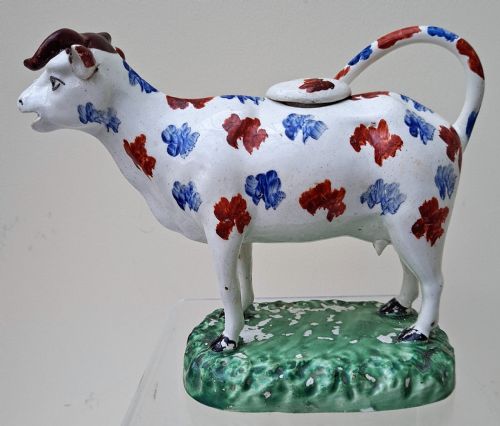
Beyond standard jugs and pitchers, the selection includes specialised forms like pouch jugs and pottery cow creamers. These diverse shapes illustrate the practical and decorative output of regional kilns.
How they were made
Potters built these vessels using earthenware and glazed ceramic bodies. The application of glaze protected the porous clay underneath during daily kitchen use.
Makers embellished the surfaces using paint, enamel, and copper lustre. These decorative techniques produced the vibrant visual characteristics seen on Gaudy Welsh patterns.
Named Gaudy Welsh patterns include Pagoda, Harlech, Gwent, Conwy, and Grape.
What varies in quality
Quality rests in the crispness of the applied pattern and the richness of the enamel and copper lustre. Stronger brushwork elevates the visual impact of designs like Pagoda or Grape.
The sophistication of the potting form also distinguishes pieces. A well-modelled cow creamer or pouch jug demonstrates superior sculptural skill compared to a basic utilitarian pitcher.
Keeling And Co
The Antique Welsh Earthenware Jug Glossary
- Earthenware
- Porous pottery fired at lower temperatures. It requires a protective glaze to hold liquids.
- Copper lustre
- A metallic glaze finish producing a reflective sheen. It often highlights specific decorative motifs on pottery.
- Cow creamer
- A hollow ceramic vessel shaped like a cow. Milk is poured through an opening on the back.
- Pouch jug
- A vessel featuring a swollen or bulbous body profile. This distinct shape offers extra capacity for liquids.
- Gaudy Welsh
- A style of colourful pottery decorated with cobalt blue, iron red, and copper lustre. It was produced largely for Welsh households in the nineteenth century.
Antique Welsh Earthenware Jug: Frequently Asked Questions
What is a Gaudy Welsh jug?
A Gaudy Welsh jug is a nineteenth century ceramic vessel decorated with bright enamel colours and copper lustre. These pieces often feature named patterns like Pagoda or Grape.
Potters designed them primarily for everyday use in Welsh households, combining robust earthenware with striking hand-painted decoration.
How do I use a cow creamer?
A cow creamer is a small ceramic jug modelled in the shape of a cow. Milk is poured into an opening on its back and dispensed through the mouth.
In historic settings, they sat on tea tables to serve milk or cream with style and a touch of rural humour.
What periods do these jugs date from?
These ceramic pieces date entirely from the nineteenth century. This timeframe encompasses both Georgian and Victorian eras.
Folk art examples from the earlier Georgian period sit alongside the more stylised Gaudy Welsh patterns of the Victorian age.
What materials make up these jugs?
The vessels consist mainly of earthenware, glazed ceramic, and porcelain bodies. Potters sealed the porous clay using durable ceramic glazes.
Decoration relied on enamel, paint, and copper lustre to create the distinctive colourful finishes.