


19th Century Decorative Plate
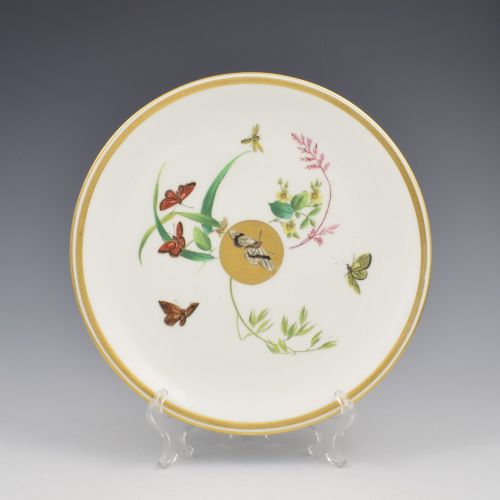
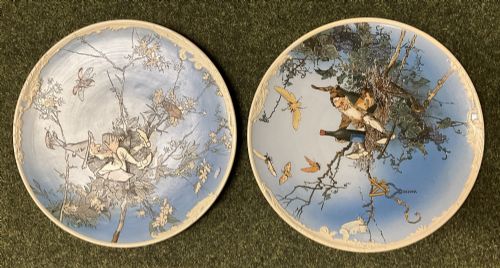
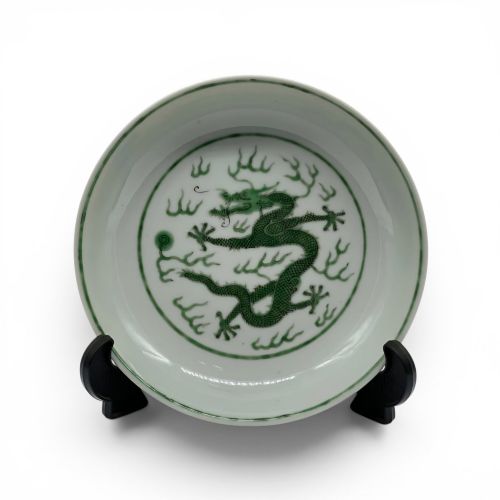
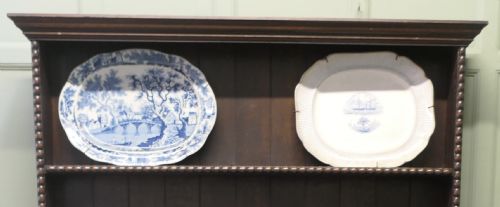
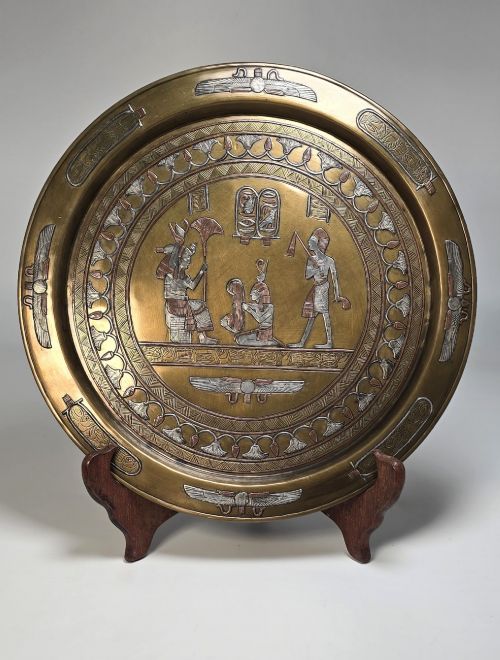
These pieces are a 19th century decorative plate, capturing historical scenes, florals, and export designs through skilled ceramic and metal work.
19th Century Decorative Plate
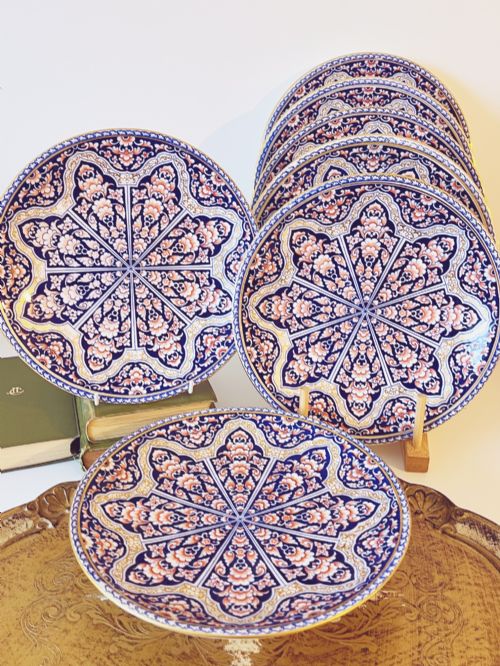
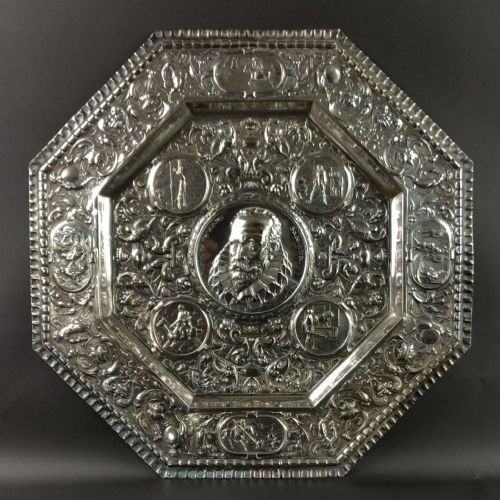
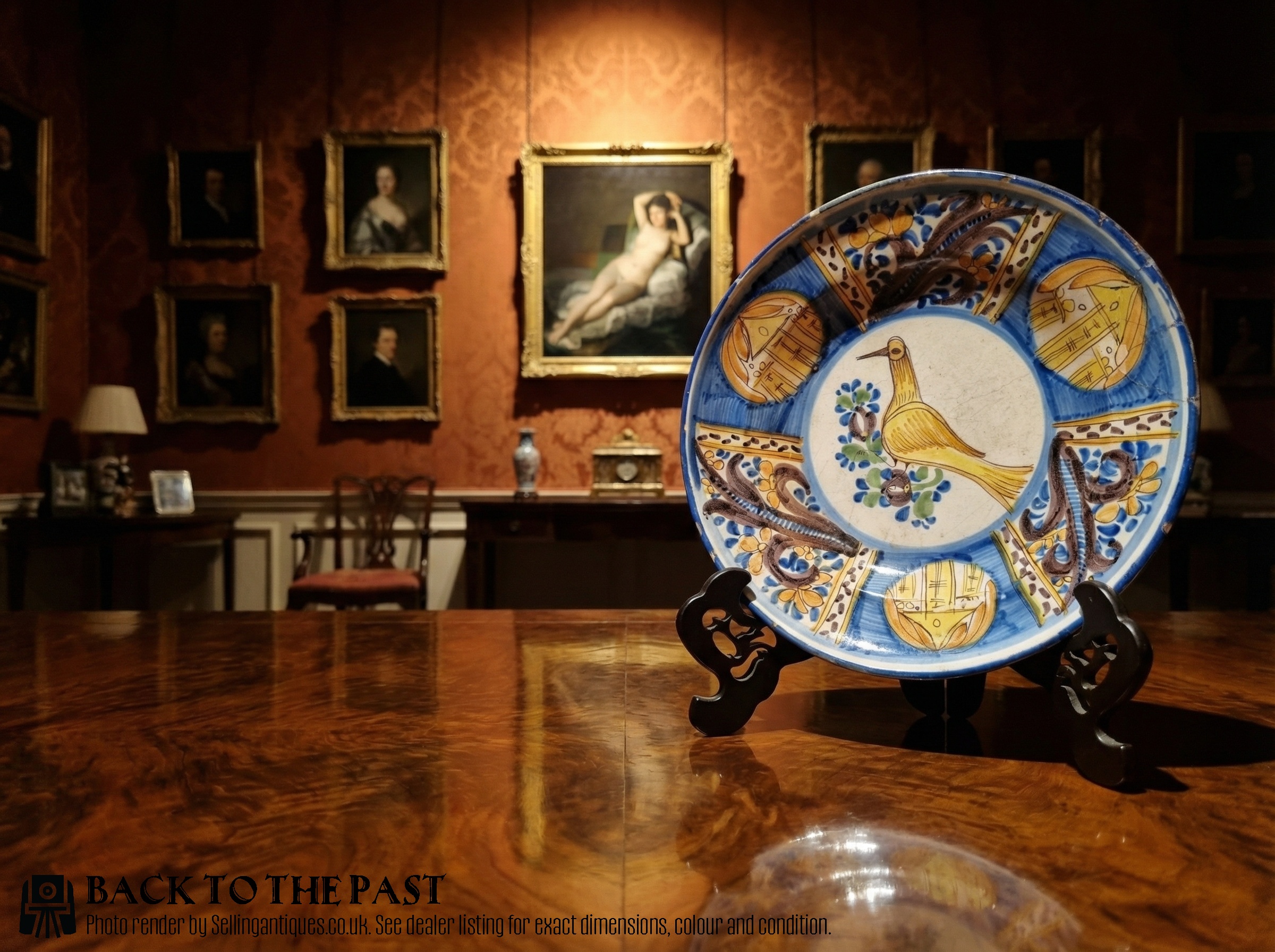
A 19th century decorative plate covers a diverse range of ornamental ceramics, chargers, and metal platters intended primarily for display rather than dining use. The selections available encompass English porcelain dessert services, French hand-painted porcelain chargers, and Japanese Imari and cloisonné enamel plates.
Makers across Europe and Japan produced these pieces utilising distinct regional aesthetics, moving from neoclassical patterns to elaborate Victorian designs and Japanese Meiji period motifs. Buyers frequently encounter porcelain and pottery examples alongside heavy repoussé metal chargers and cloisonné enamel work.
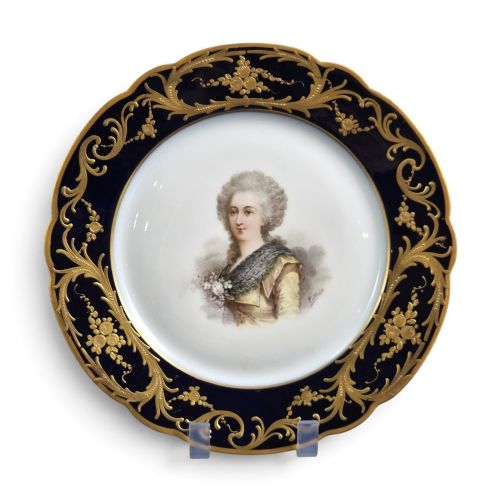
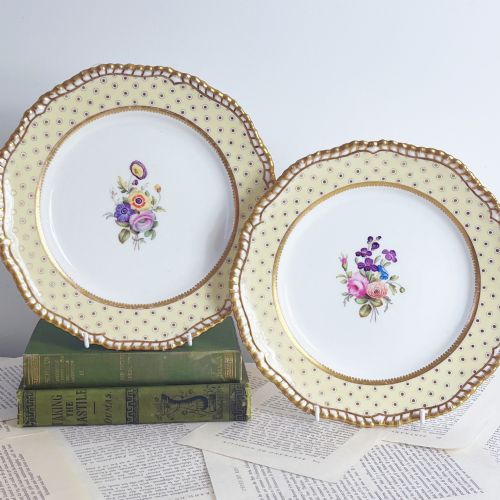
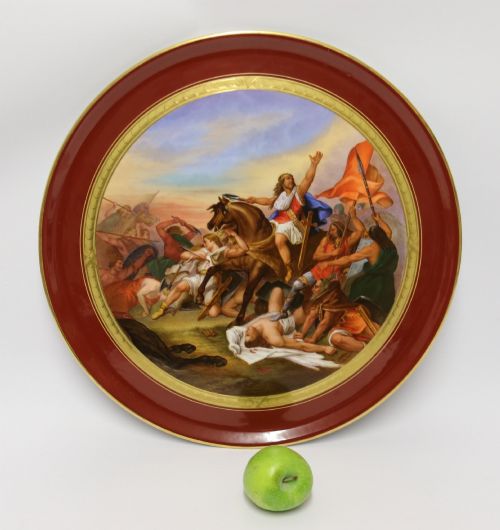
The assortment includes cabinet plates meant for display on shelving or walls, large chargers depicting historical battles or portraits, and matched sets intended for dessert courses. Each item reflects the prevalent decorative taste of its specific decade, spanning the Georgian transition through the late Victorian era.
Materials and construction methods
Ceramic pieces rely on porcelain, earthenware, or ironstone bodies shaped into plates, chargers, and platters, often enhanced with underglaze blue, polychrome enamels, and applied gold leaf. Manufacturers utilised specialised moulds and hand-painting techniques to achieve intricate portraits, landscapes, and heraldic motifs.
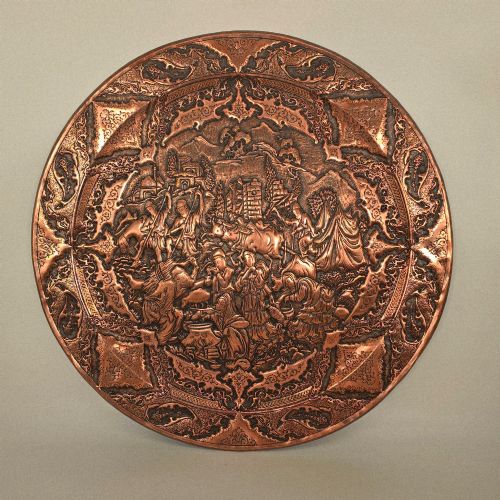
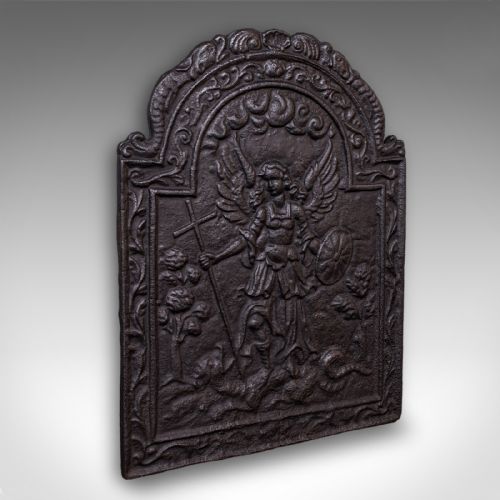
Metal alternatives employ copper, bronze, and brass treated with silver plating or gold plating, incorporating techniques such as repoussé work to hammer detailed relief scenes into the surface. Cloisonné examples build complex imagery using fine metal wires soldered to a base and filled with coloured enamel pastes before firing.
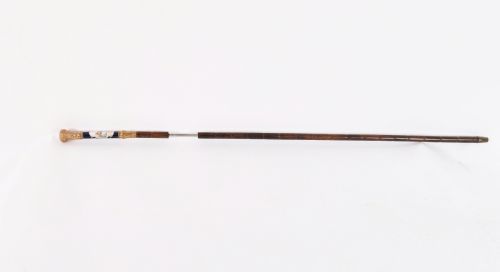
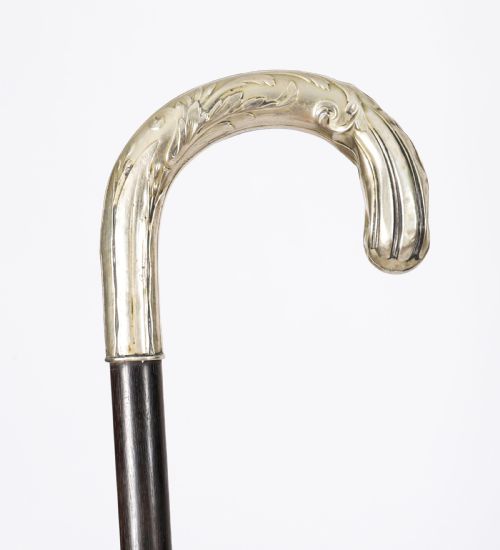
Several walking sticks double as concealed sword containers or feature silver-plated child canes alongside the ceramic plates.
Factors influencing quality
The distinction between standard production and top-tier execution rests on the precision of the hand-painting, the complexity of the decorative scheme, and the crispness of moulded or hammered details. Superior porcelain plates display finely rendered brushwork on portraiture or botanical subjects, whereas lesser examples rely on simpler transfer-printed outlines.
Material selection and finishing techniques similarly divide the range, with heavier bronze platters, meticulous cloisonné wirework, and substantial gilding representing more ambitious workshop output. The retention of original surface treatments and clear factory or artist signatures further elevates the standing of individual items.
Spode·Royal Crown Derby·Minton·Worcester·John Ridgway·Mettlach·Darte Brothers
The 19th Century Decorative Plate Glossary
- Charger
- A large ornamental plate or platter typically designed for display on a wall or sideboard rather than practical table service. These substantial pieces often feature elaborate pictorial or geometric decoration.
- Cloisonne
- A decorative metalwork technique where fine wires form partitioned cells on a surface, which are subsequently filled with enamel paste and fired. Japanese examples from the Meiji period frequently utilise this method.
- Repousse
- A metalworking method where the artisan hammers the reverse side of a sheet of metal to form a raised design in relief on the front. This technique appears on decorative brass and copper chargers.
- Cabinet plate
- An ornamental porcelain dish manufactured specifically for display within a glass-fronted display cabinet or on a stand. These items generally showcase detailed hand-painted scenes or rich gilding.
- Imari
- A style of Japanese porcelain featuring distinctive cobalt blue, iron red, and gilt decoration, which heavily influenced European factories during the nineteenth century.
19th Century Decorative Plate: Frequently Asked Questions
Were these plates used for dining?
Most decorative plates and large chargers from this era were intended for display on walls, sideboards, or within cabinets rather than everyday dining use. Dessert services and specific cabinet plates remained primarily ornamental or served ceremonial functions during formal meals.
Heavier metal platters and enamel trays functioned similarly as decorative centrepieces or serving accessories for wealthy households rather than standard kitchenware.
How do I distinguish French porcelain from English porcelain?
French porcelain often exhibits distinct portraiture, classical historical scenes, or cobalt grounds associated with Sèvres and Paris workshops. English equivalents from factories such as Minton or Spode frequently incorporate floral patterns, basketweave mouldings, and felspar bodies.
Examining the base for factory marks, pattern numbers, or characteristic glaze properties helps clarify the specific origin of each ceramic piece.
What is Japanese Imari porcelain?
Japanese Imari refers to wares produced in Arita and exported through the port of Imari, characterised by a striking palette of underglaze blue, iron red, and abundant gold leaf. Nineteenth-century examples often feature intricate floral and panel designs.
European potteries frequently copied these distinctive Japanese motifs, creating their own Victorian Imari interpretations to satisfy domestic demand.
How should I display a heavy metal charger?
Heavy bronze, brass, or silver-plated chargers require secure wall mountings or sturdy display stands designed to support substantial weight without damaging the rim. Placing them away from direct sunlight preserves the metal finish and any underlying plating.
Regular dusting with a soft cloth maintains the surface condition of repoussé and inlaid metalwork without risking abrasive wear.