

19th Century Chinese Ceramics
These 19th century chinese ceramics bring the bold enamels and precise brushwork of the Qing dynasty directly into modern rooms.
19th Century Chinese Ceramics
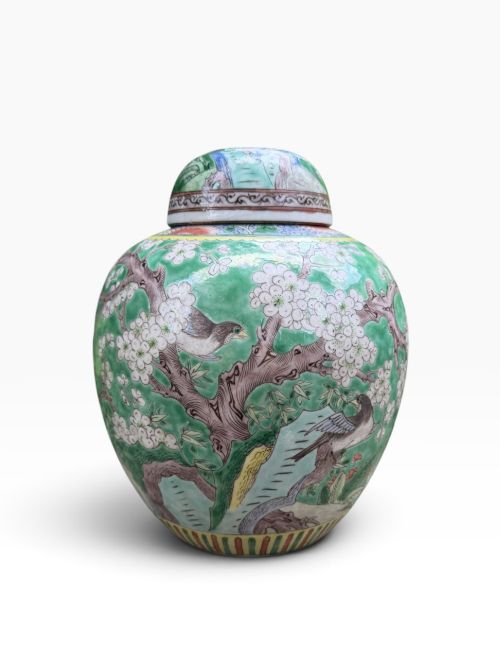
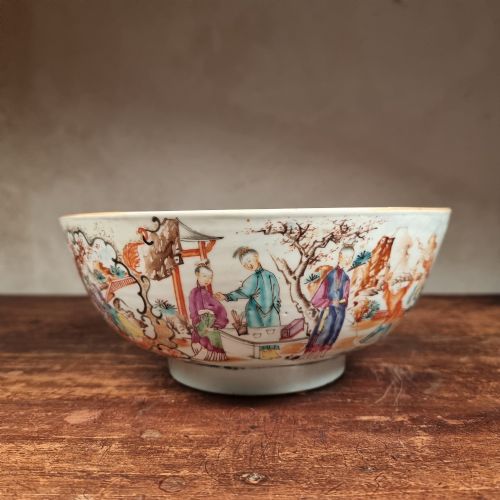
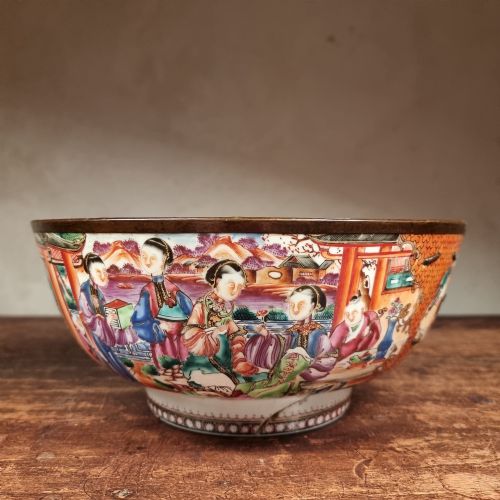
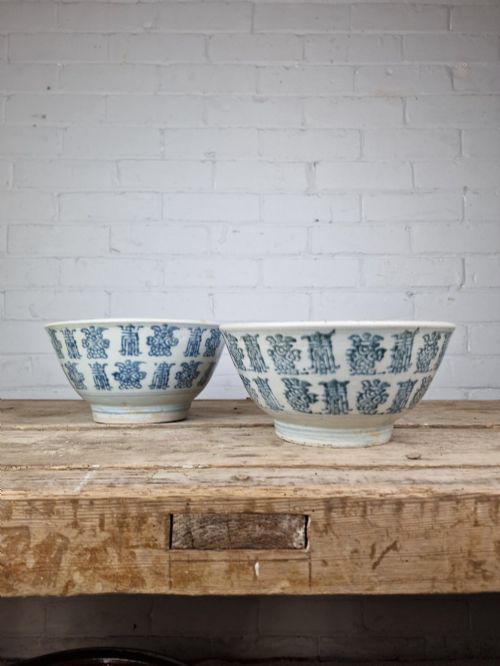
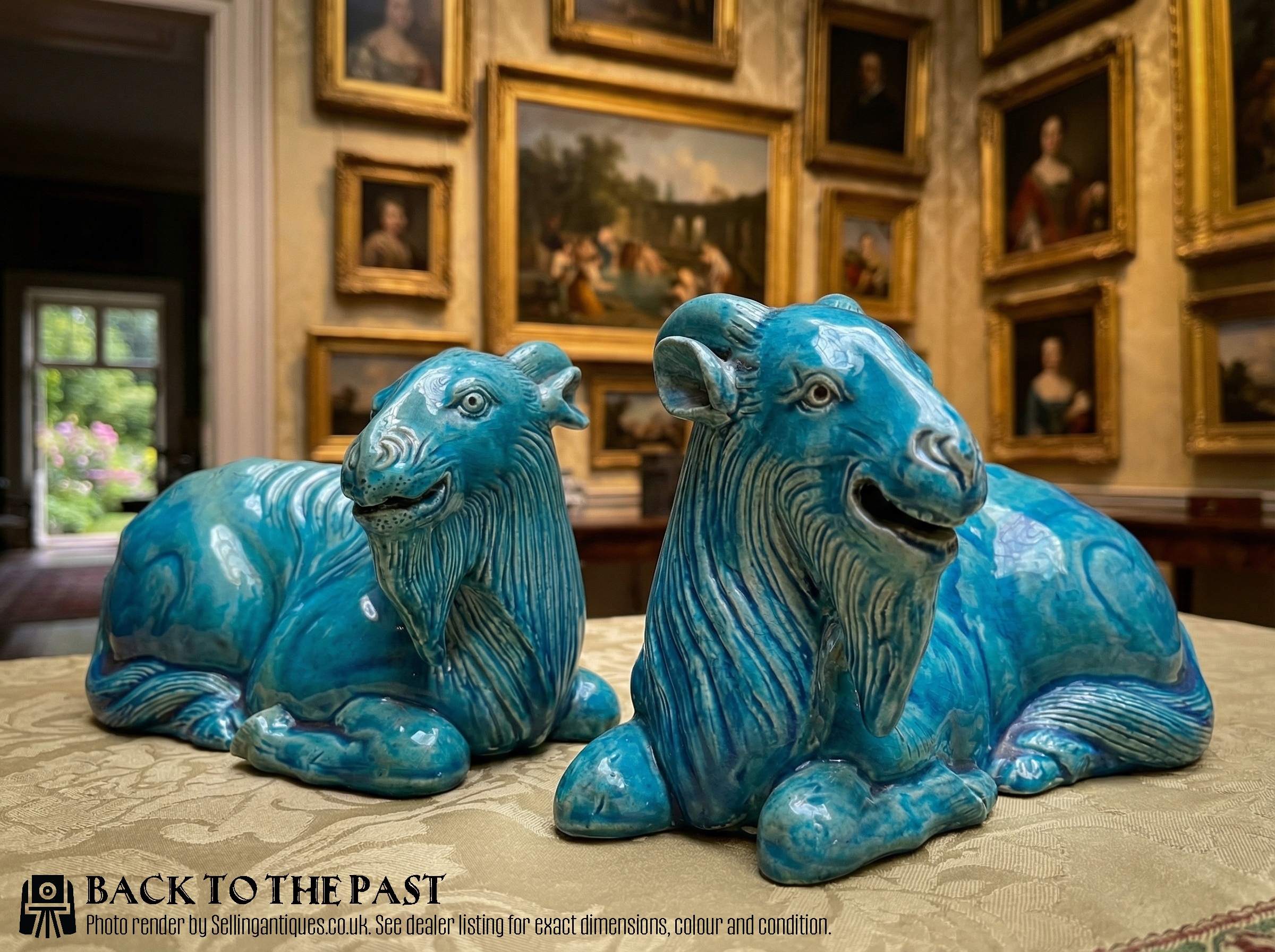
Collectors searching for 19th century chinese ceramics encounter a diverse array of utilitarian and decorative objects originating from the Qing dynasty. The selection on this page centres predominantly on porcelain bowls, vases, ginger jars, and snuff bottles produced during the 1800s.
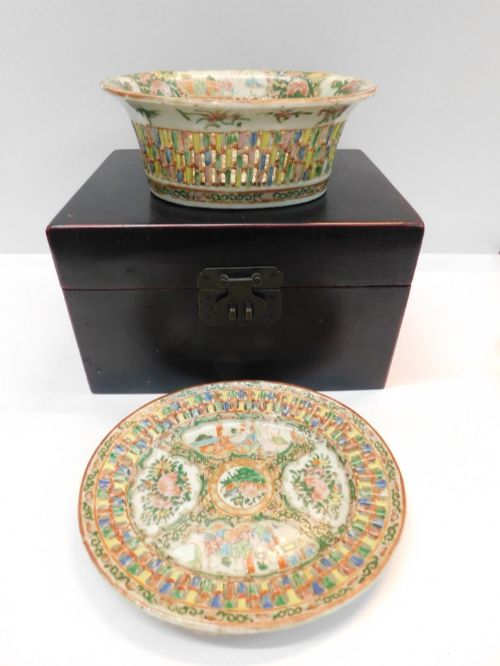
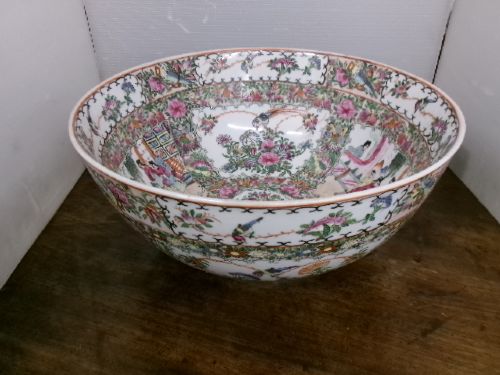
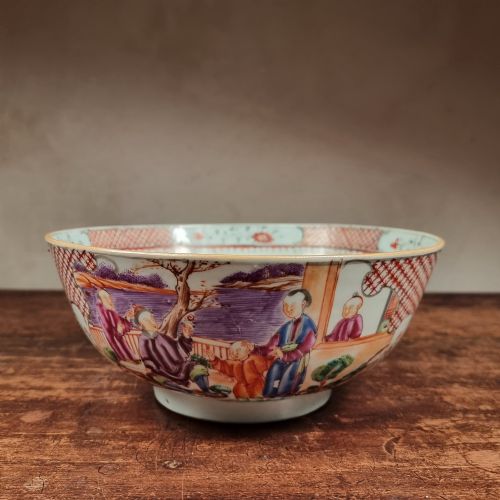
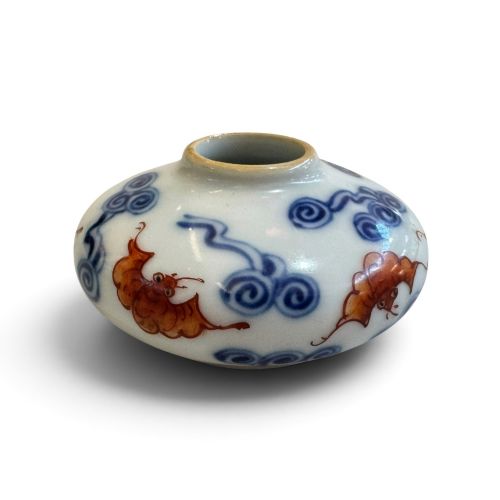
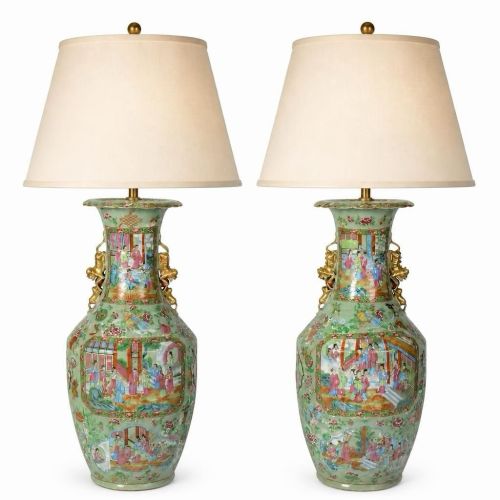
Vessels span both imperial commissions and export wares made specifically for Western markets, including Canton famille rose and blue and white pieces. Everyday scholars' items such as brush washers sit alongside monumental floor vases and table lamps mounted in gilt bronze.
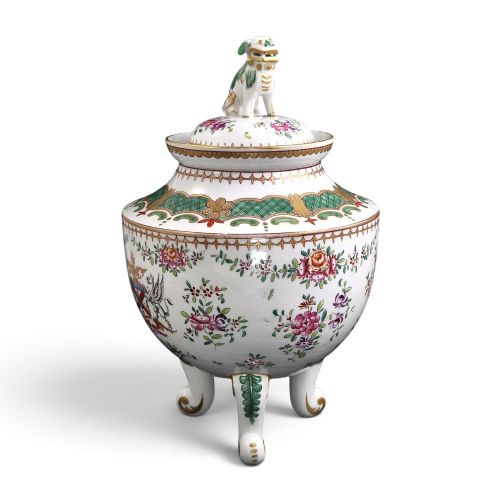
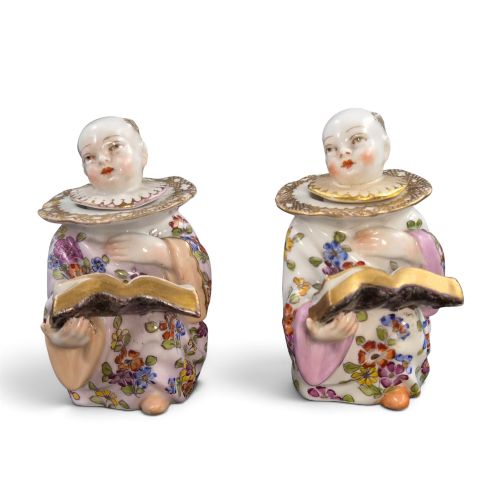
European interpretations also appear through continental makers producing armorial chinoiserie porcelain in the Chinese style during the Victorian era. These varied forms demonstrate both traditional domestic utility and global aesthetic exchange.
How They Were Made
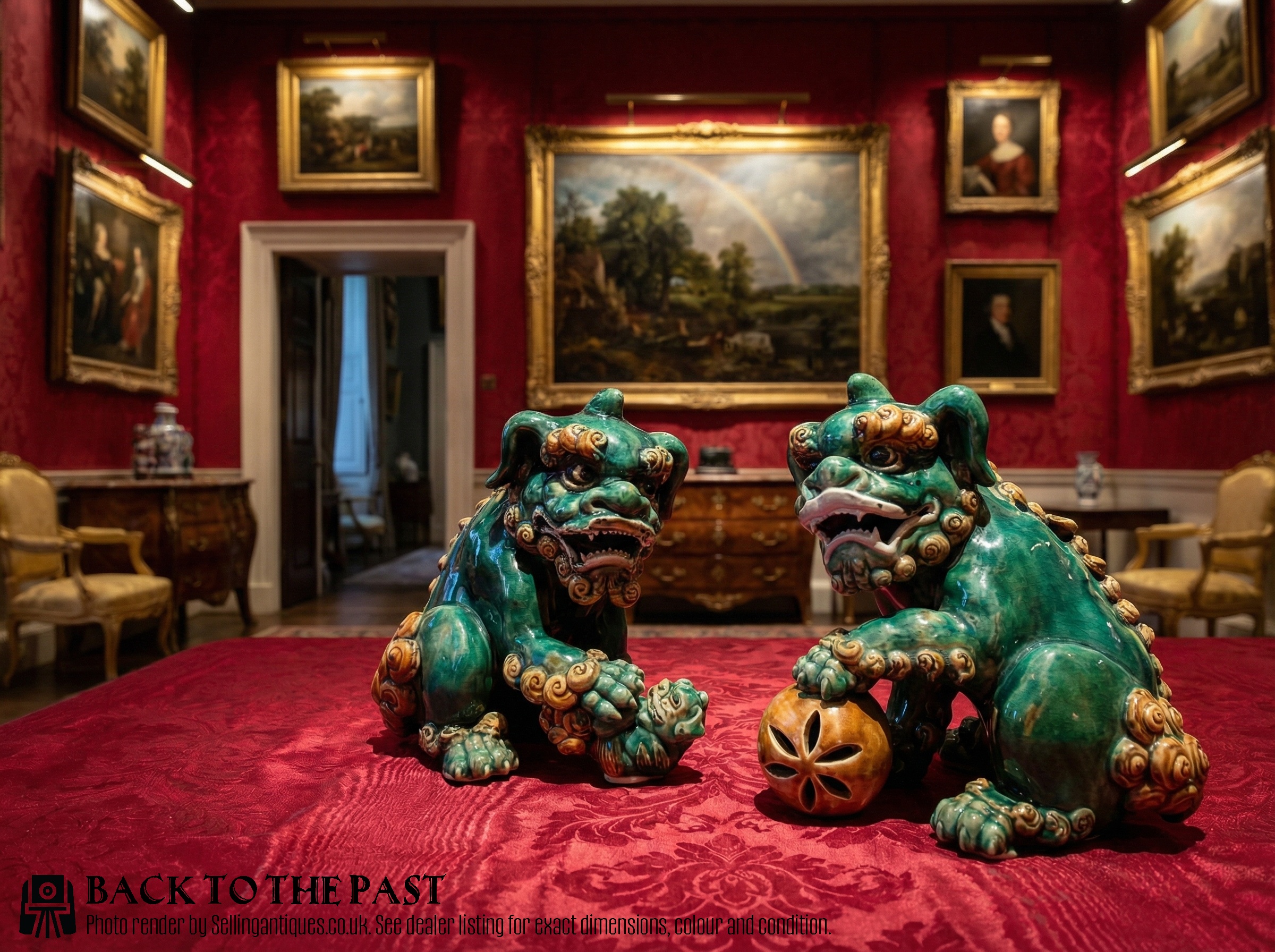
Potters shaped fine porcelain, pottery, and ceramic bodies before applying underglaze blue pigments or vibrant overglaze enamel palettes like famille rose and famille verte. Gold leaf, gilding, and brass or ormolu mounts were frequently added to European-adapted items and export wares.
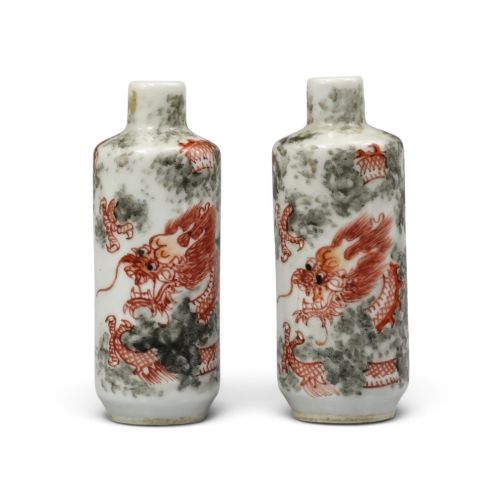
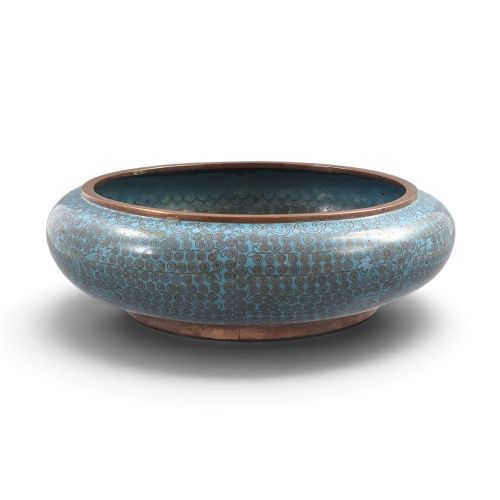
Specialised techniques included reticulated openwork cutting, iron-red pigment drawing, and celadon glazing fired at high temperatures to achieve subtle translucent colour tones. Beijing workshops also produced intricate cloisonné enamel scholar's objects using soldered wire compartments.
19th Century Chinese Ceramics Retail Price Guide 2026
Typical asking prices for 19th century chinese ceramics among the pieces listed under this phrase on Sellingantiques today, from the lower quarter to the upper quarter. They describe what is for sale here now, not the wider market.
Erotic spring palace snuff bottles tucked away in pockets provided private amusement during the strict social codes of the Daoguang period.
What Varies in Quality
The degree of artistic mastery in the painted motifs distinguishes exceptional examples from standard production pieces. Fine control over underglaze red, crispness in reticulated carving, and depth of enamel layering indicate superior workshop standards.
Imperial-style commissions and pieces bearing specific Daoguang or Guangxu period characteristics exhibit greater refinement in potting and glaze purity. The integration of quality mounts, such as cast ormolu or gilt bronze, adds significant decorative dimension to lamps and bowls.

Edmé Samson·Samson Paris
The 19th Century Chinese Ceramics Glossary
- Famille rose
- A prominent Chinese ceramic palette dominated by opaque pink or rose enamel colours introduced during the Qing dynasty. This technique allowed artists to paint subtle tonal gradations on porcelain surfaces.
- Canton
- A major trading hub in southern China where porcelain blanks were decorated for export markets abroad. Canton pieces typically feature dense panels of figures, birds, and flowers.
- Celadon
- A term for pottery and porcelain featuring a pale green or grey-green transparent glaze that mimics jade. The colour results from small amounts of iron oxide reacting within a reducing kiln atmosphere.
- Reticulated
- An openwork design carved or pierced through the ceramic wall before firing to create intricate geometric or floral lattice patterns. This method demands high technical skill from the potter.
- Snuff bottle
- A small miniature container used to hold powdered tobacco during the Qing dynasty. These highly collectible objects were fashioned from porcelain, pottery, or enamel with tight stoppers.
19th Century Chinese Ceramics: Frequently Asked Questions
What defines Canton porcelain?
Canton porcelain is characterised by vibrant famille rose enamels and panels depicting figures, foliage, and birds. These export pieces were produced in southern China for international buyers.
Items range from large punch bowls to pedestal dishes and ginger jars. Their colourful narrative scenes make them instantly recognisable on the table.
How do I spot a Qing dynasty piece?
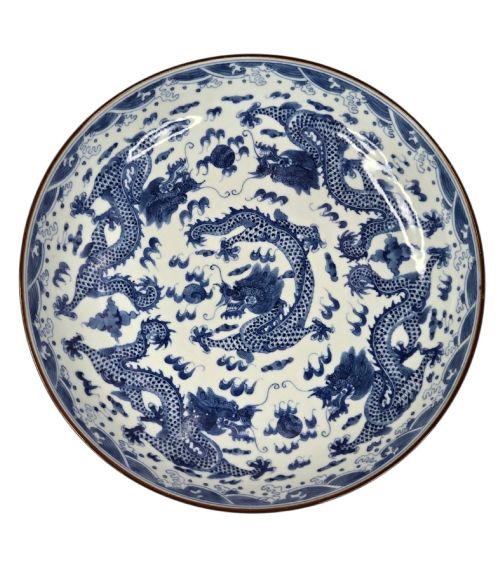
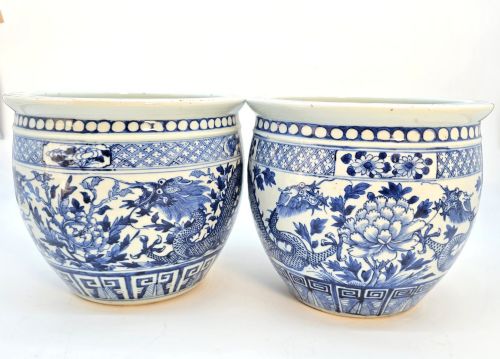
Qing dynasty ceramics display specific stylistic markers such as underglaze blue dragons, celadon glazes, and formal imperial motifs. Many pieces relate directly to specific periods like the Daoguang or Guangxu reigns.
Examining the foot ring, potting weight, and enamel texture helps distinguish these nineteenth-century items from later reproductions. Subtle variations in glaze thickness also provide clues.
Were European makers copying these ceramics?
European potteries actively produced armorial plates and vases inspired by Chinese aesthetics during the nineteenth century. Makers like Samson in Paris created skilled interpretations of export porcelain for Western collectors.
These continental pieces merge Asian decorative motifs with European shapes and mounts. They represent a distinct phase of nineteenth-century taste rather than direct Chinese manufacture.
How were scholar's brush washers used?
Scholar's brush washers functioned as practical desk accessories for cleaning ink brushes in traditional Chinese studies. Scholars valued objects made from porcelain, cloisonné enamel, or Yixing pottery for daily use.
These vessels often featured auspicious motifs like bats, clouds, or dragons. Today they serve as compact decorative objects that highlight fine Qing craftsmanship.