


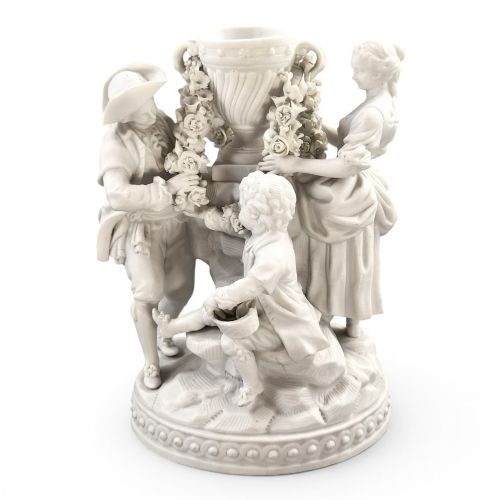
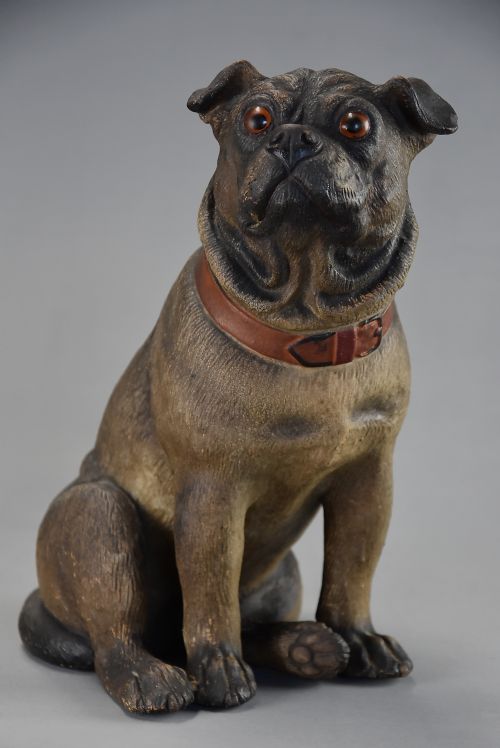
19th Century Ceramic Statues
These 19th century ceramic statues bring character and history to a room through expressive figures and classical animal studies.
19th Century Ceramic Statues
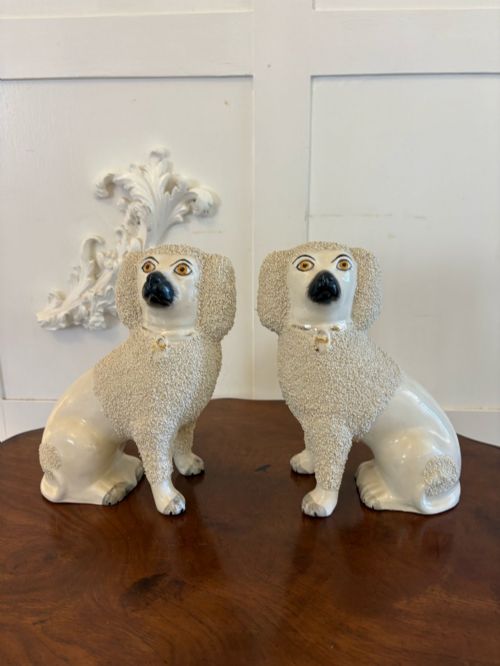
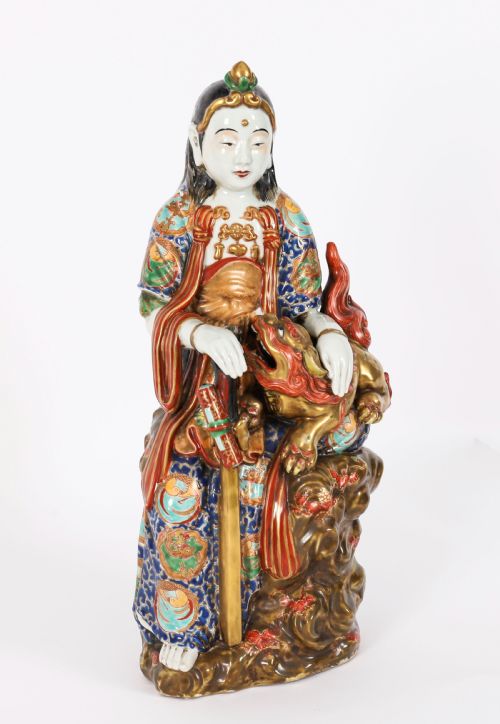
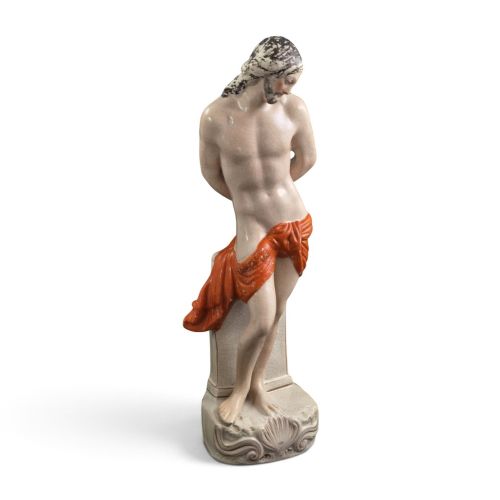
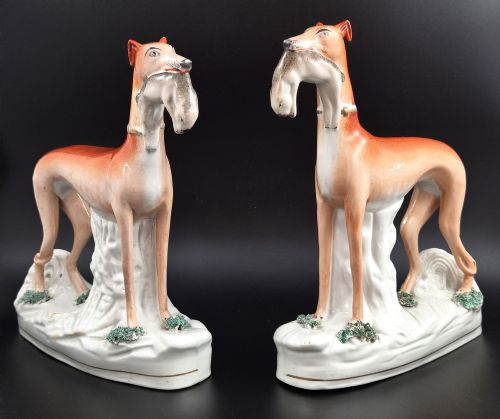
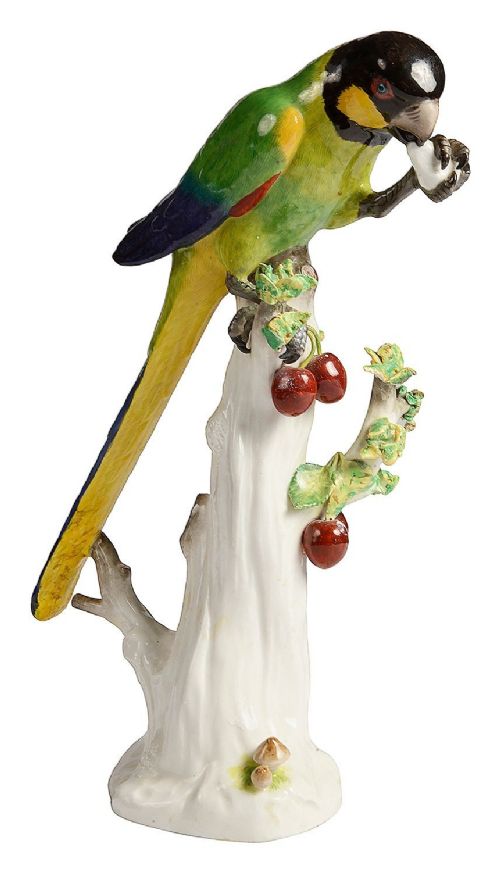
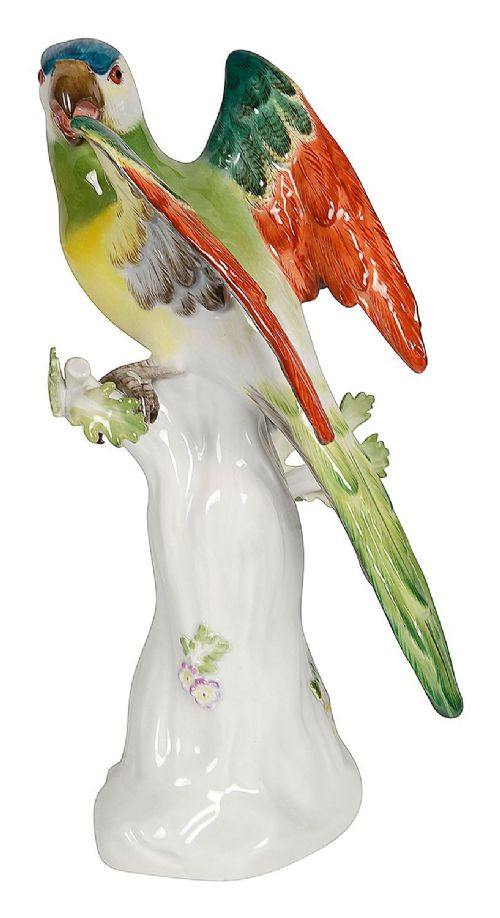
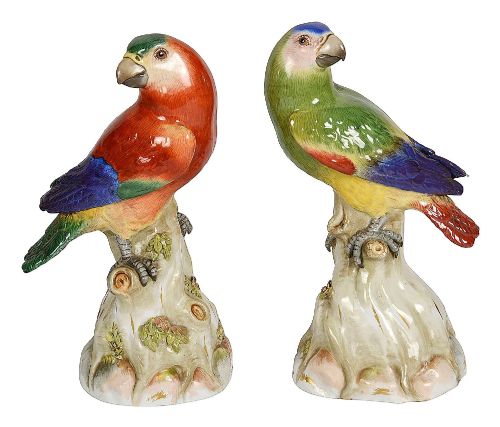
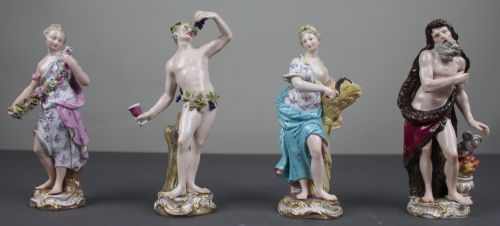
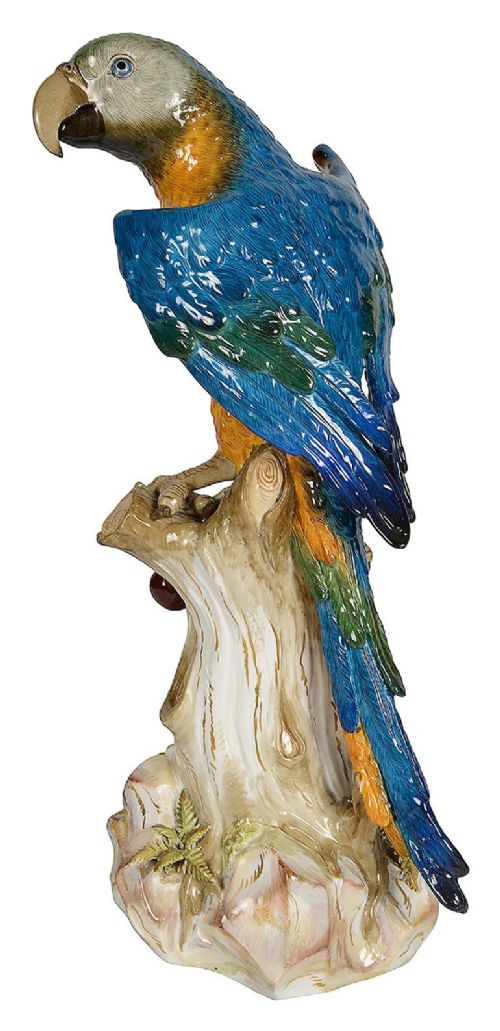
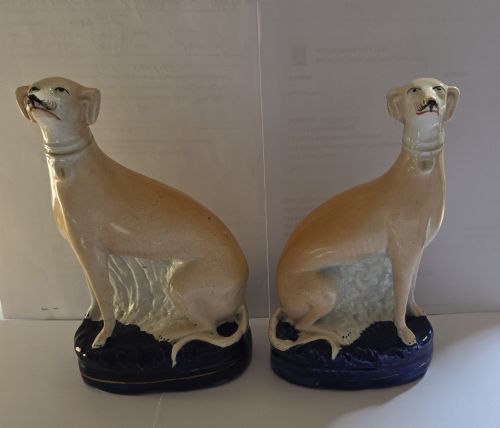
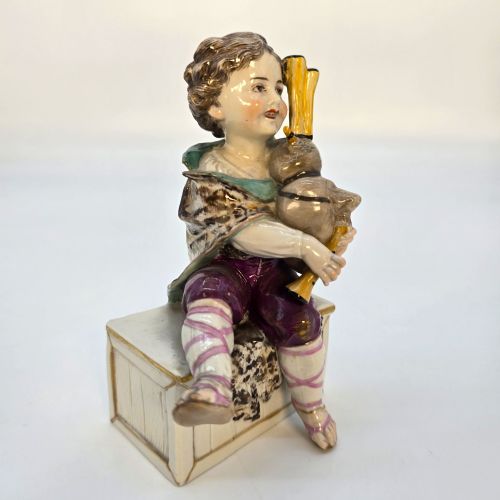
When you search for 19th century ceramic statues, you encounter a diverse array of figural works spanning British earthenware, continental porcelain, and terracotta. Staffordshire animals and portrait figures dominate the domestic entries, whilst continental factories supply finely modelled mythological and pastoral groups.
The selection ranges from utilitarian Staffordshire spaniels and poodles meant for mantelpieces to ambitious parian and porcelain sculptural studies by European makers. Collectors meet everything from modest earthenware pairs to large, hand-painted French and German porcelain showpieces dating from across the Victorian era.
How they were made
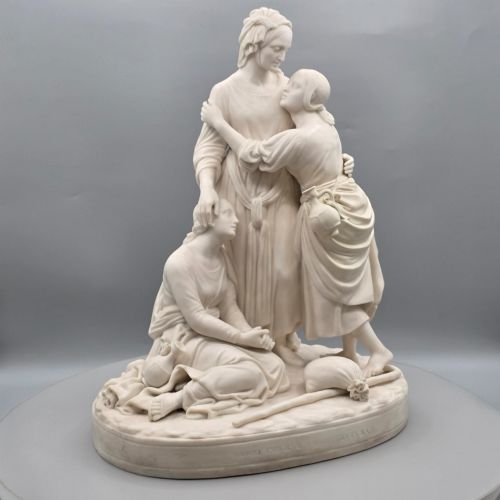
Makers utilised porcelain, earthenware, terracotta, and parian ware, shaping the clay through moulding and casting before applying glazes, enamel colours, or gold leaf accents. Biscuit and bisque porcelain left the surface unglazed to mimic carved marble, capturing fine facial expressions and drapery details.
Specialised techniques varied by region, from the underglaze blue painting of Dutch Delft pottery to the intricate lace porcelain applied by Parisian and German factories. Staffordshire potters relied on earthenware bodies finished with enamel paints, occasionally incorporating pearlware glazes for distinct surface sheens.
Listings feature Victorian earthenware, Meissen porcelain, and French bisque sculptures.
What varies in quality
The sophistication of the original model dictates the success of the statue, with works after known sculptors achieving greater refinement. Weight, proportion, and the preservation of delicate applied elements like floral garlands or lace distinguish the finer examples.
Meissen·Minton·Royal Worcester·Samson of Paris·Volkstedt Rudolstadt Factory·Goldscheider
The 19th Century Ceramic Statues Glossary
- Bisque porcelain
- Un-glazed porcelain fired once to create a matte, porous surface resembling marble. It became popular for neoclassical and allegorical sculptures.
- Parian ware
- A fine-grained, unglazed white porcelain developed to imitate marble. It takes its name from the Greek island of Paros.
- Staffordshire pottery
- Earthenware figures and animals produced by numerous potteries in the English Midlands. They were designed for domestic mantelpiece display.
- Spill vase
- A hollow figural vase designed to hold wooden spills for lighting fires or candles. They often feature animals flanking the central tube.
19th Century Ceramic Statues: Frequently Asked Questions
What materials are these statues made from?
Makers utilised a range of ceramic bodies including earthenware, porcelain, terracotta, and parian ware. Surfaces were frequently finished with enamel colours, glazes, or left in an unglazed biscuit state.
Potteries matched the material to the intended function, using robust earthenware for folk-art animals and delicate porcelain for elaborate continental figures.
What is parian ware?
Parian ware is a type of fine, unglazed white porcelain designed to simulate carved marble. It gained prominence in the nineteenth century for producing detailed classical and literary sculptures.
Manufacturers used it to replicate works by prominent sculptors at a scale suitable for domestic interior display.
How should I clean ceramic statues?
Dust the surfaces gently with a soft, dry brush to prevent dirt accumulation in crevices and painted details. Avoid harsh chemical cleaners that can damage delicate enamel colours or gold leaf.
Keep pieces away from direct sunlight to preserve the original vibrancy of hand-painted glazes and pigments over time.