
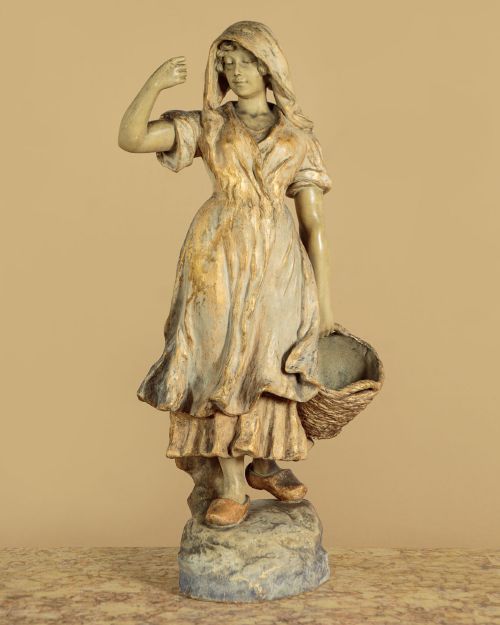
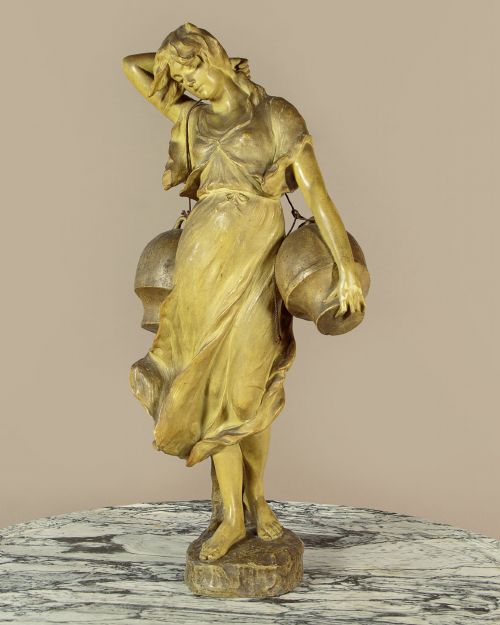
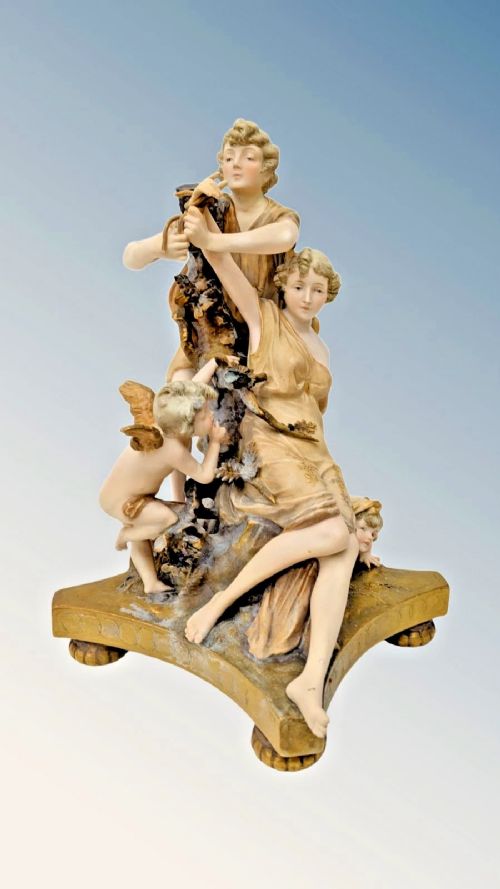


Beige Ceramic Figurines
These beige ceramic figurines bring quiet presence to a room, spanning delicate Victorian Orientalism to sharp Art Deco design.
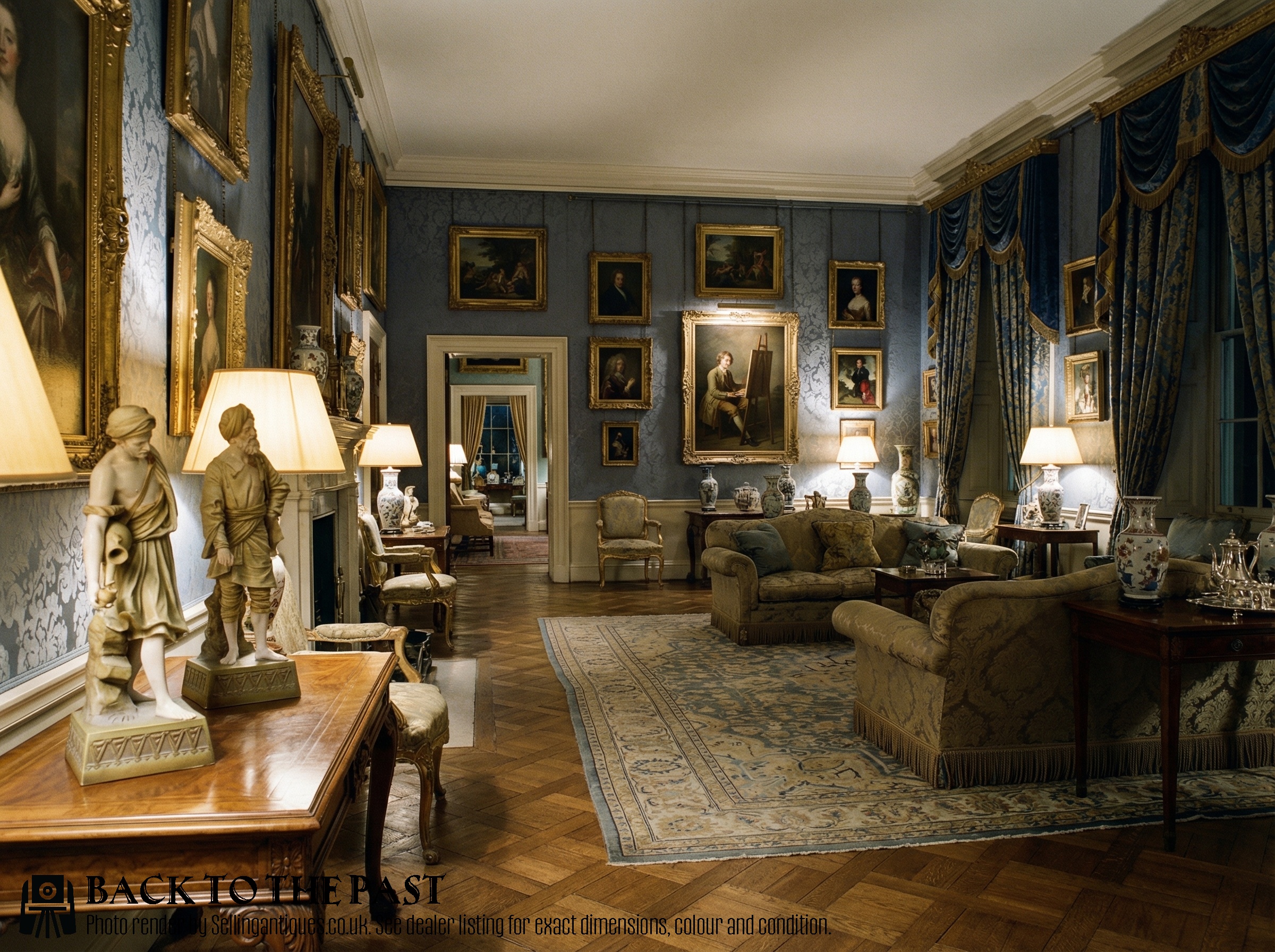
Beige Ceramic Figurines
Beige ceramic figurines encompass sculptural figures and decorative groupings produced across the nineteenth and twentieth centuries. Buyers search for these pieces to introduce classical elegance or period character into domestic interiors.
Originating from workshops across Europe, these figures reflect distinct aesthetic movements including Art Nouveau, Neoclassical, and Modernist styles. Makers utilised subtle glazes, parcel-gilt highlights, and hand-modelled details to define each piece.
How they were made
Makers shaped these beige ceramic figurines using terracotta, porcelain, and biscuit porcelain as foundational materials. Artisans frequently added enamel, paint, gold leaf, and parcel-gilt accents to surface details.
Techniques relied upon careful hand-modelling and casting to achieve expressive forms across sculptures, figurines, and pin cushion dolls. Kiln firing fixed the ceramic bodies before artisans applied decorative finishes.
Pin cushion dolls served as elegant companions to nineteenth-century sewing baskets, hiding practical pins beneath elaborate porcelain skirts.
What varies in quality
Quality in these figurines rests upon the crispness of the modelling and the sensitivity of the hand-painted or gilt surface execution. Finer examples display precise facial expressions and well-defined drapery folds.
The prestige of the producing pottery and the complexity of the sculptural group influence the standing of an individual piece. Better workshops achieved superior balance and structural proportion in larger figurative compositions.
Goldscheider·Ernst Wallace·Joseph Constant·Royal Dux·B. Rezl·Fasold & Stuach
The Beige Ceramic Figurines Glossary
- Terracotta
- A porous reddish or brownish-buff earthenware clay used for sculptural figures. It is often left unglazed or finished with painted surfaces.
- Biscuit Porcelain
- Unglazed white porcelain fired once to produce a matte, marble-like texture. It allows fine sculptural details to remain sharp.
- Animalier
- A nineteenth-century artistic genre focusing on the realistic depiction of animals. Sculptures in this style capture creatures in natural postures.
- Parcel-Gilt
- A decorative treatment where only specific portions of an object are highlighted with gold leaf or gilt. This technique draws the eye to details like jewellery or garment trims.
- Pin Cushion Doll
- A half-doll porcelain figurine manufactured to form the upper portion of a sewing pin cushion. These delicate figures were popular during the Victorian and Edwardian periods.
Beige Ceramic Figurines: Frequently Asked Questions
What periods do these figurines come from?
The pieces span the nineteenth and twentieth centuries, capturing shifts in design from Victorian Orientalism through Art Nouveau and Art Deco.
Dates range across the eighteen-eighties, nineteen-hundreds, and nineteen-thirties, reflecting the distinct manufacturing output of each decade.
How do I identify different ceramic materials?
Terracotta presents a porous, earthy body often seen in natural tones, while standard porcelain offers a smoother, glazed surface finish.
Biscuit porcelain differs by retaining a matte, unglazed texture that resembles carved marble rather than glossy china.
Where were these figures originally displayed?
Figures such as water carriers and animalier sculptures served as decorative ornaments in period drawing rooms and parlours.
Smaller items like pin cushion dolls functioned as both practical sewing accessories and charming dressing table displays.
How should I clean porcelain and terracotta figures?
Dust these decorative objects gently with a soft, dry brush to prevent accumulation in recessed carved details and painted surfaces.
Avoid using water or chemical cleaners, particularly on unglazed terracotta and delicate gilt or enamel highlights.